Quantum brief week 31 2026
IBM and the University of Chicago established "trusted quantum advantage," successfully executing a 70-logical-qubit algorithm that self-certifies its own fidelity through "Doped Clifford Sampling." This milestone allows for verifiable quantum outputs in regimes where classical simulation and traditional cross-entropy benchmarking are mathematically impossible.,,,,
IonQ completed its $1.8 billion acquisition of SkyWater Technology, signaling a major industry shift toward vertical integration. By internalizing a U.S. "Trusted Foundry," IonQ secures its hardware supply chain, aims to reduce chip fabrication cycles from nine months to two, and deeply embeds itself within sovereign defense programs.,,,,,
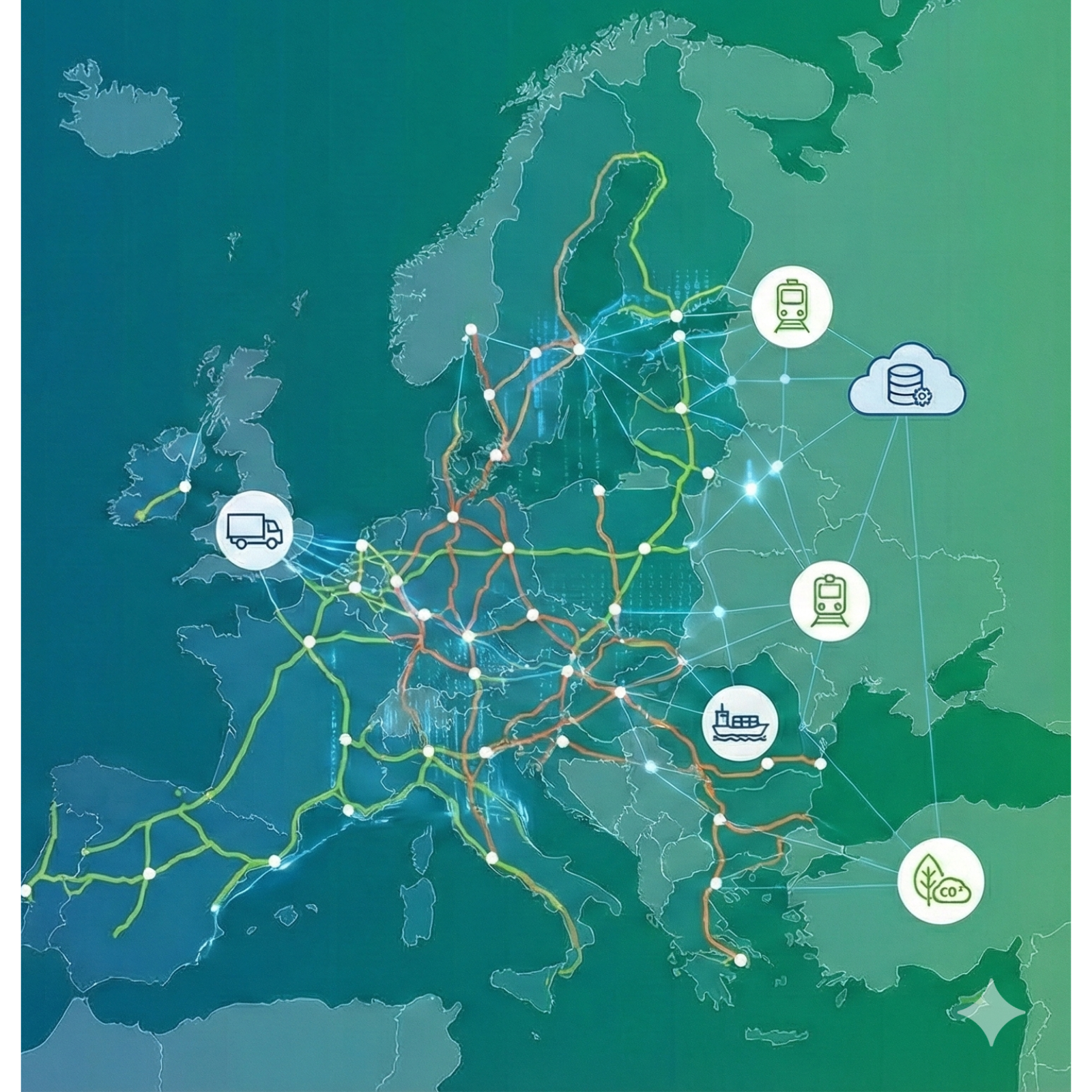
Sovereign infrastructure deployments accelerated across Europe and the Nordics, highlighted by the EuroHPC procurement of the MeluXina-Q semiconductor spin-qubit system and the establishment of the Swedish Centre for Quantum Technology. This new Swedish hub unifies major universities to prevent funding fragmentation and build upon the existing 25-qubit domestic superconducting roadmap.,,,,,,
Hardware modalities expanded with room-temperature and hybrid systems, as SAXON Q commercially deployed 100-qubit diamond NV-center processors capable of operating at the tactical edge without cryogenics. Simultaneously, the U.S. National Science Foundation funded "TangleLab," a new testbed for managing heterogeneous workloads within classical exascale environments.,,,
Post-quantum cryptography (PQC) moved from advisory to mandate following a 2026 Executive Order requiring all U.S. federal agencies and their private contractors to migrate to NIST standards by the end of 2030. The industry is now focused on the complex implementation of the bandwidth-efficient FN-DSA (FIPS 206) standard for IoT and network-constrained environments.,,,,
0:00-20:35