Skip to content
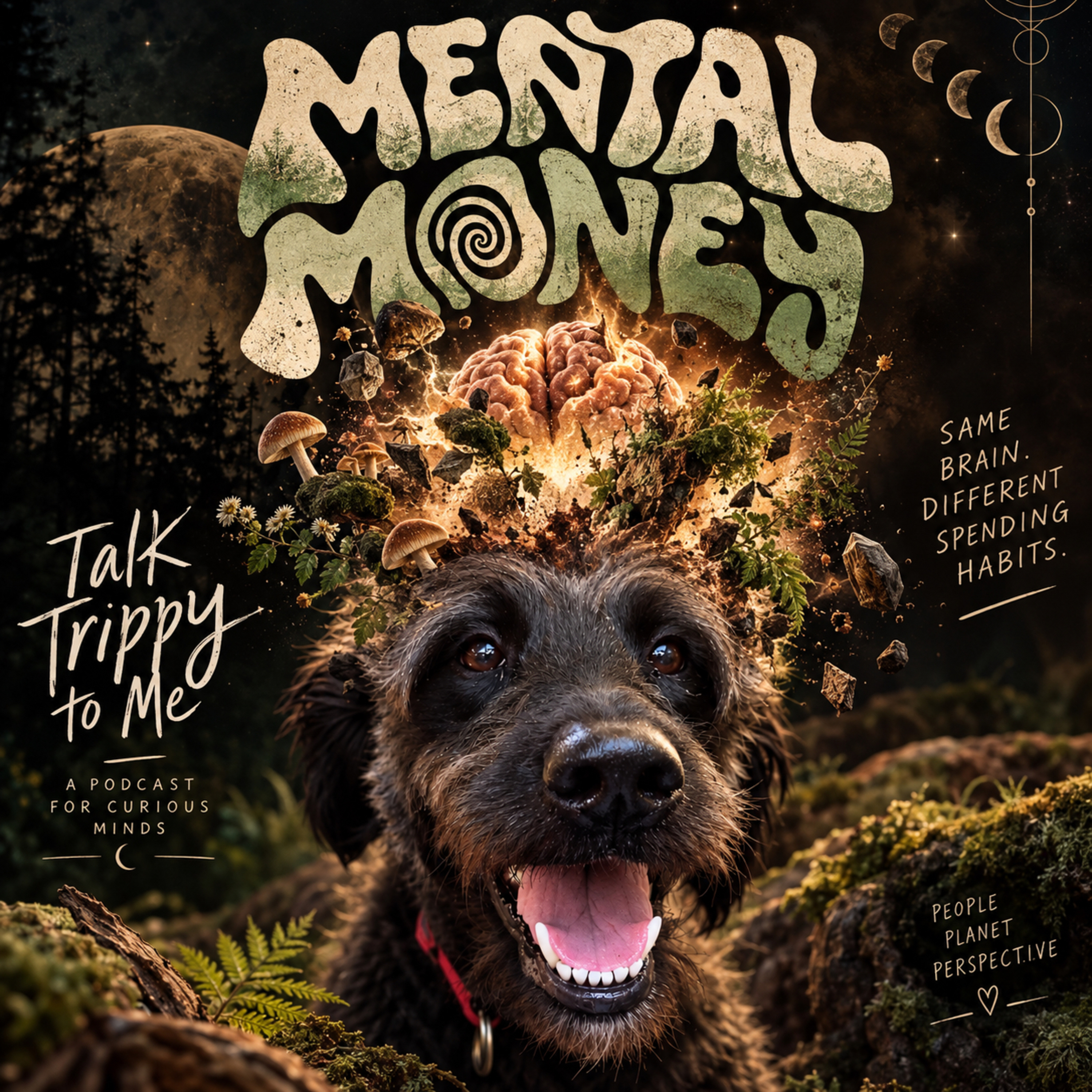
Artwork for Talk Trippy to Me
Talk Trippy to Me · September 17 · 1 hr 1 min

Money’s Mental Load

Why does spending $47 at Target feel like self-care, but checking your bank account feels like a personal attack? In this episode of Talk Trippy to Me, Hannah and Mykalise are getting into the messy relationship between money and your brain. We’re talking impulse spending, financial anxiety, avoidance, dopamine, scarcity mindset, lifestyle creep, and the deeply sophisticated financial strategy known as “I’ll deal with it later.” Turns out, being “bad with money” isn’t always about being irresponsible. Stress changes the way we make decisions, our brains LOVE immediate rewards, and sometimes buying something you absolutely did not need feels significantly easier than opening the credit card app. So no, we’re not here to yell at you about your $7 coffee. We’re digging into the psychology and neuroscience behind why we do weird shit with money, and how understanding your brain might actually help you make better financial decisions. Come for the behavioral economics. Stay because apparently your DoorDash order has a psychological backstory.

0:00-1:01:51

transcript

No transcript — this publisher did not publish one.

show notes

Why does spending $47 at Target feel like self-care, but checking your bank account feels like a personal attack?

In this episode of Talk Trippy to Me, Hannah and Mykalise are getting into the messy relationship between money and your brain.

We’re talking impulse spending, financial anxiety, avoidance, dopamine, scarcity mindset, lifestyle creep, and the deeply sophisticated financial strategy known as “I’ll deal with it later.”

Turns out, being “bad with money” isn’t always about being irresponsible. Stress changes the way we make decisions, our brains LOVE immediate rewards, and sometimes buying something you absolutely did not need feels significantly easier than opening the credit card app.

So no, we’re not here to yell at you about your $7 coffee.

We’re digging into the psychology and neuroscience behind why we do weird shit with money, and how understanding your brain might actually help you make better financial decisions.

Come for the behavioral economics. Stay because apparently your DoorDash order has a psychological backstory.