Skip to content
Artwork for Supply Chain Superintelligence
Supply Chain Superintelligence · Nov 21, 2025 · 31 min

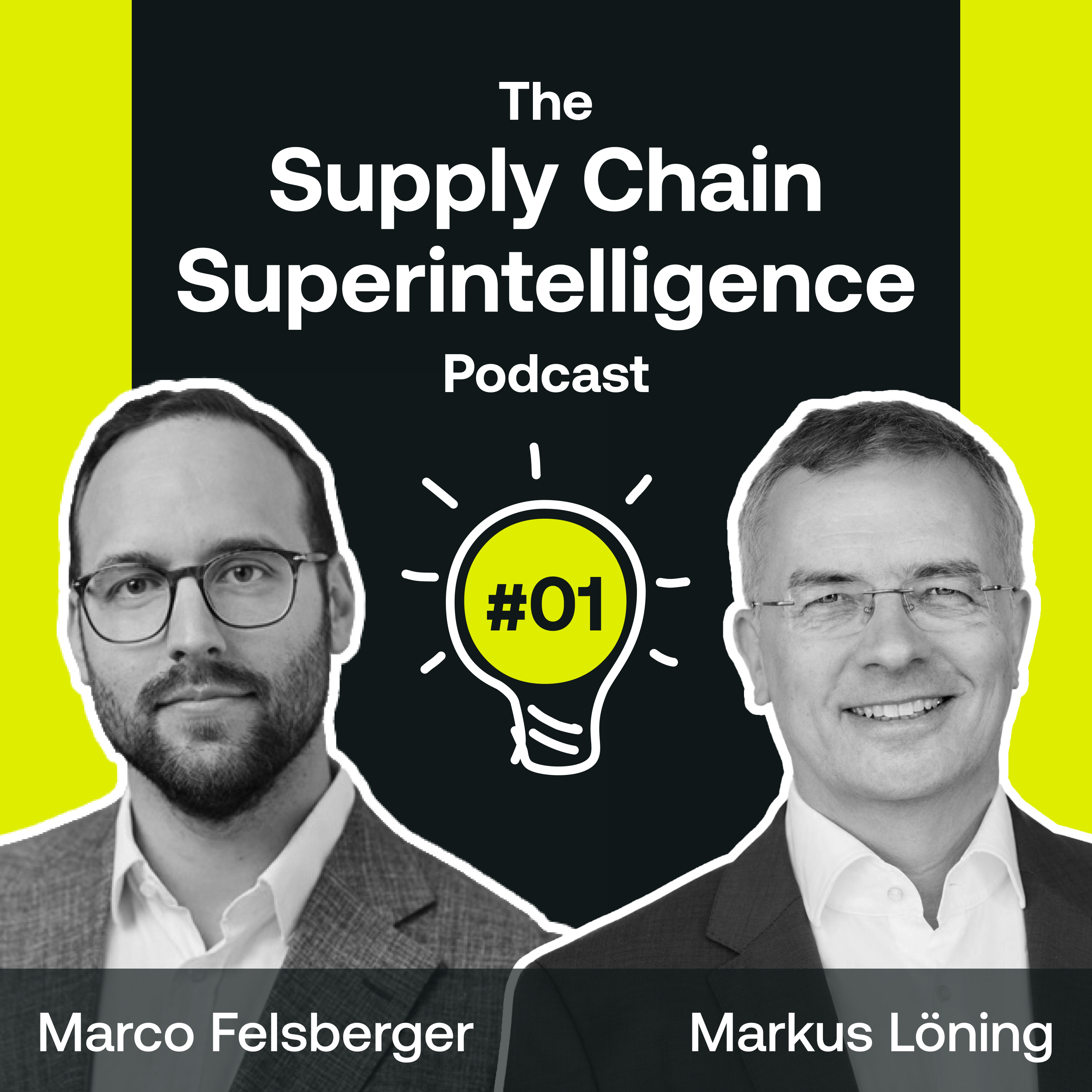
Episode #01: Exploring Forced Labour with Markus Löning

“Forced labour is at our door. Look at the hospitality sector in Europe. Look at agriculture. There are people in slave-like conditions” What do we do when the tech we use, the clothes we wear, and the cars we drive are made, in part, with coercion? In this powerful conversation, Markus Löning – leading legal expert on human rights and former politician – unpacks the realities of forced labour in today’s global value chains. He discusses why forced labour persists, how companies can identify risks, and what actionable steps organisations can take to protect both people and profits Key insights: Forced labour is not a historic problem: it’s embedded across modern supply chains Companies need risk-based due diligence, not just box-ticking compliance Technology, transparency, and early detection are essential to preventing crises About Markus Löning Markus Löning is a renowned human rights advocate, former Member of the German Bundestag, and founder of Löning – Human Rights & Responsible Business. With decades of experience advising global companies, he brings sharp insights into how organisations can take meaningful action against forced labour. About Marco Felsberger Marco Felsberger, Senior Advisor for Supply Chain Resilience at Prewave, is a risk and resilience specialist with over 15 years of experience helping organisations strengthen business continuity, crisis response, and supply chain security. He brings a sharp, systems-focused approach to building practical, effective resilience strategies. Resources & Links Learn more about Löning: https://loening.org/ Learn how Prewave is helping global companies identify forced labour in their supply chain: https://www.prewave.com/solutions/forced-labour Visit Prewave: https://www.prewave.com/ Don’t Miss Out Follow the Supply Chain Superintelligence podcast for more expert conversations on supply chain risk, sustainability, and responsible business.
0:00-31:36

transcript

No transcript — this publisher did not publish one.

show notes

“Forced labour is at our door. Look at the hospitality sector in Europe. Look at agriculture. There are people in slave-like conditions”

What do we do when the tech we use, the clothes we wear, and the cars we drive are made, in part, with coercion? 

In this powerful conversation, Markus Löning – leading legal expert on human rights and former politician – unpacks the realities of forced labour in today’s global value chains. He discusses why forced labour persists, how companies can identify risks, and what actionable steps organisations can take to protect both people and profits

Key insights:

  • Forced labour is not a historic problem: it’s embedded across modern supply chains

  • Companies need risk-based due diligence, not just box-ticking compliance

  • Technology, transparency, and early detection are essential to preventing crises

About Markus Löning

Markus Löning is a renowned human rights advocate, former Member of the German Bundestag, and founder of Löning – Human Rights & Responsible Business. With decades of experience advising global companies, he brings sharp insights into how organisations can take meaningful action against forced labour.

About Marco Felsberger 

Marco Felsberger, Senior Advisor for Supply Chain Resilience at Prewave, is a risk and resilience specialist with over 15 years of experience helping organisations strengthen business continuity, crisis response, and supply chain security. He brings a sharp, systems-focused approach to building practical, effective resilience strategies.

Resources & Links

Learn more about Löning: https://loening.org/ 

Learn how Prewave is helping global companies identify forced labour in their supply chain: https://www.prewave.com/solutions/forced-labour 

Visit Prewave: https://www.prewave.com/ 

Don’t Miss Out

Follow the Supply Chain Superintelligence podcast for more expert conversations on supply chain risk, sustainability, and responsible business.
links3