Skip to content
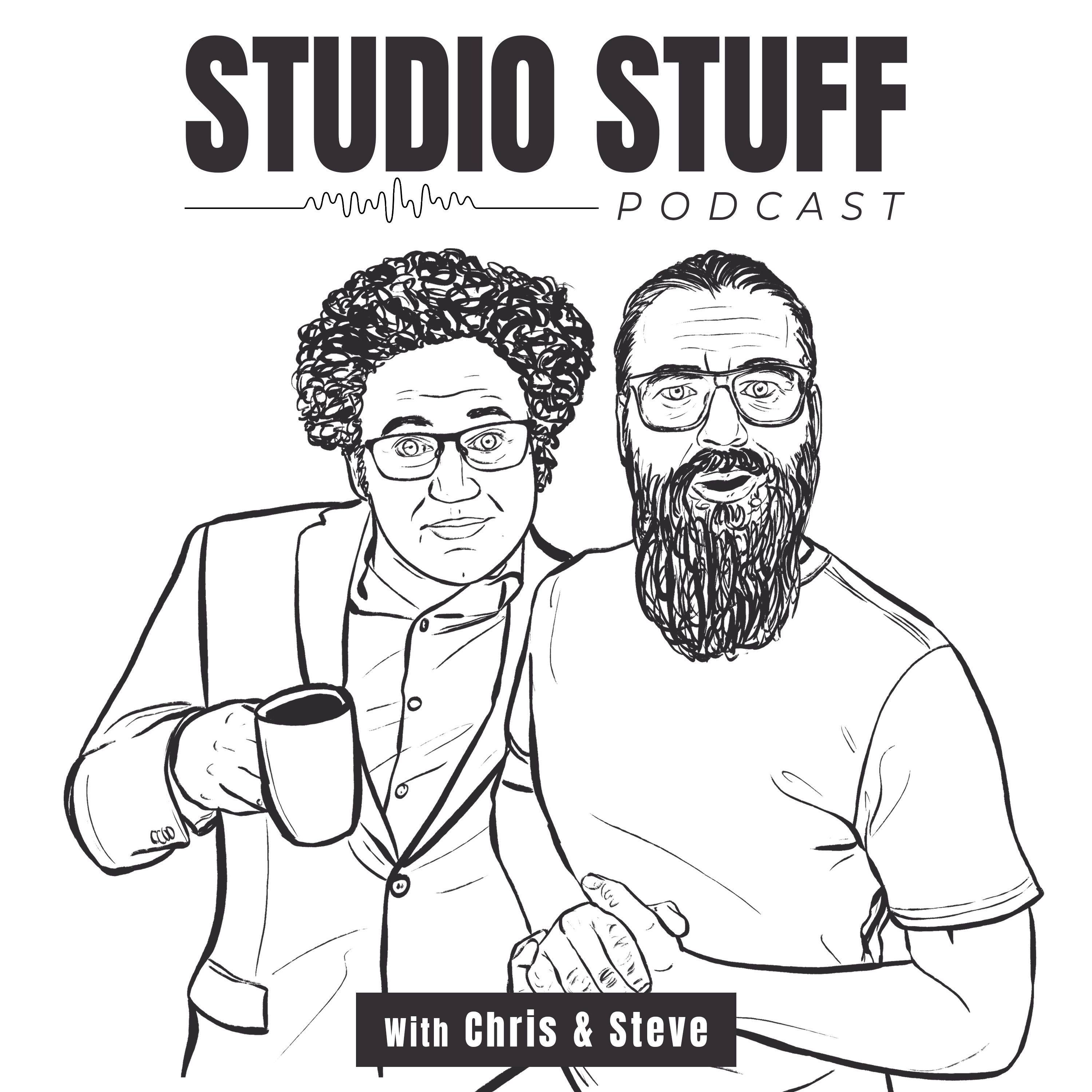
Artwork for Studio Stuff
Studio Stuff · January 23 · 25 min

Ep31 - Do Mixing Consoles Still Matter in 2026?

We started this episode the way all professional audio conversations begin… by accidentally starting a mini civil war at breakfast over hash browns. Then we pivot into two really solid listener questions: one about whether a mixer still matters in 2026 (and what it can actually do for you in a home studio), and another about amp sims, effects order, and proper gain staging when recording DI guitars. What We Dig Into Why a mixer can still be super useful today, even if you mix “in the box” The best modern use cases: tracking, monitoring, more inputs, zero-latency headphone mixes When it makes sense to use the mixer as your main interface Console reality check: does summing actually help, or is it just “try it and see”? Amp sim workflow 1: commit the sound while recording (like a real amp) Amp sim workflow 2: record clean DI first, then dial tones later (commitment-free) Gain staging basics for amp sims: hit the input sweet spot, then control output so you’re not cooking the channel Topics & Stories Chunky vs shredded hash browns: the debate nobody asked for, but everybody needed Pineapple on pizza: friendships were tested The “mint condition SSL” running joke (first owner, minimal kilometers, maybe some tears) Waffle House wisdom: “I used to could.” (Legendary.) Listener Q&A Richard (Barrie, Ontario): “Why is there never talk about the actual mixer? Is it just a conduit for ins and outs, or can it help during mixing? I just bought a Mackie… what can I take advantage of?” Callen: “I record DI guitar and use Amplitube / VST Amp Rack. Where should the amp sim go in the chain, and how do you reconcile that with gain staging?” Final Takeaway A mixer isn’t automatically “better” or “worse” than mixing in the DAW. It’s a tool. If it helps you track faster, monitor with zero latency, commit better sounds earlier, or simply makes the process feel better, it’s doing its job. Same with amp sims: hit the right level into the sim, keep your output sane, and choose whether you’re committing now or later. 👉 Got a question for us? 📩 Submit it here: Form Link We pull topics directly from your questions and YouTube comments. And if you’re digging the show, hit follow/subscribe and leave a quick review. It really helps more home studio folks find Studio Stuff.

0:00-25:06

transcript

No transcript — this publisher did not publish one.

show notes

We started this episode the way all professional audio conversations begin… by accidentally starting a mini civil war at breakfast over hash browns. Then we pivot into two really solid listener questions: one about whether a mixer still matters in 2026 (and what it can actually do for you in a home studio), and another about amp sims, effects order, and proper gain staging when recording DI guitars.


What We Dig Into

  • Why a mixer can still be super useful today, even if you mix “in the box”

  • The best modern use cases: tracking, monitoring, more inputs, zero-latency headphone mixes

  • When it makes sense to use the mixer as your main interface

  • Console reality check: does summing actually help, or is it just “try it and see”?

  • Amp sim workflow 1: commit the sound while recording (like a real amp)

  • Amp sim workflow 2: record clean DI first, then dial tones later (commitment-free)

  • Gain staging basics for amp sims: hit the input sweet spot, then control output so you’re not cooking the channel


Topics & Stories

  • Chunky vs shredded hash browns: the debate nobody asked for, but everybody needed

  • Pineapple on pizza: friendships were tested

  • The “mint condition SSL” running joke (first owner, minimal kilometers, maybe some tears)

  • Waffle House wisdom: “I used to could.” (Legendary.)


Listener Q&A

Richard (Barrie, Ontario):
“Why is there never talk about the actual mixer? Is it just a conduit for ins and outs, or can it help during mixing? I just bought a Mackie… what can I take advantage of?”

Callen:
“I record DI guitar and use Amplitube / VST Amp Rack. Where should the amp sim go in the chain, and how do you reconcile that with gain staging?”


Final Takeaway

A mixer isn’t automatically “better” or “worse” than mixing in the DAW. It’s a tool. If it helps you track faster, monitor with zero latency, commit better sounds earlier, or simply makes the process feel better, it’s doing its job. Same with amp sims: hit the right level into the sim, keep your output sane, and choose whether you’re committing now or later.


👉 Got a question for us?
📩 Submit it here: Form Link
We pull topics directly from your questions and YouTube comments.

And if you’re digging the show, hit follow/subscribe and leave a quick review.
It really helps more home studio folks find Studio Stuff.
links1