transcript
show notes
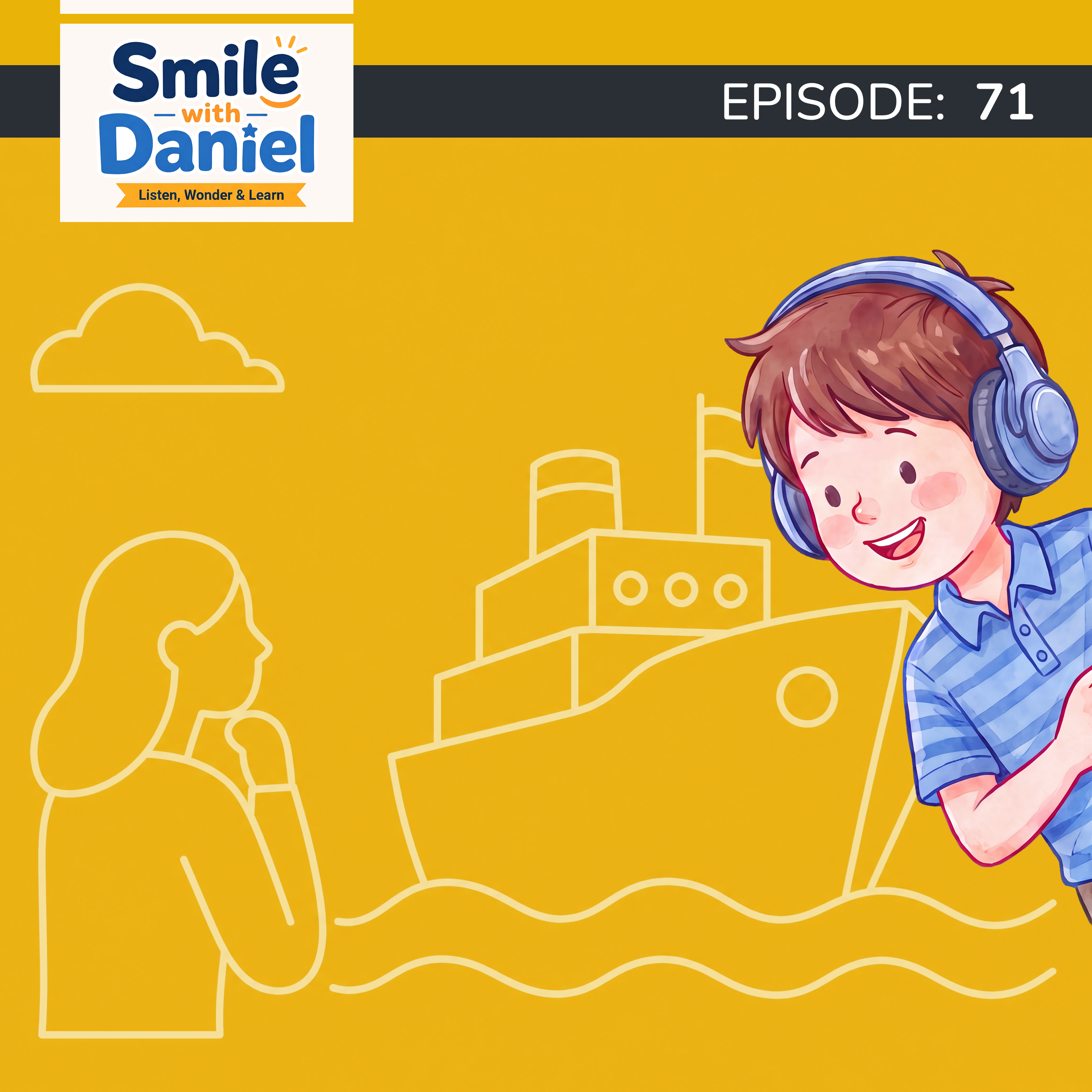
Daniel notices that ships are always called she -- her hull, her crew, she sailed.
He wants to know why.
The honest answer is that nobody knows for certain. But the clues that have survived are each interesting in their own way.
There is a theory from language. The Latin word for ship -- navis -- was feminine. But the Old English word for ship was actually neuter. So the Latin connection might be part of the story, but it does not completely explain why English sailors started using she.
There are theories from tradition. Ships were associated with goddesses, saints, and protective figures across many maritime cultures. Ships were often given women's names, carrying associations of protection, devotion, and home out to sea. Many old sailing ships had figureheads at the prow -- sometimes a woman, sometimes a god or an animal -- a carved guardian watching over the crew.
And then there is the explanation that may need no theory at all. Sailors spent months or years at sea. The ship was the thing keeping them alive. The thing carrying them home. You can understand why someone in that position might speak about their vessel almost like a companion instead of an object.
In 2002 Lloyd's List, one of the world's best-known maritime publications, announced it would stop referring to ships as she. Many style guides followed. The Royal Navy still uses she. Many sailors still do too.
What you will find in this episode:
- Why the Latin explanation is more complicated than it first appears
- The traditions connecting ships with protective figures and women's names
- The emotional bond between a sailor and their ship -- and why it matters to the pronoun
- The 2002 change -- and who kept the tradition anyway
- Daniel's closing lines about she sailed versus it sailed
- Mom's line about what language actually carries
Short, thoughtful, and the kind of episode that makes every ship you ever see feel slightly different.
Listen, wonder, and learn.
Find us @smilewithDaniel everywhere.