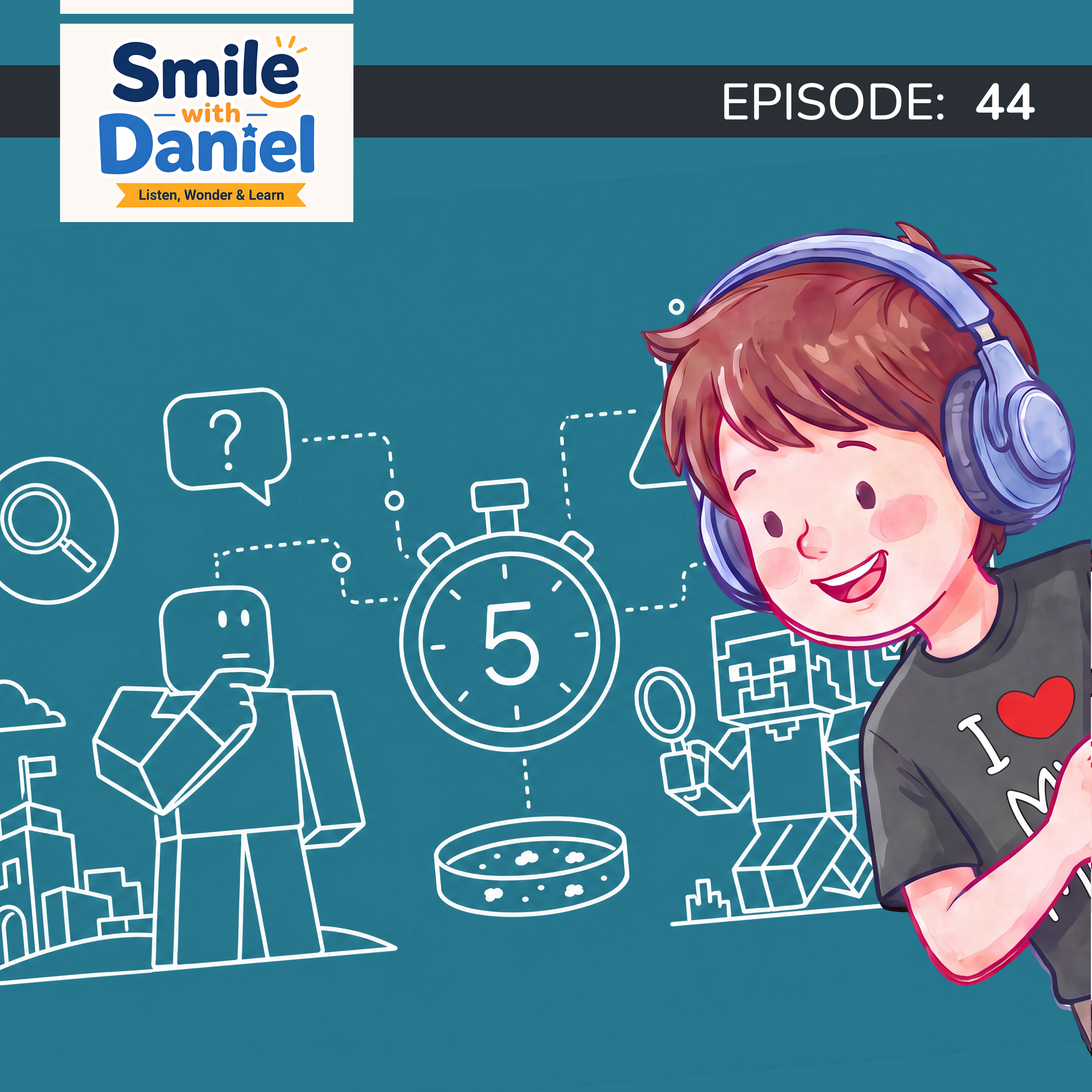
Everyone Knows the 5-Second Rule. Almost Nobody Checked
Streams straight from the publisher. podnod never proxies or re-hosts episode audio.
Daniel drops his fruit bar on the floor and picks it up.
He invokes the five-second rule.
Mom takes it away.
The five-second rule says that if you pick up dropped food fast enough, it is safe to eat -- because bacteria need time to transfer from the floor to your food. Get there in under five seconds and you win.
In 2016, a food scientist named Donald Schaffner at Rutgers University decided to actually test it. His team dropped food onto contaminated surfaces thousands of times, measuring bacterial transfer at different contact times. The findings were not good news for the rule.
Bacteria can transfer in less than one second. There is no safe window. The moment food touches a contaminated surface, transfer can begin. Time does matter -- longer contact means more bacteria -- but there is no point at which the food is guaranteed clean.
The five-second rule is not really a rule. It is a wish.
But here is where it gets more interesting. Contact time turns out to be the least important factor. What matters more is what was on that particular floor, what kind of food it is, and what surface it fell on.
The surface finding surprised almost everyone who heard it. Carpet -- which looks and feels dirtier than a hard floor -- actually transferred fewer bacteria to food than tile or stainless steel. Because moisture helps bacteria transfer between surfaces, and carpet fibers tend to hold bacteria rather than releasing them onto food. The smooth, hard floors that look clean transferred more.
The food matters just as much. Watermelon picked up the most bacteria of any food in the study. Gummy candy picked up the least. Wet and sticky foods create more contact and carry more bacteria along. Dry foods do not.
And bacteria does not automatically mean illness. Your immune system can usually handle small numbers of ordinary bacteria without you noticing. The real concern is when harmful bacteria happen to be present -- from raw meat, an uncleaned surface, or somewhere genuinely contaminated.
Daniel's summary of the fruit-bar-on-carpet-in-his-own-clean-kitchen rule is the funniest line in the episode. And the closing exchange -- after all of that -- is exactly right.
What you will find in this episode:
- What the five-second rule actually claims -- and why the science doesn't support it
- What the 2016 Rutgers study found about bacterial transfer
- Why contact time matters less than food type and surface type
- Why carpet transfers fewer bacteria than tile or stainless steel
- Why bacteria does not automatically mean illness
- Daniel's closing position on whether the fruit bar would have been fine
Short, funny, and the kind of episode that changes how you look at every floor you have ever eaten off.
Listen, wonder, and learn.
Find us @smilewithDaniel everywhere.
No links were found in this episode’s notes.