Skip to content
Artwork for Shugyo
Health & FitnessEducationSelf-Improvement

Shugyo

Adam Mitchell

Exploring the unique and profound methods, philosophy and culture found in the transformative practices of traditional martial arts. This podcast is hosted by Adam Mitchell, from the Yasuragi Dojo, a registered Non-Profit (501.c.3) organization, solely dedicated to providing the best information and training resources for those interested in the path of self-mastery and discipline.

Join us in conversation with some of today's most respected thought leaders who share their wisdom and experience, so that you can sharpen your own skills for living and appetite for disciplined training and adventurous living.

The Yasuragi Dojo has been teaching Kobudo and cultural programs for over 25 years in the heart of Hudson Valley, Please visit our Dojo website to learn how you can participate in our programs, classes or retreats.

Play
  • 18 episodes
  • Avg 43 min
  • English
  • Jul 7, 2025 · 24 min

    Stop Doing This, Hurting Students and Ruining Your Art

    The true heart of a martial arts school isn't found in the style it teaches or the trophies on its shelves, it's revealed in how instructors treat their students, especially the young and inexperienced. A teacher’s behavior on the mat speaks volumes about their character, training lineage, and commitment to the preservation of the art. And one of the clearest windows into this is how they demonstrate technique with those under their care. One of the easiest ways to determine the skill and integrity of a martial arts instructor is to observe how they teach and demonstrate techniques on younger or less experienced students. This is a revealing moment, an opportunity to look into the heart of who they are and how their dojo truly operates. When a teacher moves slowly and rhythmically, explaining technique with both words and controlled body movement, while ensuring their partner remains safe - that’s good leadership. It’s a sign of maturity, skill, and responsibility. On the other hand, when an instructor uses a slow, compliant attack as an excuse to explode with unreasonable speed and power, risking injury just to impress the crowd, it reveals something far less admirable. Especially when they follow it with a glance around the room, fishing for smiles or laughter. That’s not teaching. That’s performance rooted in ego. And if you want your martial art to be taken seriously, if you want it to grow and serve future generations - this kind of amateur, dangerous behavior must stop. Fortunately, traditional martial arts across the world come with generations of wisdom, documentation, and resources to draw from. But it takes discipline to access that depth. And discipline is exactly what’s missing when anyone can call themselves a “master,” fake their form, and rely on overly compliant uke and theatrical demonstrations. It all leads to the same destination: a student getting hurt. If you’re a student who has witnessed this kind of recklessness, take this as a serious warning, leave that dojo. It’s a clear sign your instructor was poorly trained, lacks control, and is willing to put your safety at risk for their own gratification. Someone will get hurt ... maybe you. And if you’re an instructor of Budo and this is how you were taught, believing that beating your students for a response from the crowd is the way forward, then I urge you: read the science. Understand sundome (the control and restraint at the heart of true technique). Bring your teaching into a space where students can grow, where the dignity of the art is preserved, and where mastery is measured by how well we protect - not punish - those who trust us.
  • Feb 8, 2025 · 24 min

    Wild in the Mountains, A Perspective on Kyoketsu Shoge

    Welcome to this episode of the Shugyo Podcast. This episode is my own perspective on the unique tool found in the traditions of Togakure Ryu, known as the Kyoketsu Shoge. This sickle, rope and ring has been the hallmark of the modern 'ninja', finding it's way on toys, cartoons and countless hours of discussion, yet almost no demonstration of it's use. In this episode, along with it's supplemental video found on our blog, I breakdown much of what I see as myth, drawn from the old work of Hatsumi Soke and twisted into the black cloaked ninja in smoke clouded mystery. My perspective is, it's much more simple and needs to be understood as that. I hope you enjoy this episode of the Shugyo podcast, please be sure to leave a comment and subscribe to this channel.

  • Jan 1, 2025 · 26 min

    Thanking The Dragon, 2024 Wrap Up and What's to Come

    As we bid farewell to 2024, Yasuragi Dojo wants to extend our gratitude and share some of the incredible milestones and new program developments from the past year. Plus, we're excited to give you a sneak peek into what's in store for 2025. 2024 Highlights: Student Achievements: We're thrilled to have welcomed three dedicated students to the Jinenkan Shodan level, after years of consistent training. Congratulations to all of you. Unforgettable Japan Trips: This year, two student trips to Japan allowed us to immerse ourselves in the rich culture and learn from Manaka Sensei. Program Successes: We completed the first two scrolls of Takagi Yoshin Ryu Jutaijutsu and delved deep into Jinen Ryu Tanto Jutsu, offering rich educational experiences. Global Reach Online: Over 190 classes streamed live to students from 26 countries, plus six free seminars helping fellow budo-ka worldwide. International Events: Our seminars in Mexico and New York brought together practitioners from around North America to train and learn Manaka Sensei's teachings. Digital Expansion The launch of our mobile app makes it easier than ever to access courses and connect with our community. Our YouTube channel also saw tremendous growth with over 1,000 new subscribers 125,000 lessons watched. Looking Ahead to 2025: Cultural Immersion Trip: We're planning a Japan trip focusing on judo training in Otsu, Kyoto and Tokyo – details coming soon! Curriculum Books: Lookout for our comprehensive curriculum books, including a public manual on Jissen Kobudo techniques and an exclusive student manual. Facility Upgrades: Fundraising in 2025 will focus on enhancing our dojo with new flooring, improved lighting, and better media setup for extraordinary online and in-person budo training experiences. Podcast & YouTube Content: Expect more in-depth episodes of the Shugyo podcast and engaging content on our YouTube channel, focusing on integrating Budo values into daily life. From all of us at Yasuragi Dojo, thank you for your continued support and dedication. We are grateful to have such a vibrant and passionate community of hard training students and are eager to embark on the journey of 2025 with you. Stay tuned for more updates and exciting announcements by subscribing to our channels and downloading our mobile app! Wishing you a prosperous and enriching new year, Adam Mitchell, Yasuragi Dojo P.S. Don't hesitate to reach out if you have any questions, feedback, or just to say hello! We love hearing from you. Subscribe on iTunes Subscribe on Spotify Visit our website: Yasuragi Dojo

  • Oct 9, 2024 · 36 min

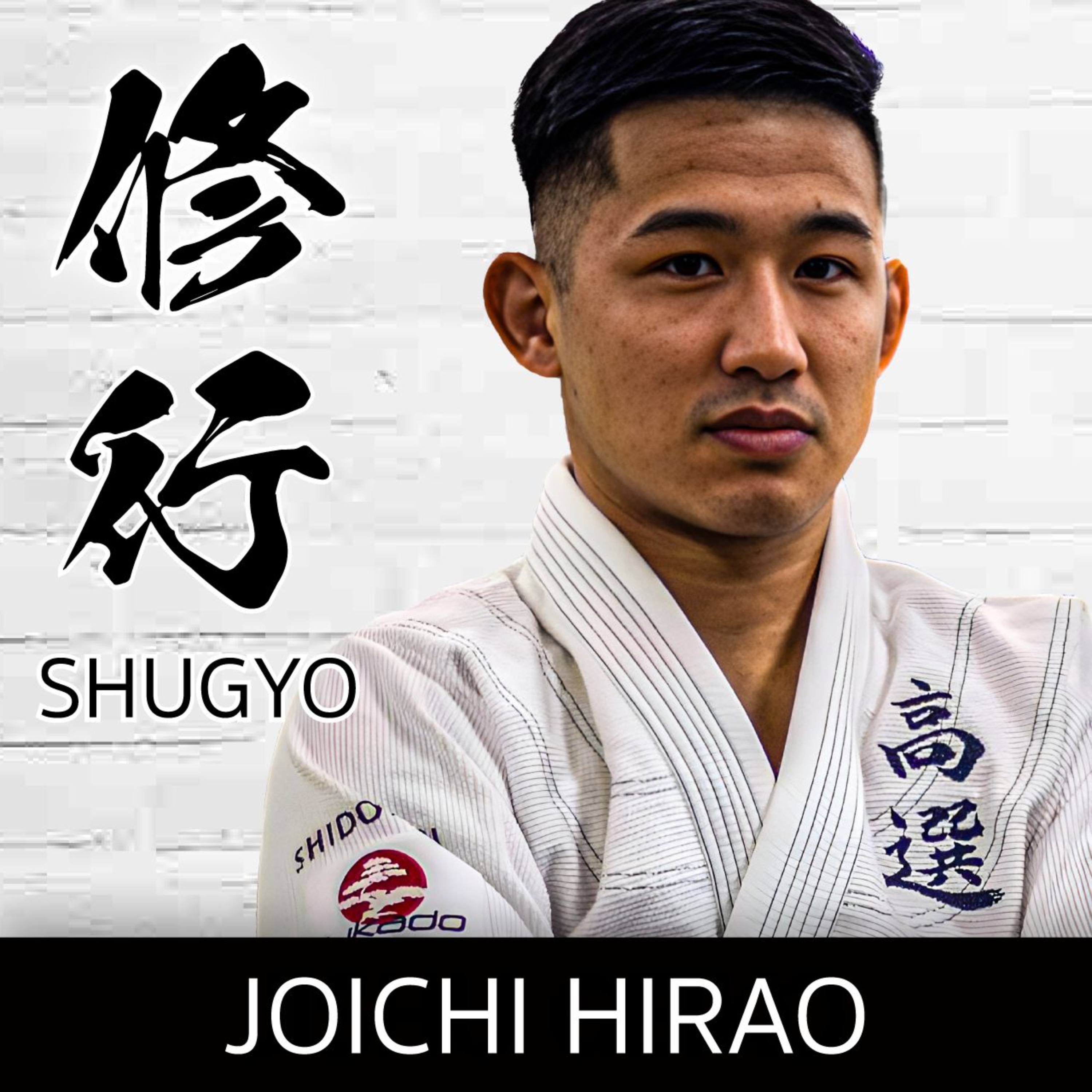
    Preserving Kosen Judo, with Joichi Hirao Sensei

    Keeping the history, truth and training of old school Judo alive. I am thrilled to have the esteemed Joichi Hirao Sensei joining me in this episode of Shugyo. Joichi Sensei is a seasoned practitioner and instructor with a rich legacy in Judo, and specifically within the specialty of Kosen Judo. From his childhood beginnings under the tutelage of renowned judo master Yoji Kurimura, 8th Dan, to winning International Championship titles (winning the EU Open, Lisbon 2014) to building an innovative approach in preserving traditional techniques through the Gatame Kosen Judo program, Hirao Sensei brings a wealth of knowledge and unique experience. We talk a lot about the 'old school judo', and how Joichi Sensei is committed to not letting it fade into history. We'll explore the myths, nuances and methodologies within Kosen Judo, the role of physical conditioning in his approach to judo, and discuss how Hirao Sensei's international experiences have shaped his unique teaching philosophy. Whether you're an instructor seeking to enrich your curriculum or an aspiring martial artist aiming to hone your skills, this episode is packed with valuable insights to elevate your understanding Judo history, practice and it's preservation into the future. Connect with Joichi Hiaro Sensei: WEB: https://www.kosenjudoonline.com/ INSTAGRAM: gatame.judo.japan YOUTUBE: @gatamejudo

  • Aug 13, 2024 · 59 min

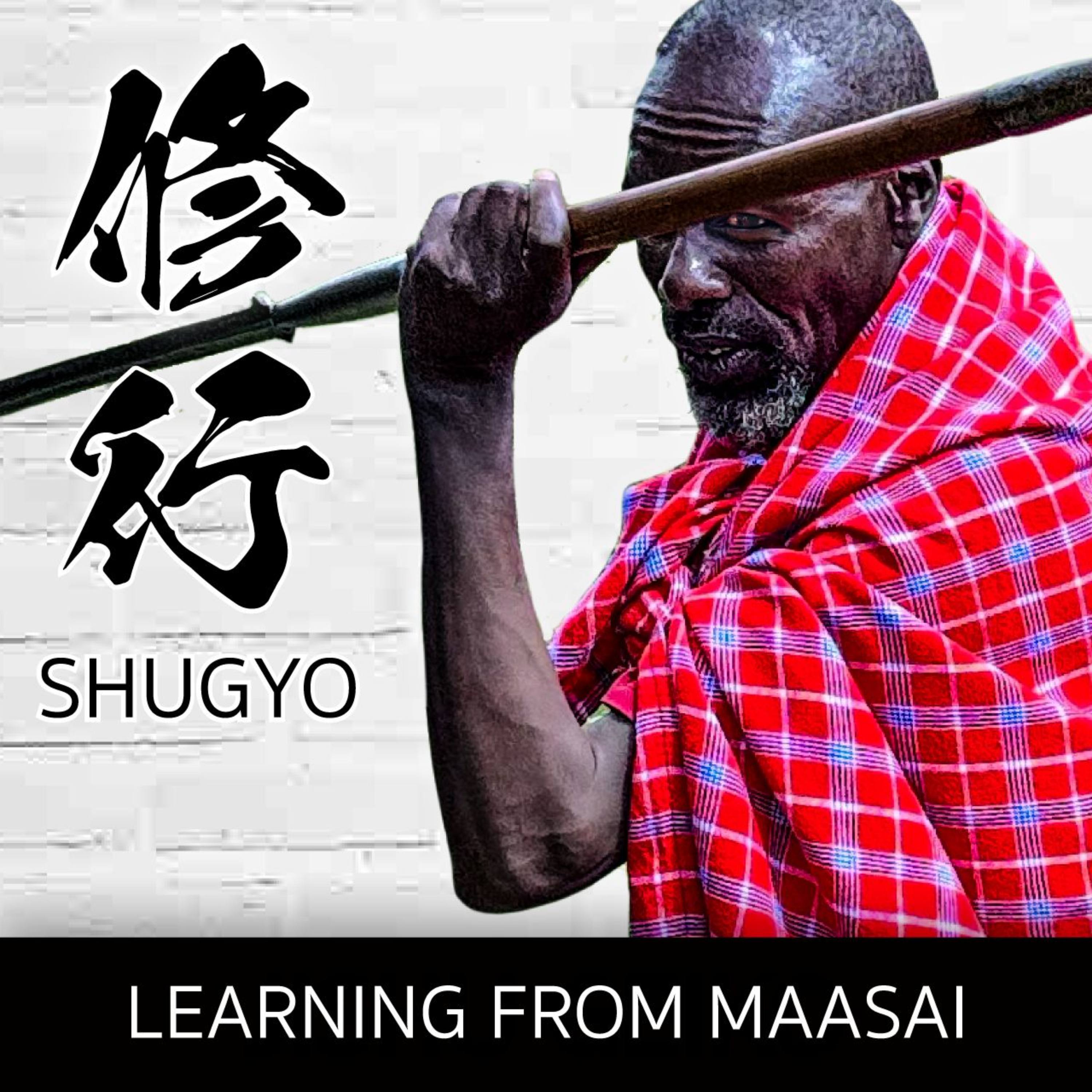
    Learning From Maasai, Spear Fighting the Elder Warrior

    In today's episode, we'll delve into the captivating journey of I took into the heart of Kenya to immerse myself in the ways of the Maasai tribe. My purpose for being in Kenya, was to travel throughout the most poverty stricken areas to document the work the organization I work for has done, meanwhile connecting with the people and learning about the diverse cultures within this amazing country. During this time, my son and I were welcomed into a Maasai family, and they were honored to share with me something I've always wanted to learn, the Maasai spear, and their methods of fighting with it. From traditional Maasai weapons and techniques to the profound kindness and warmth of the Kenyan people, my experience offered a unique perspective on ancient practices and the resilience of communities facing socio-economic and hardened tribal challenges. Join me as I share the lessons learned from the Maasai, the significance of cultural exchange, and the spirit of gratitude in the face of darkness and adversity. Thank you for visiting and supporting our work at the Yasuragi Dojo. If you enjoyed this episode, please continue to support by subscribing to our podcast. If you are interested in stepping further into our work, below are links to help you better understand the Yasuragi Dojo and opportunities that may help in your path in Kobudo study. Once again, thank you for spending time here ~ Adam OUR DOJO: https://yasuragidojo.com

  • Jul 30, 2024 · 1 hr 29 min

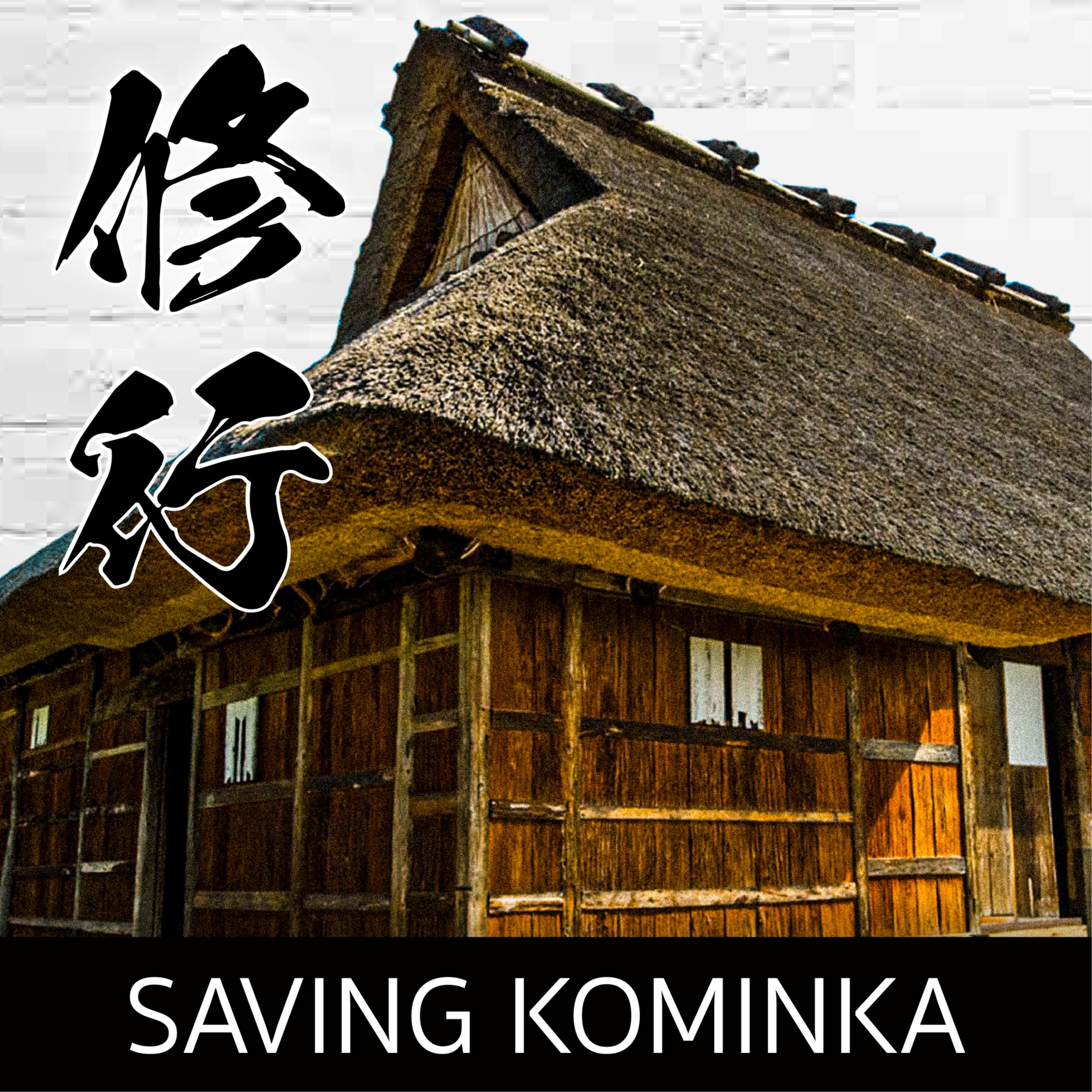
    Saving Kominka, The Endangered Folk Houses

    There are 800,000 traditional buildings in Japan, some hundreds of years old, and the are abandon and being torn down at 10% each year. These incredible structures, forgotten representations of Japan's deep connection to master craftsmanship, will be gone within 10 years. But not according to our guests, Kunito Niwa and Andrea Carlson, from the Kominka Collective. Int his episode, you will learn about: The rich heritage of Kominka and the revival of traditional Japanese building methods through the incredible work of the Kominka Collective. The challenges and triumphs of salvaging, preserving, and repurposing materials from old Japanese structures. Keeping the spirit of Kominka alive in North America. Here are the key takeaways from our conversation: 🔸 The Art of Salvaging: The process of disassembling old buildings not only involves preserving the beams and structure frames but also unearthing hidden treasures like historical artifacts and notes by long-ago carpenters, showcasing the rich history and craftsmanship of Kominka. 🔸 Engaging in Cross-Cultural Collaboration: The collaboration between skilled individuals in North America and the Kominka Collective provides opportunities to learn and participate in traditional Japanese building methods, fostering a global community dedicated to preserving and promoting this invaluable heritage. As martial artists dedicated to the traditional Japanese Kobudo disciplines, our appreciation for preserving cultural elements and heritage is paramount. Let's continue the dialogue and work together to honor and perpetuate the legacy of Kominka for generations to come. If you are interested in the preservation of traditional Japanese architecture and craftsmanship, we welcome you to contact the Kominka Collective through the details below: Website: The Kominka Collective, Facebook North American Office TEL (1)-541-398-1088 68600 Warnock Rd, Lostine, OR 97857 contact@kominkacollective.com Japan Office TEL (81)-080-7234-8245 3-20-4 Asahidai, Owariasahi, Aichi, Japan 488-0001

  • Jun 4, 2024 · 21 min

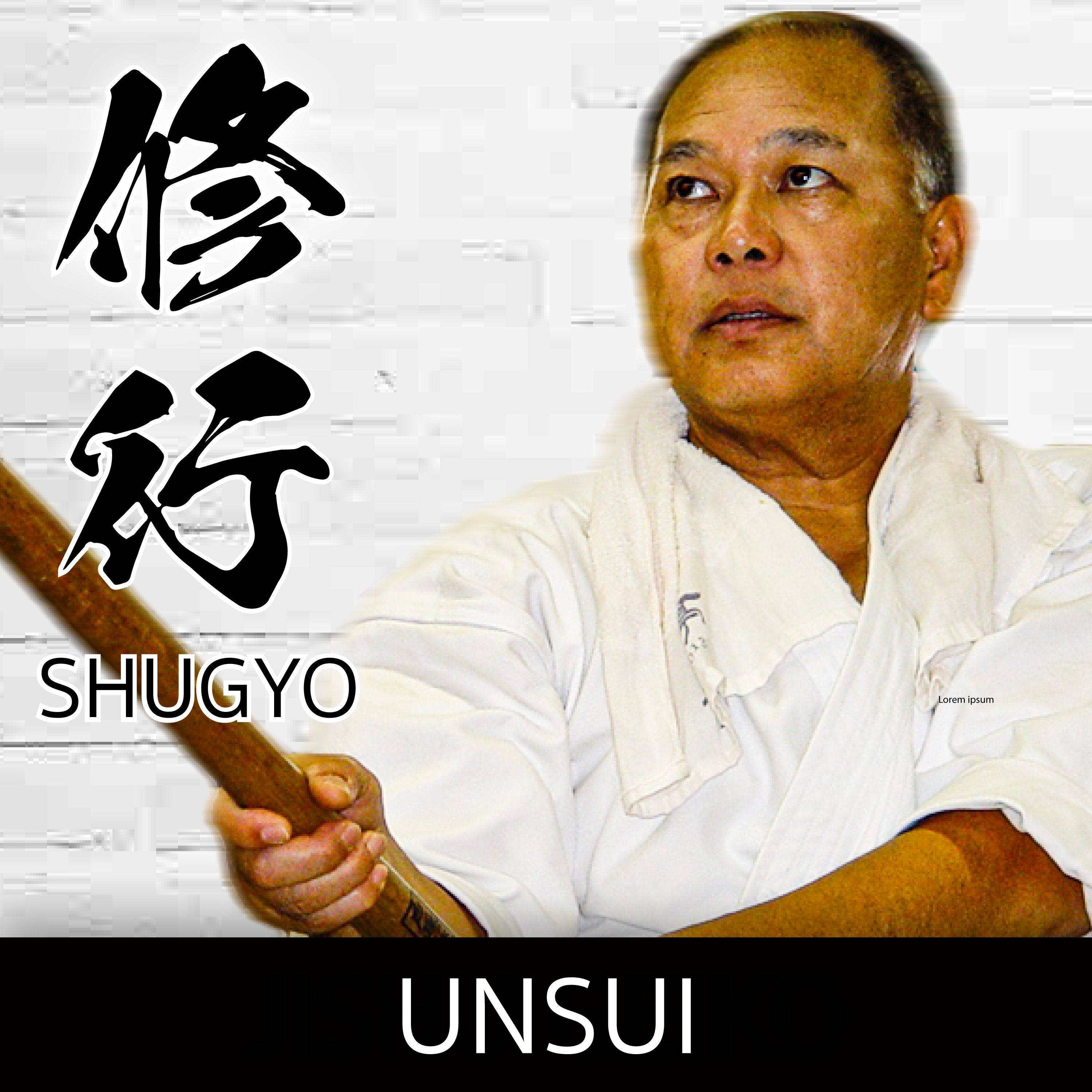
    Kobudo Going Forward, with Manaka Unsui

    This episode was recorded at the Shunpukan Dojo, in Noda-shi, following a week of training with Unsui Sensei. He sat us down to discuss how we should approach our study of traditional Japanese martial arts into the future. In this conversation, he highlights the importance of preserving the original Japanese mindset and the impact of technology on the human condition and the martial arts. Sensei emphasizes the need to return to a natural, primitive state for training, allowing martial artists to discover their potential and find balance. What you'll take away from this episode: 1. Understanding the Original Mindset: Sensei emphasized the importance of understanding the original way of the Japanese mindset prior to World War 2 and how much of Bushido was implemented in their study. How can we maintain this mindset and apply it to our training today? 2. Embracing Nature and Tradition: Sensei discussed the impact of technology on our lives and the importance of aligning with nature. As we become more reliant on technology, maintaining our connection with nature and tradition will be crucial in our pursuit of both self and martial mastery. 3. Return to the Primitive Self: Sensei's message encourages us to step away from the constant input of technology and revert to our natural state. Whether it's through rigorous training, spending time in nature, or disconnecting from modern distractions, rediscovering our primitive selves is essential for personal growth and martial arts development. ABOUT MANAKA UNSUI Fumio Manaka Sensei, who also goes by the martial name “Unsui”, has 70 years of experience in the Japanese arts of kobudo, having started training at the age of 14 as the first student of Masaaki Hatsumi Sensei. Unsui Sensei holds certificates of mastery (menkyo kaiden) in several martial schools and has formal training in many others. In 1996, Unsui Sensei founded the Jissen Kobudo Jinenkan. For many years Unsui Sensei made regular trips to the United States and Europe to conduct training seminars and to directly instruct his students. From April 2001 to May 2004 Manaka Sensei lived and trained in Baltimore, Maryland. His goal in this move from Japan was to allow martial artists in the United States and Europe easier access to him and to raise the level of training in these areas. With his goals achieved, he returned to Japan in June 2004 and now teaches from his hometown of Noda, Japan. Thank you for visiting and supporting my work in preserving the Traditional Japanese Martial Arts of Jissen Kobudo at the Yasuragi Dojo. If you enjoyed this video, please continue to support by subscribing to our YouTube channel. If you are interested in stepping further into my work, below are links to help you better understand the Yasuragi Dojo and opportunities that may help in your path in Kobudo study. Once again, thank you for spending time here ~ Adam OUR DOJO: https://yasuragidojo.com JOIN OUR DOJO: https://yasuragidojo.com/join FREE TRAINING RESOURCES: Fundamental Taijutsu: https://yasuragidojo.com/taijutsu-fun... Podcast: https://yasuragidojo.com/podcast MORE ABOUT THE YASURAGI DOJO The Yasuragi Dojo is a school of Traditional Japanese Martial Arts, teaching the traditions of our teacher, Manaka Unsui and the International Jinenkan organization. Our Dojo preserves the arts of Ninpo, Jujutsu, Kenjutsu and Classical Weaponry. Collectively, our art is called Jissen Kobudo.

  • May 14, 2024 · 1 hr 9 min

    Finding The Dao in Violence, with Jack Schaefer

    Today we sit down with Taoist Priest, Chinese Medicine practitioner and martial artist, Dr. Jack Schaefer as we delve into the heart of “dao” and it's ignored or misunderstood ... yet transformative power within the context of traditional martial arts. Join us as we navigate the challenges encountered by Western seekers delving into the profound teachings of Daoism, it's purpose within both modern and classical martial arts, while unraveling ethical precepts, cultural intricacies, and the art of compassionate living. We will lead to an understanding that martial arts are not merely a means of self-improvement but can also be studied as a conduit for serving others, where non-duality and discipline intertwine to sculpt individuals of resilience and empathy. KEY TAKEAWAYS WITH DR. JACK SCHAEFER: The Essence of “Dao” in Martial Arts: Central to the discussion is the concept of “Dao / Do” in martial arts, highlighting the vital role of personal commitment and dedication in mastering these disciplines. This ethos underlines the transformative power of martial arts beyond physical prowess. Unlocking Self-Mastery with “Dao”: Insights from Dr. Jack Schaefer shed light on the significance of “dao” in traditional arts, particularly for Western audiences seeking self-mastery and spiritual growth. The narrative emphasizes the transformative potential of martial arts for fostering self-discipline and inner evolution. Navigating Challenges in Daoism and the Violence of Martial Arts: We explore the complexities faced by Western practitioners studying Chinese Daoism, emphasizing ethical principles, cultural nuances, and compassionate living as integral components of the martial arts path. The Path of Self-Improvement and Service: Martial arts are portrayed as a transformative avenue for personal growth and service to others, emphasizing non-duality, discipline, and the delicate balance between competitiveness and holistic well-being. Parting Clouds’ Commitment to Authentic Daoism: A dedication to imparting genuine Daoist teachings to Western audiences through structured programs, online studies, and immersive retreats focused on philosophy, meditation, and historical insights. CONNECT WITH DR. JACK SCHAEFER Parting Clouds Daoist Education Email: partingthecloudsdaoisted@gmail.com Facebook ABOUT DR. JACK SCHAEFER I am a life long practitioner of asian martial and has spent decades in the study and practice of Chinese medicine and Daoism. I am an ordained Daoist priest and co-founder of Parting Clouds Daoist Education. We are a recognized Daoist temple organization located in the US with students in the US, Canada, France, England, Russia, Mexico, Australia, and Scotland. We aim to bring authentic Daoist teachings to the western word. Thank you for visiting and supporting my work in preserving the Traditional Japanese Martial Arts of Jissen Kobudo at the Yasuragi Dojo. If you enjoyed this video, please continue to support by subscribing to our YouTube channel. If you are interested in stepping further into my work, below are links to help you better understand the Yasuragi Dojo and opportunities that may help in your path in Kobudo study. Once again, thank you for spending time here ~ Adam OUR DOJO: https://yasuragidojo.com JOIN OUR DOJO: https://yasuragidojo.com/join FREE TRAINING RESOURCES: Fundamental Taijutsu: https://yasuragidojo.com/taijutsu-fun... Podcast: https://yasuragidojo.com/podcast MORE ABOUT THE YASURAGI DOJO The Yasuragi Dojo is a school of Traditional Japanese Martial Arts, teaching the traditions of our teacher, Manaka Unsui and the International Jinenkan organization. Our Dojo preserves the arts of Ninpo, Jujutsu, Kenjutsu and Classical Weaponry. Collectively, our art is called Jissen Kobudo.

  • May 10, 2024 · 34 min

    Stealing from the Mongolian Tiger

    Have we been lied to? Or, are the truths very hard to reach within the Takamatsu-den, available to those willing to go deep, traversing the depths of a discipline, enduring the physical and emotional demands needed to actually 'get it' only to arrive at new beginnings, over and over again? Is 'play' a decoy? Meanwhile, jesters and charlatans splash about in puddles of mastery with cool names like kyoshi or renshi, literaly wearing capes and hoods of the mystics, telling tales to western students of far-off lands they've journied to and stories of sages they've learned from. In this reflection I pose the question to leaders and instructors, are you faking it for reasons of ego and vanity, or are you actually going after the Bu-do as a student, relentless in your pursuit of basics, with humility and the willingness to get tapped out as your north star? Are you trying to capture the gokui with each root form, or are you more concerned with conversion rates and click throughs on your video stats? In this episode I encourage self reflection; are we contributing to the degradation of our Kobudo due to inaccurate representations online? Or, as leaders, do we correctly emphasize the importance of discipline, fitness, bio-mechanics and historical appreciation of our craft? This is solely a conversation between you and you. I hope something is gained in this conversation, some value and thought are carried forward; if only for one person. Please enjoy and consider.

  • May 7, 2024 · 1 hr 2 min

    Death and Rebirth of the Bu Jin, with Sean Askew

    Episode 9: A dialogue on the Togakure Ryu, myth, fact the future of a Hidden Lineage Join me in conversation with Sean Askew, Author of Hidden Lineage, founder of the Bujinkan Kokusai Renkoumyo and a personal student of Hatsumi Soke. Sean was one of the inspirations in my own training, having travelled to his seminars in the early 2000s and experiencing his small community who trained hard, regularly sparred and offered a genuine and authentic experience. His openness and willingness to roll with anyone was a refreshing break from the timid, often-times cultish experience I found in other black keiko-gi filled Dojo. Sean wore a white Judo Gi. It's been two and a half decades since we spoke, sharing the same influences in our Budo and many overlaps in life itself, I am proud to share our conversation about the topics of Ninjutsu, the myths, facts, research and the ongoing efforts to preserve and authenticate traditional Nin-po and Japanese Kobudo. Aside from the valuable historical knowledge he shares, most important is his unique message he shares, challenging us all to shift our perspective toward training and acceptance; and how everything must die once, and be reborn again. CONNECT WITH SEAN: Bujinkan Kokusai Renkoumyo Hidden Lineage: The Ninja of the Toda Clan https://amzn.to/3yagkYQ Email: bkrbudo@bkrbudo.com ABOUT SEAN ASKEW Sean Askew (15th Dan Bujinkan, Kosen Judo 3rd Dan) lived in Japan for 15 years, regularly training under Hatsumi Soke and several of the Japanese Bujinkan senior ranking Shihan. He graduated from Sophia University (上智大学) in Tokyo with a degree in Japanese Studies, and minored in Japanese Religions. His martial arts background includes Bujinkan Budo Taijutsu, Kosen Judo, Kodokan Judo, MMA and shootfighting. Sean teaches from his Bujinkan Kokusai Renkoumyo syllabus, a system approved by Hatsumi Soke and Noguchi Shihan in 2001 and has black belt students in various countries throughout the world. Sean currently resides in Novi Michigan where he is a Global Purchasing Buyer in the automotive production industry. He travels to Japan several times a year to continue his training and to provide guidance and support to his students who travel there.

  • Apr 16, 2024 · 48 min

    Jishu Geiko, A Guide to Solo Kobudo Training

    In this episode, we go deep into the concept of “Jishu Geiko” 自主稽古 or independent practice in martial arts, emphasizing the transformative effects of solo training on physical, emotional, and mental well-being. This reflection underscores the significance of establishing stable routines, incorporating meditation practices, and controlling all aspects of oneself for optimal performance. Access the free Jishu Geiko worksheet mentioned in this episode: https://www.yasuragidojo.com/blog/jishu-geiko Key takeaways include: The importance of solo training in enhancing fitness routines and mastering specific techniques daily. Maintaining a purposeful workout routine to foster growth and development. Emphasizing the value of journaling progress, utilizing specific tools, and keeping a notebook for enhanced learning and mental recall. Moreover, we explore the power of visualization techniques in mental preparation for activities ranging from martial arts training to weightlifting and chess. Through examples of successful individuals, we witness the profound impact of visualization on physical outcomes and skill development. Additional highlights include: Understanding the role of solo 'kaso teki' and partnered training in enhancing visualization and technique improvement. Discussing the significance of consistent commitment, mindset training, and proper form for effective progress in martial arts. The benefits of aligning solo practice routines with personal goals, incorporating visualization techniques, and focusing on body mechanics for positive life changes. If you are interested in stepping further into my work, below are links to help you better understand the Yasuragi Dojo and opportunities that may help in your path in Kobudo study. Once again, thank you for spending time here ~ Adam OUR DOJO: https://yasuragidojo.com JOIN OUR DOJO: https://yasuragidojo.com/join FREE TRAINING RESOURCES: Fundamental Taijutsu: https://yasuragidojo.com/taijutsu-fun... Podcast: https://yasuragidojo.com/podcast Dojo Newsletter: https://yasuragidojo.com/newsletter MORE ABOUT THE YASURAGI DOJO The Yasuragi Dojo is a school of Traditional Japanese Martial Arts, teaching the traditions of our teacher, Manaka Unsui and the International Jinenkan organization. Our Dojo preserves the arts of Ninpo, Jujutsu, Kenjutsu and Classical Weaponry. Collectively, our art is called Jissen Kobudo. We have proudly served the Hudson Valley of New York since 1998, with our Dojo located in the hamlet of Mahopac. Our Dojo has served our global community of students and training groups through our online programs since 2007. If you are interested in joining our Dojo, please inquire directly for information. About The Jinenkan: Developed by Lieutenant Colonel Fumio Manaka, the international Jinenkan organization is a complete martial art system characterized by it’s traditions of authentic Kobudō, the classical fighting forms of Japan’s Samurai.

  • Apr 9, 2024 · 1 hr 14 min

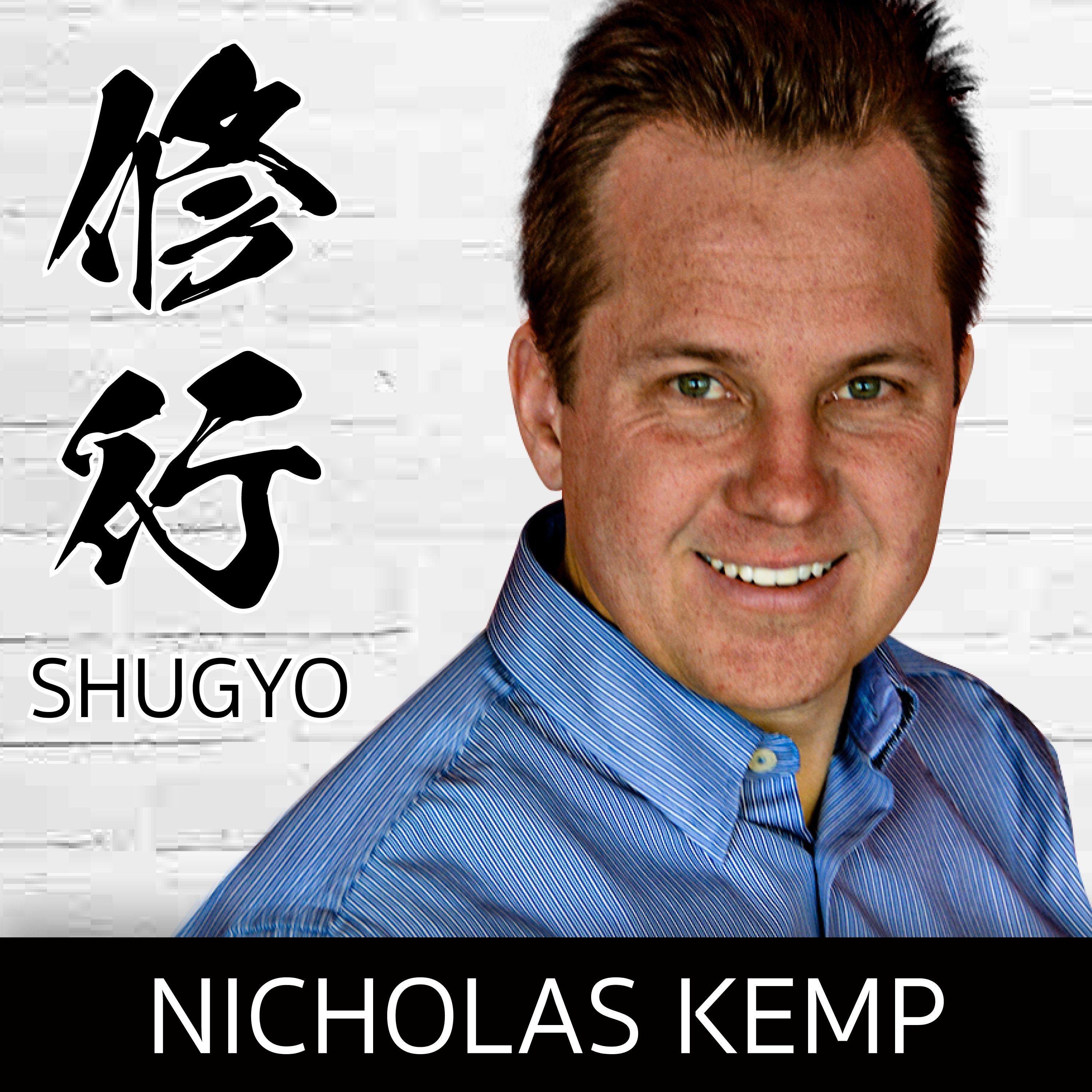
    Discovering Ikigai-kan, A Life Worth Living, with Nicholas Kemp

    Epsiode 7: Ikigai and unraveling it's profound meaning as the essence of life’s purpose. Listen on: iTunes, Spotify and YouTube Nicholas Kemp, author of Ikigai-kan, Feel A Life Worth Living, emerges as a beacon guiding Western audiences to comprehend and integrate the essence of ikigai into their lives for a profound sense of fulfillment. He is also the host of the Ikigai Tribe (https://ikigaitribe.com/) , a small community of educators, psychologists, coaches, and trainers who serve their personal communities using the ikigai concept. The dialogue unfolds with the many perspectives on ikigai, while underlining the intrinsic importance of having a clear sense of purpose and propelling forward in life. It contrasts Western notions of success with leveraging creativity and imagination to nurture one’s purpose, thus painting a richer tapestry of fulfillment. Furthermore, the exploration delves into the concept of “Ibasho,” a psychological sanctuary fostering positive relationships, accentuating the invaluable role of social connections and the delicate equilibrium between solitude and community. Acceptance, Zen philosophy, and resilience in the face of life’s trials emerge as pivotal themes, positioning ikigai as a transformative understanding towards life contentment through intentional choices and pursuits. Nick's initiatives of organizing Ikigai retreats in Japan resonate with the ethos of experiential learning and conscious tourism, aligning seamlessly with our work here on the Shugyo podcast. It's been an inspirational and valuable conversation. Enjoy this compelling episode with Nicholas Kemp, that not only sheds light on the essence of ikigai but also offers a roadmap to unlocking purpose and fulfillment in life. WHAT YOU'LL GET FROM THIS EPISODE: • Ikigai is the feeling that life is worth living and can be found in various sources, such as relationships, goals, and small joys. • When one loses their Ikigai, it is often a collapse of their value system, and finding a new Ikigai requires reevaluating one's values. • Ikigai is not just about achieving goals but about the process of using one's life in a meaningful and purposeful way. • Tools and methods, such as journaling and group discussions, can help individuals discover their Ikigai and live a more fulfilling life. • Ikigai is a personal and subjective experience, and each individual may experience it differently. • The concept of Kokorozashi, or the direction of one's heart and spirit, is important in finding and pursuing one's Ikigai. Understanding the meaning of kanji characters can provide insights into the essence of concepts like ikigai. • Cohorts and community play a crucial role in finding one's purpose and creating a sense of belonging. • Intuition and serendipity can lead to unexpected opportunities and pathways in life. • Finding ibasho, a place where one can be themselves and feel comfortable, can be achieved through solitude and connection with others. • Acceptance and understanding the true nature of things (arugamama) allow for adaptation and flow in life. • Tapping into one's values, exploring interests, and allowing oneself to play are important steps in finding a sense of purpose. • Ikigai retreats in Japan offer experiential learning opportunities for individuals seeking to explore their ikigai. CONNECT WITH NICHOLAS KEMP: WEB: https://ikigaitribe.com/ PODCAST: https://ikigaitribe.com/podcasts/ THE BOOK - IKIGAI-KAN, Feel A Life Worth Living: https://amzn.to/3JePZuM

  • Apr 5, 2024 · 33 min

    From Traditional Kata to Modern Reality: Exploring Knife Fighting in Kobudo

    In this reflection, I share from a deeply personal and traumatic experience of being attacked and stabbed and exactly how this event shaped my perspective on knife defense as a martial arts instructor. I reflect on the need for responsible teaching and understanding of knife defense principles, emphasizing the importance of fitness over choreography and the four following principles to build a solid foundation for any traditional martial artist wishing to expand their knife fighting understanding. As well, I step into the physiological and emotional aspects of life-threatening situations, emphasizing the need for realistic training methods and the understanding of pre and post-conflict period within the lifecycle of violence. It's my goal in this episode to challenges the traditional approaches to tantojutsu (traditional Japanese knife technique) and highlight the overlap between traditional techniques and modern reality-based martial arts meanwhile stressing the necessity of quality instruction and commitment to training. SUMMARY OF EPISODE: Principles of Knife Defense - The importance of understanding physiological changes and emotional responses in life-threatening situations. The need for realistic training methods, such as sparring, kata, conditioning, education, and meditation. The significance of teaching knife defense and the practicality of moves, as well as distinguishing between ambush versus defense. Importance of teaching flinch response, freeze factor, control over breath, and handling lacerations during stressful situations. The need to limit complex movements and focus on simple movements in knife defense. Fitness in Martial Arts The concern that fitness is not being taught in martial arts, where fitness means understanding how the body reacts during fights. Traditional kata training may not simulate physiological changes effectively and may not prepare for real-life stress. The need for gradual exposure to strenuous conditions during training to help identify body responses and override them. Understanding Conflict and Post-Conflict The importance of understanding the life cycle of conflict in knife defense and traditional martial arts versus modern reality-based martial arts. Traditional martial arts align with modern reality-based martial arts in understanding the pre-conflict, escalation, and post-conflict phases, in contrast to focusing solely on the apex of conflict. In the post-conflict phase, the importance of self-triage, de-escalation, articulation of law enforcement, and understanding the biomechanics of lacerations. Training Tools and Methods The significance of using the right tools for training, particularly the familiarity and understanding of different knife types and their mechanics. The necessity of training with a second knife, promoting familiarity, and proficiency in handling the weapon. Discouraging the use of rubber tools for training and emphasizing the importance of using real knives for proficiency.

  • Apr 2, 2024 · 1 hr 7 min

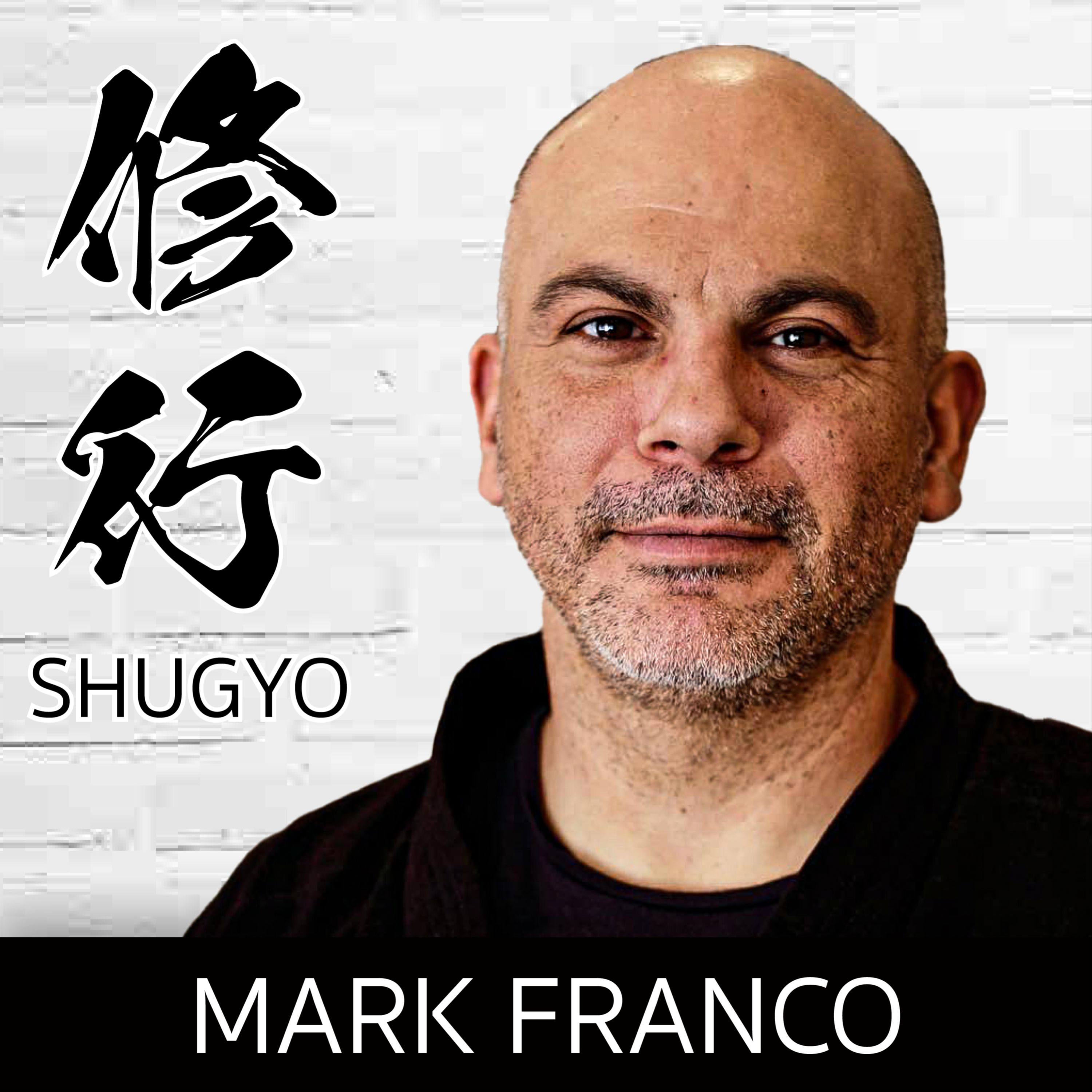
    Proper Kamae, Harnessing the Power of Posture And Intent within Kobudo, with Mark Franco

    Episode 5: When a Jinenkan and Bujinkan Instructor decide to have a conversation, it becomes a study on the nuances of Kamae. Discover what most students miss, and the incredibly important reasons you must study Kamae deeply in order to grow as a martial artist. In this episode we focus on the concept of Kamae, or mental intention combined with body posture, in traditional Japanese Kobudo. Our guest, martial artist and Chinese medicine practitioner, Mark Franco, shares invaluable insights into the foundational importance of Kamae, its evolution, and the deep mastery required for its practice. Join us as we explore the significance of posture and its application in martial arts training, delving into the complexities and nuances that shape the physical path for the traditional martial arts. So, grab your gi and get ready to embark on a journey of discovery and enlightenment in the realm of Kamae. KEY POINTS DISCUSSED Understanding Posture vs. Stance: Mark Franco highlighted the nuanced difference between "posture" and "stance" in martial arts, emphasizing that posture is a natural alignment that becomes second nature through practice, as opposed to something one jumps into when fighting. The Evolution of Kamae: The episode explored how Kamae serves as the foundational building block in traditional martial arts training, focusing on body posture, alignment, emotional state, purpose, and intention. Mark emphasized the need to deeply understand the shapes and principles of one's martial arts system, citing Kamae as the foundational bricks of tradition. Commitment and Dedication: Both hosts stressed the importance of commitment, dedication, and continuous learning in martial arts, sharing experiences from their own journeys and acknowledging the challenges that come with sincere practice. Application in Practice: The discussion touched on the impact of proper positioning and correct intention in martial arts, emphasizing the role of Kamae in shaping timing and responses during practice. Shu ha ri in Traditional Martial Arts: The hosts discussed the concept of shu ha ri, emphasizing the importance of foundational commitment to the root and the evolution of techniques in traditional martial arts, including the role of Kamae in sequential development and training. CONNECT WITH MARK FRANCO West Los Angeles Bujinkan Dojo: https://www.westladojo.com/ Instagram: @west_los_angeles_dojo info@westladojo.com WEST LOS ANGELES DOJO 4228 Sepulveda Blvd. Culver City, CA 90230 (424) 256-9036

  • Mar 29, 2024 · 13 min

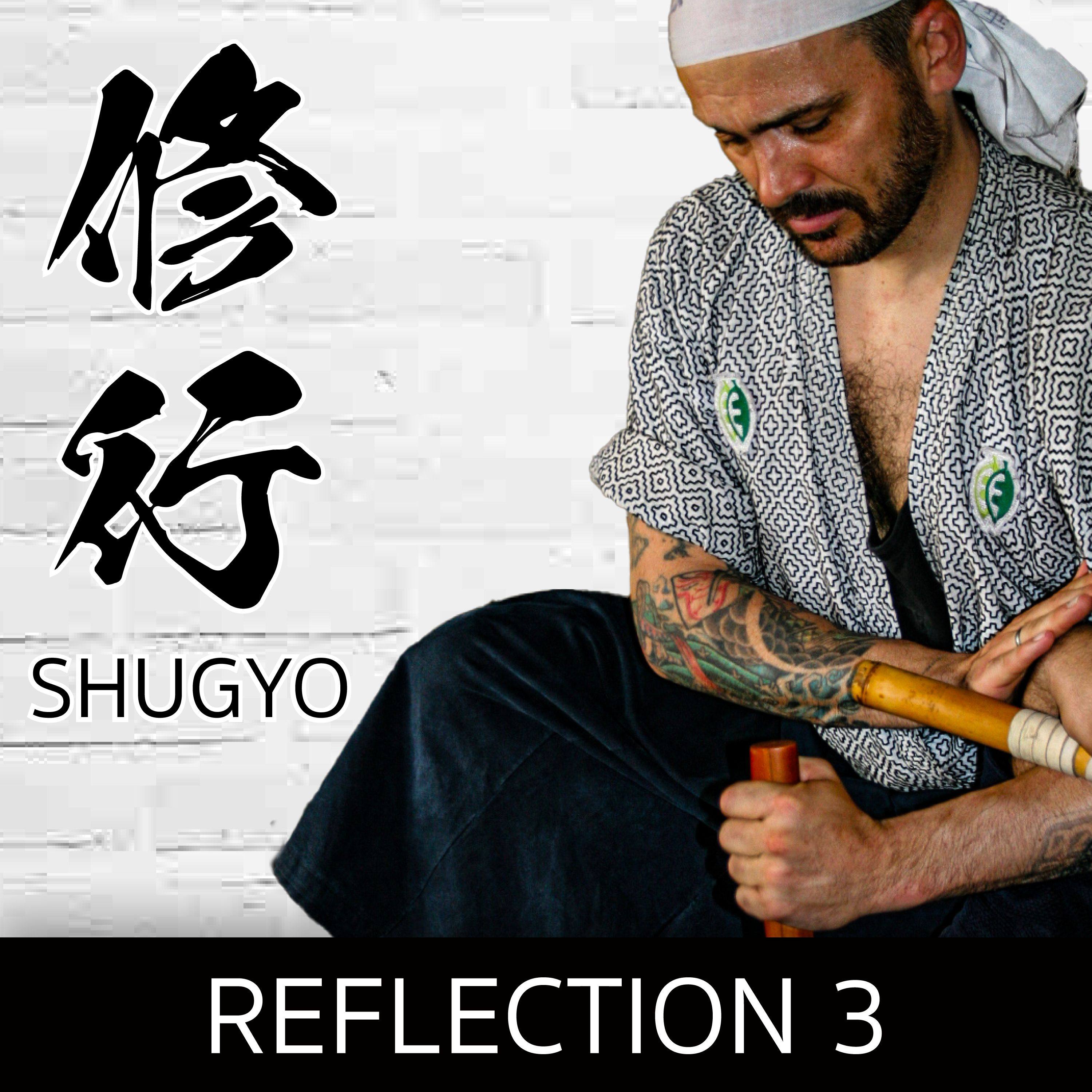
    Reflection 2: Learning to Learn, from Arrogant Fighter to Humbled Student

    Episode 4: Reflections on the Path: Unlocking the Secrets of Learning and Self-Improvement in Budo In this episode of Shugyo, Adam reflects on his journey in the Dojo and shares pivotal moments from his training in Japanese martial arts. He recounts how his initial arrogance and lack of understanding of the true purpose of training led to a transformative lesson on "learning how to learn." Through his experiences with various teachers and the guidance of Manaka Sensei, he discovered the foundational pillars of Jissen Kobudo and how they became the compass for his learning journey. His mindset shifted from "shut up and train" to "shut up and learn," leading to a deeper understanding of martial arts techniques, healing practices, and energy work. Key Points: The importance of humility and openness in the learning process Discovering the foundational pillars of Kobudo for self-correction and improvement The transformative shift from focusing on training to focusing on learning Encouragement to listeners to reflect on their own learning journey and discover new ways to become better students in their martial arts practice. The Yasuragi Dojo: https://yasuragidojo.com Shugyo Podcast: https://yasuragidojo.com/podcasts/shugyo

  • Mar 26, 2024 · 39 min

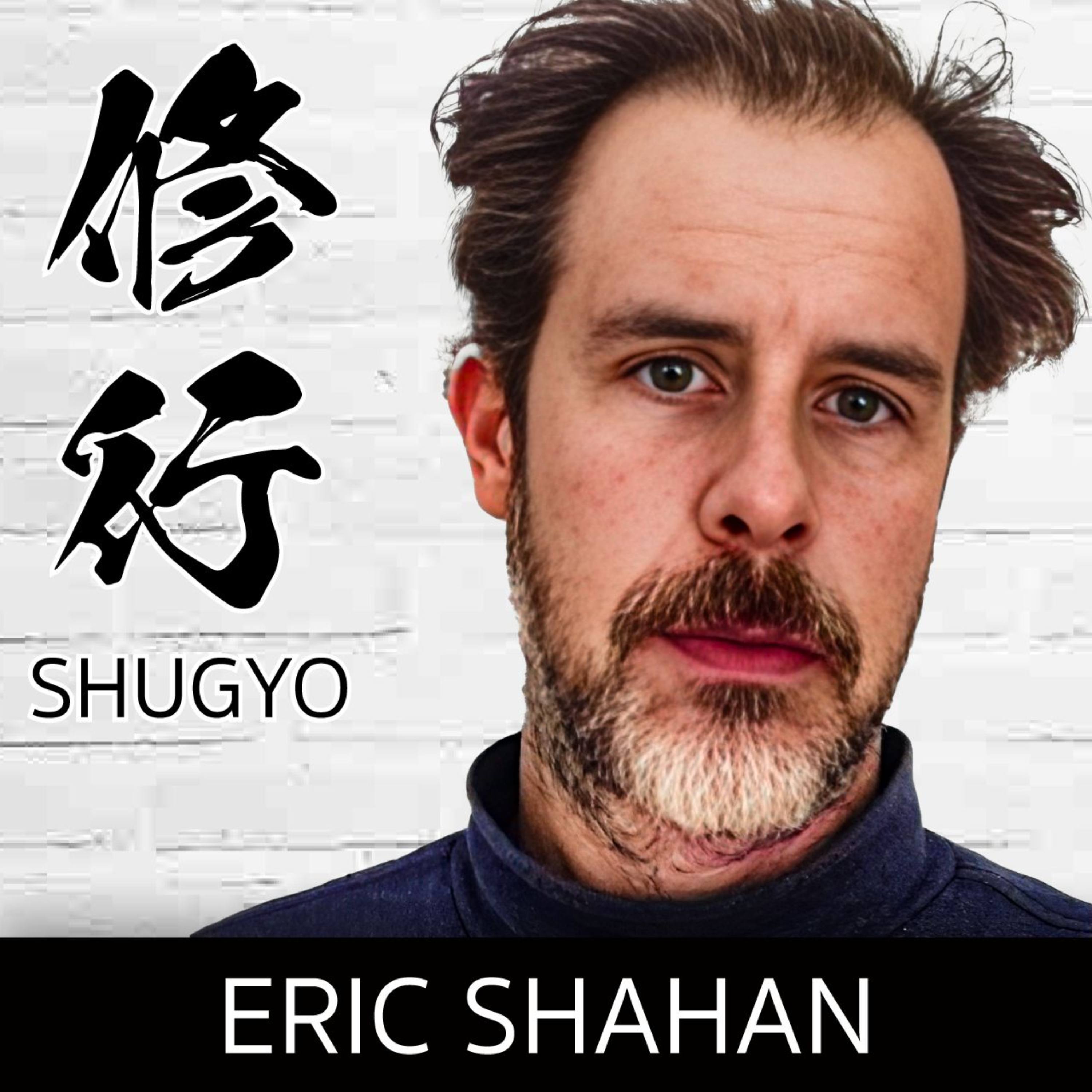
    Rewriting Budo, with Eric Shahan

    In this episode, I have a coffee with Eric Shahan, a dedicated translator of martial arts literature. Eric shares his passion for translating ancient martial arts books, shedding light on his fascinating work and the impact it has had on his own martial arts journey. From uncovering the philosophy of maintaining awareness in combat to delving into historical punishment methods and tattooing in Japan, Eric's deep dive into these ancient texts has brought valuable insights to the English-speaking world and book-by-book has shifted much of way the western world understands Japanese martial culture. Join us in this conversation, as we journey through Eric's exploration of traditional martial arts literature and the influence it has had on his life and practice. Episode take-aways: The World of Translated Martial Arts Books: Eric's passion for translating martial arts books has led to a deep understanding of the philosophies and historical significance of these texts. His work includes impactful translations that shed light on the complexities of Japanese martial arts and culture. Find out how these translations have impacted his own martial arts journey and the significance of these timeless texts. Rare Insights into Edo Period Martial Practices: Eric's work has brought to light the lesser-known aspects of Edo period martial arts, from punishment methods and tattooing to the practical knowledge and magic prevalent during that era. Learn about his extensive translations on the history of tattooing in Japan and the overlap with other works, offering new and intriguing information for tattoo artists and enthusiasts. New Avenues in Traditional Martial Arts Research: Eric's commitment to exhaustively researching and translating hard-to-find books from Japanese archives is not only commendable but also incredibly valuable for traditional martial arts practitioners. His dedication to unveiling detailed descriptions of spear fighting techniques, as well as exploring new translation technology for old handwritten Japanese documents, promises to significantly enrich the understanding of traditional martial arts. If you're passionate about traditional martial arts and eager to delve into the hidden depths of Japanese martial history and culture, this episode is a treasure trove of insights. CONNECT WITH ERIC: Shinobu Books Twitter: @ShinobuBooks Instagram: @Shinobu Books 09:32 Early translations sparked controversy in ninjutsu community. 10:59 Ninjutsu's origins and popularity in Japan. 16:56 Enjoyed martial arts books, particularly by contemporaries. 20:19 Embracing the flow of translating martial arts. 22:27 Book on Japanese travel safety and magic. 24:31 Punishment methods in Edo era for safety. 30:03 Many scrolls lack detailed techniques and descriptions. 31:07 AI translates old, unreadable Japanese documents. 37:16 Acknowledging for bringing traditional martial arts knowledge. 37:54 Received another nice compliment on my books.

  • Mar 22, 2024 · 13 min

    Reflection 1: Keep Going

    Episode 2. Unveiling the True Meaning of "Keep Going" in the Path of Budo Mastery In this episode of Shugyo, host Adam Mitchell delves deep into the concept of "keep going" in the context of martial arts training. He shares his experiences with intensive training programs, the importance of mastering the fundamentals, and the need for perseverance and dedication in martial arts practice. With insightful reflections and a call to embrace the demanding nature of the path to self-mastery, Adam provides a unique perspective on the traditional martial arts journey. Tune in to explore the profound meaning behind the phrase "keep going" and gain valuable insights that will inspire and support your own martial arts practice. Here are 3 key takeaways from the latest episode "Keep Going" 1. Embrace the Intensity: The discussion centered on the gashaku, a compressed period of intense training lasting about 6 weeks, focusing on a specific area. Through this, students achieve around 12,000 repetitions of their fundamentals, illustrating the importance of form and accuracy over mere repetition. 2. Push Your Limits: Mitchell emphasizes the necessity of exhaustion and breakdown in training. He underlines the importance of "keep going" as more than just a salutation, but a command to understand the demands of the art and the expectations that come with it. 3. Building Your Legacy: For those inspired to keep going on the martial arts path, it involves chiseling, pounding, and forging the body, mind, and spirit, creating a legacy unique to each practitioner. This mindset fuels the pursuit of wholeness and longevity on the martial arts journey. The Shugyo podcast, brought to you by Yasuragi Dojo, a traditional Japanese martial arts school, offers valuable insights and inspiration for anyone on the path of martial arts. If you're dedicated to the journey of self-mastery, this podcast is definitely worth a listen! 00:00 Intensive gashuku program expands martial arts training. 03:24 Repetition key to mastery, but accuracy vital. 07:40 "Keep going" salutation in martial arts context. 12:19 Persist, reflect, consider, embrace, and act.

  • Mar 19, 2024 · 42 min

    Kobudo Training and Attaining Kakusei Mushin, with Manaka Unsui

    In this exciting kickoff episode of the Shugyo podcast, host Adam Mitchell welcomes you to sit beside him and his students, at a Dojo in Japan with his teacher, Manaka Unsui, to delve into the profound world of Kobudo training and the attainment of Kakusei Mushin. This episode promises an enlightening exploration of Sensei's teachings, applicable not only to various martial arts, but also to personal journeys of self-discovery. Key takeaways: Align Techniques with Individual Natural Physicality: Manaka Sensei emphasizes the importance of tailoring techniques to one's unique physicality, recognizing that mastery lies in this integration. Embrace "Kakusei Mushin": The concept of perceiving everything without fixation was a focal point in our discussion. "Kakusei Mushin" is about taking in the totality of one's surroundings without getting attached to any single element, a profound approach for personal and martial development. Understand the Phases of Training: We explored the phases of "Shu," "Ha," and "Ri" in martial arts training. From following instructions to breaking and rebuilding what we've learned, to ultimately creating something new, these stages exemplify the evolution of a martial artist. So, whether you're a seasoned practitioner of Japanese Budo or new to the world of martial arts all together, this episode is a treasure trove of wisdom and insight that you won't want to miss. Tune in to the Shugyo podcast for an unforgettable journey into the heart of traditional Japanese Kobudo, and prepare to be inspired by the teachings of Manaka Sensei and future guest like him. Visit our Dojo at: Yasuragi Dojo ABOUT MANAKA UNSUI Fumio Manaka Sensei, who also goes by the martial name “Unsui”, has 70 years of experience in the Japanese arts of kobudo, having started training at the age of 14 as the first student of Masaaki Hatsumi Sensei. Unsui Sensei holds certificates of mastery (menkyo kaiden) in several martial schools and has formal training in many others. In 1996, Unsui Sensei founded the Jissen Kobudo Jinenkan. For many years Unsui Sensei made regular trips to the United States and Europe to conduct training seminars and to directly instruct his students. From April 2001 to May 2004 Manaka Sensei lived and trained in Baltimore, Maryland. His goal in this move from Japan was to allow martial artists in the United States and Europe easier access to him and to raise the level of training in these areas. With his goals achieved, he returned to Japan in June 2004 and now teaches from his hometown of Noda, Japan.

Showing 1–18 of 18 episodes