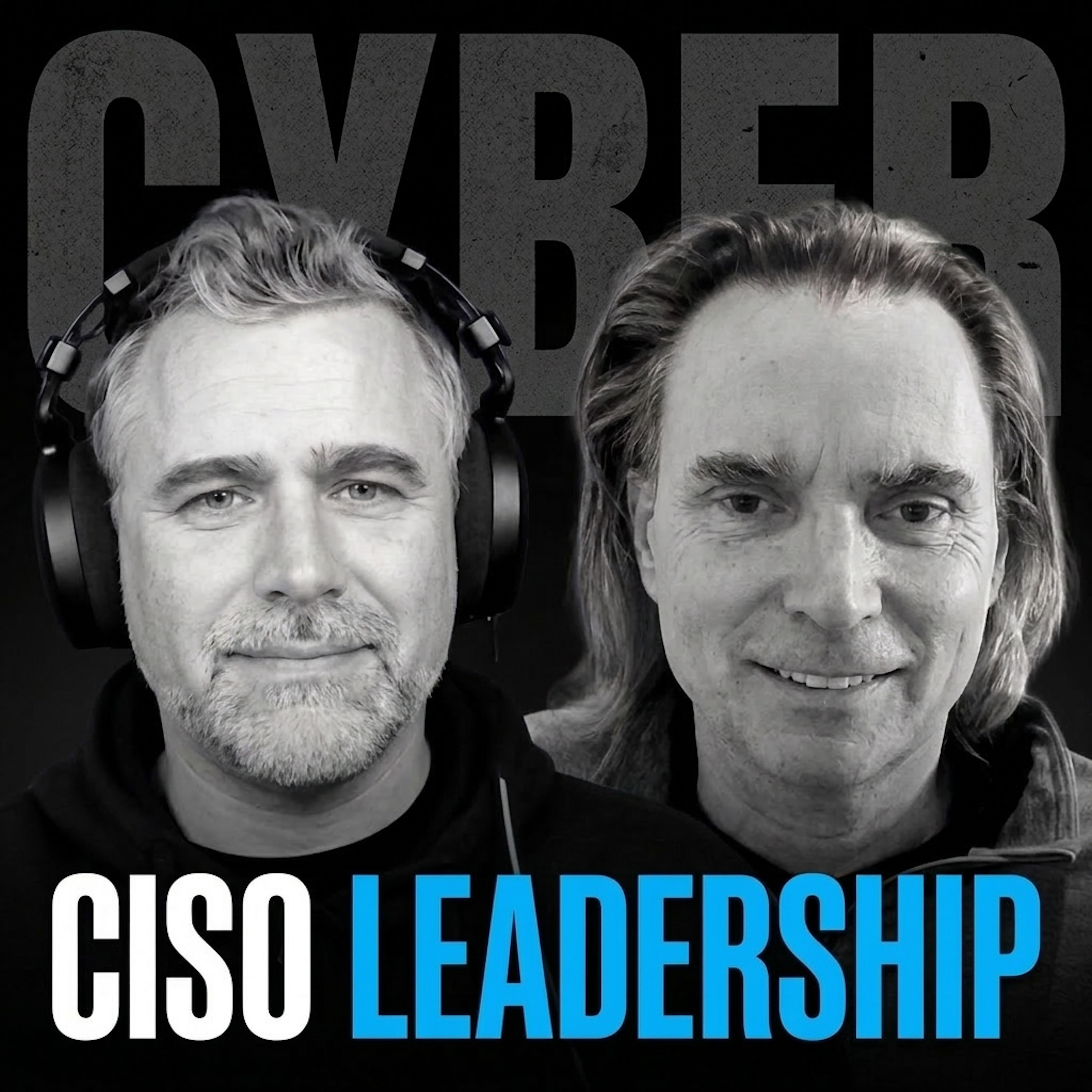
Building Resilience in Cybersecurity: Lessons from Joe Sullivan
transcript
show notes
The paramount theme of this podcast episode revolves around the critical necessity of preparing for crises within cybersecurity frameworks. As we navigate an increasingly chaotic landscape, it becomes evident that security must be accessible and comprehensible for all stakeholders involved. We engage in an enlightening dialogue with our esteemed guest, Joe Sullivan, who elucidates his remarkable journey from a federal prosecutor to a prominent figure in security leadership across major tech enterprises. Throughout our conversation, we emphasize the importance of cultivating resilience in the face of potential adversities, advocating for a paradigm shift from mere prevention to proactive crisis management. This episode serves not only as an exploration of individual experiences but also as a clarion call for organizations to invest in robust preparedness strategies to mitigate the impacts of inevitable security incidents.
In this episode of the Security by Default podcast, host Joseph Carson interviews Joe Sullivan, a prominent figure in cybersecurity. They discuss Joe's journey from a federal prosecutor to the Chief Security Officer at Facebook, exploring the challenges and expectations in transitioning from government to private sector roles. The conversation delves into the evolving landscape of cybersecurity, the impact of ransomware, and the importance of crisis management and preparedness. Joe shares valuable lessons for aspiring security executives and highlights the significance of understanding technology in leadership roles. The episode concludes with Joe's current projects, including his nonprofit initiative, Ukraine Friends, which provides laptops to children affected by the war in Ukraine.
Takeaways
- Security is possible for everyone.
- Joe Sullivan's journey reflects a unique path into cybersecurity.
- Transitioning from government to private sector presents challenges.
- Understanding corporate culture is crucial for success.
- Measuring success in cybersecurity requires clear metrics.
- Ransomware has fundamentally changed the cybersecurity landscape.
- Security leaders are increasingly reporting to CEOs.
- Crisis management is essential for organizational resilience.
- Aspiring security executives should focus on business understanding.
- Giving back to the community is a vital part of the cybersecurity profession.
Sound bites
- "Security is possible for everyone."
- "I got an MBA through osmosis."
- "The expectations were so high."
Chapters
- 00:00 Introduction to Security by Default Podcast
- 01:02 Joe Sullivan's Journey into Cybersecurity
- 05:10 Transition from Government to Private Sector
- 11:06 Navigating the Corporate Landscape
- 15:48 Measuring Success in Security
- 20:04 The Impact of Ransomware on Cybersecurity
- 28:01 The Evolving Role of Security Leaders
- 30:57 Understanding Business Strategy in Security
- 32:59 Risk Management and Business Partnership
- 33:52 Navigating Technology Risks
- 35:54 The Race for AI Innovation
- 38:03 Crisis Management and Preparedness
- 39:59 Building Resilience in Security Teams
- 42:16 The Importance of Response Training
- 44:10 Lessons from Emergency Services
- 47:41 Community Impact through Technology
Additional Resources:
https://www.joesullivansecurity.com/about
https://ukrainefriends.org/
https://www.linkedin.com/in/joesu11ivan/
https://en.wikipedia.org/wiki/Joe_Sullivan_(cybersecurity)
The discourse presented in this episode of the Security By Default podcast delves into the intricacies of cybersecurity through a rich narrative framed by the experiences of Joe Sullivan, a distinguished figure in the cybersecurity landscape. The conversation commences with a reflection on the current state of security in a world rife with chaos and challenges, emphasizing the necessity for clarity and preparedness in addressing security concerns. Sullivan recounts his unique journey into the realm of cybersecurity, marked by an initial aspiration to pursue law, which ultimately led him to blend his legal expertise with a burgeoning interest in technology. This intersection of law and technology is pivotal in understanding the evolution of cybersecurity practices, as Sullivan highlights the early days of his career at the Department of Justice, where he was thrust into the intricate dynamics of cybercrime prosecution. His narrative underscores the significant shifts in the cybersecurity landscape, illustrating how the role of cybersecurity professionals has evolved into one that requires not only technical prowess but also a profound understanding of business operations and risk management. As the discussion unfolds, listeners are introduced to the concept of operational resilience, a theme underscored by Sullivan's experiences at major corporations such as eBay, PayPal, and Facebook. He elucidates the necessity for security leaders to transition from a purely defensive posture to one that encompasses proactive crisis management and resilience building. Sullivan’s observations regarding the expectations placed upon security professionals in the private sector contrast sharply with his experiences in government service, where the pace and metrics of success differ markedly. This dichotomy serves to illuminate the complexities faced by modern security executives who must navigate not only the technical challenges of cybersecurity but also the imperative to align their strategies with broader business objectives. In conclusion, the episode encapsulates the essence of security as a multifaceted discipline that extends beyond mere technical solutions. Sullivan advocates for a paradigm shift in how organizations perceive and invest in security, urging a balanced allocation of resources towards both prevention and crisis preparedness. His insights serve as a clarion call for security professionals to engage more deeply with the business side of their organizations, fostering a culture where security is seen as an integral component of operational success rather than a mere compliance obligation. The conversation ultimately reinforces the notion that in the face of evolving threats, a proactive and well-prepared security posture is paramount for organizational resilience and success in an increasingly digital world.