Skip to content
Artwork for SciPod
SciPod · Tuesday · 12 min

When Greener Plastic Sees the Light

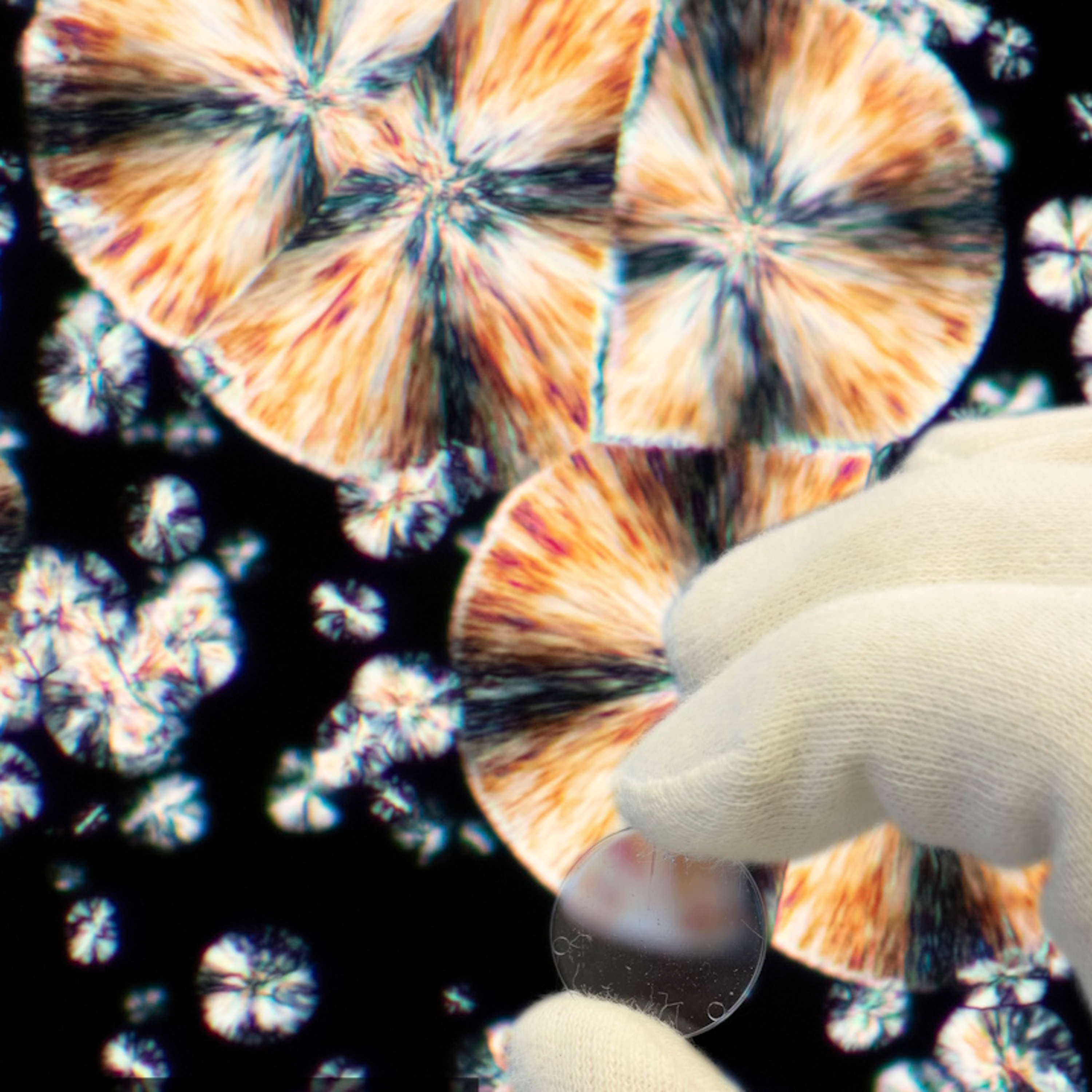
Most of us rarely wonder what a bicycle headlamp, ceiling light or LED lens is made from. We notice whether it shines brightly, survives heat and weather, and keeps working for years. Yet hidden inside many lighting products are transparent plastics whose environmental credentials are less attractive than their optical performance. Common materials such as polycarbonate and polymethyl methacrylate are generally fossil based and resist degradation. Replacing them involves more than just choosing a greener plastic. A material that guides light must remain clear, strong, dimensionally stable and reliable while being exposed to the destructive forces of heat and light.


0:00-12:57

transcript

No transcript — this publisher did not publish one.

show notes

Most of us rarely wonder what a bicycle headlamp, ceiling light or LED lens is made from. We notice whether it shines brightly, survives heat and weather, and keeps working for years. Yet hidden inside many lighting products are transparent plastics whose environmental credentials are less attractive than their optical performance. Common materials such as polycarbonate and polymethyl methacrylate are generally fossil based and resist degradation. Replacing them involves more than just choosing a greener plastic. A material that guides light must remain clear, strong, dimensionally stable and reliable while being exposed to the destructive forces of heat and light.