China's booming biotech, from a brain implant to drug discovery
Streams straight from the publisher. podnod never proxies or re-hosts episode audio.
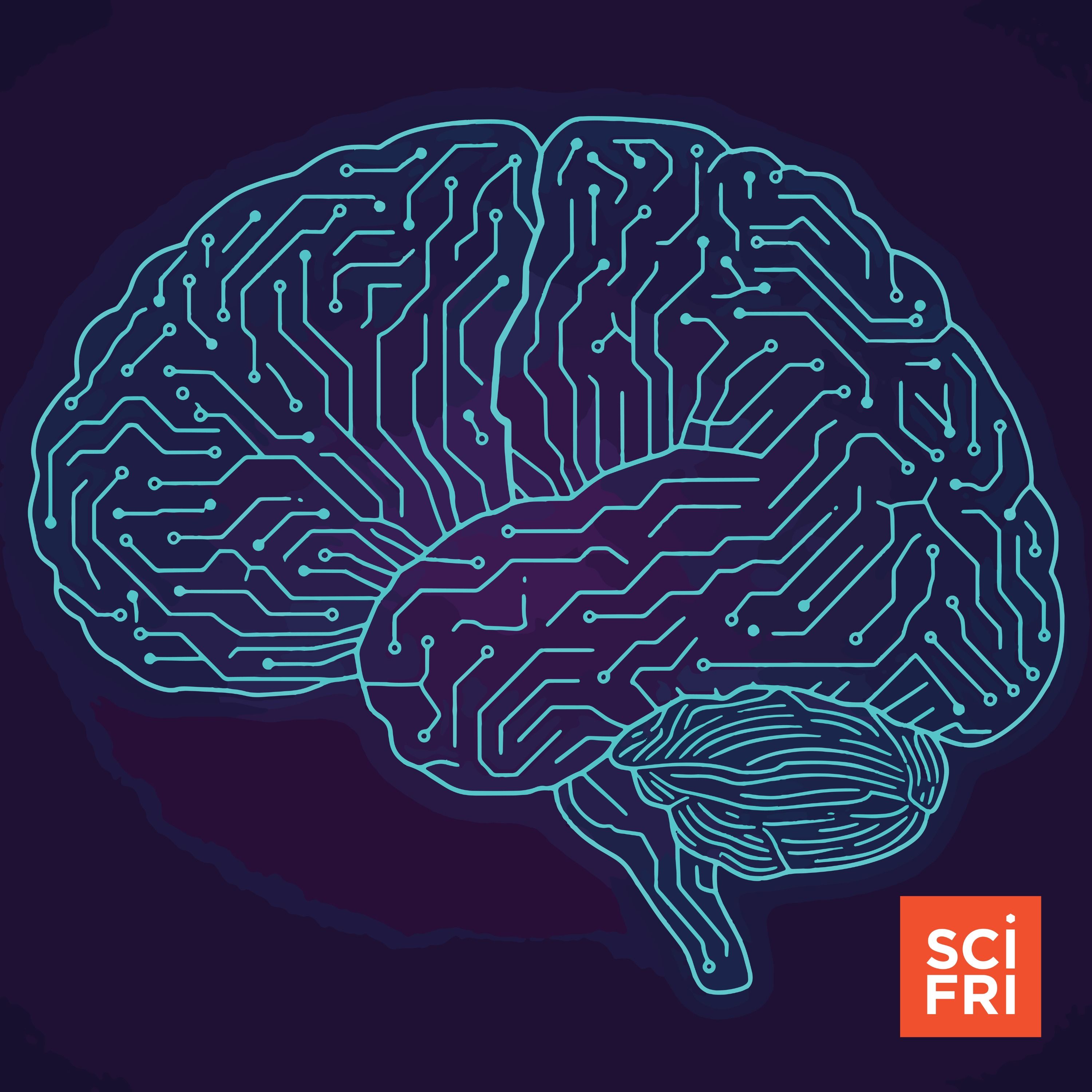
In March, China became the first country to approve an invasive brain-computer interface beyond clinical trials. The implant, called NEO, is now available to some patients with limb paralysis due to a spinal cord injury. Ira talks with Wired staff writer Emily Mullin about the significance of this milestone.
Plus, brain implants aren’t the only development: China’s entire biotech industry has skyrocketed in recent years. A decade ago, about 8% of new drug molecules were discovered in China. Now it's over 40%. And more clinical trials are now being conducted there than in the U.S. or Europe. Ira talks with health policy researcher So-Yeon Kang, who’s been following the Chinese pharma industry’s meteoric rise.
Guests:
Emily Mullin is a staff writer at Wired.
Dr. So-Yeon Kang is an Assistant Professor of Health Management and Policy at Georgetown University.
Other episodes you may enjoy:
- Advances In Brain-Computer Interfaces For People With Paralysis
- How China Is Driving Down Electricity Costs With Renewables
Transcripts for each episode are available within 1-3 days at sciencefriday.com.
Subscribe to this podcast. Follow our show on Instagram, TikTok, Facebook, and Bluesky @scifri and sign up for our newsletters. Got a science question that’s keeping you up at night? Call us: 877-472-4374
Hosted by Simplecast, an AdsWizz company. See pcm.adswizz.com for information about our collection and use of personal data for advertising.
biotech industry
sciencefriday.comAdvances In Brain-Computer Interfaces For People With Paralysis
sciencefriday.comHow China Is Driving Down Electricity Costs With Renewables
sciencefriday.com.
sciencefriday.comSubscribe to this podcast.
pod.linkInstagram
instagram.comTikTok
tiktok.comFacebook
facebook.comBluesky
bsky.appsign up for our newsletters
sciencefriday.compcm.adswizz.com
pcm.adswizz.com
