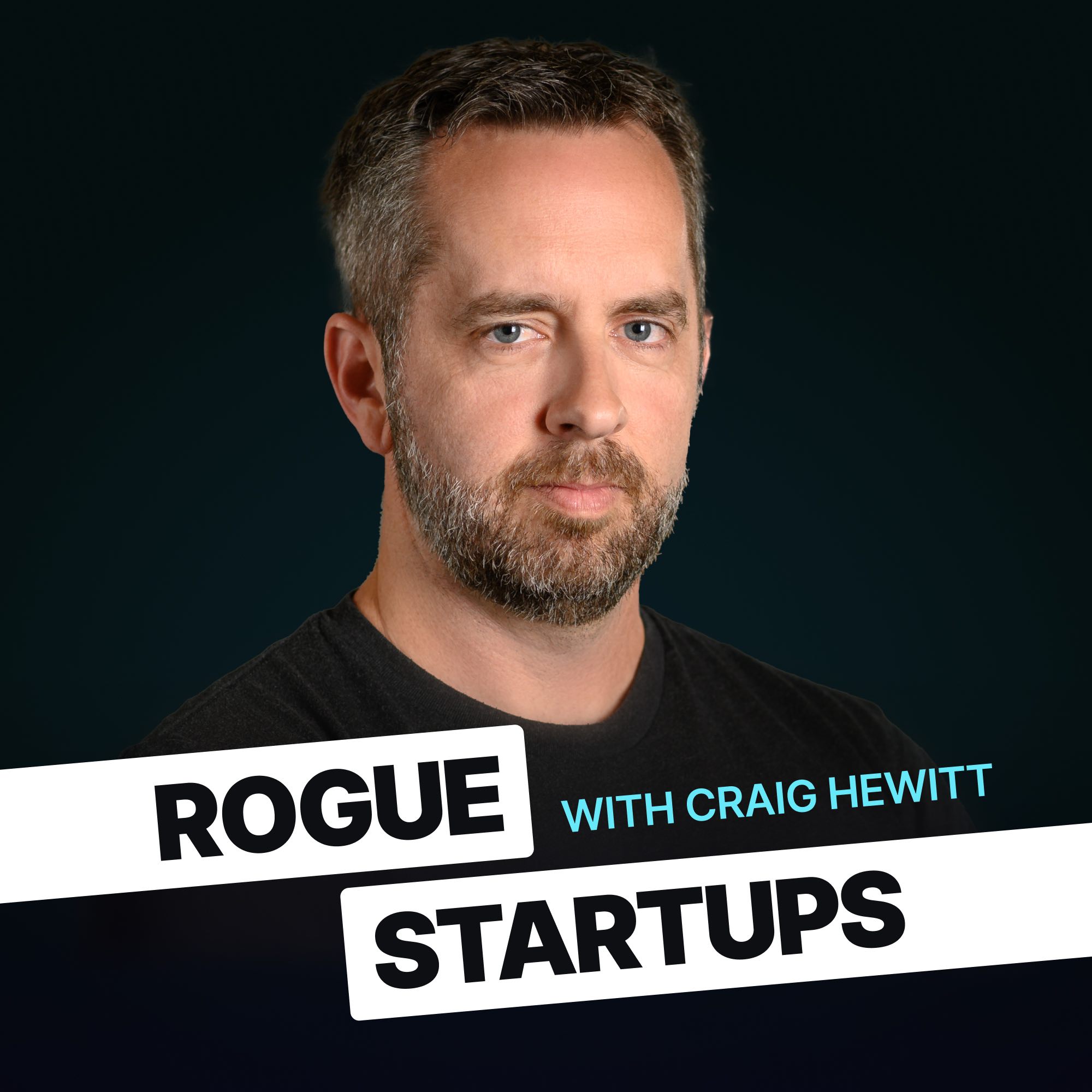
RS364: Think Less, Do More
transcript
show notes
AI has made building software dramatically easier. But if everyone can build a product, what happens to SaaS?
In this episode of Rogue Startups, Craig Hewitt is joined by co-host Colin Gray for a wide-ranging conversation about what they're building, how AI is changing their businesses, and why the biggest challenge for SaaS founders may no longer be writing the code. Colin and Craig dig into AI-assisted development, content repurposing, YouTube strategy, AI agents, memory and context, and the increasingly blurry line between building a product and simply building something for yourself.
The conversation gets especially interesting as they compare tools like Cursor, Claude, Codex, Grok, OpenClaw, and Hermes, and discuss the idea of having an AI "boss" that can remember your priorities, surface old ideas, manage your tasks, and push information to you instead of making you constantly hunt for it.
Highlights from Craig and Colin’s conversation:
- How AI is making software dramatically easier to build - and why that creates a new challenge for SaaS founders
- Why AI tools become much more powerful when they're customized to your specific workflows
- Is "anyone can build this" becoming a real problem for SaaS companies?
- Why the hardest part of building software may no longer be writing the code
- The biggest risk of AI-built software: building something nobody actually wants
- How Craig and Colin are using AI agents to reduce cognitive load and manage their work
- Why your AI assistant may need access to your entire digital life to be genuinely useful
- Turning conversations and existing content into a repeatable publishing workflow
- Why sometimes a solo founder just needs an AI boss
- Why more features aren't always the answer for a growing SaaS business
- What should an AI assistant actually remember about you?
- How AI agents could change the way founders work, prioritize, and make decisions
Resources and Links from This Episode:
- Produced by Castos Productions: https://castos.com/productions/
- The Podcast Host: https://www.thepodcasthost.com/
- Colin on LinkedIn: linkedin.com/in/colinmcgray?originalSubdomain=uk
- Castos Free Tools: castos.com/tools
- Email me: podcast@roguestartups.com
- Find me on Twitter: https://twitter.com/TheCraigHewitt
- LinkedIn: https://www.linkedin.com/in/craig-hewitt-78386a66/
- Email: podcast@roguestartups.com