Skip to content
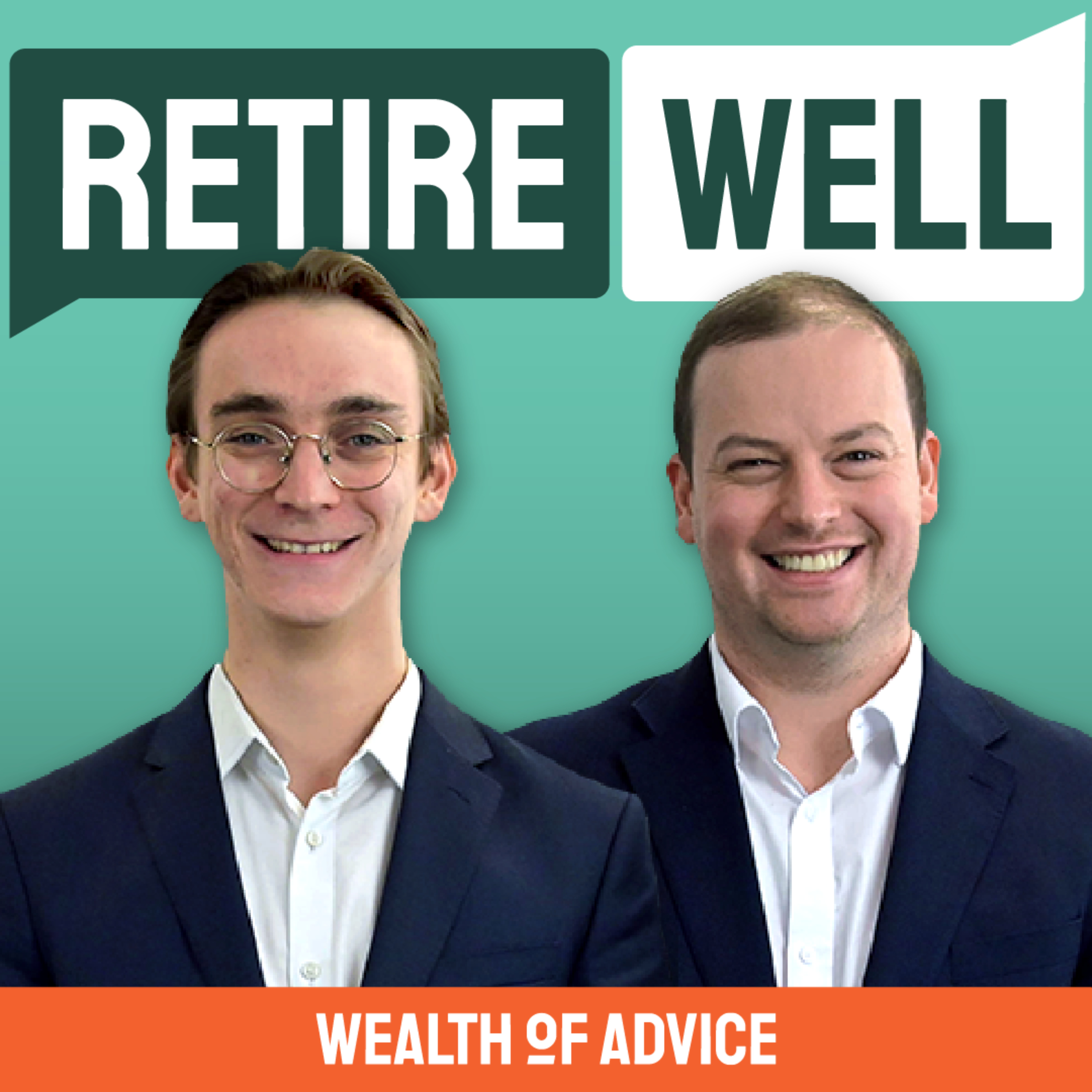
Artwork for Retire Well with Wealth of Advice
Retire Well with Wealth of Advice · April 14 · 37 min

65: How Market Volatility Impacts Your Retirement Plan & How to Fix This

In this episode of Retire Well, Matthew and Joe dive into one of the biggest emotional challenges for retirees and soon‑to‑be retirees: market volatility. With global events and unsettling headlines often creating fear, they explain why volatility is normal, why it shouldn’t derail your long‑term plan, and how smart planning can stop short‑term noise from becoming long‑term damage. They explore: Why market ups and downs are a natural part of investing How sequence‑of‑returns risk can impact your pension in early retirement The dangers of moving into cash at the wrong time Why “doing nothing” is often the smartest investment decision How diversification helps smooth the ride when markets wobble The role of cash buffers, annuities, and long‑term thinking in protecting your plan Using cashflow modelling to build confidence during turbulent times The emotional side of investing — and how to avoid panic decisions Whether you're approaching retirement or already drawing an income, this episode gives you the tools and mindset to stay calm, stay invested, and stay on track—even when the markets aren’t. 📩 Got questions or want help with your own retirement plan? Email us at: retirewell@wealthofadvice.co.uk -- CHAPTERS: 00:00 - Introduction 02:20 - How Market Volatility Impacts Your Pensions & Investments 12:16 - What You Should Do During Market Volatility 32:08 - Listeners Question -- TALK TO US Call us: 0191 384 1008 Email us: retirewell@wealthofadvice.co.uk Website: www.retirewellpodcast.co.uk -- SUBSCRIBE TO OUR NEWSLETTER www.retirewellpodcast.co.uk --- Wealth of Advice are authorised and regulated by the Financial Conduct Authority, reference number 563909. Past performance is no guide to future returns. Your investments can go down as well as up, so you may get back less than you originally invested. This video is for educational purposes only and is not personal financial advice.

0:00-37:53

transcript

No transcript — this publisher did not publish one.

show notes

In this episode of Retire Well, Matthew and Joe dive into one of the biggest emotional challenges for retirees and soon‑to‑be retirees: market volatility. With global events and unsettling headlines often creating fear, they explain why volatility is normal, why it shouldn’t derail your long‑term plan, and how smart planning can stop short‑term noise from becoming long‑term damage.


They explore:


Why market ups and downs are a natural part of investing

How sequence‑of‑returns risk can impact your pension in early retirement

The dangers of moving into cash at the wrong time

Why “doing nothing” is often the smartest investment decision

How diversification helps smooth the ride when markets wobble

The role of cash buffers, annuities, and long‑term thinking in protecting your plan

Using cashflow modelling to build confidence during turbulent times

The emotional side of investing — and how to avoid panic decisions


Whether you're approaching retirement or already drawing an income, this episode gives you the tools and mindset to stay calm, stay invested, and stay on track—even when the markets aren’t.


📩 Got questions or want help with your own retirement plan?


Email us at: retirewell@wealthofadvice.co.uk


--


CHAPTERS:


00:00 - Introduction

02:20 - How Market Volatility Impacts Your Pensions & Investments

12:16 - What You Should Do During Market Volatility

32:08 - Listeners Question


--


TALK TO US


Call us: 0191 384 1008

Email us: retirewell@wealthofadvice.co.uk

Website: www.retirewellpodcast.co.uk


--


SUBSCRIBE TO OUR NEWSLETTER


www.retirewellpodcast.co.uk


---


Wealth of Advice are authorised and regulated by the Financial Conduct Authority, reference number 563909. Past performance is no guide to future returns. Your investments can go down as well as up, so you may get back less than you originally invested. This video is for educational purposes only and is not personal financial advice.

links1