Skip to content
Artwork for Reluctantly...
Reluctantly... · Today · 39 min

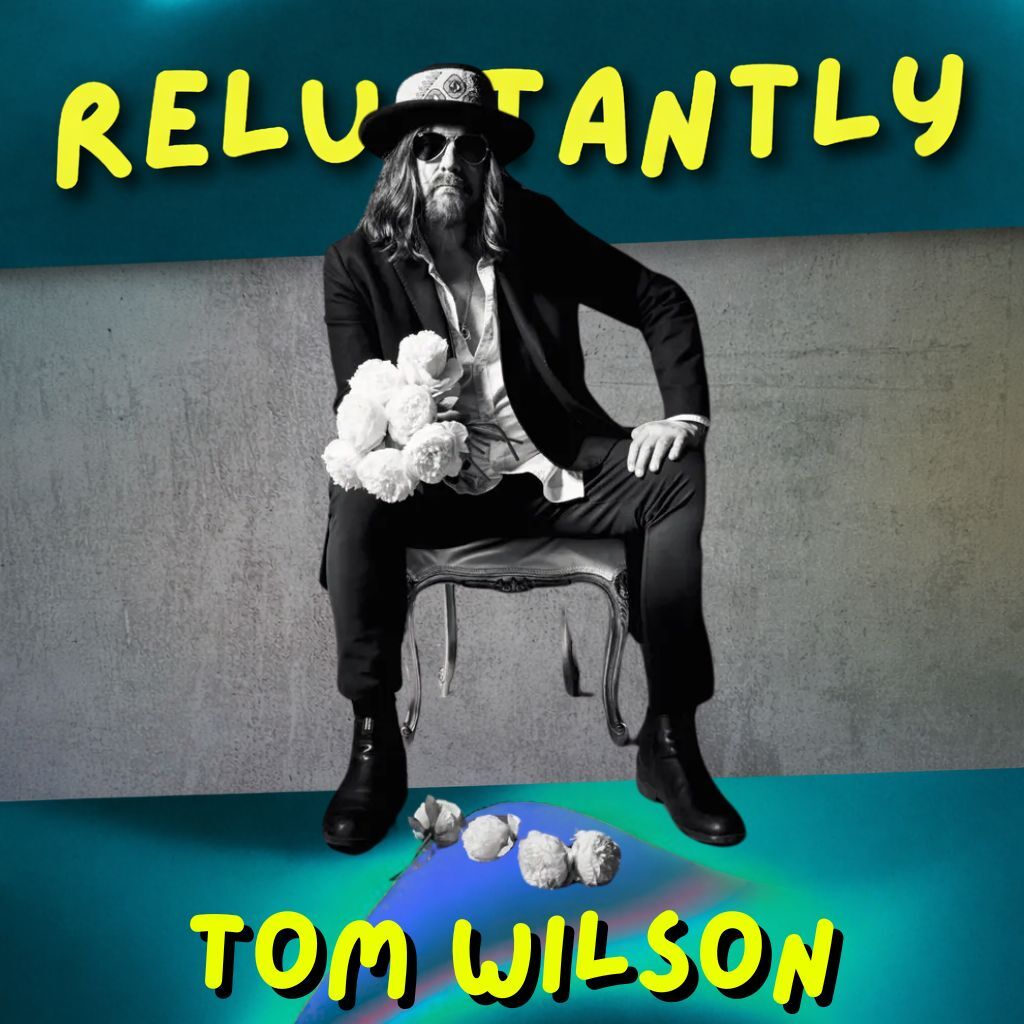
Tom Wilson - Whispered Truths

Canadian rock icon, author, painter, and legendary hellraiser Tom Wilson joins Terry for a brutally honest, hilarious, and deeply personal conversation. From the wild days of Junkhouse to his work with Blackie and the Rodeo Kings and Lee Harvey Osmond, Tom reflects on decades of music, sobriety, aging, and the freedom that comes with putting art ahead of money. He opens up about discovering his Mohawk heritage, the extraordinary family revelations behind his bestselling memoir and documentary Beautiful Scars, and his upcoming second book, Blood Memory. Tom also shares the emotional complexities of his relationship with his birth mother, the importance of storytelling, and why love and compassion matter more than ever. Plus, there’s new Junkhouse music, family, mortality, and plenty of laughs. It’s raw, revealing, occasionally inappropriate, and unmistakably Tom Wilson. A conversation you won’t want to miss. Key Topics Tom says Junkhouse is returning with a strong, low-ego lineup, including his son Thompson Wilson, Aaron Goldstein, Jesse O’Brien, Champagne James Robertson, and original drummer Ray Faurghia. After 27 years sober, Wilson says performing still requires a “sound of desperation,” but not panic or the commercial pressure he once experienced. He describes a shift toward leading with art rather than money, across music, painting, writing, and theater. Wilson began painting in 1997 as a constructive alternative to drinking; years later, his daughter raised concerns about cultural appropriation before he learned he was Mohawk. His forthcoming book Blood Memory continues the story of Beautiful Scars and explores his mother, adoption, and the Sixties Scoop. Wilson says he was raised believing his biological mother was his cousin and that discovering the truth as an adult could not restore the relationship they had missed. He speaks about claiming his Mohawk identity while acknowledging that his upbringing differed from that of his siblings and ancestors. Wilson sees sharing his story as a way to help audiences understand the Sixties Scoop and build community, knowledge, and allies without assigning blame. He frames later life as “recess,” time to spend on meaningful work and relationships rather than treating it as borrowed time. Wilson shares upcoming musical plans, including Blackie and the Rodeo Kings performances and Junkhouse releases, alongside a new book and art exhibit. Takeaways “The best musicians are the people who play the songs and play without ego.” “When you’re leading with art and not commerce, great things happen.” “I’m not trying to make money anymore. I’m more interested in making art.” “We’re at recess. We’re not on borrowed time.” “It’s an extra piece of your story. It’s an extra piece of you.” “I’m still Mohawk.” “I can only do it, Terry, through my art.” “You tell these stories because they need to be told, because people need to hear them.” “I’m making Canada look in the mirror and not making them feel guilty, just making them aware.” “Hopefully, we’re starting a conversation that leads to action and we’re building allies.” key frameworks Leading with art rather than commerce Storytelling as a way to build awareness, community, and allies Chapters 00:00 - Terry introduces Tom Wilson and his remarkable story 02:29 - Junkhouse’s new lineup and renewed creative focus 05:23 - Sobriety, pressure, and choosing art over commerce 08:16 - Aging, loss, caregiving, and how priorities change 10:50 - Why Wilson sees later life as “recess” 14:24 - Painting, cultural appropriation, and discovering Mohawk roots 17:21 - Blood Memory and the mother-child bond he missed 20:09 - Family secrets and the story behind the new book 24:07 - How stories and art reveal new meaning over time 26:09 - Reconciling his identity with his family’s history 29:24 - Using personal stories to build understanding and allies 34:41 - Junkhouse plans, new songs, and making good art www.reluctantlypodcast.com @leeharveyosmond @ZoneOnePodcast @TheWealthRoundUp @thenetworkofgiving @TheAlbertaGolfPodcast @DistilleryDiscovery #TomWilson #Junkhouse #BloodMemory #BeautifulScars #Mohawkidentity #SixtiesScoop #Canadianmusic #art #adoption Learn more about your ad choices. Visit megaphone.fm/adchoices

0:00-39:25

transcript

No transcript — this publisher did not publish one.

show notes

Canadian rock icon, author, painter, and legendary hellraiser Tom Wilson joins Terry for a brutally honest, hilarious, and deeply personal conversation.
From the wild days of Junkhouse to his work with Blackie and the Rodeo Kings and Lee Harvey Osmond, Tom reflects on decades of music, sobriety, aging, and the freedom that comes with putting art ahead of money.
He opens up about discovering his Mohawk heritage, the extraordinary family revelations behind his bestselling memoir and documentary Beautiful Scars, and his upcoming second book, Blood Memory. Tom also shares the emotional complexities of his relationship with his birth mother, the importance of storytelling, and why love and compassion matter more than ever.
Plus, there’s new Junkhouse music, family, mortality, and plenty of laughs.
It’s raw, revealing, occasionally inappropriate, and unmistakably Tom Wilson. A conversation you won’t want to miss.
Key Topics
Tom says Junkhouse is returning with a strong, low-ego lineup, including his son Thompson Wilson, Aaron Goldstein, Jesse O’Brien, Champagne James Robertson, and original drummer Ray Faurghia.
After 27 years sober, Wilson says performing still requires a “sound of desperation,” but not panic or the commercial pressure he once experienced.
He describes a shift toward leading with art rather than money, across music, painting, writing, and theater.
Wilson began painting in 1997 as a constructive alternative to drinking; years later, his daughter raised concerns about cultural appropriation before he learned he was Mohawk.
His forthcoming book Blood Memory continues the story of Beautiful Scars and explores his mother, adoption, and the Sixties Scoop.
Wilson says he was raised believing his biological mother was his cousin and that discovering the truth as an adult could not restore the relationship they had missed.
He speaks about claiming his Mohawk identity while acknowledging that his upbringing differed from that of his siblings and ancestors.
Wilson sees sharing his story as a way to help audiences understand the Sixties Scoop and build community, knowledge, and allies without assigning blame.
He frames later life as “recess,” time to spend on meaningful work and relationships rather than treating it as borrowed time.
Wilson shares upcoming musical plans, including Blackie and the Rodeo Kings performances and Junkhouse releases, alongside a new book and art exhibit.
Takeaways
“The best musicians are the people who play the songs and play without ego.”
“When you’re leading with art and not commerce, great things happen.”
“I’m not trying to make money anymore. I’m more interested in making art.”
“We’re at recess. We’re not on borrowed time.”
“It’s an extra piece of your story. It’s an extra piece of you.”
“I’m still Mohawk.”
“I can only do it, Terry, through my art.”
“You tell these stories because they need to be told, because people need to hear them.”
“I’m making Canada look in the mirror and not making them feel guilty, just making them aware.”
“Hopefully, we’re starting a conversation that leads to action and we’re building allies.”
key frameworks
Leading with art rather than commerce
Storytelling as a way to build awareness, community, and allies
Chapters
00:00 - Terry introduces Tom Wilson and his remarkable story
02:29 - Junkhouse’s new lineup and renewed creative focus
05:23 - Sobriety, pressure, and choosing art over commerce
08:16 - Aging, loss, caregiving, and how priorities change
10:50 - Why Wilson sees later life as “recess”
14:24 - Painting, cultural appropriation, and discovering Mohawk roots
17:21 - Blood Memory and the mother-child bond he missed
20:09 - Family secrets and the story behind the new book
24:07 - How stories and art reveal new meaning over time
26:09 - Reconciling his identity with his family’s history
29:24 - Using personal stories to build understanding and allies
34:41 - Junkhouse plans, new songs, and making good art
www.reluctantlypodcast.com
@leeharveyosmond @ZoneOnePodcast @TheWealthRoundUp @thenetworkofgiving @TheAlbertaGolfPodcast @DistilleryDiscovery
#TomWilson #Junkhouse #BloodMemory #BeautifulScars #Mohawkidentity #SixtiesScoop #Canadianmusic #art #adoption

Learn more about your ad choices. Visit megaphone.fm/adchoices

links8