Skip to content
Artwork for ReConsider
ReConsider · August 10 · 1 hr 10 min

[2.6] The One Wisdom

[AUDIO FIXED!] Today we explore wisdom. Not the "don't put tomatoes in a fruit salad" kind. Serious business wisdom. It turns out, the wise tend to converge on understanding the world in a similar way. In the 20th century, philosophical titans saw this convergence. They look back to the original seers of wisdom and see in them parallels that run so deep, that upon deep contemplation of these philosophies, they found a "highest common factor," including among: Epicteus, Marcus Aurelius, and the Stoics Plato, and various Neoplatonists such as Plotinus Spinoza, Schopenhauer Possibly Hegel, Wittgenstein, though they are famously difficult to interpret Jiddu Krishnamurti Lao Tzu, who authored the Tao Te Ching ALso Chuang Tzu and Lieh Tzu Jewish philosophers such as Philo of Alexandria Sufi mystics of Islam, most famously Jalal al-Din Rumi Jesus of Nazareth St. Paul Meister Eckhart, the mystic Christian St. Jon of the Cross Hinduism: The Sages of the Upanishads Adi Shankara’s The Crest-Jewel of Wisdom The Bhagavad Gita The Buddha Particularly Zen masters who followed Various Sutras The Bardo Thodol It is the Perennial Philosophy. I call it the One Wisdom. Huxley called it the “Highest Common Factor” of universal truth. SOURCES Camus, Albert. The Myth of Sisyphus. 1942. Huxley, Aldous. The Perennial Philosophy. Harper & Row, 1945. John of the Cross, St. Dark Night of the Soul (La noche oscura del alma). Jung, C. G. Letters, Volume 1: 1906–1950. Princeton University Press. Kahan, Dan. Identity-protective cognition research (cross-referenced, this project). Platform Sutra of the Sixth Patriarch (Liuzu Tan Jing). Polanyi, Michael. Personal Knowledge: Towards a Post-Critical Philosophy. University of Chicago Press, 1958. Polanyi, Michael. The Tacit Dimension. Doubleday, 1966. Tolle, Eckhart. A New Earth: Awakening to Your Life's Purpose. Dutton, 2005. Tao Te Ching (Laozi). Watts, Alan. Become What You Are. Shambhala, 1995 (essays, 1930s–1950s). Watts, Alan. Out of Your Mind: Tricksters, Interdependence, and the Cosmic Game of Hide-and-Seek. Sounds True, 2017. Watts, Alan. The Wisdom of Insecurity. Pantheon, 1951. Wittgenstein, Ludwig. Tractatus Logico-Philosophicus. 1921. Wright, Robert. Why Buddhism Is True. Simon & Schuster, 2017. Xiangyan Zhixian — traditional Chan/Zen biographical account (Tang dynasty, c. 820–898). Zhuangzi (Chuang Tzu), "On the Equality of Things" ("Discussion on Making All Things Equal"). Bible. Job 42:5–6; Luke 15:11–32 (KJV). Bhagavad Gita, 2.47. Ovid. Metamorphoses. McGilchrist, Iain. The Master and His Emissary: The Divided Brain and the Making of the Western World. Yale University Press, 2009. Miles Kington. Quoted in The Independent (UK), Mar 28, 2003. Joseph Campbell. The Hero with a Thousand Faces. Pantheon, 1949 — "Freedom to Live," Stage 17. Eckhart Tolle. The Power of Now: A Guide to Spiritual Enlightenment. New World Library, 1997 Ramana Maharshi, quoted in Ram Dass, "Dying Is Absolutely Safe" Alan Watts, Become Who You Are. Sam Harris, Waking Up: A Guide to Spirituality Without Religion. Dalai Lama & Paul Ekman, Emotional Awareness: Overcoming the Obstacles to Psychological Balance and Compassion. Times Books, 2008 Emmet Fox, The Sermon on the Mount Ernest Kurtz & Katherine Ketcham, The Spirituality of Imperfection. Bantam Byron Katie, Loving What Is. Harmony, 2002. Diana Chapman & Jim Dethmer (with Kaley Klemp), The 15 Commitments of Conscious Leadership. 2014. Epictetus, Discourses / Enchiridion. Marcus Aurelius, Meditations. Plato, Republic Plotinus, The Enneads. Spinoza, Ethics Schopenhauer, The World as Will and Representation. Hegel, Phenomenology of Spirit. Jiddu Krishnamurti, Freedom from the Known Philo of Alexandria, On the Creation of the World. 1 Corinthians 1:20, 1:25, 3:19 — "the wisdom of the world is foolishness" John 14:6 — "I am the way, the truth, and the life." John 8:12 — "I am the light of the world." Galatians 2:20 or 2 Corinthians 5:17 -- "in Christ" Hosted on Acast. See acast.com/privacy for more information.

0:00-1:10:11

transcript

No transcript — this publisher did not publish one.

show notes

[AUDIO FIXED!]


Today we explore wisdom. Not the "don't put tomatoes in a fruit salad" kind. Serious business wisdom.

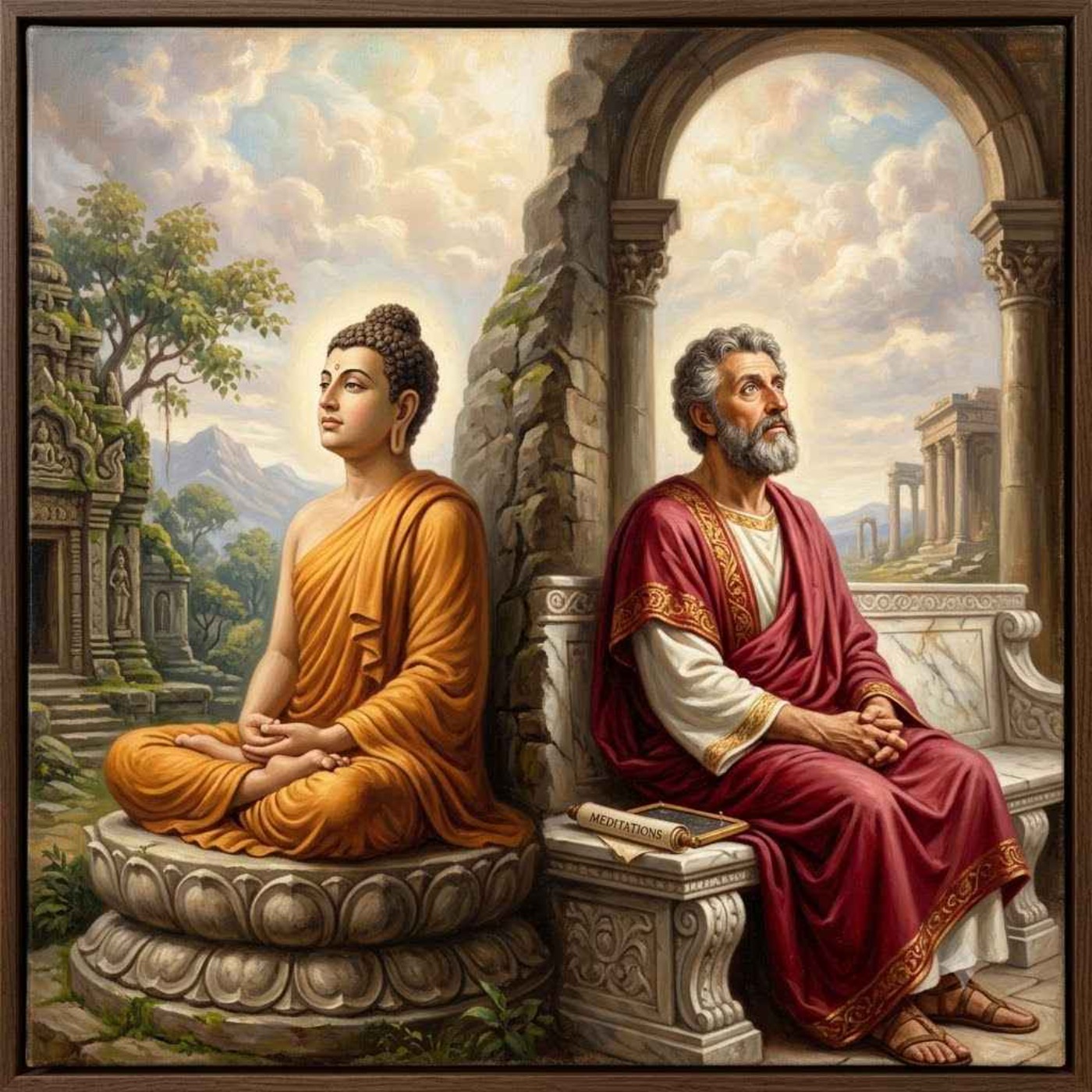
It turns out, the wise tend to converge on understanding the world in a similar way.


In the 20th century, philosophical titans saw this convergence. They look back to the original seers of wisdom and see in them parallels that run so deep, that upon deep contemplation of these philosophies, they found a "highest common factor," including among:


  • Epicteus, Marcus Aurelius, and the Stoics
  • Plato, and various Neoplatonists such as Plotinus
  • Spinoza, Schopenhauer
  • Possibly Hegel, Wittgenstein, though they are famously difficult to interpret
  • Jiddu Krishnamurti
  • Lao Tzu, who authored the Tao Te Ching
  • ALso Chuang Tzu and Lieh Tzu
  • Jewish philosophers such as Philo of Alexandria
  • Sufi mystics of Islam, most famously Jalal al-Din Rumi
  • Jesus of Nazareth
  • St. Paul
  • Meister Eckhart, the mystic Christian 
  • St. Jon of the Cross
  • Hinduism:
  • The Sages of the Upanishads
  • Adi Shankara’s The Crest-Jewel of Wisdom
  • The Bhagavad Gita
  • The Buddha
  • Particularly Zen masters who followed
  • Various Sutras
  • The Bardo Thodol


It is the Perennial Philosophy. I call it the One Wisdom. Huxley called it the “Highest Common Factor” of universal truth.


SOURCES


Camus, Albert. The Myth of Sisyphus. 1942.

Huxley, Aldous. The Perennial Philosophy. Harper & Row, 1945.

John of the Cross, St. Dark Night of the Soul (La noche oscura del alma).

Jung, C. G. Letters, Volume 1: 1906–1950. Princeton University Press.

Kahan, Dan. Identity-protective cognition research (cross-referenced, this project).

Platform Sutra of the Sixth Patriarch (Liuzu Tan Jing).

Polanyi, Michael. Personal Knowledge: Towards a Post-Critical Philosophy. University of Chicago Press, 1958.

Polanyi, Michael. The Tacit Dimension. Doubleday, 1966.

Tolle, Eckhart. A New Earth: Awakening to Your Life's Purpose. Dutton, 2005.

Tao Te Ching (Laozi).

Watts, Alan. Become What You Are. Shambhala, 1995 (essays, 1930s–1950s).

Watts, Alan. Out of Your Mind: Tricksters, Interdependence, and the Cosmic Game of Hide-and-Seek. Sounds True, 2017.

Watts, Alan. The Wisdom of Insecurity. Pantheon, 1951.

Wittgenstein, Ludwig. Tractatus Logico-Philosophicus. 1921.

Wright, Robert. Why Buddhism Is True. Simon & Schuster, 2017.

Xiangyan Zhixian — traditional Chan/Zen biographical account (Tang dynasty, c. 820–898).

Zhuangzi (Chuang Tzu), "On the Equality of Things" ("Discussion on Making All Things Equal").

Bible. Job 42:5–6; Luke 15:11–32 (KJV).

Bhagavad Gita, 2.47.

Ovid. Metamorphoses.

McGilchrist, Iain. The Master and His Emissary: The Divided Brain and the Making of the Western World. Yale University Press, 2009.

Miles Kington. Quoted in The Independent (UK), Mar 28, 2003. 

Joseph Campbell. The Hero with a Thousand Faces. Pantheon, 1949 — "Freedom to Live," Stage 17. 

Eckhart Tolle. The Power of Now: A Guide to Spiritual Enlightenment. New World Library, 1997 

Ramana Maharshi, quoted in Ram Dass, "Dying Is Absolutely Safe"

Alan Watts, Become Who You Are. 

Sam Harris, Waking Up: A Guide to Spirituality Without Religion. 

Dalai Lama & Paul Ekman, Emotional Awareness: Overcoming the Obstacles to Psychological Balance and Compassion. Times Books, 2008

Emmet Fox, The Sermon on the Mount

Ernest Kurtz & Katherine Ketcham, The Spirituality of Imperfection. Bantam

Byron Katie, Loving What Is. Harmony, 2002. 

Diana Chapman & Jim Dethmer (with Kaley Klemp), The 15 Commitments of Conscious Leadership. 2014.

Epictetus, Discourses / Enchiridion.

Marcus Aurelius, Meditations.

Plato, Republic

Plotinus, The Enneads.

Spinoza, Ethics

Schopenhauer, The World as Will and Representation.

Hegel, Phenomenology of Spirit

Jiddu Krishnamurti, Freedom from the Known 

Philo of Alexandria, On the Creation of the World. 

1 Corinthians 1:20, 1:25, 3:19 — "the wisdom of the world is foolishness"

John 14:6 — "I am the way, the truth, and the life." 

John 8:12 — "I am the light of the world."

Galatians 2:20 or 2 Corinthians 5:17 -- "in Christ"


Hosted on Acast. See acast.com/privacy for more information.
links1