Skip to content
Artwork for Reasonably Optimistic
Reasonably Optimistic · Friday · 31 min

This medieval revolt has a warning for today

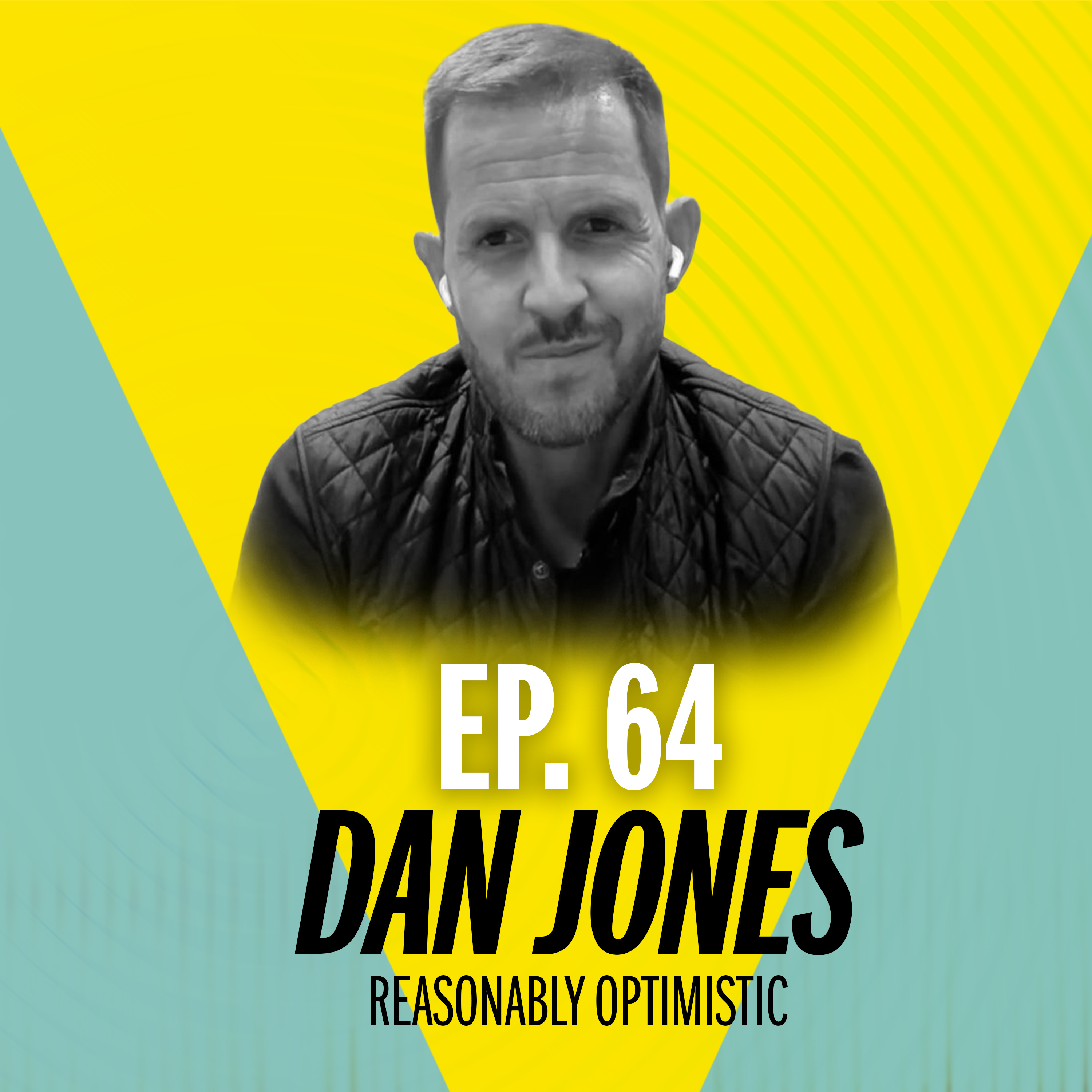
More than six centuries ago, the Black Death wiped out nearly half of England’s population. Suddenly, workers had more power, wealthy landowners had less, and the old social order began to crack. When the ruling class tried to force that order back into place, anger erupted into the Peasants’ Revolt of 1381 — a political crisis that feels startlingly familiar today, dramatized in the new film “The Uprising.” Host Megan McArdle is joined by historian Dan Jones, author of “Summer of Blood,” who was a consultant on the film. They explore how a pandemic transformed England’s economy, why legitimate grievances spiraled into violence, the tension between natural justice and written law, and what happens when elites stop listening to the people they govern. Subscribe to The Washington Post here.

0:00-31:03

transcript

No transcript — this publisher did not publish one.

show notes

More than six centuries ago, the Black Death wiped out nearly half of England’s population. Suddenly, workers had more power, wealthy landowners had less, and the old social order began to crack. When the ruling class tried to force that order back into place, anger erupted into the Peasants’ Revolt of 1381 — a political crisis that feels startlingly familiar today, dramatized in the new film “The Uprising.”


Host Megan McArdle is joined by historian Dan Jones, author of “Summer of Blood,” who was a consultant on the film. They explore how a pandemic transformed England’s economy, why legitimate grievances spiraled into violence, the tension between natural justice and written law, and what happens when elites stop listening to the people they govern.


Subscribe to The Washington Post here.
links1