Skip to content
Artwork for Real World Ophthalmology
Real World Ophthalmology · June 17 · 27 min

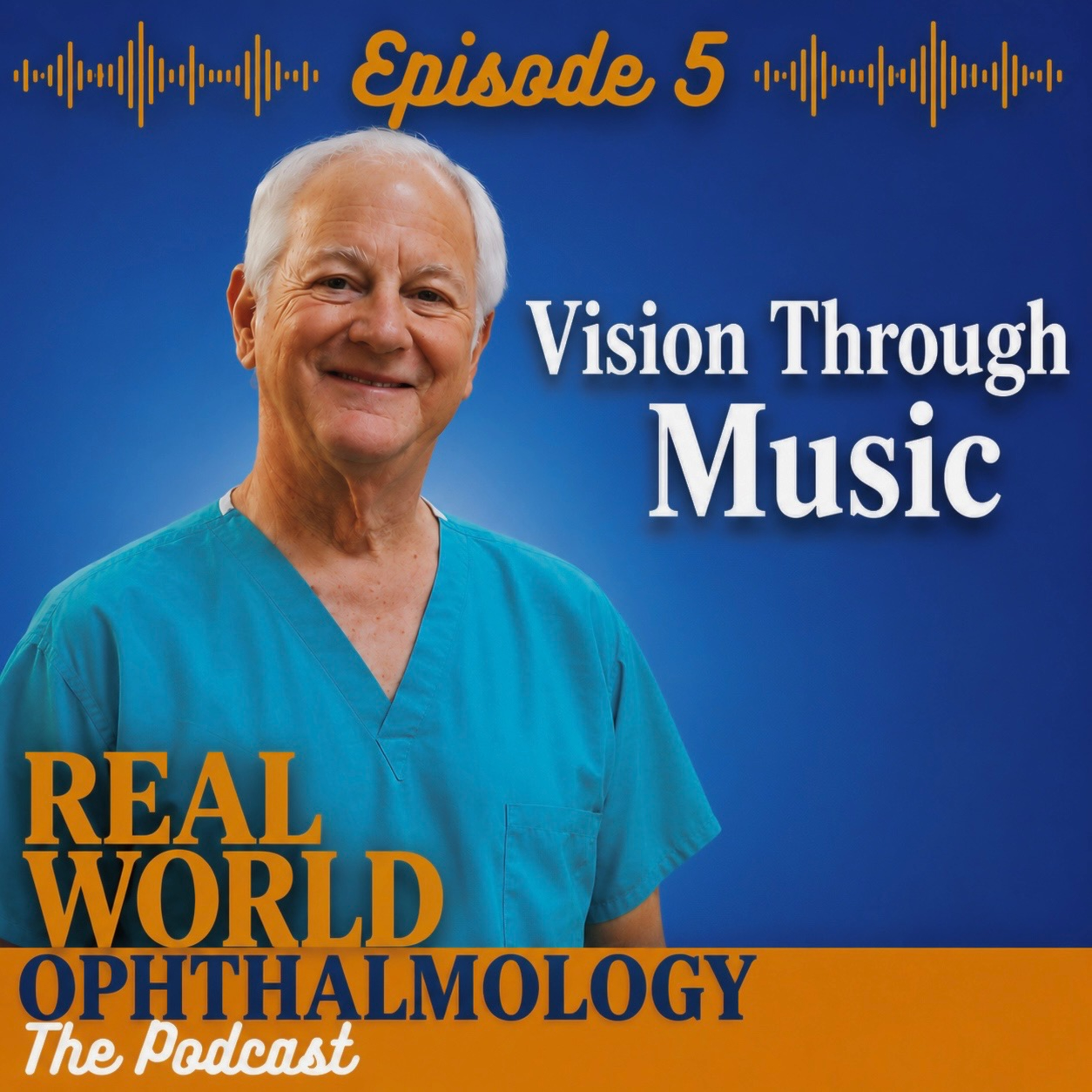
Vision Through Music

What if the key to unlocking a blind child's potential isn't found in a clinic — but in a music lesson? In this episode, Dr. Lisa Nijm sits down with Dr. Bradley Black, retired pediatric ophthalmologist and founder of Vision Through Music — a program of the Children's Eye Foundation of AAPOS in partnership with the Academy of Music for the Blind — to explore the remarkable neuroscience behind early blindness and music. Dr. Black explains why blind children have a significantly higher prevalence of perfect pitch than even virtuoso musicians, how the visual cortex is literally recruited for musical processing in the blind brain, and why the shift away from schools for the blind has left many families without access to the music education their children desperately need. He also walks through how ophthalmologists can reframe difficult visual diagnoses by introducing music as a path forward — and how Vision Through Music connects families with trained teachers, financial grants, and free resources at visionthroughmusic.org. Whether you're delivering a hard diagnosis or looking for ways to better support your patients, this episode will change how you think about blindness, the brain, and the power of music. 🎵 Visit visionthroughmusic.org to refer patients, find a teacher, or get involved. 📩 Questions? Contact@visionthroughmusic.org

0:00-27:12

transcript

No transcript — this publisher did not publish one.

show notes

What if the key to unlocking a blind child's potential isn't found in a clinic — but in a music lesson?


In this episode, Dr. Lisa Nijm sits down with Dr. Bradley Black, retired pediatric ophthalmologist and founder of Vision Through Music — a program of the Children's Eye Foundation of AAPOS in partnership with the Academy of Music for the Blind — to explore the remarkable neuroscience behind early blindness and music.


Dr. Black explains why blind children have a significantly higher prevalence of perfect pitch than even virtuoso musicians, how the visual cortex is literally recruited for musical processing in the blind brain, and why the shift away from schools for the blind has left many families without access to the music education their children desperately need.


He also walks through how ophthalmologists can reframe difficult visual diagnoses by introducing music as a path forward — and how Vision Through Music connects families with trained teachers, financial grants, and free resources at visionthroughmusic.org.


Whether you're delivering a hard diagnosis or looking for ways to better support your patients, this episode will change how you think about blindness, the brain, and the power of music.


🎵 Visit visionthroughmusic.org to refer patients, find a teacher, or get involved.

📩 Questions? Contact@visionthroughmusic.org