Skip to content
Artwork for React Universe On Air
React Universe On Air · Wednesday · 1 hr 7 min

When Coding Gets Faster, What Breaks Next? | React Universe On Air

AI can generate code faster than your team can review, test, or release it. That extra output can turn the next stage of software delivery into a bottleneck. Matt Hargett, Consulting Principal Engineer at Callstack, joins Łukasz Chludziński to examine how AI agents change the software development lifecycle (SDLC). Drawing on nearly 30 years of experience, from QA at McAfee to agent workflows today, Matt explains how to find the current constraint and anticipate where work will pile up next. In this episode, we discuss: ➡️ Why an on-time release can still lose money through support and infrastructure costs ➡️ How to give agents goals, context, and explicit quality expectations ➡️ How coverage-guided fuzzing can become an overnight testing and repair loop ➡️ How deployment bottlenecks grow release batches, and where phased rollouts and over-the-air updates fit ➡️ When to rethink Jira tickets and handoffs between teams ➡️ How to measure whether AI adoption improves delivery through support load, uptime, and production feedback Which part of your delivery process would struggle if coding got twice as fast? Share your experience in the comments, and subscribe for more React Universe On Air conversations. Check out episode resources on our website ➡️ https://clstk.com/4yF4yjl Catch more React Universe On Air episodes 🎧 https://clstk.com/4B1G9q4 Sign up for our newsletter ✉️ https://clstk.com/3VsrLXB Follow us on X 🐦 https://x.com/callstackio Chapters: 00:00 Faster coding, same deployment bottleneck 00:54 Meet Matt Hargett 02:07 QA at McAfee in 1997 07:19 Product economics and estimation 11:49 Mapping the SDLC in the AI era 16:25 Shipping, quality, and operating costs 22:34 Delegating to agents: goals and guardrails 25:21 Coverage-guided fuzzing explained 28:06 Overnight testing and repair loops 30:06 How agents change engineering roles 36:55 Do agents still need Jira tickets? 44:16 Using customer pain to prioritize improvements 49:41 Finding your next delivery bottleneck 54:07 Phased deployments, staging, and telemetry 57:06 Examining how teams really work 01:01:18 Improving the SDLC incrementally 01:03:06 Measuring outcomes and getting outside help 01:06:52 Closing thoughts

0:00-1:07:45

transcript

No transcript — this publisher did not publish one.

show notes

AI can generate code faster than your team can review, test, or release it. That extra output can turn the next stage of software delivery into a bottleneck.

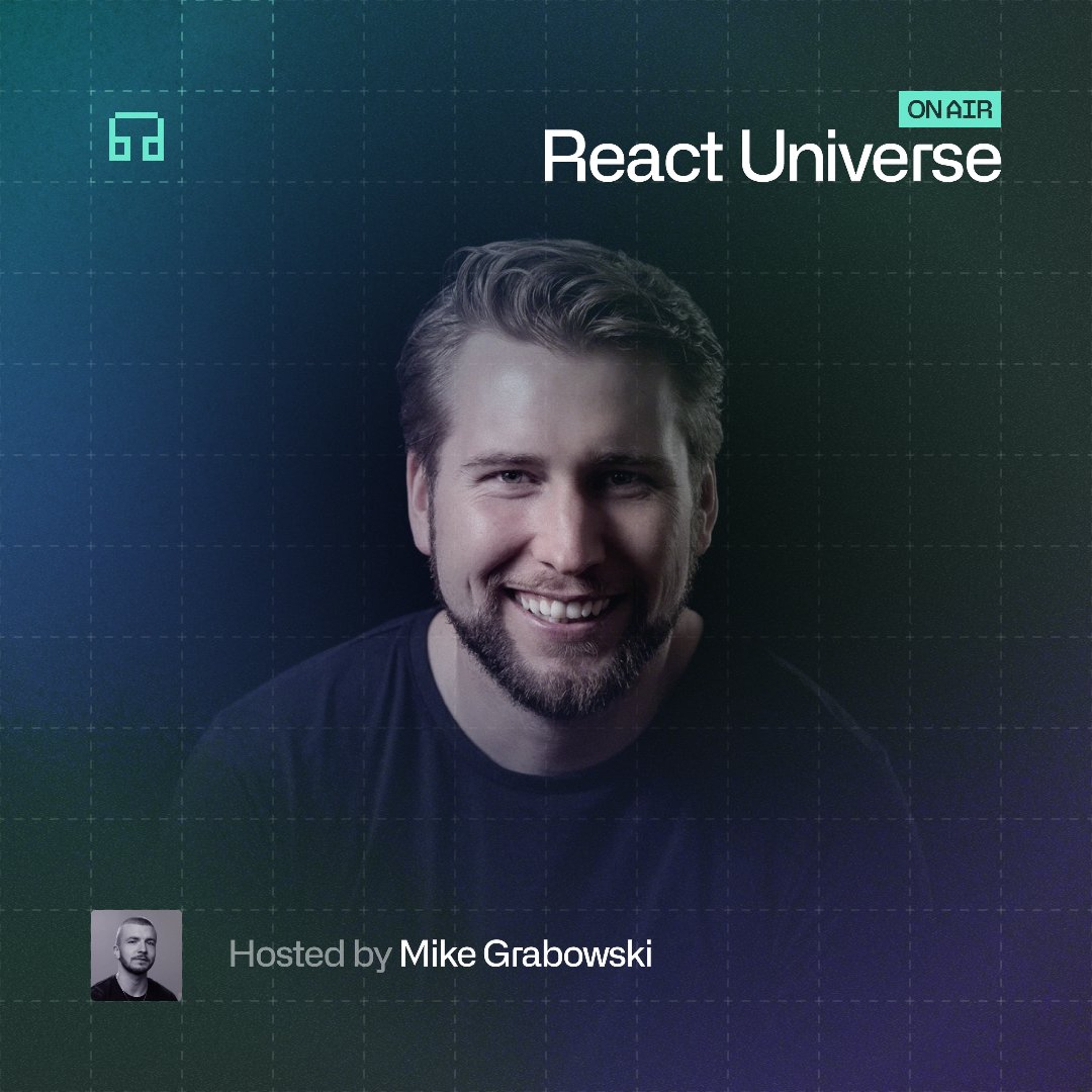
Matt Hargett, Consulting Principal Engineer at Callstack, joins Łukasz Chludziński to examine how AI agents change the software development lifecycle (SDLC). Drawing on nearly 30 years of experience, from QA at McAfee to agent workflows today, Matt explains how to find the current constraint and anticipate where work will pile up next.

In this episode, we discuss:
➡️ Why an on-time release can still lose money through support and infrastructure costs
➡️ How to give agents goals, context, and explicit quality expectations
➡️ How coverage-guided fuzzing can become an overnight testing and repair loop
➡️ How deployment bottlenecks grow release batches, and where phased rollouts and over-the-air updates fit
➡️ When to rethink Jira tickets and handoffs between teams
➡️ How to measure whether AI adoption improves delivery through support load, uptime, and production feedback

Which part of your delivery process would struggle if coding got twice as fast? Share your experience in the comments, and subscribe for more React Universe On Air conversations.

Check out episode resources on our website ➡️ https://clstk.com/4yF4yjl
Catch more React Universe On Air episodes 🎧 https://clstk.com/4B1G9q4
Sign up for our newsletter ✉️ https://clstk.com/3VsrLXB
Follow us on X 🐦 https://x.com/callstackio

Chapters:
00:00 Faster coding, same deployment bottleneck
00:54 Meet Matt Hargett
02:07 QA at McAfee in 1997
07:19 Product economics and estimation
11:49 Mapping the SDLC in the AI era
16:25 Shipping, quality, and operating costs
22:34 Delegating to agents: goals and guardrails
25:21 Coverage-guided fuzzing explained
28:06 Overnight testing and repair loops
30:06 How agents change engineering roles
36:55 Do agents still need Jira tickets?
44:16 Using customer pain to prioritize improvements
49:41 Finding your next delivery bottleneck
54:07 Phased deployments, staging, and telemetry
57:06 Examining how teams really work
01:01:18 Improving the SDLC incrementally
01:03:06 Measuring outcomes and getting outside help
01:06:52 Closing thoughts