Skip to content
Artwork for Quantum Imaging Lab
Quantum Imaging Lab · July 6 · 49 min

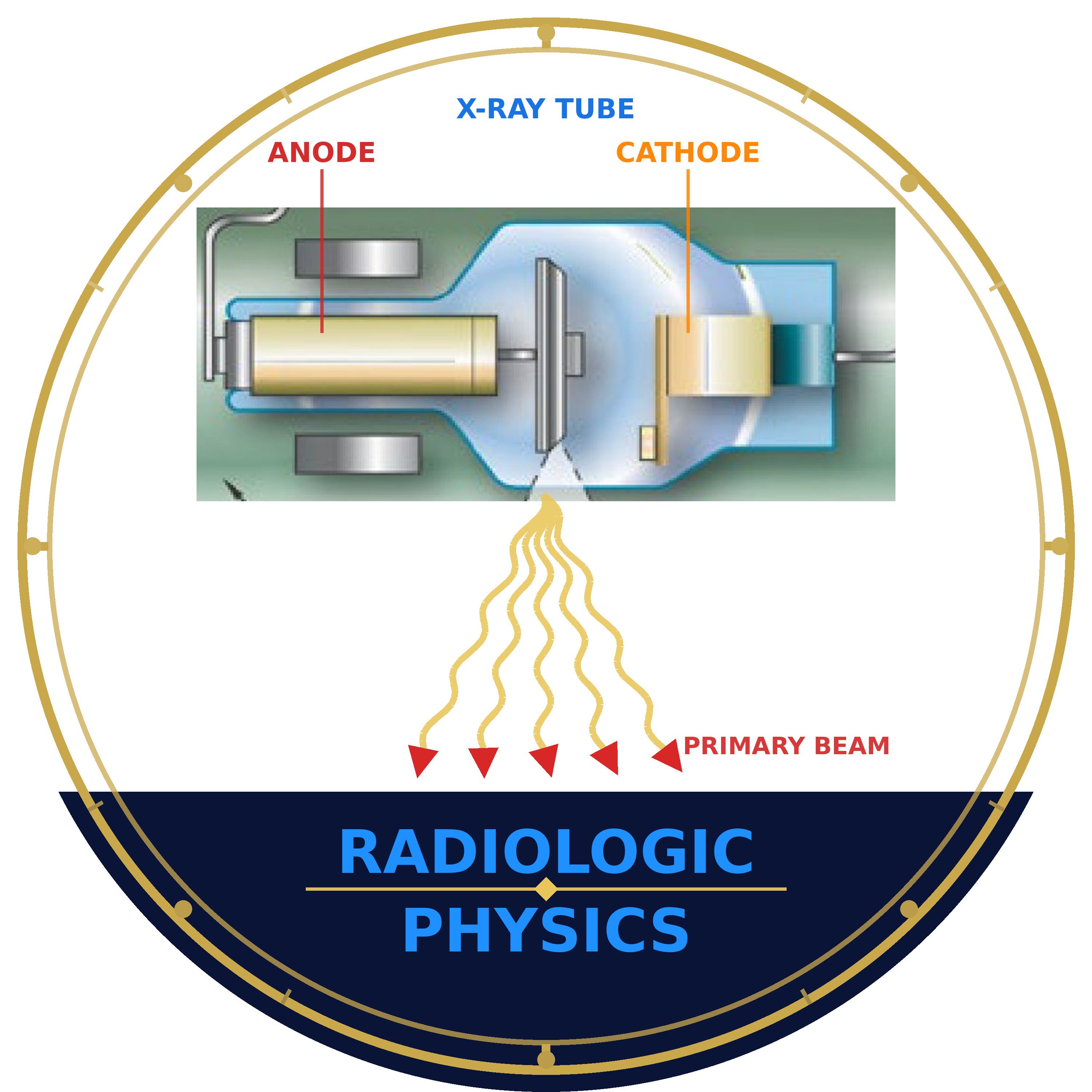
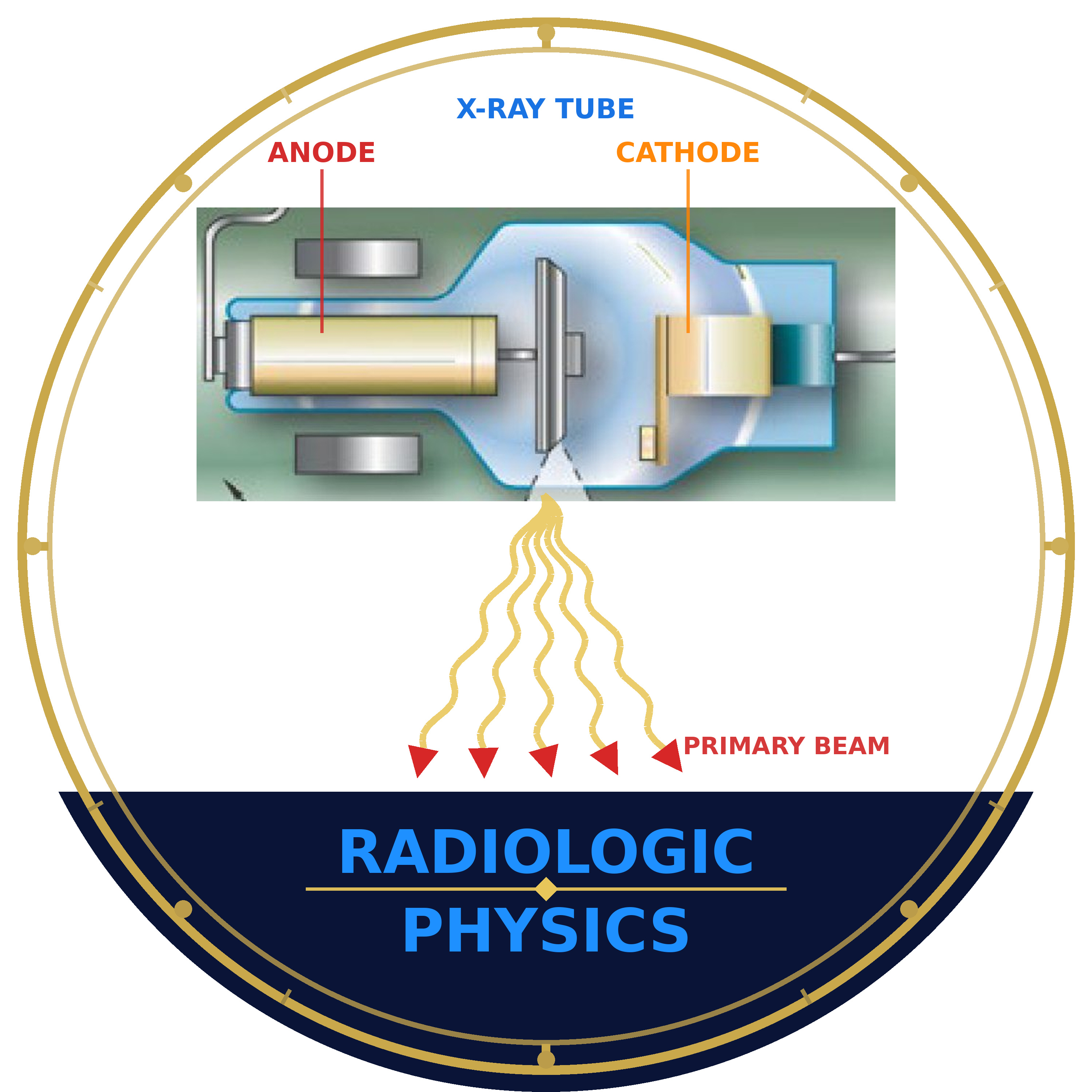
[Radiologic Physics] Ep 15 – X-ray Interactions with matter

This episode examines what happens when x-ray photons enter the body — beginning with the foundational terms of primary radiation, transmission, exit radiation, and attenuation, and establishing how the four tissue factors of energy, thickness, atomic number, and mass density each govern how much of the beam is absorbed versus transmitted. Prof. Arya explains why differential absorption is the physical basis of radiographic contrast, and connects these principles directly to how radiographers select exposure factors to balance image quality against patient dose. The second half covers all five types of x-ray interactions with matter in sequence: coherent scattering, Compton scattering, photoelectric absorption, pair production, and photodisintegration — with emphasis on the two interactions that dominate diagnostic imaging. Compton scattering is traced from outer-shell ejection through recoil electron behavior and scatter angle, with attention to its role in radiographic fog and occupational exposure. Photoelectric absorption is analyzed through the photoelectron, the cascade effect, and the Z³ and 1/E³ probability relationships that make it essential for image contrast and the basis of contrast agent use. This episode aligns with the Radiation Physics and Radiobiology content category — specifically x-ray interactions with matter — of the ARRT Radiography Examination Content Specifications. Audio content is adapted from original instructional material developed by Professor Sanjay Arya, M.S., R.T.(R)(MR) for radiologic technology education. Part of the Radiologic Physics series — Quantum Imaging Lab. © 2026 Quantum Imaging Lab. All rights reserved.

0:00-49:39

transcript

No transcript — this publisher did not publish one.

show notes

This episode examines what happens when x-ray photons enter the body — beginning with the foundational terms of primary radiation, transmission, exit radiation, and attenuation, and establishing how the four tissue factors of energy, thickness, atomic number, and mass density each govern how much of the beam is absorbed versus transmitted. Prof. Arya explains why differential absorption is the physical basis of radiographic contrast, and connects these principles directly to how radiographers select exposure factors to balance image quality against patient dose.

The second half covers all five types of x-ray interactions with matter in sequence: coherent scattering, Compton scattering, photoelectric absorption, pair production, and photodisintegration — with emphasis on the two interactions that dominate diagnostic imaging. Compton scattering is traced from outer-shell ejection through recoil electron behavior and scatter angle, with attention to its role in radiographic fog and occupational exposure. Photoelectric absorption is analyzed through the photoelectron, the cascade effect, and the Z³ and 1/E³ probability relationships that make it essential for image contrast and the basis of contrast agent use.

This episode aligns with the Radiation Physics and Radiobiology content category — specifically x-ray interactions with matter — of the ARRT Radiography Examination Content Specifications.

Audio content is adapted from original instructional material developed by Professor Sanjay Arya, M.S., R.T.(R)(MR) for radiologic technology education. Part of the Radiologic Physics series — Quantum Imaging Lab.

© 2026 Quantum Imaging Lab. All rights reserved.