Skip to content
Artwork for Quantum Imaging Lab
Quantum Imaging Lab · April 27 · 41 min

[Radiation Biology] Ep 3 – Cell Structure, Function, and Division

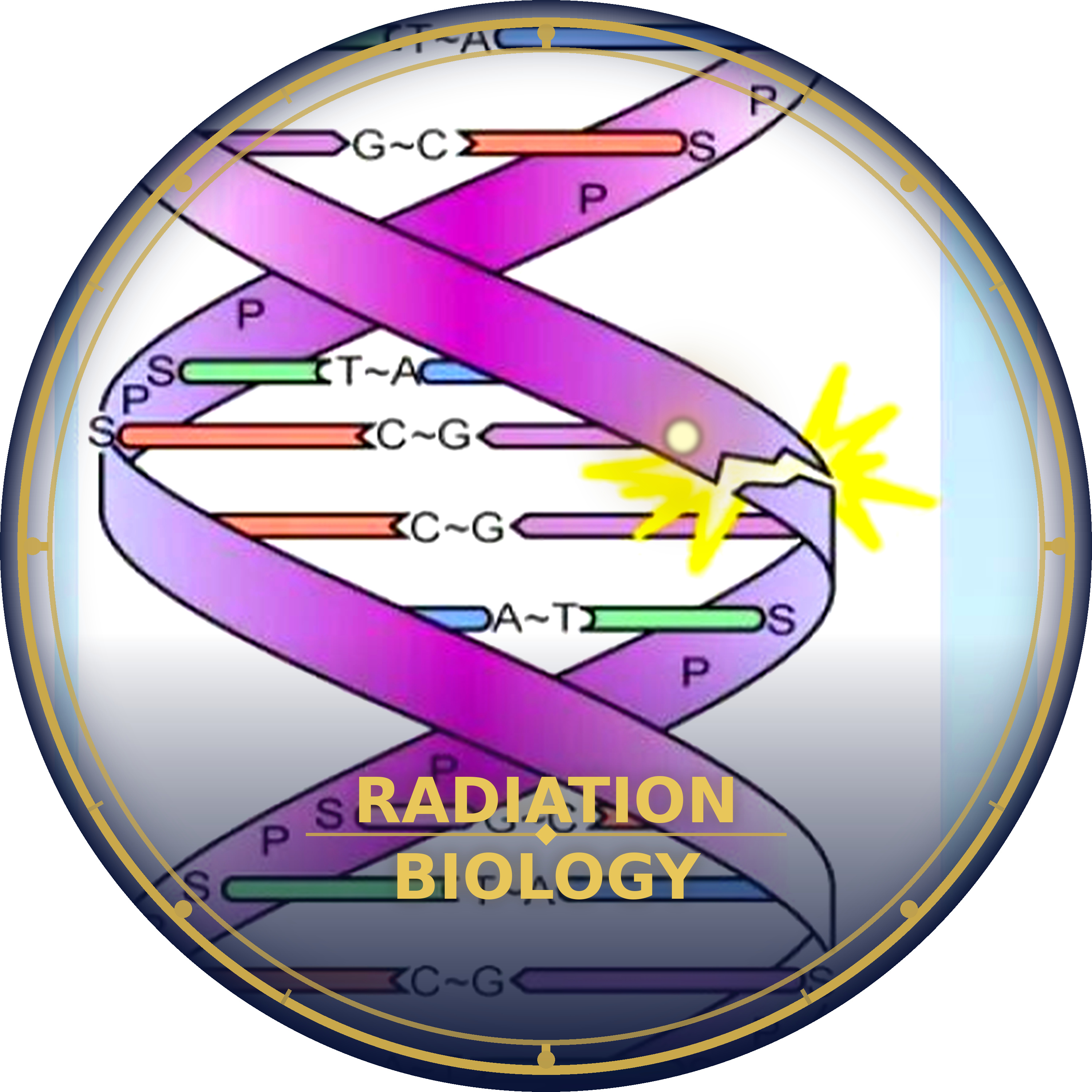
Cells are the fundamental building blocks of all living matter, and understanding their architecture is essential to grasping how radiation causes biological harm. This episode covers the structural organization of the human body from organ systems down to the individual cell, introduces cell theory, and explores the major components of the cell — including the plasma membrane, nucleus, and cytoplasmic organelles such as mitochondria, ribosomes, the endoplasmic reticulum, Golgi apparatus, and lysosomes. Special attention is given to the nucleus as the most radiation-sensitive component of the cell, and to the chemical composition of protoplasm including both inorganic and organic compounds. The episode takes a focused look at the four classes of organic molecules — carbohydrates, lipids, proteins, and nucleic acids — with particular emphasis on DNA and RNA. The double-helical structure of DNA, its base-pairing rules, and its role as the master chemical governing all cellular functions are examined alongside the three types of RNA and their roles in protein synthesis. The two-step process of transcription and translation is walked through in detail, connecting molecular biology directly to the radiation biology principle that DNA is the primary radiosensitive target molecule within the living cell. Content is structured to support radiologic technology programs preparing for imaging coursework and ARRT certification review. This episode aligns with the Safety content category — Radiation Physics and Radiobiology subcategory — of the ARRT Radiography Examination Content Specifications. Audio content is adapted from original instructional material developed by Professor Sanjay Arya, M.S., R.T.(R)(MR) for radiologic technology education. Part of the Radiation Biology series — Quantum Imaging Lab. © 2026 Quantum Imaging Lab. All rights reserved.

0:00-41:47

transcript

No transcript — this publisher did not publish one.

show notes

Cells are the fundamental building blocks of all living matter, and understanding their architecture is essential to grasping how radiation causes biological harm. This episode covers the structural organization of the human body from organ systems down to the individual cell, introduces cell theory, and explores the major components of the cell — including the plasma membrane, nucleus, and cytoplasmic organelles such as mitochondria, ribosomes, the endoplasmic reticulum, Golgi apparatus, and lysosomes. Special attention is given to the nucleus as the most radiation-sensitive component of the cell, and to the chemical composition of protoplasm including both inorganic and organic compounds.

The episode takes a focused look at the four classes of organic molecules — carbohydrates, lipids, proteins, and nucleic acids — with particular emphasis on DNA and RNA. The double-helical structure of DNA, its base-pairing rules, and its role as the master chemical governing all cellular functions are examined alongside the three types of RNA and their roles in protein synthesis. The two-step process of transcription and translation is walked through in detail, connecting molecular biology directly to the radiation biology principle that DNA is the primary radiosensitive target molecule within the living cell.

Content is structured to support radiologic technology programs preparing for imaging coursework and ARRT certification review. This episode aligns with the Safety content category — Radiation Physics and Radiobiology subcategory — of the ARRT Radiography Examination Content Specifications.

Audio content is adapted from original instructional material developed by Professor Sanjay Arya, M.S., R.T.(R)(MR) for radiologic technology education. Part of the Radiation Biology series — Quantum Imaging Lab.

© 2026 Quantum Imaging Lab. All rights reserved.