Skip to content
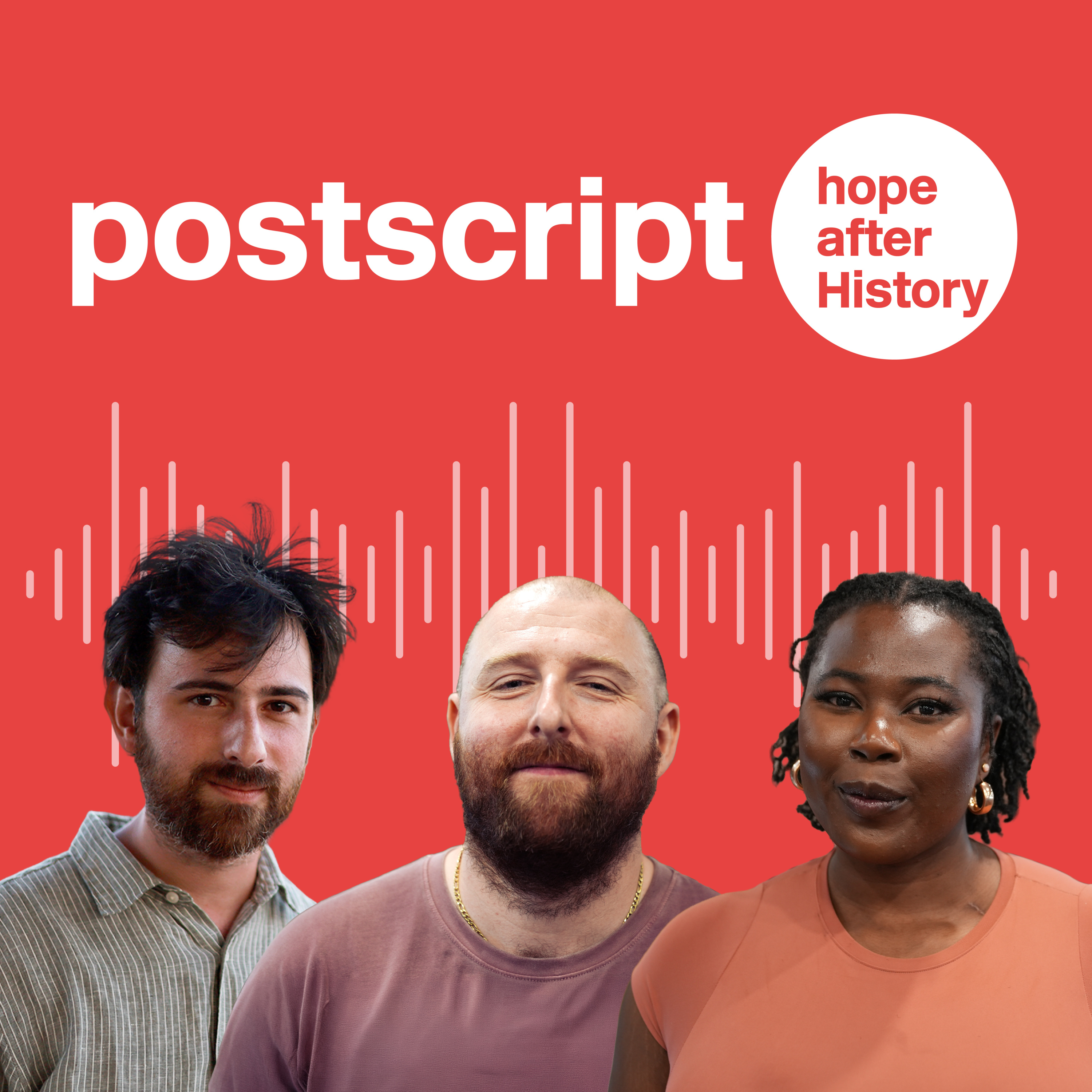
Artwork for postscript
postscript · Tuesday · 1 hr 18 min

Britain's Real History with Catherine Hall

How should histories of empire and slavery inform our understanding of Britain today? And when people talk about reparations, what do they really mean? Catherine Hall started as a feminist historian of industrial capitalism in nineteenth century Britain, became an imperial historian of merchant capitalism in eighteenth century Britain and Jamaica, and now finds herself retraining again as a seventeenth century historian of agrarian capitalism in Britain, Ireland and Jamaica. She explains how it's all been motivated by investigating her own experiences as an English woman and mother and her long marriage to Stuart Hall: trying to understand how the hierarchies she knew got made. This is the third installment in our mini-series on rethinking British history, following previous postscript episodes with David Edgerton on Britain's twentieth century beyond narratives of decline, then Jonas Patrick Marvin and Annie Olaloku Teriba on the shifting sands of class politics from the 1960s to the present. This episode takes a longer view. Visit https://tribunemag.co.uk/subscribe/?code=AUTUMN2026 to subscribe to Tribune's quarterly print edition - New Issue is Out Chapters :(0:00) Introduction (1:53) Family capitalism (9:41) Discovering racial capitalism (30:24) Reparations and repair (38:05) Beyond identity politics (46:52) How land became private property (54:04) What is racialisation? (57:38) New far-right and masculinity (1:00:50) Politics of space (1:04:52) Who influenced you? (1:10:13) Stuart Hall (1:12:43)Britishness

0:00-1:18:48

transcript

No transcript — this publisher did not publish one.

show notes

How should histories of empire and slavery inform our understanding of Britain today? And when people talk about reparations, what do they really mean? Catherine Hall started as a feminist historian of industrial capitalism in nineteenth century Britain, became an imperial historian of merchant capitalism in eighteenth century Britain and Jamaica, and now finds herself retraining again as a seventeenth century historian of agrarian capitalism in Britain, Ireland and Jamaica. She explains how it's all been motivated by investigating her own experiences as an English woman and mother and her long marriage to Stuart Hall: trying to understand how the hierarchies she knew got made.


This is the third installment in our mini-series on rethinking British history, following previous postscript episodes with David Edgerton on Britain's twentieth century beyond narratives of decline, then Jonas Patrick Marvin and Annie Olaloku Teriba on the shifting sands of class politics from the 1960s to the present. This episode takes a longer view.

Visit https://tribunemag.co.uk/subscribe/?code=AUTUMN2026 to subscribe to Tribune's quarterly print edition - New Issue is Out

Chapters :(0:00) Introduction (1:53) Family capitalism

(9:41) Discovering racial capitalism

(30:24) Reparations and repair

(38:05) Beyond identity politics

(46:52) How land became private property

(54:04) What is racialisation?

(57:38) New far-right and masculinity

(1:00:50) Politics of space

(1:04:52) Who influenced you?

(1:10:13) Stuart Hall

(1:12:43)Britishness