Skip to content
Artwork for 台灣人台灣事
Society & Culture

台灣人台灣事

Hena Ma

《台灣人台灣事》全台語Podcast,是一個從社會關懷的視角探索台灣文化和時事的節目。這裡可聽到傳統文化習俗的由來、性別文化的反思、時事和政策的歷史發展脈絡、以及精采的生命故事。歡迎來信 henama2020@gmail.com,網站: www.cultivataiwan.com,粉專 facebook.com/HenamaTaiwan。贊助節目 https://p.ecpay.com.tw/B3A47EF ; https://www.paypal.com/paypalme/henama 。

  • 20 episodes
  • Updated July 30

Episodes20

  • July 30 · 12 min

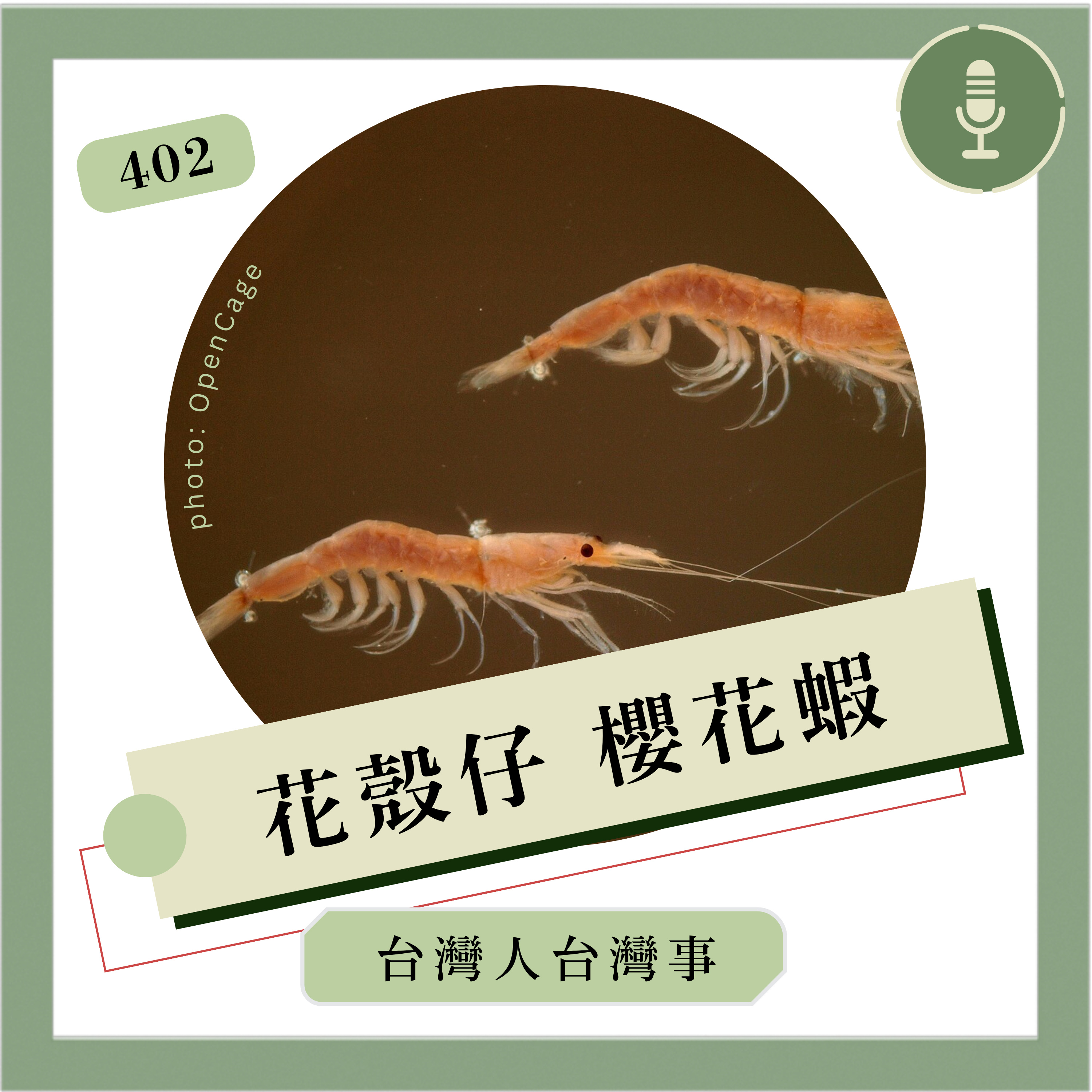
    402 花殼仔 櫻花蝦

    咱三不五時就食著的花殼仔,全世界干焦兩个所在掠會著,一个是日本,另外一个,就是台灣。這款細尾蝦仔,對往過做飼料變做是這馬珍貴的海產。這中間發生啥物代誌?東港的產銷班按怎維持花殼仔的產業佮市場?這集介紹花殼仔。 Lán sam-put-gō·-sî tō chia̍h-tio̍h ê hoe-khak-á, choân-sè-kài kan-na nn̄g-ê só·-chāi lia̍h ē-tio̍h, chi̍t-ê sī Ji̍t-pún, lēng-gōa chi̍t-ê, tō-sī Tâi-oân. Chit-khoán sè-bóe hê-á, tùi íng-kòe chò chhī-liāu, piàn-chò sī chit-má tin-kùi ê hái-sán. Chit tiong-kan hoat-seng siánn-mih tāi-chì? Tang-káng ê sán-siau-pan án-nóa uî-chhî hoe-khak-á ê sán-gia̍p kah chhī-tiûnn? Chit-chi̍p kài-siāu hoe-khak-á. Hoe-khak-á (Sakura shrimp) is something we eat from time to time — but did you know it's only caught in two places in the whole world? One is Japan, and the other is Taiwan. This tiny shrimp used to be nothing more than animal feed, yet today it's prized as a delicacy of the sea. So what happened along the way? And how does the production and marketing team in Donggang keep this industry and its market alive? This episode is all about Sakura shrimp. --------------------------------------- 訂閱電子報 https://reurl.cc/5bdqbR 網站 www.cultivataiwan.com 寫批 henama2020@gmail.com 迷眾頁 www.facebook.com/HenamaTaiwan 贊助 https://p.ecpay.com.tw/B3A47EF 抑是 www.paypal.me/henama
  • July 23 · 13 min

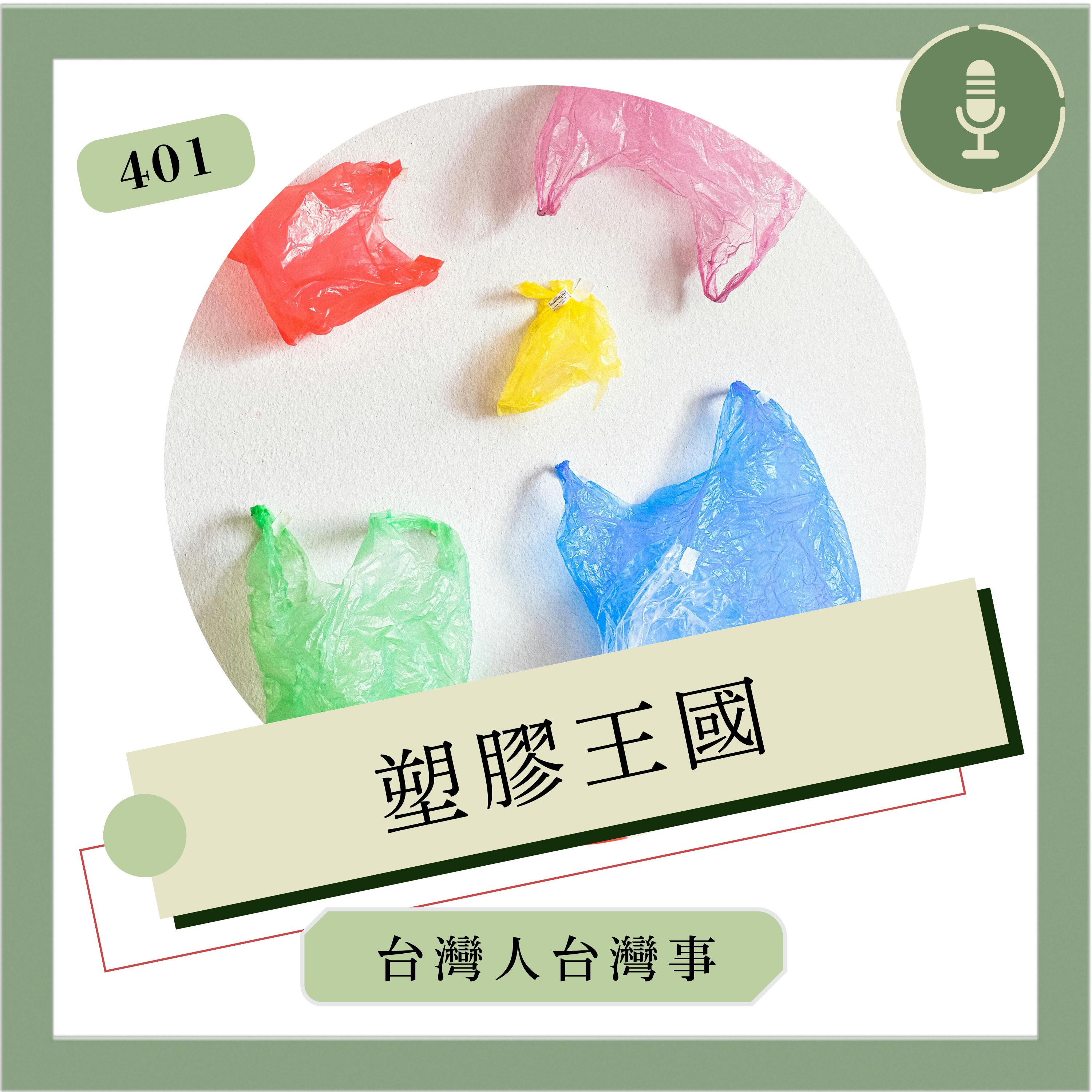
    401 台灣塑膠王國

    台灣塑膠濟閣俗,咱生活中四界攏有塑膠物。其實塑膠往過是足重要的產業,對台灣的經濟有真大的影響。塑膠工業在台灣按怎發展?按怎會有台塑公司?奇美本底嘛做塑膠。這集講塑膠產業佇台灣。 Tâi-oân sok-ka chē koh sio̍k, lán seng-oa̍h tiong sì-kè lóng ū sok-ka-mi̍h. Kî-si̍t sok-ka éng-kòe sī chiok tiōng-iàu ê sán-gia̍p, tùi Tâi-oân ê keng-chè ū chin tōa ê éng-hióng. Sok-ka kang-gia̍p tī Tâi-oân án-chóaⁿ hoat-tián? Án-chóaⁿ ē ū Tâi-sok Kong-si? Kî-bí pún-té mā chò sok-ka. Chit chi̍p kóng sok-ka sán-gia̍p tī Tâi-oân. Plastic is everywhere in Taiwan — cheap, abundant, and woven into daily life at every turn. But plastic was once a cornerstone industry, one that left a lasting mark on Taiwan's economy. How did the plastic industry take root here, and how did it grow into what it is today? How did Formosa Plastics Corporation come to be — and did you know Chimei got its start in plastics too? This episode traces the story of Taiwan's plastic industry. 台文通訊35周年 https://linktr.ee/TBTS35 --------------------------------------- 訂閱電子報 https://reurl.cc/5bdqbR 網站 www.cultivataiwan.com 寫批henama2020@gmail.com 迷眾頁 www.facebook.com/HenamaTaiwan 贊助 https://p.ecpay.com.tw/B3A47EF 抑是 www.paypal.me/henama
  • July 16 · 14 min

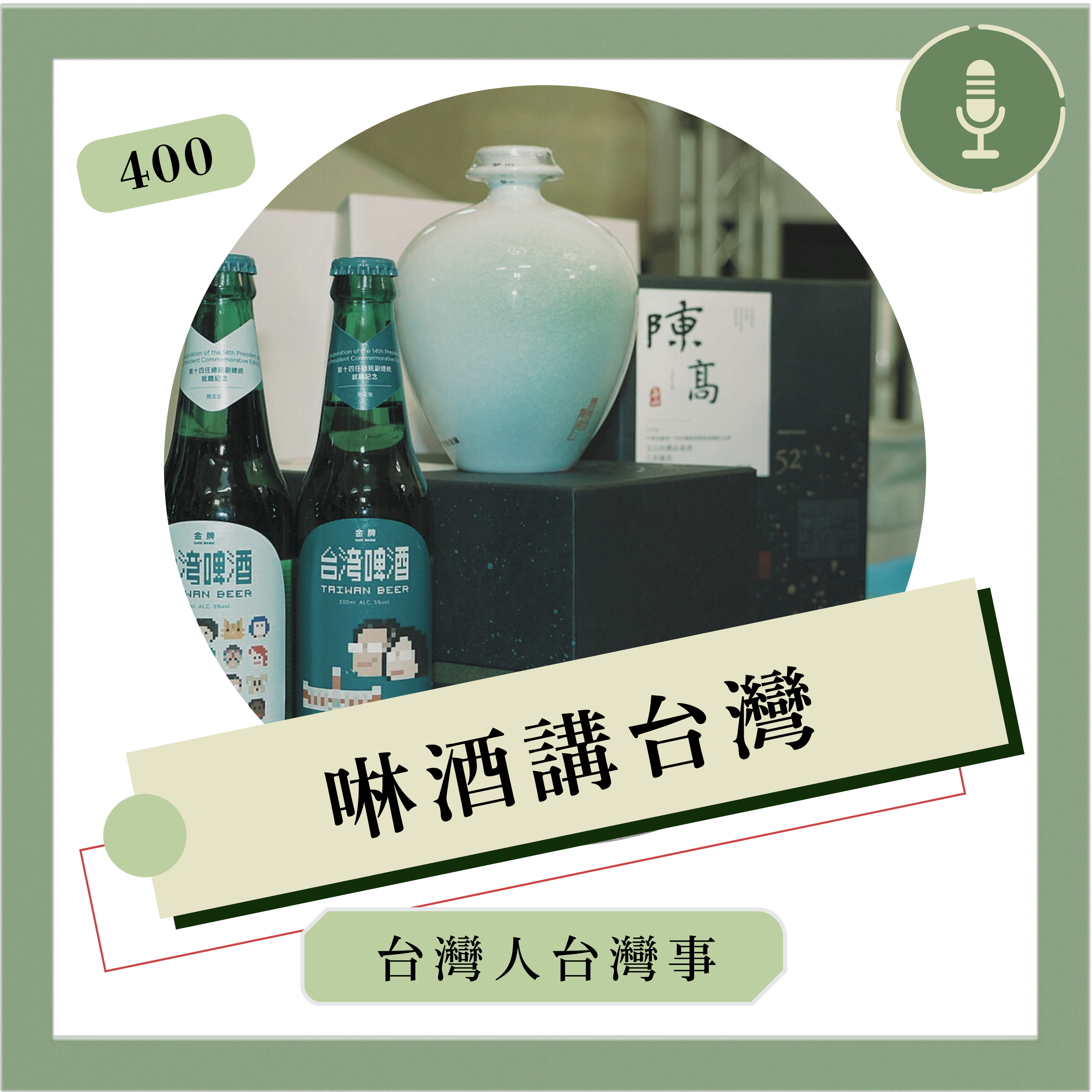
    400 啉酒講台灣

    啉酒是自早就有的文化,毋過啥物時陣啉?佮誰啉?按怎啉?是一直咧改變。啥物時陣才規定未成年袂使啉?日本時代按怎叫人莫啉酒?啉酒傷身毋過嘛是一種能力?〈酒矸通賣無〉、〈杯底不可飼金魚〉背後閣有啥物故事?這集紹介台灣人啉酒的矛盾。 Lim-chiú sī chū-chá chiū ū ê bûn-hoà, m̄-koh siáⁿ-mih sî-chūn lim? Kap siáng lim? Án-chóaⁿ lim? Sī it-ti̍t teh kái-piàn. Siáⁿ-mih sî-chūn chiah kui-tēng bī-sêng-liân bē-sái lim? Ji̍t-pún sî-tāi án-chóaⁿ kiò lâng mài lim-chiú? Lim-chiú siong-sin m̄-koh mā-sī chi̍t-chióng lêng-le̍k? "Chiú-kan Thang Bē Bô", "Poe-té Put-khó Chhī Kim-hî" poē-āu koh ū siáⁿ-mih kò͘-sū? Chit-chi̍p siāu-kài Tâi-oân-lâng lim-chiú ê mâu-tún. Drinking alcohol has been part of the culture since long ago, but when to drink, with whom to drink, and how to drink have always been changing. When was it first decided that minors couldn't drink? During the Japanese colonial era, how did people tell others not to drink? Drinking harms the body — but is it also a kind of skill? What stories lie behind the songs "Bottles for Sale" (酒矸通賣無) and "Don't Keep Goldfish at the Bottom of Your Cup" (杯底不可飼金魚)? This episode introduces the contradictions in Taiwanese drinking culture. ---------------------------------- 訂閱電子報 https://reurl.cc/5bdqbR 網站 www.cultivataiwan.com 寫批 henama2020@gmail.com 迷眾頁 www.facebook.com/HenamaTaiwan 贊助 https://p.ecpay.com.tw/B3A47EF 抑是 www.paypal.me/henama
  • July 9 · 15 min

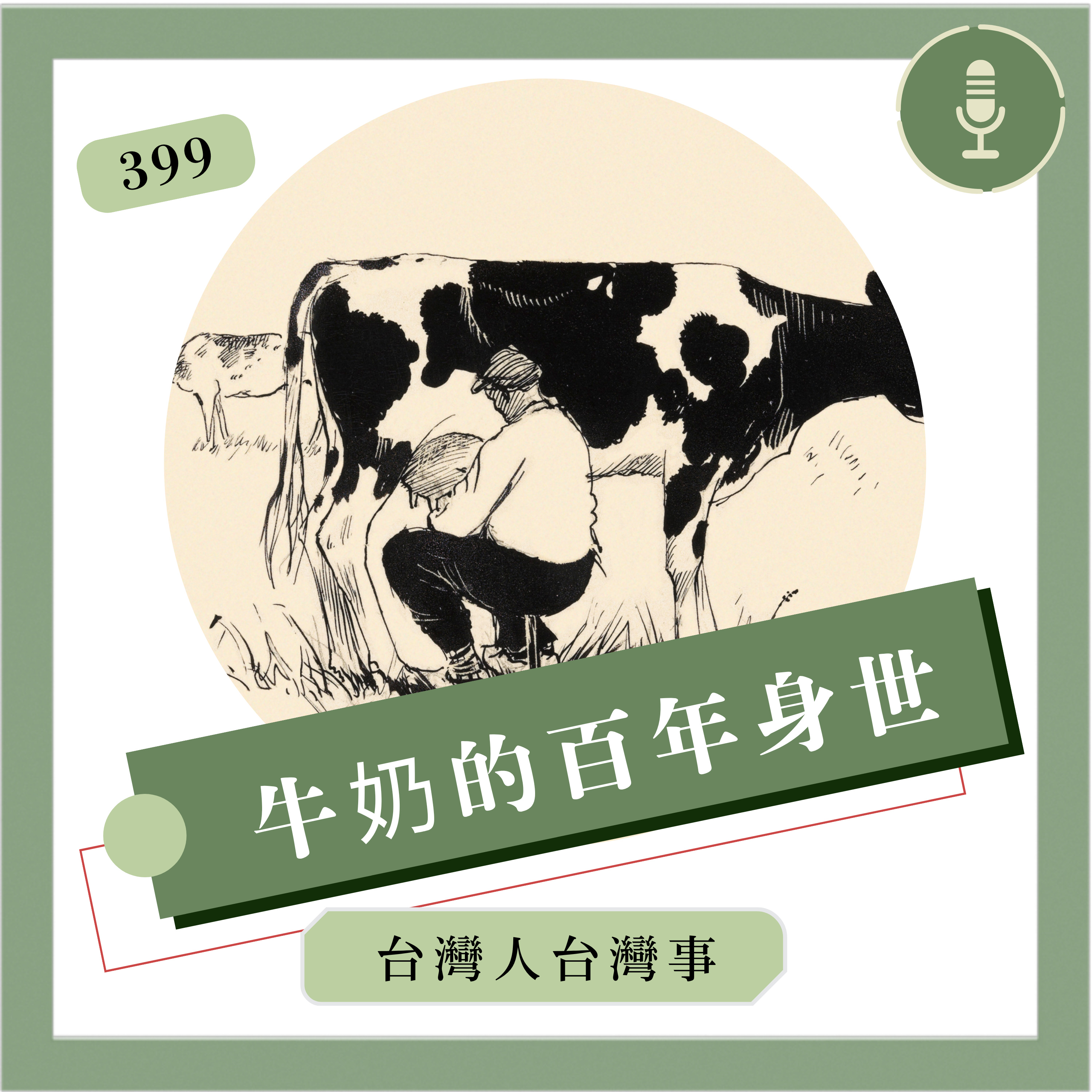
    399 牛奶的百年身世

    台灣本底無奶牛,這陣逐人攏有通啉牛奶。對外國人飼黃牛揤奶,到日本人引進奶牛、戰後逐人學泡牛奶,牛奶對補品變做日常食物經過百外冬。過去有人提牛奶粉飼豬,寒人閣有牛奶產量傷濟的問題。這集來講台灣人啉牛奶的故事。 Tâi-oân pún-té bô ling-gû, chit-chūn ta̍k-lâng lóng ū-thang lim gû-ling. Tuì gōa-kok-lâng chhī n̂g-gû chhi̍h-ling, kàu Ji̍t-pún-lâng ín-chìn ling-gû, chiàn-āu ta̍k-lâng o̍h phàu gû-ling, gû-ling tuì póo-phín piàn-chò ji̍t-siông chia̍h-mi̍h, keng-kòe pah-gōa tang. Kòe-khì ū-lâng the̍h gû-ling-hún chhī ti, kôaⁿ--lâng koh ū gû-ling sán-liōng siuⁿ-chē ê būn-tê. Chit chi̍p lâi kóng Tâi-oân-lâng lim gû-ling ê kò͘-sū. Taiwan didn't originally have dairy cows, but these days, everyone has milk to drink. It took a while to get here. At first, foreigners milked local cattle. Then the Japanese brought in proper dairy cows. After the war, people learned to mix powdered milk. Over a hundred years or so, milk went from a rare tonic to something we drink every day. Along the way, there were some odd chapters too: people once fed milk powder to pigs, and dairy farmers sometimes struggled with too much milk in winter. This episode tells the story of how Taiwan came to drink milk. --------------- 訂閱電子報 https://reurl.cc/5bdqbR 網站 www.cultivataiwan.com 寫批 henama2020@gmail.com 迷眾頁 www.facebook.com/HenamaTaiwan 贊助 https://p.ecpay.com.tw/B3A47EF 抑是 www.paypal.me/henama
  • July 2 · 12 min

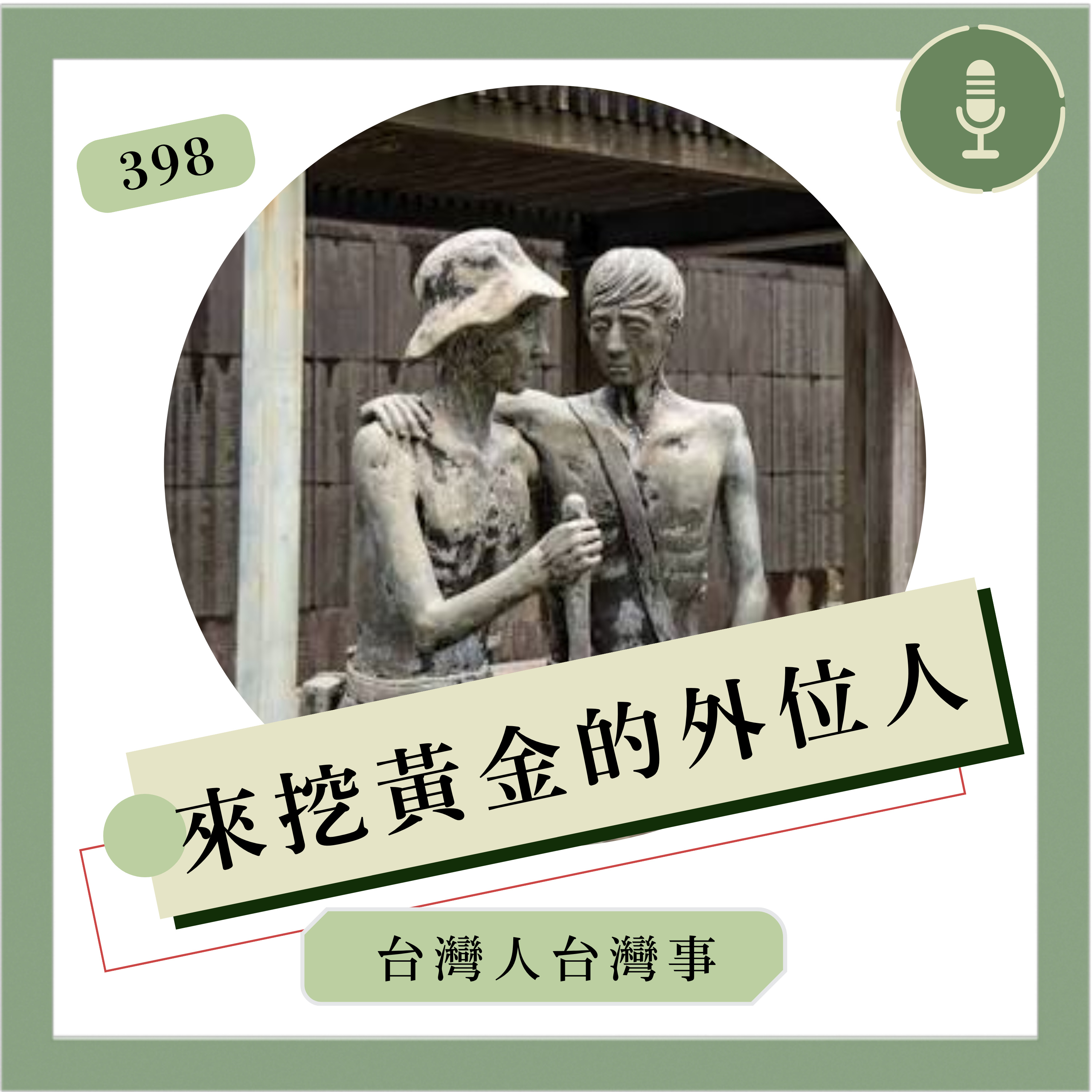
    398 來挖黃金的外位人

    這馬金仔誠貴,台灣往過嘛有黃金。本集講黃金的歷史佮九份、金瓜石「上品送金九」的年代,看顏雲年按怎對巡查變頭家。主要講日本時代為著挖金仔,閣對外口揣人來鬥挖;溫洲寮按怎變做啄鼻仔寮,介紹來金瓜石挖礦的外位人。 Chit-má kim-á chiâⁿ kùi, Tâi-oân íng-kòe mā ū n̂g-kim. Pún-chi̍p kóng n̂g-kim ê le̍k-sú kap Káu-hūn, Kim-koe-chio̍h "Siōng-phín sàng Kim-Káu" ê nî-tāi, khòaⁿ Gân Hûn-nî án-chóaⁿ tùi sûn-cha piàn thâu-ke. Chú-iàu kóng Ji̍t-pún sî-tāi ūi-tio̍h ó͘ kim-á, koh tùi gōa-kháu chhōe lâng lâi tàu ó͘; Un-chiu-liâu án-chóaⁿ piàn-chò Tok-phīⁿ-á-liâu, kài-siāu lâi Kim-koe-chio̍h ó͘-khòng ê gōa-ūi-lâng. Gold is extremely expensive these days, but Taiwan actually had its own gold in the past. This episode traces the history of gold mining and looks at how Yan Yun-nian rose from a police patrolman to a mining tycoon. The main focus is on how, during the Japanese colonial period, people dug for gold and even recruited foreigners from abroad to help with the mining; it also covers how Wenzhou Camp came to be nicknamed "Foreigners' Camp," introducing the foreigners who came to Jinguashi to work the mines. --------------------------------------- 訂閱電子報 https://reurl.cc/5bdqbR網站 www.cultivataiwan.com寫批 henama2020@gmail.com 迷眾頁 www.facebook.com/HenamaTaiwan 贊助 https://p.ecpay.com.tw/B3A47EF 抑是 www.paypal.me/henama
  • June 25 · 14 min

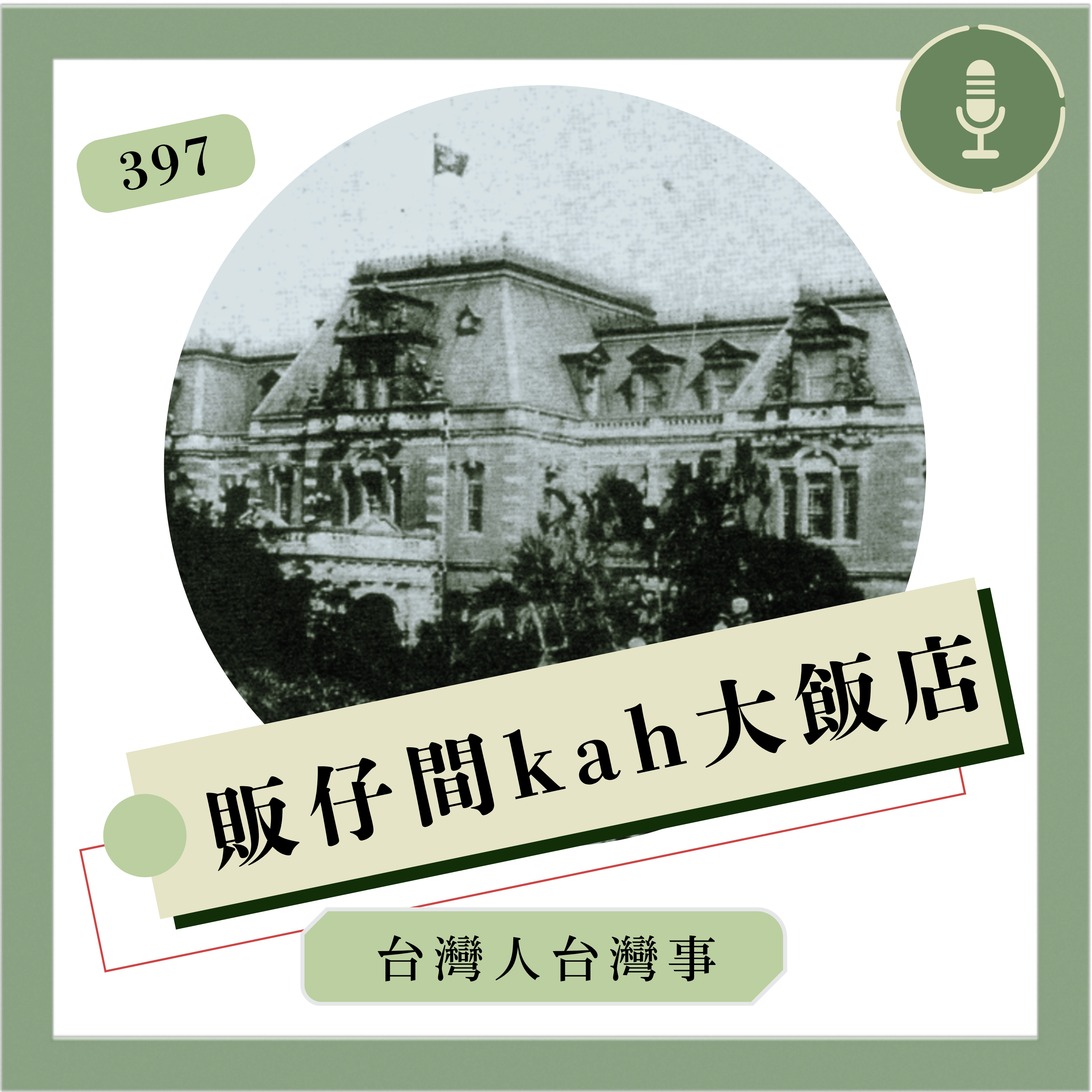
    297 販仔間佮大飯店

    出門旅行欲去佗位隔暝? 馬偕去新竹歇暝,枕頭是石頭,壁角全蜘蛛絲!對販仔間到日本時代氣派的台灣鐵道飯店, koh有1959年一件害死人的「妨害風化」案, 改變戒嚴時的旅館臨檢。這集講百外冬來, 台灣的旅社按怎變化? Chhut-mn̂g lú-hêng beh khì tó-uī keh-mê? Má-kai khì Sin-tek hioh-mê, chím-thâu sī chio̍h-thâu, piah-kak choân ti-tu-si! Tùi hoàn-á-keng kàu Ji̍t-pún sî-tāi khì-phài ê Tâi-oân Thih-tō Pn̄g-tiàm, koh ū 1959 nî chi̍t kiaⁿ hāi-sí-lâng ê "hông-hāi hong-hoà" àn, kái-piàn kài-giâm sî ê lú-koán lîm-kiám. Chit chi̍p kóng pah-gōa tang lâi, Tâi-oân ê lú-siā án-chóaⁿ piàn-hòa? Where do you stay overnight when you're traveling? When Mackay stopped in Hsinchu, his pillow was a stone slab and the corners of the room were covered in cobwebs! From cheap inns built for traveling merchants to the grand Taiwan Railway Hotel of the Japanese colonial era — plus a tragic 1959 "public indecency" case that changed hotel inspections under martial law — this episode traces how Taiwan's hotels have evolved over the past hundred-plus years. --------------------------------------- 訂閱電子報 https://reurl.cc/5bdqbR 網站 www.cultivataiwan.com 寫批 henama2020@gmail.com 迷眾頁 www.facebook.com/HenamaTaiwan 贊助 https://p.ecpay.com.tw/B3A47EF 抑是 www.paypal.me/henama
  • June 18 · 14 min

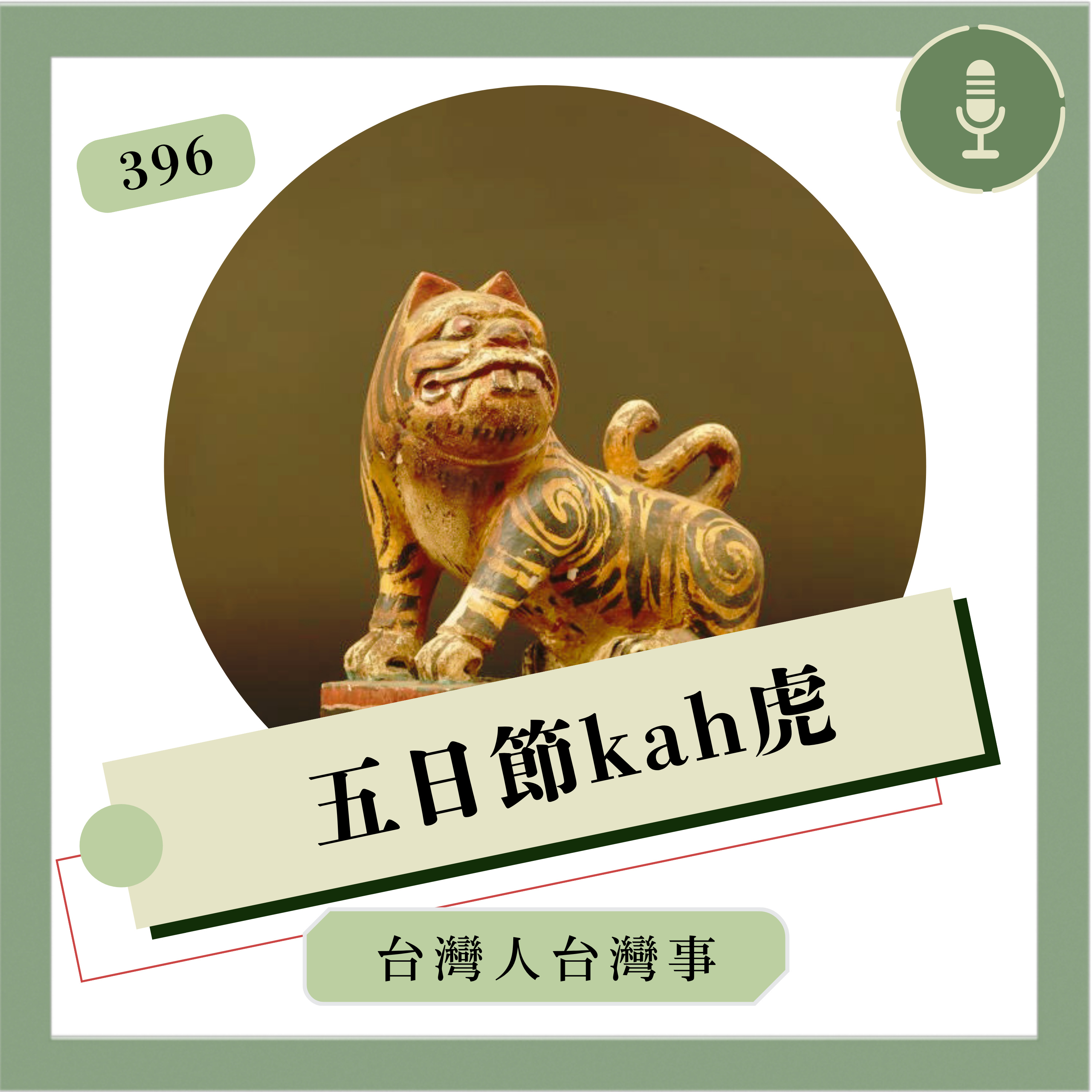
    396 五日節kah虎

    台灣無虎,毋過有足濟虎的風俗佮文化。對虎頭山、虎仔芳、虎疫到虎爺公,虎的形象有好、有䆀。按怎會害人的虎會變做囡仔神?咱來講台灣虎的文化意涵。 Tâi-oân bô hó͘, m̄-koh ū chiok chōe hó͘ ê hong-sio̍k kap bûn-hòa. Tuì Hó͘-thâu-soaⁿ, hó͘-á-phang, hó͘-e̍k kàu Hó͘-iâ-kong, hó͘ ê hêng-siōng ū hó, ū bái. Án-choáⁿ ē hāi-lâng ê hó͘ ē piàn-chò gín-á-sîn? Lán lâi kóng Tâi-oân hó͘ ê bûn-hòa ì-hâm. Taiwan has no tigers — yet it is rich with tiger customs and culture. From Tiger Head Mountain and tiger-shaped fragrant sachets, to tiger plague and the Tiger Lord, the tiger's image cuts both ways: a force for good and a harbinger of harm. So how did a creature feared as a man-eater come to be venerated as a guardian of children? Let us explore the cultural significance of the tiger in Taiwan. --------------------------------------- 訂閱電子報 https://reurl.cc/5bdqbR 網站 www.cultivataiwan.com 寫批 henama2020@gmail.com 迷眾頁 www.facebook.com/HenamaTaiwan 贊助 https://p.ecpay.com.tw/B3A47EF 抑是 www.paypal.me/henama 《有聲的光批:四秀仔》佮《臺灣女性人物群像》 賣貨便 https://tinyurl.com/ysjmy729好賣+ https://tinyurl.com/4ya9p6xc
  • June 11 · 14 min

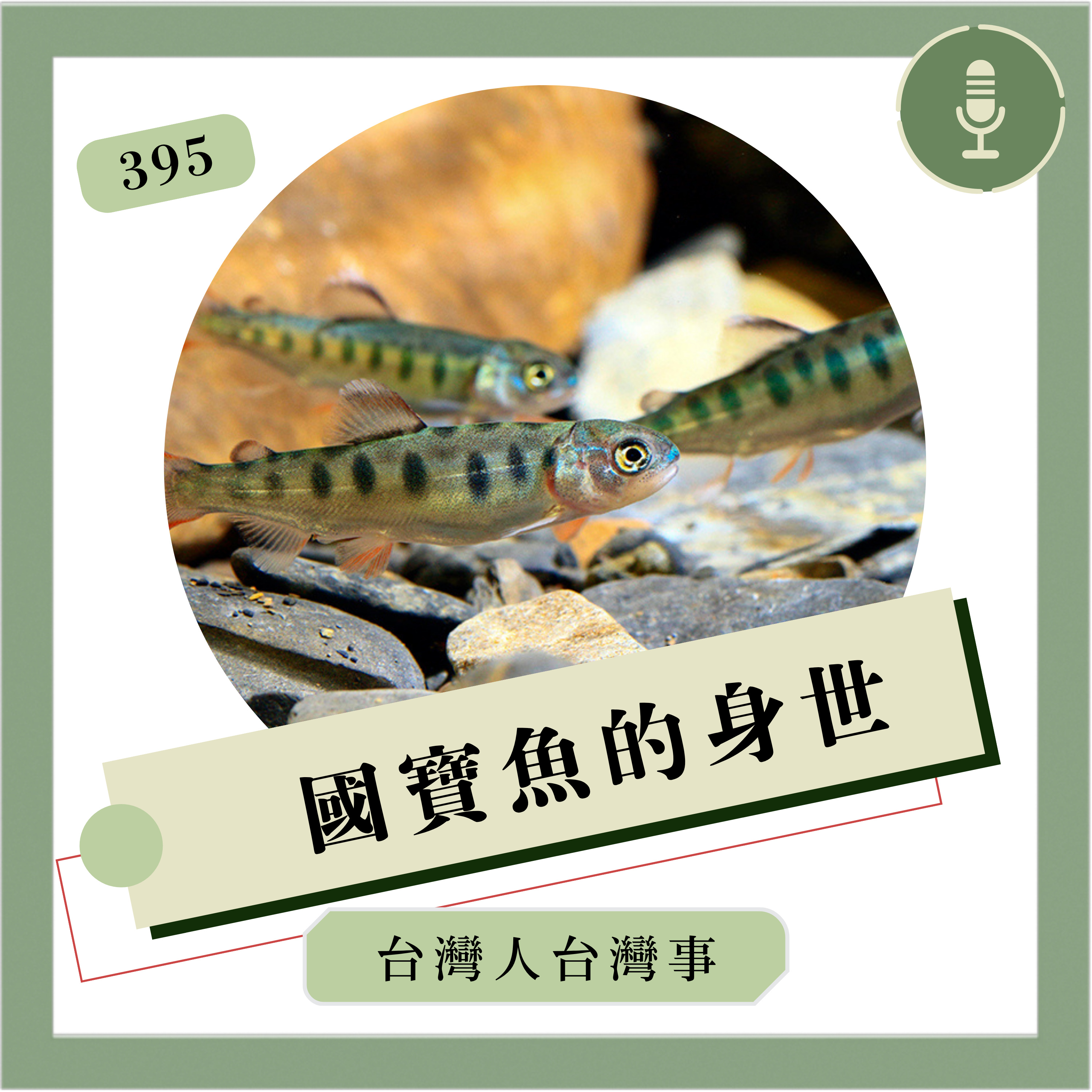
    395 國寶魚的身世

    咱食的紅鰱魚攏是對較寒的所在進口入來的,是按怎台灣遮爾燒熱會有台灣鮭?確定紋班(櫻花鉤吻鮭)的身世是誠坎坷的過程。這集毋若講是按怎台灣會有紋班,主要是講這款魚按怎予人發現,一百年來伊按怎確定是台灣特有種,閣成做國寶魚。 Lán chia̍h ê âng-liân-hî lóng sī tùi khah koâⁿ ê só͘-chāi chìn-kháu ji̍p-lâi ê, sī án-chóaⁿ Tâi-oân chiah-nī sio-joa̍h ē ū Tâi-oân kūi? Khak-tēng bûn-pan (eng-hoe-kau-bún-kui) ê sin-sè sī chiâⁿ khám-khiat ê kòe-têng. Chit-chi̍p m̄-nā kóng sī án-chóaⁿ Tâi-oân ē ū bûn-pan, chú-iàu sī kóng chit-khoán hî án-chóaⁿ hō͘ lâng hoat-hiān, 100 nî lâi i án-chóaⁿ khak-tēng sī Tâi-oân te̍k-ū-chéng, koh chiâⁿ-chò kok-pó-hî. The salmon we eat is imported from much cooler climates — so how could tropical Taiwan have a salmon of its own? Tracing the origins of the bunban — the Formosan landlocked salmon (Oncorhynchus formosanus) — has been a long and winding journey. This episode is not simply about how the bunban came to be here; it is the story of how this fish was first encountered, how it took a full 100 years to confirm it as a species unique to Taiwan, and how it came to be celebrated as the island's national treasure. -------------------------------------- 訂閱電子報 https://reurl.cc/5bdqbR 網站 www.cultivataiwan.com 寫批 henama2020@gmail.com 迷眾頁 www.facebook.com/HenamaTaiwan 贊助 https://p.ecpay.com.tw/B3A47EF 抑是 www.paypal.me/henama 《有聲的光批:四秀仔》佮《臺灣女性人物群像》 賣貨便 https://tinyurl.com/ysjmy729好賣+ https://tinyurl.com/4ya9p6xc
  • June 4 · 14 min

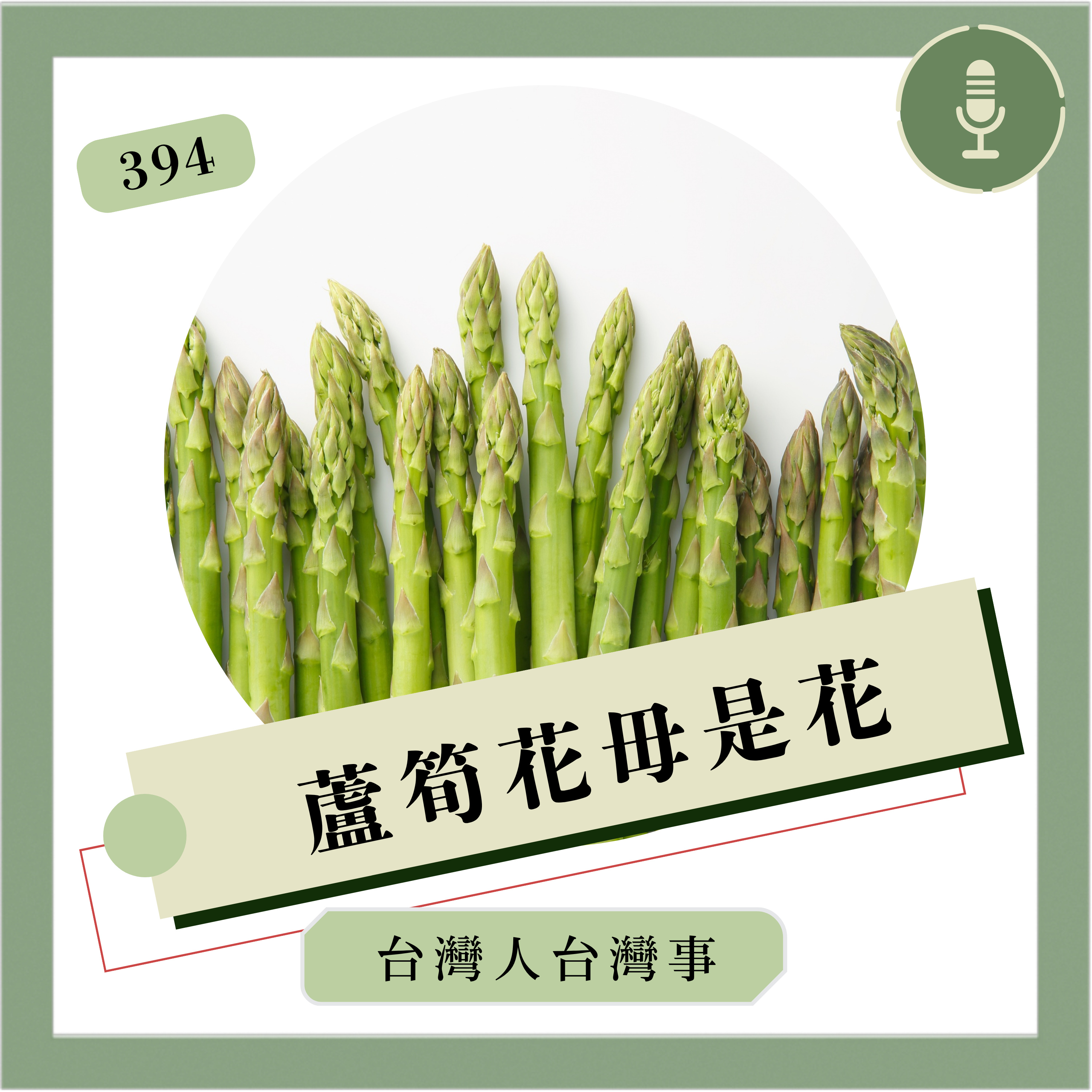
    394 蘆筍花毋是花

    台灣蘆筍罐的產量捌是世界第一。蘆筍汁干焦是蘆筍產業的副產品。蘆筍這款植物真趣味,咱講的蘆筍花毋是花,蘆筍葉嘛毋是真正的葉仔。是按怎人叫嘉義東石鄉的農會大樓是蘆筍大樓?這集講台灣蘆筍。 Tâi-oân lô͘-sún-koàn ê sán-liōng bat sī sè-kài tē-it. Lô͘-sún-chiap kan-nā sī lô͘-sún sán-gia̍p ê hù-sán-phín. Lô͘-sún chit-khoán si̍t-bu̍t chin chhù-bī, lán kóng ê lô͘-sún-hoe m̄-sī hoe, lô͘-sún-hio̍h mā m̄-sī chin-chiàⁿ ê hio̍h-á. Sī án-chóaⁿ lâng kiò Ka-gī Tang-se̍k-hiong ê lông-hōe sī lô͘-sún tōa-lâu? Chit-ki̍p kóng Tâi-oân lô͘-sún. Taiwan's canned asparagus production was once the highest in the world. Asparagus juice is merely a by-product of the asparagus industry. The asparagus is quite a fascinating plant — what we call the "asparagus flower" is not actually a flower, and the "asparagus leaf" is not a true leaf either. Why do people call the Farmers' Association Building in Dongshi Township, Chiayi, the "Asparagus Building"? This episode is about Taiwan's asparagus. --------------------------------------- 訂閱電子報 https://reurl.cc/5bdqbR 網站 www.cultivataiwan.com 寫批 henama2020@gmail.com 迷眾頁 www.facebook.com/HenamaTaiwan 贊助 https://p.ecpay.com.tw/B3A47EF 抑是 www.paypal.me/henama 《有聲的光批:四秀仔》佮《臺灣女性人物群像》 賣貨便 https://tinyurl.com/ysjmy729好賣+ https://tinyurl.com/4ya9p6xc
  • May 28 · 12 min

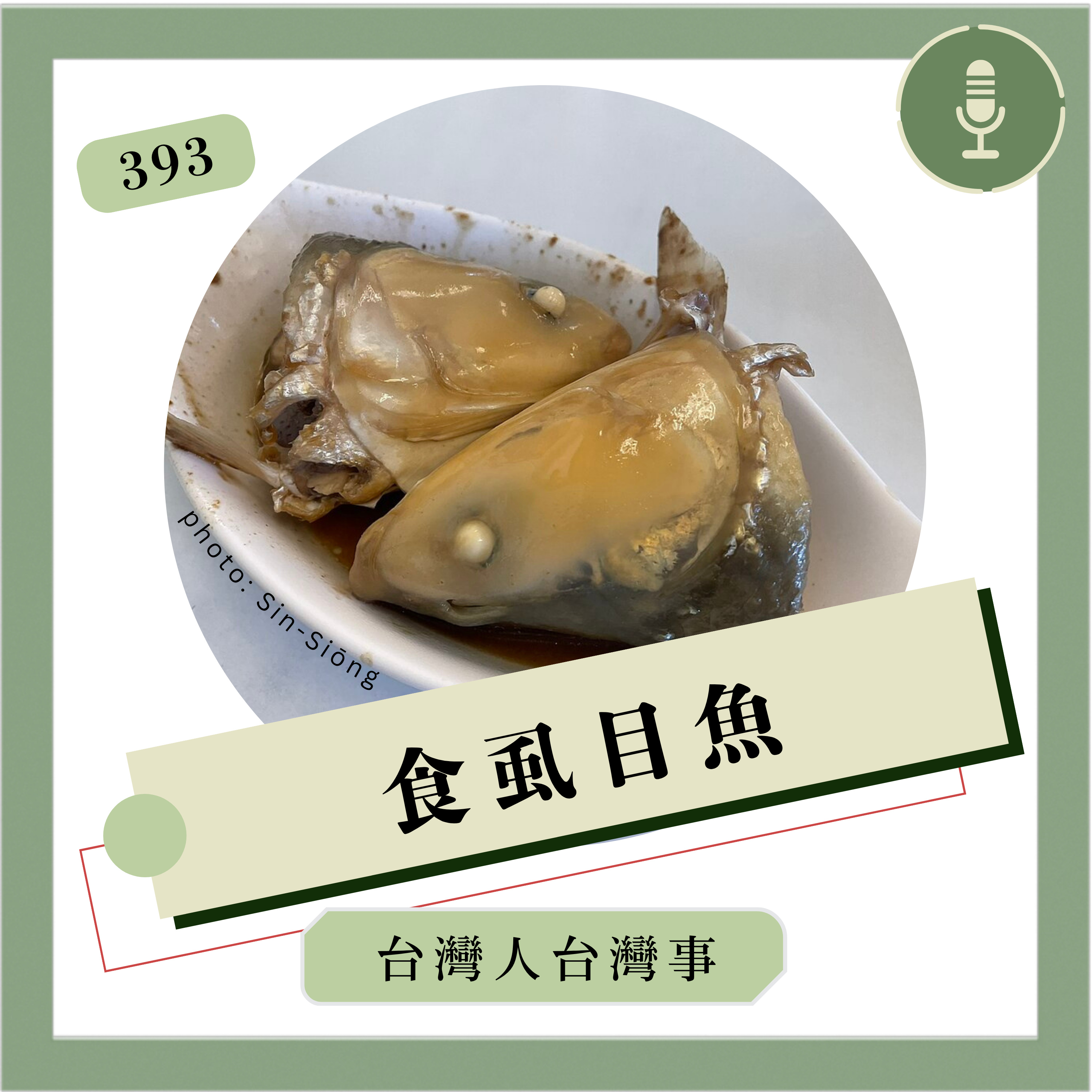
    393 食虱目魚

    虱目魚真捷看,規年迵天攏有。往過的虱目魚誠貴,是會使請人客的料理。是按怎過去虱目魚遐貴?啥物時陣才變做逐家攏食會起的魚仔。台灣的虱目魚干焦一種,是按怎有的食起來無仝款?咱來講食吃虱目魚。 Sat-ba̍k-hî chin chia̍p-khoàⁿ, kui-nî-thàng-thiⁿ lóng ū. Éng-kòe ê sat-ba̍k-hî chhiâⁿ kuì, sī ē-sái chhiáⁿ lâng-kheh ê liāu-lí. Sī-án-choáⁿ kòe-khì sat-ba̍k-hî hia kuì? Siáⁿ-mi̍h sî-chūn chiah piàn-chò ta̍k-ke lóng chia̍h-ē-khí ê hî-á? Tâi-oân ê sat-ba̍k-hî kan-na chi̍t-chióng, sī-án-choáⁿ ū-ê chia̍h khí-lâi bô-kâng-khoán? Lán lâi kóng chia̍h sat-ba̍k-hî. Milkfish is very common and available all year round. In the past, milkfish was quite expensive—a dish served to entertain guests. Why was milkfish so expensive back then? When did it become a fish that everyone could afford? Taiwan only has one species of milkfish, so why do some taste different? Let us talk about eating milkfish. --------------------------------------- 訂閱電子報 https://reurl.cc/5bdqbR 網站 www.cultivataiwan.com 寫批henama2020@gmail.com 迷眾頁 www.facebook.com/HenamaTaiwan 贊助 https://p.ecpay.com.tw/B3A47EF 抑是 www.paypal.me/henama 《有聲的光批:四秀仔》佮《臺灣女性人物群像》 賣貨便 https://tinyurl.com/ysjmy729好賣+ https://tinyurl.com/4ya9p6xc
  • May 21 · 16 min

    392 漢醫治鳥鼠仔症

    台灣佇日本時代捌時行過鳥鼠仔症,這个傳染病予漢醫佮西醫有鬥陣合作的機會。日本政府按怎防治鳥鼠仔症?台灣人按怎要求有家己治療所?漢醫按怎佮西醫配合? Tâi-oân tī Ji̍t-pún sî-tāi bat sî-kiâⁿ--kòe niáu-chhí-á-chèng, chit ê thoân-jiám-pēⁿ hō͘ Hàn-i kap Se-i ū tàu-īn ha̍p-chok ê ki-hōe. Ji̍t-pún chèng-hú án-chhoaⁿ hông-tī niáu-chhí-á-chèng? Tâi-oân-lâng án-chhoaⁿ iau-kiû ū ka-tī ê tî-liâu-só͘? Hàn-i án-chhoaⁿ kap Se-i phòe-ha̍p? During the Japanese colonial period, a devastating bubonic plague outbreak forced an unexpected alliance between traditional Chinese medicine and Western medicine in Taiwan. In this episode, we explore how the colonial government managed the epidemic, how local Taiwanese fought for autonomous treatment centers, and how these two medical traditions collaborated on the front lines. -------------------------------------- 訂閱電子報 https://reurl.cc/5bdqbR 網站 www.cultivataiwan.com 寫批 henama2020@gmail.com 迷眾頁 www.facebook.com/HenamaTaiwan 贊助 https://p.ecpay.com.tw/B3A47EF 抑是 www.paypal.me/henama
  • May 14 · 16 min

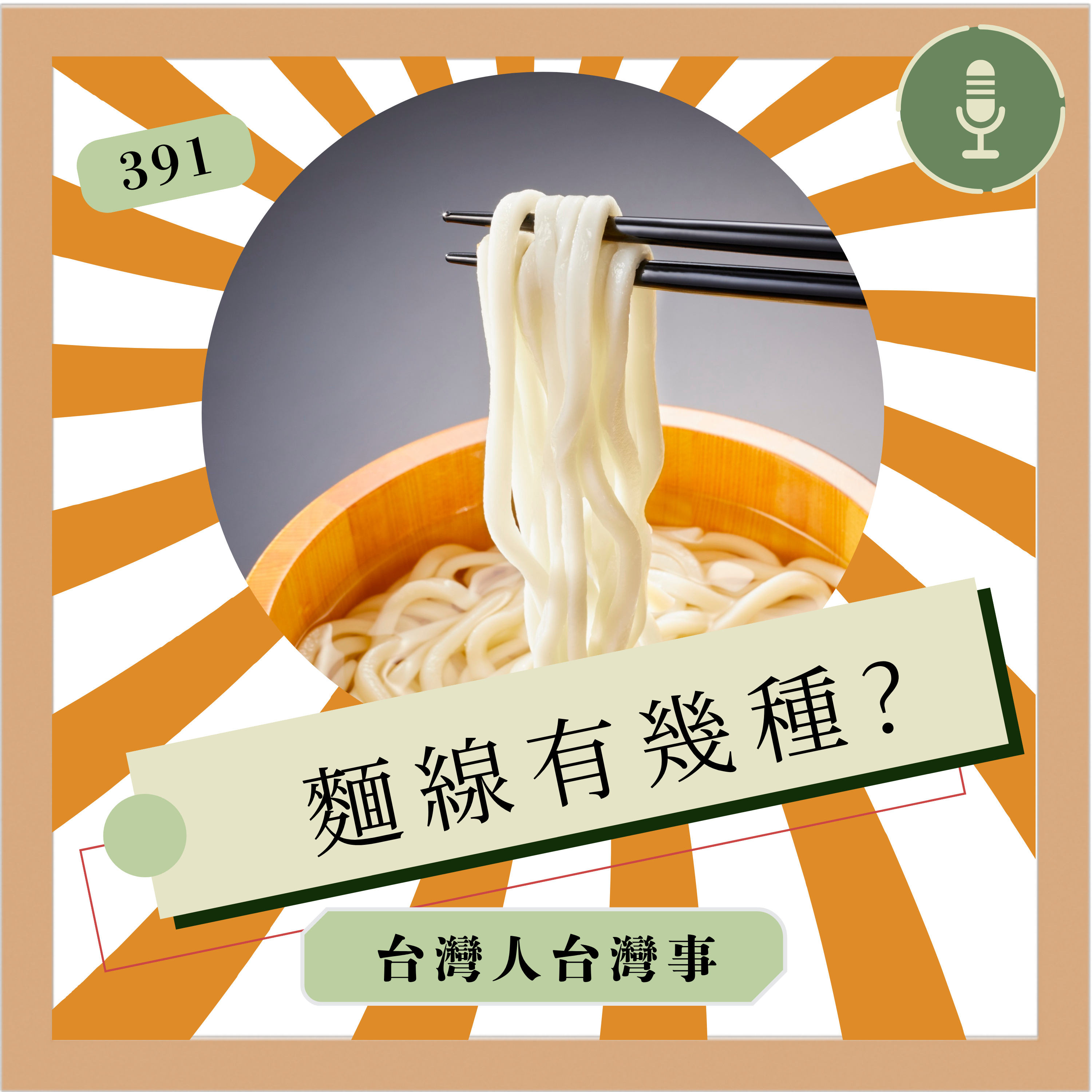
    391 麵線有幾種?

    拜天公、做生日、做月內、欲轉運愛食麵線,平常時點心、宵夜嘛食麵線,麵線佇咱的傳統文化真重要。往過的人啥物時陣食?閣按怎食?麵線有幾種?幼麵佮麵線無仝款?這集介紹麵線。 Pài Thiⁿ-kong, chò-seⁿ-ji̍t, chò-ge̍h-lāi, beh tńg-ūn ài chia̍h mī-soaⁿ; pîng-siông-sî tiám-sim, siau-iā mā chia̍h mī-soaⁿ. Mī-soaⁿ tī lán ê thoân-thóng bûn-hoà chin tiòng-iàu. Éng-kòe ê lâng siáⁿ-mih sî-chūn chia̍h? Koh án-choán chia̍h? Mī-soaⁿ ū kúi chióng? Iù-mī kah mī-soaⁿ bô-kâng-khoán? Chit chi̍p kài-siāu mī-soaⁿ. From sacred rituals and birthdays to a simple midnight snack, mī-soaⁿ (wheat vermicelli) is a staple of our culture. It’s our go-to for everything from postpartum care to changing our luck. But how was it traditionally eaten? What are the different varieties, and is " iù-mī " actually the same thing? This episode, we explore the story of mī-soaⁿ. -------------------------------------- 訂閱電子報 https://reurl.cc/5bdqbR 網站 www.cultivataiwan.com 寫批henama2020@gmail.com 迷眾頁 www.facebook.com/HenamaTaiwan 贊助 https://p.ecpay.com.tw/B3A47EF 抑是 www.paypal.me/henama 《有聲的光批:四秀仔》佮《臺灣女性人物群像》 賣貨便 https://tinyurl.com/ysjmy729好賣+ https://tinyurl.com/4ya9p6xc
  • May 7 · 13 min

    390 總鋪佮和室

    台灣講的「和室」毋是日本人的和室,嘛毋是完全對日本來的。往過的總舖經過遮爾久的時間,演變出真濟無仝的模樣佮用途。按怎台灣的和室攏有櫥仔?是按怎厝內會用架懸的地板來隔間?對厝內的設計來看生活習慣的改變。這集講總剖佮塌塌米間。 Tâi-oân kóng ê "hô-sek" m̄-sī Ji̍t-pún-lâng ê hô-sek, mā m̄-sī oân-choân tùi Ji̍t-pún lâi ê. Éng-kòe ê chóng-phò kin-kòe chia-nī kú ê sî-kan, ián-piàn chhut chin chē bô-kāng ê bô͘-iūⁿ kah iōng-tō͘. Án-choán Tâi-oân ê hô-sek lóng ū tû-á? Sī-án-choáⁿ chhù-lāi ē iōng kè-koân ê tē-pán lâi keh-keng? Tùi chhù-lāi ê siat-kè lâi khoàⁿ seng-oa̍h si̍p-koàn ê kái-piàn. Chit chi̍p kóng chóng-phò kah thah-thah-mí-keng. Taiwan’s "Washitsu" isn’t truly Japanese. —it’s a unique evolution of the traditional chóng-phò platform. Over a long period of time, the traditional platform known as chóng-phò has evolved into many different forms and purposes. From built-in cabinets to raised floors, discover how these spaces reflect our changing lifestyles. This episode: the story of chóng-phò and tatami rooms. --------------------------------------- 訂閱電子報 https://reurl.cc/5bdqbR 網站 www.cultivataiwan.com 寫批henama2020@gmail.com 迷眾頁 www.facebook.com/HenamaTaiwan 贊助 https://p.ecpay.com.tw/B3A47EF 抑是 www.paypal.me/henama
  • May 1 · 13 min

    389 榖雨補老母

    俗語講:「榖雨補老母,立夏補老爸」。榖雨佮立夏是節氣。節氣按怎來?咱這馬已經毋是農業社會,節氣佮現代人有啥物關係?這集講古早人看天、看地、觀察萬物的智慧。 Sio̍k-gí kóng: "Kok-ú pó͘ lāu-bú, Li̍p-hē pó͘ lāu-pē." Kok-ú kap Li̍p-hē sī chiat-khùi. Chiat-khùi án-choán lâi? Lán chit-má í-keng m̄-sī lông-gia̍p siā-hōe, chiat-khùi kap hiān-tāi-lâng ū siáⁿ-mi̍h koan-hē? Chit chi̍p kóng kó͘-chá-lâng khòaⁿ thinn, khòaⁿ tē, koan-chhat bān-bu̍t ê tì-hui. Grain Rain and the Start of Summer are both solar terms. But where do these terms actually come from? We no longer live in a strictly agrarian society, so what relevance do these seasonal cycles have for people today? In this episode, we explore the ancient wisdom of observing the heavens, the earth, and the natural world. --------------------------------------- 訂閱電子報 https://reurl.cc/5bdqbR 網站 www.cultivataiwan.com 寫批 henama2020@gmail.com 迷眾頁 www.facebook.com/HenamaTaiwan 贊助 https://p.ecpay.com.tw/B3A47EF 抑是 www.paypal.me/henama 《有聲的光批:四秀仔》佮《臺灣女性人物群像》 賣貨便 https://tinyurl.com/ysjmy729好賣+ https://tinyurl.com/4ya9p6xc
  • April 24 · 13 min

    388 石敢當是誰?

    是按怎路邊的石頭佮石碑會寫石敢當?這个風俗足普遍,毋但台灣,佇日本、中國、東南亞攏真捷看。啥物是石敢當?台灣出名个石敢當佇佗位?這集介紹石敢當。 Sī-án-choáⁿ lō͘-pinn ê chio̍h-thâu kap chio̍h-pi ē siá "Chio̍h-kám-tong"? Che ê hong-sio̍k chiok phó͘-piàn, m̄-nā Tâi-oân, tī Ji̍t-pún, Tiong-kok, Tang-lâm-a lóng chin chia̍p-khoàⁿ. Siá-mih sī "Chio̍h-kám-tong"? Tâi-oân chhut-miâ ê "Chio̍h-kám-tong" tī tó-ūi? Chit chi̍p kài-siāu "Chio̍h-kám-tong". Why are the words " Chio̍h-kám-tong " carved into stones and tablets found along the roadside? This is a remarkably common custom; you will frequently encounter them not only in Taiwan but also in Japan, China, and throughout Southeast Asia. But what exactly is a Chio̍h-kám-tong.? And where are the most famous examples located in Taiwan? --------------------------------------- 訂閱電子報 https://reurl.cc/5bdqbR 網站 www.cultivataiwan.com 寫批 henama2020@gmail.com 迷眾頁 www.facebook.com/HenamaTaiwan 贊助 https://p.ecpay.com.tw/B3A47EF 抑是 www.paypal.me/henama
  • April 16 · 12 min

    387 講台灣畫《牛犁歌陣》

    林智信老師用一世人的時間共台灣的景致、人物、文化攏刻入去圖裡。伊的作品《牛犁歌陣》展現往過農村樸實的,有力的本質。林老師的創作是經過考證,精確紀錄台灣的人文地景。這集講伊按怎共台南的陣頭文化用版畫的形式保存落來。 Lîm Tì-sìn lāu-su iōng chi̍t-sì-lâng ê sî-kan kā Tâi-oân ê kéng-tì, jîn-bu̍t, bûn-hoà lóng khek-ji̍p-khì tô͘--lí. I ê chok-phín "Gû-lê-koa-tīn" tián-hiān óng-koè lông-chhun phó͘-si̍t-ê, iú-le̍k-ê pún-chit. Lîm lāu-su ê chhòng-chok sī keng-koè khó-chèng, chin-khak kì-lo̍k Tâi-oân ê jîn-bûn tē-kéng. Chit chi̍p kóng i án-choáⁿ kā Tâi-lâm ê tīn-thâu bûn-hoà iōng pán-ōe ê hêng-sek pó-chûn--lo̍h-lâi. Lin Chih-hsin has spent his entire life carving Taiwan’s vistas, stories, and culture into his art. His masterpiece, The Ox-plow Song Troupe (Gû-lê-koa-tīn), embodies the simple yet vigorous spirit of bygone rural days. Through meticulous historical research, his creations provide an authentic record of Taiwan’s cultural geography. In this episode, we look at how he documented Tainan’s folk parade culture through the art of the woodcut. 《牛犁歌陣》https://pse.is/8y26ex --------------------------------------- 訂閱電子報 https://reurl.cc/5bdqbR網站 www.cultivataiwan.com寫批 henama2020@gmail.com迷眾頁 www.facebook.com/HenamaTaiwan贊助 https://p.ecpay.com.tw/B3A47EF 抑是 www.paypal.me/henama

  • April 9 · 11 min

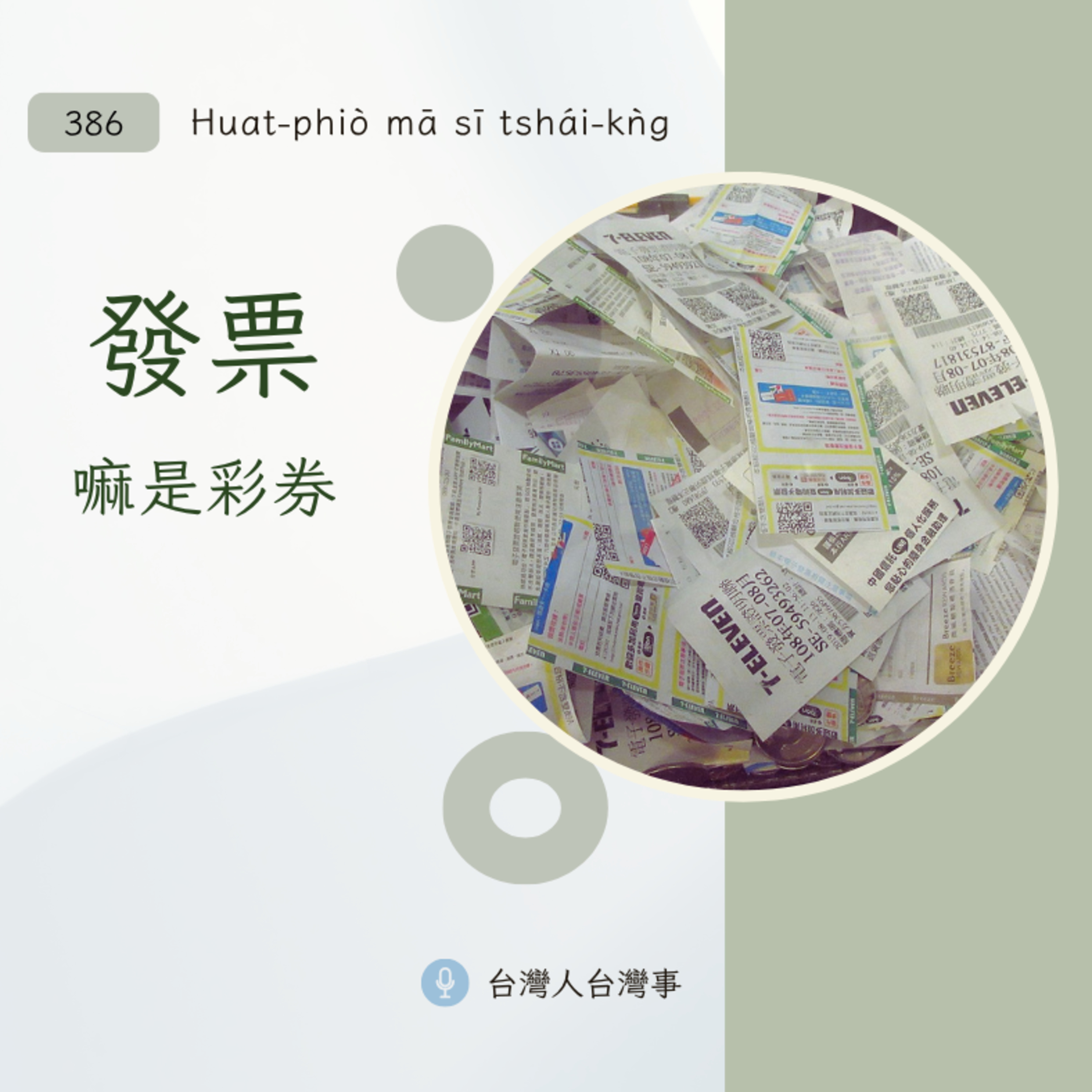
    386 發票嘛是彩券

    對發票是台灣人的日常,毋過這是別位真罕見的習慣。啥物時陣統一發票會使抽獎?這个制度按怎變化?咱敢知影線頂發票較會著獎? Tuì hoat-phiò sī Tâi-oân-lâng ê ji̍t-siông, m̄-koh che sī pa̍t-ūi chin hán-kiàn ê si̍p-koàn. Siá-mi̍h sî-chūn thóng-it hoat-phiò ē-sái thiu-chióng? Chit-ê chè-tō͘ án-choá piàn-hoà? Lán kám chai-iáⁿ sòaⁿ-téng hoat-phiò khah-ē tio̍h-chióng? Checking receipts for winning numbers is a common ritual in Taiwan, yet it’s a habit rarely seen elsewhere. When did the Uniform Invoice lottery begin? How has this system evolved over time? And did you know that cloud receipts actually have a better chance of winning a prize? --------------------------------------- 訂閱電子報 https://reurl.cc/5bdqbR 網站 www.cultivataiwan.com 寫批 henama2020@gmail.com 迷眾頁 www.facebook.com/HenamaTaiwan 贊助 https://p.ecpay.com.tw/B3A47EF 抑是 www.paypal.me/henama
  • April 2 · 12 min

    385 滸苔kauh潤餅

    足早以前的冊就有寫著滸苔,一、兩百冬前食潤餅就有kauh滸苔。滸苔是啥物?閣按怎食?伊佮紫菜,佮紅毛苔有啥物無仝?是按怎這馬滸苔也變做生態災禍?這集來講滸苔。 Chiok chá í-chêng ê chheh chiū ū siá--tio̍h hó͘-thî, chi̍t-nn̄g-pah tang chêng chia̍h jūn-piáⁿ chiū ū kauh hó͘-thî. Hó͘-thî sī siáⁿ-mih? Koh án-chóaⁿ chia̍h? I kap chí-chhài, kap âng-mô͘-thî ū siáⁿ-mih bô-kāng? Sī-án-chóaⁿ chit-má hó͘-thî iā piàn-chò seng-thài chai-hō? Chit chi̍p lâi kóng hó͘-thî. Books from a very long time ago already mentioned green laver; one or two hundred years ago, people were already adding green laver when eating jūn-piáⁿ. What is green laver? And how is it eaten? How is it different from nori or red moss? Why has green laver also become an ecological disaster nowadays? In this episode, let’s talk about green laver. --------------------------------------- 訂閱電子報 https://reurl.cc/5bdqbR 網站 www.cultivataiwan.com 寫批 henama2020@gmail.com 迷眾頁 www.facebook.com/HenamaTaiwan 贊助 https://p.ecpay.com.tw/B3A47EF 抑是 www.paypal.me/henama 《有聲的光批:四秀仔》佮《臺灣女性人物群像》 賣貨便 https://tinyurl.com/ysjmy729好賣+ https://tinyurl.com/4ya9p6xc
  • March 26 · 13 min

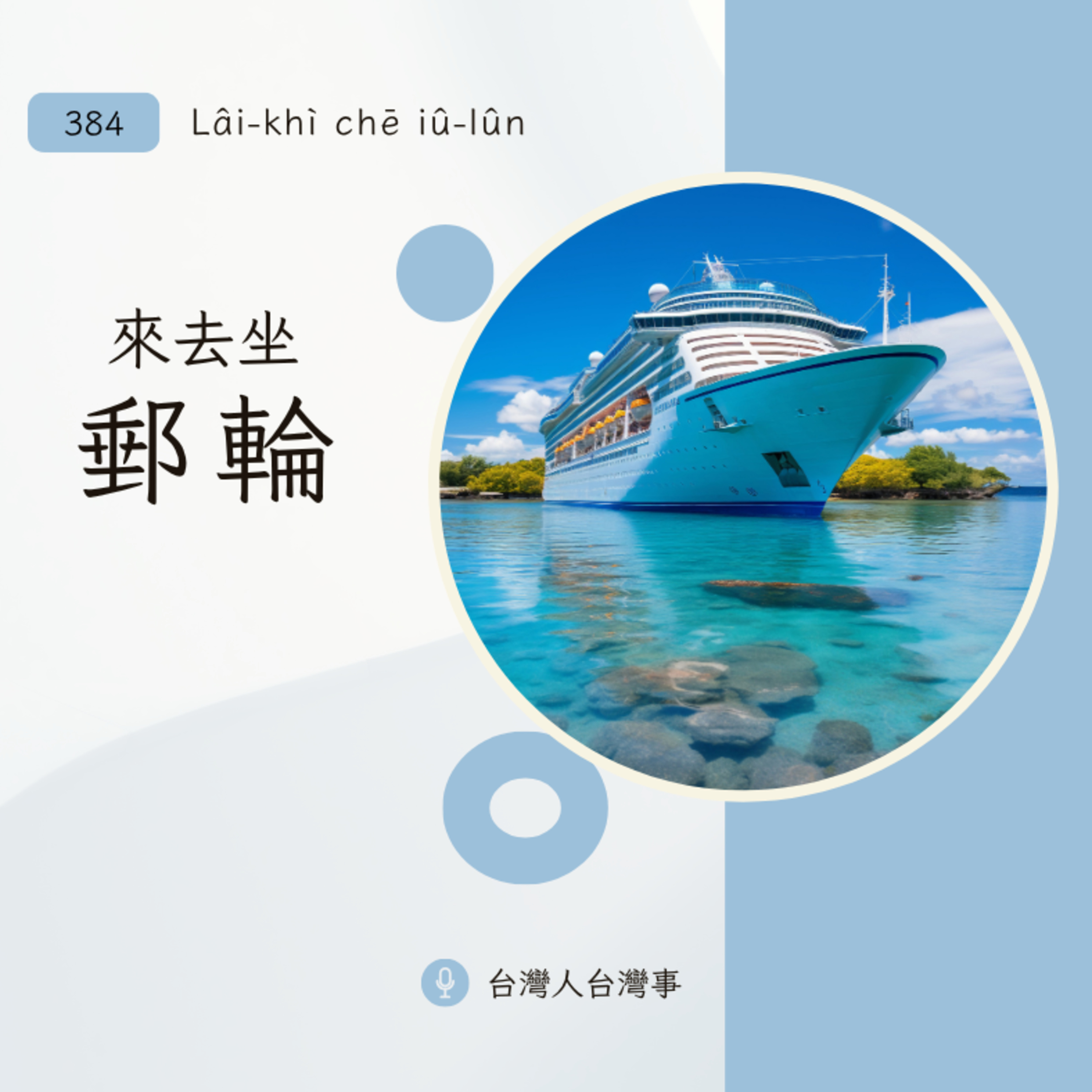
    384 來去坐郵輪

    舊年坐船出國的旅客已經超過一百萬人。台灣郵輪產業按怎發展?這集對清法戰爭的郵輪紀錄,講到基隆港按怎利用地理優勢,變做國際郵輪母港?觀光客變濟對地方交通佮海洋生態會有啥物影響? Kū-nî chē-chûn chhut-kok ê lú-ke̍k í-keng chhiau-kòe chi̍t-pah bān lâng. Tâi-oân iû-lûn sán-gia̍p án-choán hoat-tián? Chit-chi̍p tùi Chheng-Hoat chiàn-cheng ê iû-lûn kì-lo̍k, kóng-kàu Ke-lâng-káng án-choán lī-iōng tē-lí iu-sè, piàn-chò kok-chè iû-lûn bó-káng? Koan-kong-kheh piàn-chē tùi tē-hng kau-thong kap hái-iûⁿ seng-thài ē ū siáⁿ-mih éng-hióng? Last year, over one million travelers set sail on international cruises. How has the cruise industry in Taiwan evolved? This episode traces the history of cruise travel from the Sino-French War to the strategic transformation of Keelung Port into a premier international homeport. We also examine the complex environmental and logistical challenges that come with a surge in cruise tourism, from marine conservation to local infrastructure. --------------------------------------- 訂閱電子報 https://reurl.cc/5bdqbR 網站 www.cultivataiwan.com 寫批 henama2020@gmail.com 迷眾頁 www.facebook.com/HenamaTaiwan 贊助 https://p.ecpay.com.tw/B3A47EF 抑是 www.paypal.me/henama 《有聲的光批:四秀仔》佮《臺灣女性人物群像》 賣貨便 https://tinyurl.com/ysjmy729好賣+ https://tinyurl.com/4ya9p6xc
  • March 19 · 12 min

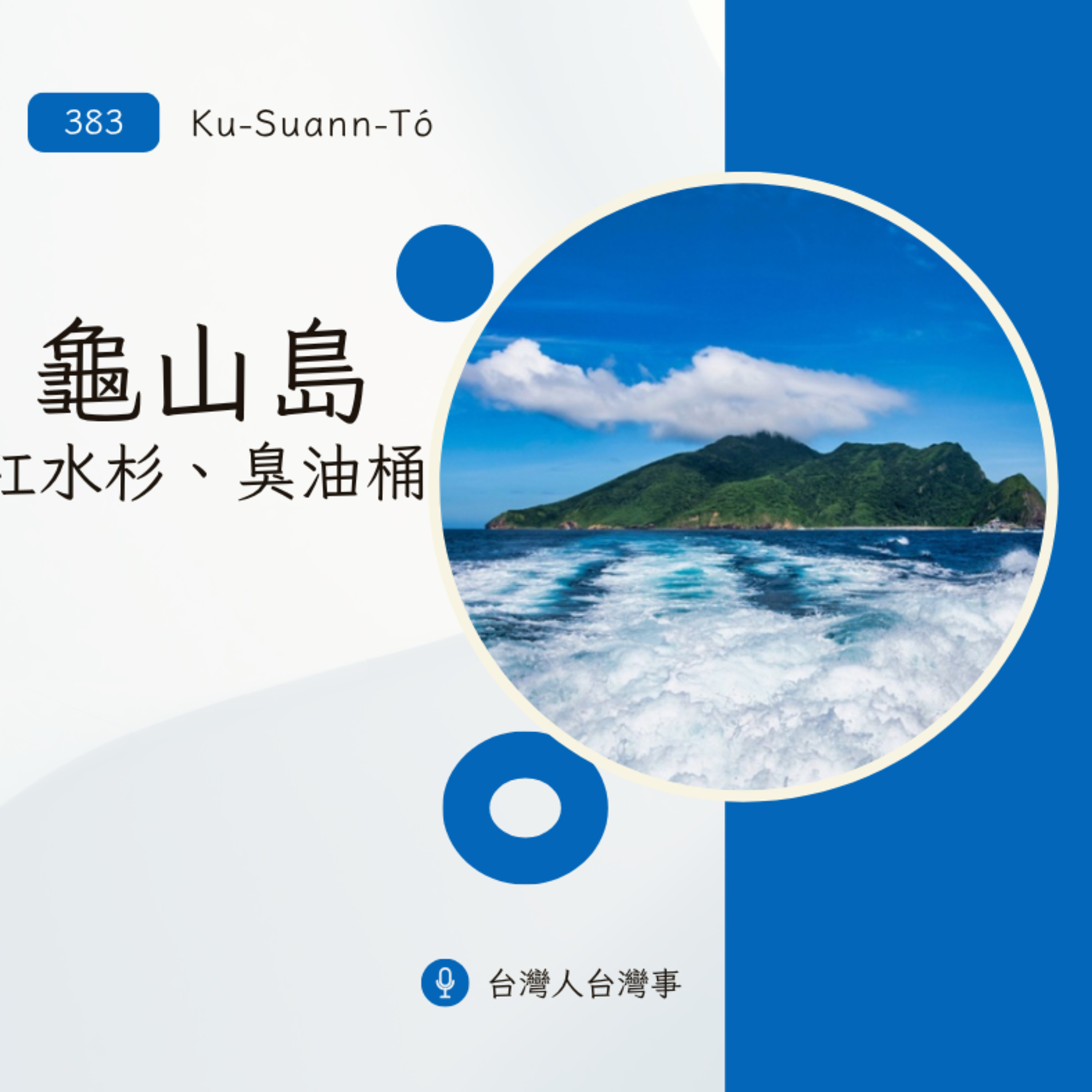
    383 龜山島:紅水杉、臭油桶

    龜山島是火山島,往過捌有700外人蹛佇遐。遮的討海人是按怎著規庄搬出來?這集講龍王的查某囝、馬偕看著的硫磺煙,戰爭時的空襲,佮後來對軍事管制區變觀光地區。做伙來聽龜山島的歷史佮文化。 Ku-soaⁿ-tó sī hóe-soaⁿ-tó, éng-kòe bat ū chhit-pah-gōa lâng tòa tī hia. Chia-ê thó-hái-lâng sī án-choán tio̍h kui-chng poaⁿ--chhut-lâi? Chit-chi̍p kóng-tio̍h Lêng-ông ê cha-bó͘-kiáⁿ, Má-kai khòaⁿ--tio̍h ê liû-hông-ian, chiàn-cheng sî-chūn ê khong-si̍p, kap kàu-bóe tùi kun-sū kìm-khu piàn-chò koan-kong-tē. Chò-hóe lâi thiaⁿ Ku-soaⁿ-tó ê le̍k-sú kap bûn-hòa. Gueishan Island (Turtle Island) is a volcanic island that was once home to a community of over 700 residents. Why did these seafaring people have to relocate their entire village? In this episode, we delve into the legend of the Dragon King’s daughter, George Leslie Mackay’s accounts of the island's sulfur plumes, the air raids during the war, and its transition from a restricted military zone to a tourist destination. Listen now the history and cultural heritage of Gueishan Island. --------------------------------------- 訂閱電子報https://reurl.cc/5bdqbR 網站 www.cultivataiwan.com 寫批 henama2020@gmail.com 迷眾頁 www.facebook.com/HenamaTaiwan 贊助 https://p.ecpay.com.tw/B3A47EF 抑是 www.paypal.me/henama