Skip to content
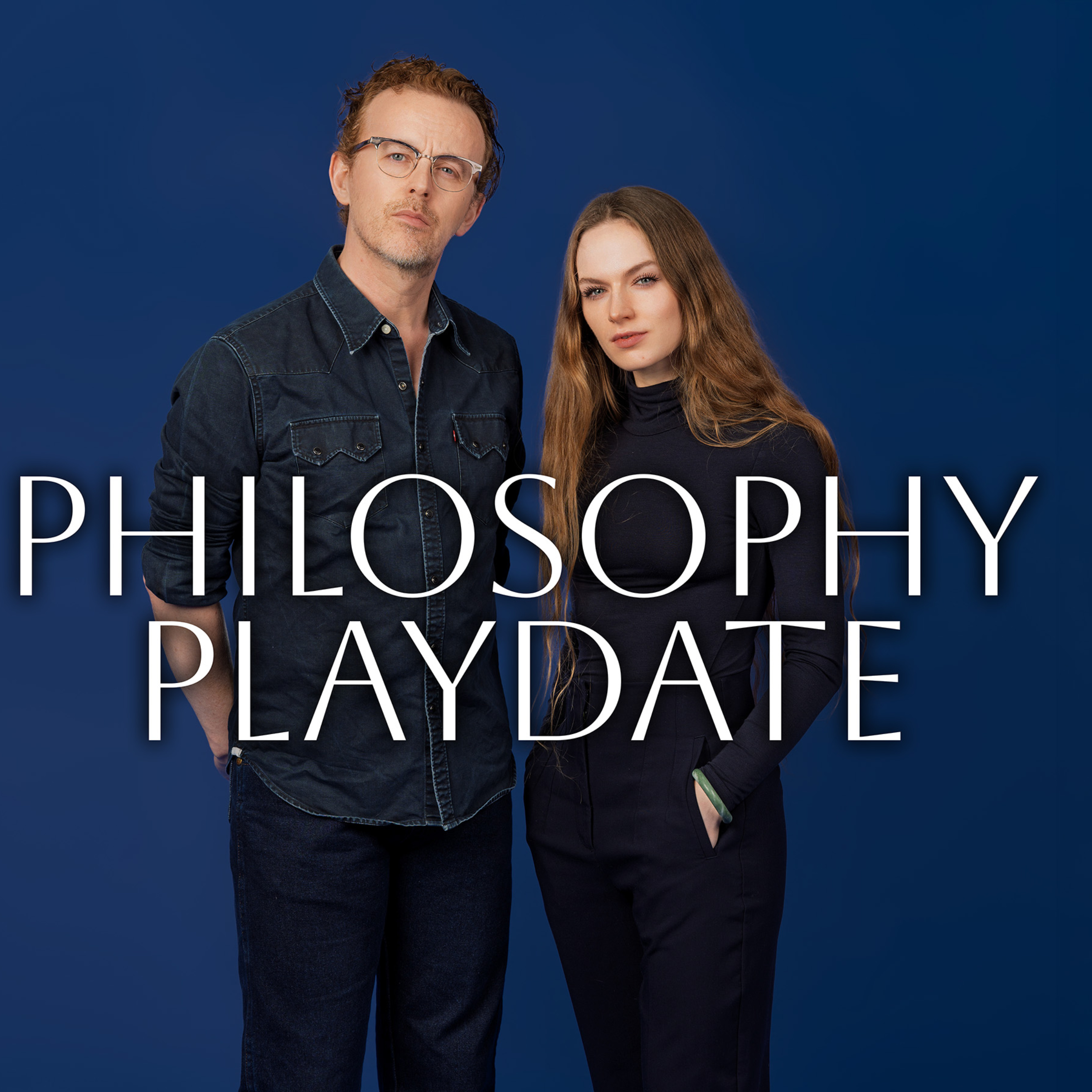
Artwork for Philosophy Playdate
Philosophy Playdate · Yesterday · 41 min

Episode 39 - "What is reading?"

This week, Steve and Christabel use the medium of podcasting to investigate Steve’s son’s question ‘What is reading?’ They start with a critique of Aristotle’s focus on phantasia: the mental construction of images that Aristotle took to be central to processing abstract thought. Our hosts remain in the ancient world to get the skinny on Plato’s dim view of reading and writing, which he expressed while recounting a conversation between the Egyptian king of the gods Amun, and Thoth, the god of scribes who was credited with the invention of hieroglyphics. Plato seems to side with Amun, who chastises Thoth for handing humans tools that will enfeeble their memories whilst granting them the appearance of being ‘knowers of all things’. With a little help from Walter Ong, our hosts apply Plato’s concerns to the newer inventions of calculators and chatbots. Steve humble brags about his daughter’s times tables prowess (no calculators are needed in the Cross household!) and Christabel loses her mind watching a squirrel fall over in Steve’s garden. Regathering themselves, our hosts turn to digging into the nature of reading. An important question arises: do we choose to taken in written information, or is it forced upon us? Christabel explains how the problem of reading comes to bear on the free will debate, surveying contributions from Francesca Secco, John Gibbons, Maryanne Wolf, Valentin Flaudias, Pierre-Michel Llorca and Linnea Ehri. Steve lets us in on how to cheat the Stroop test, and Christabel gets distracted by the squirrels in the garden (again). Email us the impossible questions children ask you at philosophyplaydate@gmail.com Find Steve at https://drstevecross.squarespace.com Find Christabel at https://christabelcane.com/ Philosophy Playdate theme by Piers Cane

0:00-41:19

transcript

No transcript — this publisher did not publish one.

show notes

This week, Steve and Christabel use the medium of podcasting to investigate Steve’s son’s question ‘What is reading?’ They start with a critique of Aristotle’s focus on phantasia: the mental construction of images that Aristotle took to be central to processing abstract thought. Our hosts remain in the ancient world to get the skinny on Plato’s dim view of reading and writing, which he expressed while recounting a conversation between the Egyptian king of the gods Amun, and Thoth, the god of scribes who was credited with the invention of hieroglyphics. Plato seems to side with Amun, who chastises Thoth for handing humans tools that will enfeeble their memories whilst granting them the appearance of being ‘knowers of all things’.


With a little help from Walter Ong, our hosts apply Plato’s concerns to the newer inventions of calculators and chatbots. Steve humble brags about his daughter’s times tables prowess (no calculators are needed in the Cross household!) and Christabel loses her mind watching a squirrel fall over in Steve’s garden. Regathering themselves, our hosts turn to digging into the nature of reading. 


An important question arises: do we choose to taken in written information, or is it forced upon us? Christabel explains how the problem of reading comes to bear on the free will debate, surveying contributions from Francesca Secco, John Gibbons, Maryanne Wolf, Valentin Flaudias, Pierre-Michel Llorca and Linnea Ehri. Steve lets us in on how to cheat the Stroop test, and Christabel gets distracted by the squirrels in the garden (again).


Email us the impossible questions children ask you at philosophyplaydate@gmail.com


Find Steve at https://drstevecross.squarespace.com


Find Christabel at https://christabelcane.com/


Philosophy Playdate theme by Piers Cane