Skip to content
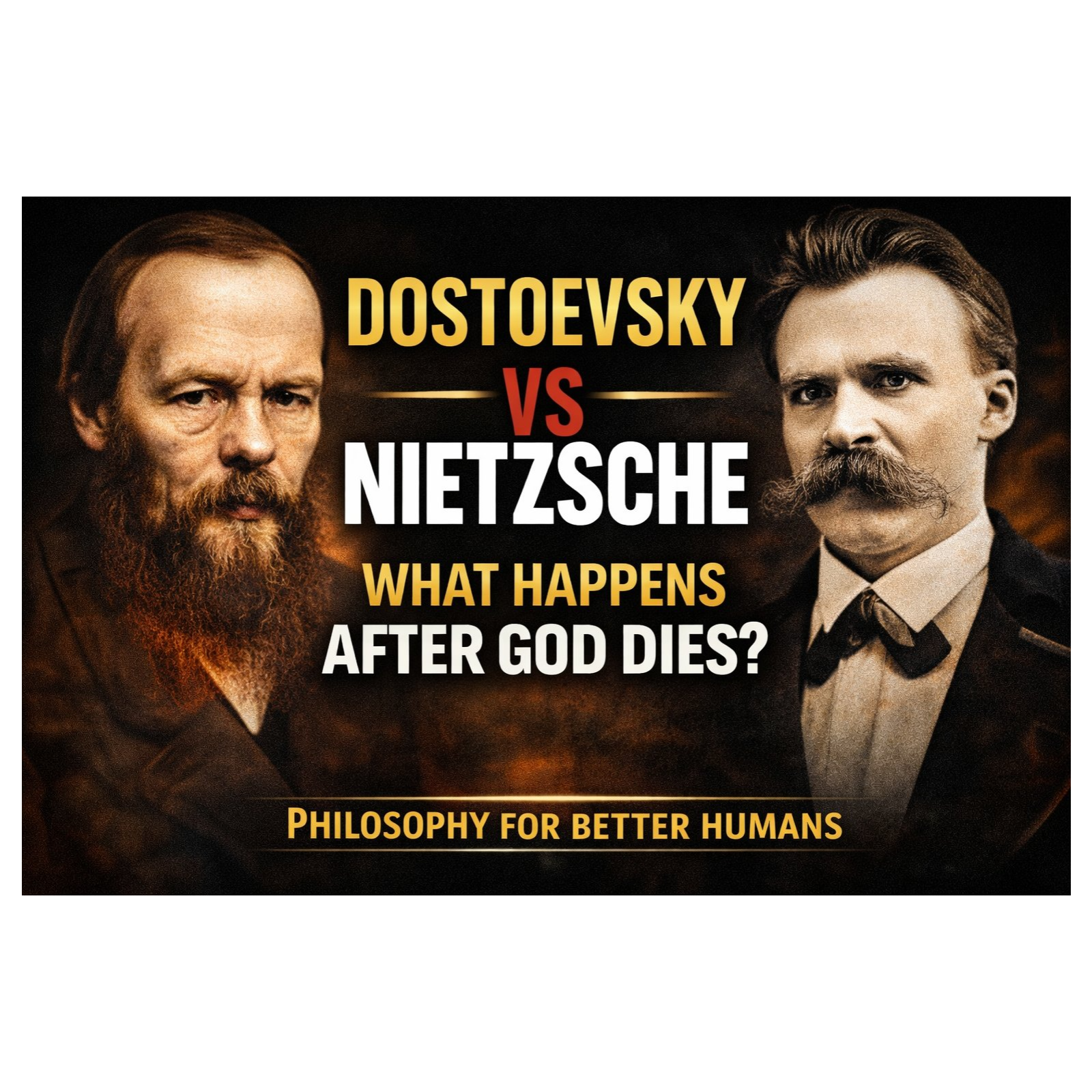
Artwork for Philosophy for Better Humans.
Philosophy for Better Humans. · February 9 · 30 min

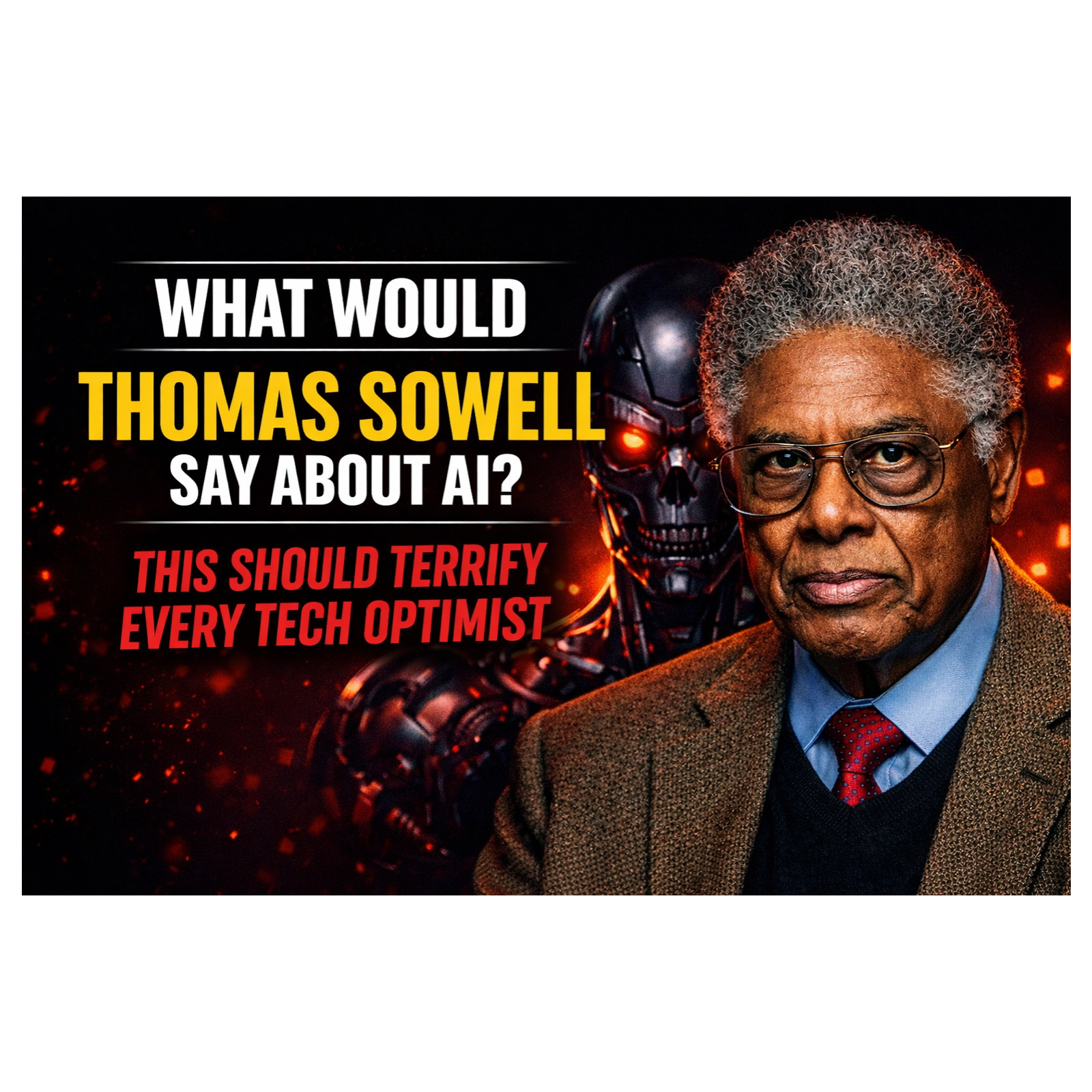
Nietzsche vs Dostoevsky - When God Dies, who was right?

What happens to humanity after God dies? Over a century ago, Friedrich Nietzsche and Fyodor Dostoevsky stood at the same historical crossroads—and saw the same crisis coming. Meaning was collapsing. Faith was eroding. Moral certainty was dissolving. But they gave radically different answers to the same terrifying question. Nietzsche believed humanity would have to become strong enough to create its own meaning—to rise beyond good and evil through power, will, and self-overcoming. Dostoevsky believed that without transcendent meaning, humans wouldn’t rise at all—they would fracture, justify cruelty, and destroy one another in the name of ideology. In this long-form episode of Philosophy for Better Humans, Joey Caster walks you through: What Nietzsche really meant by “God is dead” Why Dostoevsky warned that “everything becomes permissible” How power, meaning, and morality collide in the modern world Why anxiety, nihilism, and identity crises are exploding today And what this 19th-century debate reveals about your life right now This is not an academic lecture. It’s a cinematic, emotionally grounded exploration of meaning, suffering, strength, love, and responsibility—and why the future of civilization may depend on how we answer this question. 🎧 Listen if you’ve ever asked: “Why does modern life feel empty?” “Can we really create our own meaning?” “Is compassion weakness—or the deepest form of strength?” “What actually holds a society together?” 📌 Listen to the full episode 🎙️ Philosophy for Better Humans Hosted by Joey Caster Keywords / SEO Tags: Nietzsche vs Dostoevsky, God is dead meaning, philosophy podcast, existentialism explained, nihilism modern life, meaning of suffering, philosophy for beginners, moral philosophy, power vs compassion, Friedrich Nietzsche philosophy, Dostoevsky philosophy, long form philosophy podcast

0:00-30:29

transcript

No transcript — this publisher did not publish one.

show notes

What happens to humanity after God dies? Over a century ago, Friedrich Nietzsche and Fyodor Dostoevsky stood at the same historical crossroads—and saw the same crisis coming. Meaning was collapsing. Faith was eroding. Moral certainty was dissolving.

But they gave radically different answers to the same terrifying question.

Nietzsche believed humanity would have to become strong enough to create its own meaning—to rise beyond good and evil through power, will, and self-overcoming. Dostoevsky believed that without transcendent meaning, humans wouldn’t rise at all—they would fracture, justify cruelty, and destroy one another in the name of ideology.

In this long-form episode of Philosophy for Better Humans, Joey Caster walks you through:

  • What Nietzsche really meant by “God is dead”
  • Why Dostoevsky warned that “everything becomes permissible”
  • How power, meaning, and morality collide in the modern world
  • Why anxiety, nihilism, and identity crises are exploding today
  • And what this 19th-century debate reveals about your life right now

This is not an academic lecture. It’s a cinematic, emotionally grounded exploration of meaning, suffering, strength, love, and responsibility—and why the future of civilization may depend on how we answer this question.

🎧 Listen if you’ve ever asked:

  • “Why does modern life feel empty?”
  • “Can we really create our own meaning?”
  • “Is compassion weakness—or the deepest form of strength?”
  • “What actually holds a society together?”

📌 Listen to the full episode 🎙️ Philosophy for Better Humans Hosted by Joey Caster

Keywords / SEO Tags: Nietzsche vs Dostoevsky, God is dead meaning, philosophy podcast, existentialism explained, nihilism modern life, meaning of suffering, philosophy for beginners, moral philosophy, power vs compassion, Friedrich Nietzsche philosophy, Dostoevsky philosophy, long form philosophy podcast