Skip to content
Artwork for PBS Space Time
PBS Space Time · Sunday · 15 min

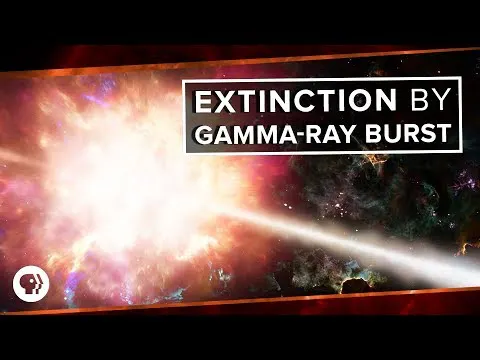
Extinction by Gamma-Ray Burst

Viewers like you help make PBS (Thank you 😃) . Support your local PBS Member Station here: https://to.pbs.org/DonateSPACE Uploaded 20-12-17 Find out about the last time and the next time the Earth will be hit by a Gamma-ray Burst. You can learn more about your personal DNA story by going to https://23andme.com/spacetime You can further support us on Patreon at https://www.patreon.com/pbsspacetime Get your own Space Time t­shirt at http://bit.ly/1QlzoBi Tweet at us! @pbsspacetime Facebook: facebook.com/pbsspacetime Email us! pbsspacetime [at] gmail [dot] com Comment on Reddit: http://www.reddit.com/r/pbsspacetime Help translate our videos! https://www.youtube.com/timedtext_cs_panel?tab=2&c=UC7_gcs09iThXybpVgjHZ_7g Previous Episode: The Origin of Our First Interstellar Visitor https://www.youtube.com/watch?v=nYGs92-qnFY Gamma-ray bursts are much less common than regular supernovae, and in fact regular supernovae can do just as much damage as a GRB. However, for a supernova to produce the same effects it needs to be much closer – within 20 to 30 light years. There are definitely no stars in that range that could explode any time soon. However the Sun isn’t stationary. It orbits the Milky Way, and its galactic neighbors come and go. Maybe in a few 250-million-year orbits we stellar timebomb will wander into our vicinity. However it’s really the GRBs that are most likely to hit us first, and hit us more often. We should certainly expect one in the next half-to-one-billion years, even if it’s not WR104. Hosted by Matt O'Dowd Written by Matt O'Dowd Produced by Rusty Ward Graphics by Kurt Ross Assistant Editing and Sound Design by Mike Petrow and Meah Denee Barrington Made by Kornhaber Brown (www.kornhaberbrown.com) Special thanks to our Patreon Big Bang, Quasar and Hypernova Supporters: Big Bang CoolAsCats David Nicklas William James Sidis Quasar Tambe Barsbay Mayank M. Mehrota Mars Yentur Mark Rosenthal Dean Fuqua Y2 Justin Lloyd Tambe Barsbay Hypernova Edmund Fokschaner Max Levine Matthew O’Connor Eugene Lawson Martha Hunt Joseph Salomone Chuck Zegar Jordan Young Ratfeast John Hofmann Thanks to our Patreon Gamma Ray Burst Supporters: Mechanically Cryptic Denys Ivanov Nick Virtue Alexey Eromenko Nicholas Rose Scott Gossett Mark Dykstra Chris Hicks Mark Vasile Patrick Murray Sultan Alkhulaifi Alex Seto Michal-Peanut Karmi Erik Stein Daniel Lyons Kevin Warne JJ Bagnell J Rejc Amy Jie Avi Goldfinger John Pettit Shannan Catalano Florian Stiglmayr Benoit Pagé-Guitard Nathan Leniz Jessica Fraley Loro Lukic Brandon Labonte David Crane Greg Weiss Learn more about your ad choices. Visit megaphone.fm/adchoices Learn more about your ad choices. Visit megaphone.fm/adchoices

0:00-15:53

transcript

No transcript — this publisher did not publish one.

show notes

Viewers like you help make PBS (Thank you 😃) . Support your local PBS Member Station here: https://to.pbs.org/DonateSPACE

Uploaded 20-12-17

Find out about the last time and the next time the Earth will be hit by a Gamma-ray Burst. You can learn more about your personal DNA story by going to https://23andme.com/spacetime

You can further support us on Patreon at https://www.patreon.com/pbsspacetime
Get your own Space Time t­shirt at http://bit.ly/1QlzoBi
Tweet at us! @pbsspacetime
Facebook: facebook.com/pbsspacetime
Email us! pbsspacetime [at] gmail [dot] com
Comment on Reddit: http://www.reddit.com/r/pbsspacetime

Help translate our videos!
https://www.youtube.com/timedtext_cs_panel?tab=2&c=UC7_gcs09iThXybpVgjHZ_7g

Previous Episode:
The Origin of Our First Interstellar Visitor
https://www.youtube.com/watch?v=nYGs92-qnFY

Gamma-ray bursts are much less common than regular supernovae, and in fact regular supernovae can do just as much damage as a GRB. However, for a supernova to produce the same effects it needs to be much closer – within 20 to 30 light years. There are definitely no stars in that range that could explode any time soon. However the Sun isn’t stationary. It orbits the Milky Way, and its galactic neighbors come and go. Maybe in a few 250-million-year orbits we stellar timebomb will wander into our vicinity. However it’s really the GRBs that are most likely to hit us first, and hit us more often. We should certainly expect one in the next half-to-one-billion years, even if it’s not WR104.

Hosted by Matt O'Dowd
Written by Matt O'Dowd
Produced by Rusty Ward
Graphics by Kurt Ross
Assistant Editing and Sound Design by Mike Petrow and Meah Denee Barrington
Made by Kornhaber Brown (www.kornhaberbrown.com)

Special thanks to our Patreon Big Bang, Quasar and Hypernova Supporters:

Big Bang
CoolAsCats
David Nicklas
William James Sidis

Quasar
Tambe Barsbay
Mayank M. Mehrota
Mars Yentur
Mark Rosenthal
Dean Fuqua
Y2
Justin Lloyd
Tambe Barsbay

Hypernova
Edmund Fokschaner
Max Levine
Matthew O’Connor
Eugene Lawson
Martha Hunt
Joseph Salomone
Chuck Zegar
Jordan Young
Ratfeast
John Hofmann

Thanks to our Patreon Gamma Ray Burst Supporters:
Mechanically Cryptic
Denys Ivanov
Nick Virtue
Alexey Eromenko
Nicholas Rose
Scott Gossett
Mark Dykstra
Chris Hicks
Mark Vasile
Patrick Murray
Sultan Alkhulaifi
Alex Seto
Michal-Peanut Karmi
Erik Stein
Daniel Lyons
Kevin Warne
JJ Bagnell
J Rejc
Amy Jie
Avi Goldfinger
John Pettit
Shannan Catalano
Florian Stiglmayr
Benoit Pagé-Guitard
Nathan Leniz
Jessica Fraley
Loro Lukic
Brandon Labonte
David Crane
Greg Weiss

Learn more about your ad choices. Visit megaphone.fm/adchoices

Learn more about your ad choices. Visit megaphone.fm/adchoices

links8