Skip to content
Artwork for Oxford Policy Pod
Oxford Policy Pod · April 7 · 18 min

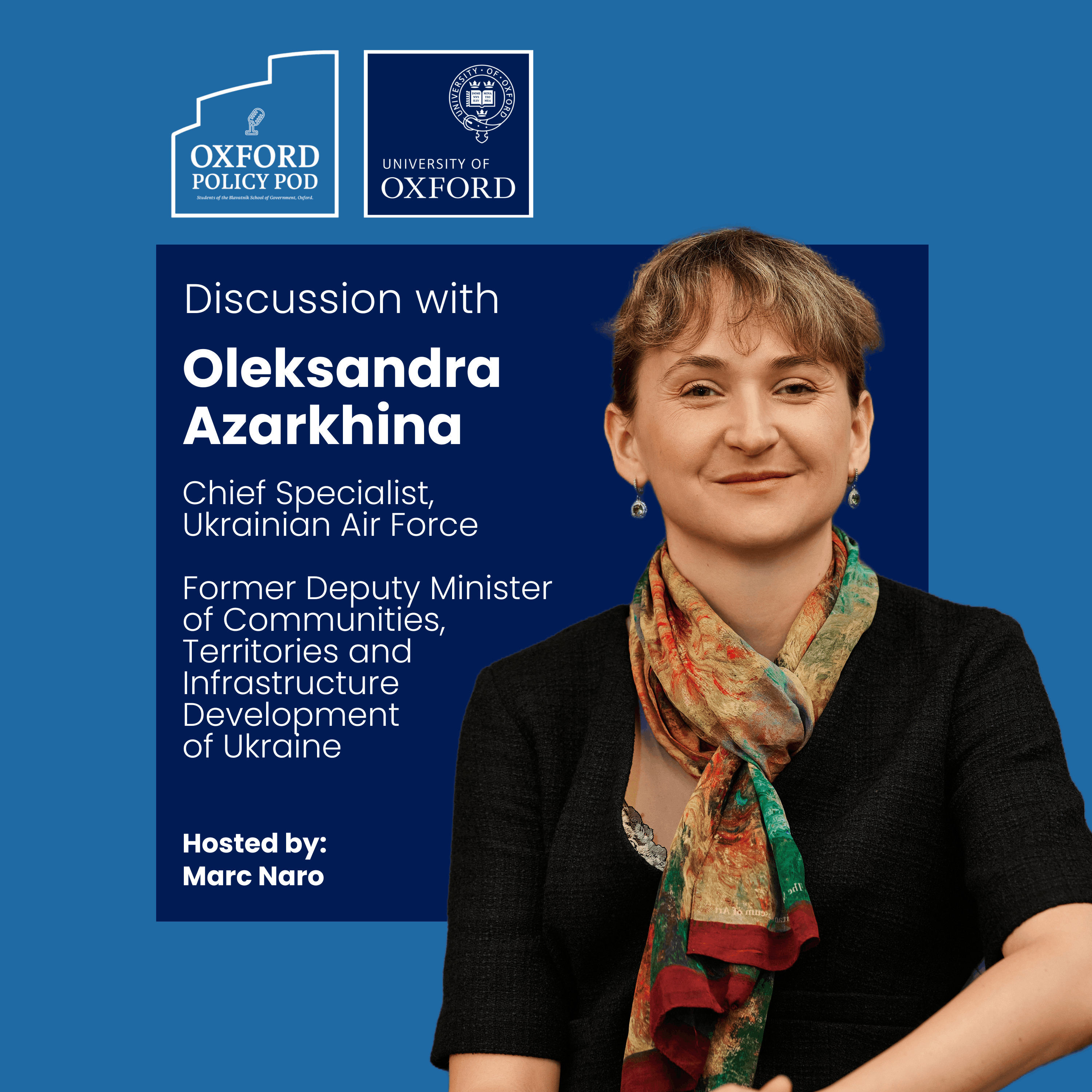
Politics, Platforms and Public Engagement | A discussion with Hannah Ferguson

In this episode of the Oxford Policy Pod, MPP students Thenu Herath and Florence Guyomar speak with Hannah Ferguson, co-founder and CEO of Cheek Media Co, an Australian independent news commentary platform reshaping how people engage with politics and culture. Hannah is also the co-host of Big Small Talk and the bestselling author of Bite Back and Taboo. Her work spans journalism, law and media, with writing featured in outlets including The New York Times and The Guardian. The conversation explores how platforms are transforming political engagement and how Cheek Media bridges politics and pop culture to make public discourse more accessible. We explore the role of algorithms in shaping political engagement, the tension between engagement and quality, and the extent to which creators can push back against platform incentives. Hannah discusses the need for greater transparency and accountability in digital platforms, what effective regulation might look like, and her vision for the future of political media. Finally, the discussion turns to Hannah’s decision to run as an independent in the next federal election, including what it means to move from commenting on politics to participating in it.

0:00-18:01

transcript

No transcript — this publisher did not publish one.

show notes

In this episode of the Oxford Policy Pod, MPP students Thenu Herath and Florence Guyomar speak with Hannah Ferguson, co-founder and CEO of Cheek Media Co, an Australian independent news commentary platform reshaping how people engage with politics and culture.

Hannah is also the co-host of Big Small Talk and the bestselling author of Bite Back and Taboo. Her work spans journalism, law and media, with writing featured in outlets including The New York Times and The Guardian.

The conversation explores how platforms are transforming political engagement and how Cheek Media bridges politics and pop culture to make public discourse more accessible. We explore the role of algorithms in shaping political engagement, the tension between engagement and quality, and the extent to which creators can push back against platform incentives. Hannah discusses the need for greater transparency and accountability in digital platforms, what effective regulation might look like, and her vision for the future of political media.

Finally, the discussion turns to Hannah’s decision to run as an independent in the next federal election, including what it means to move from commenting on politics to participating in it.