transcript
show notes
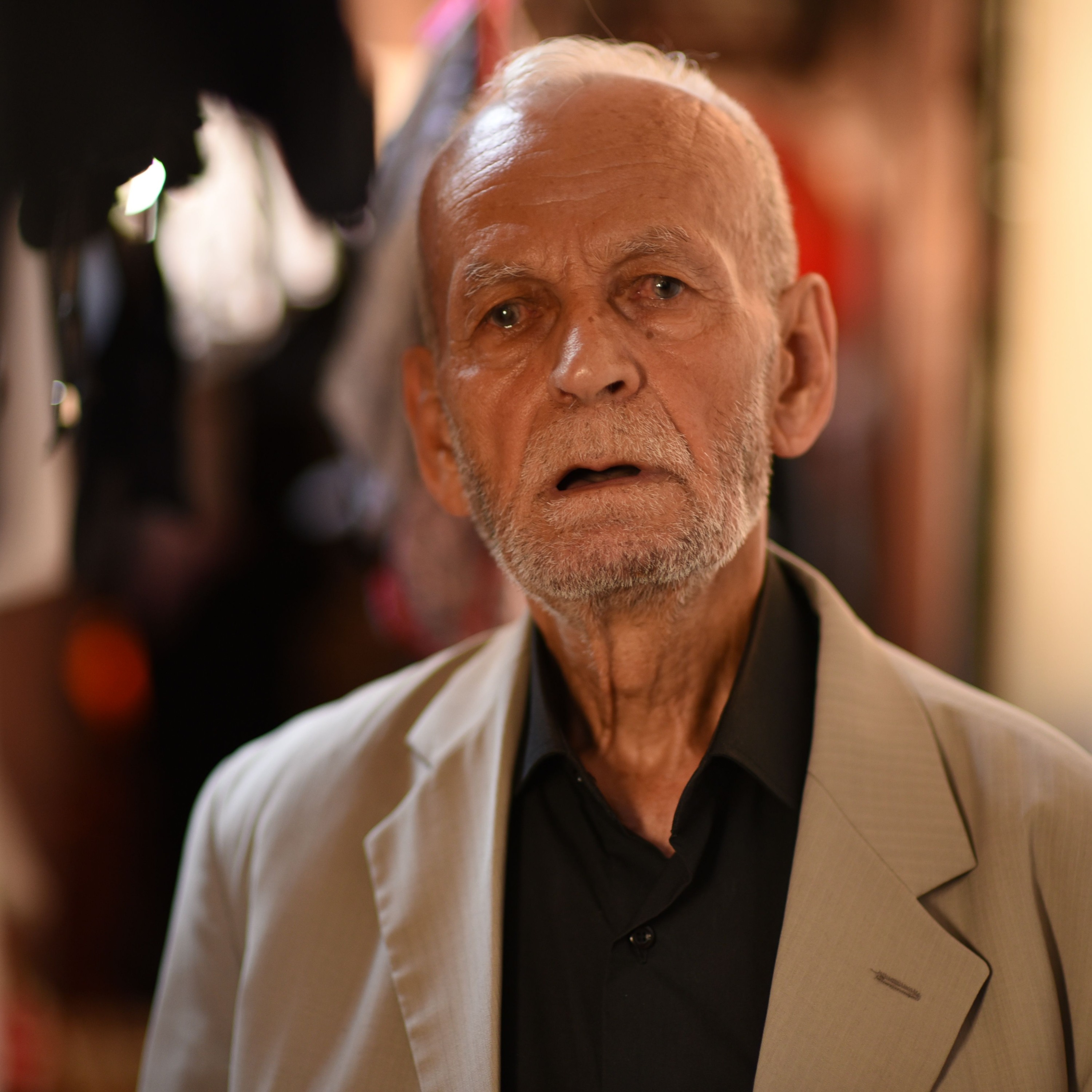
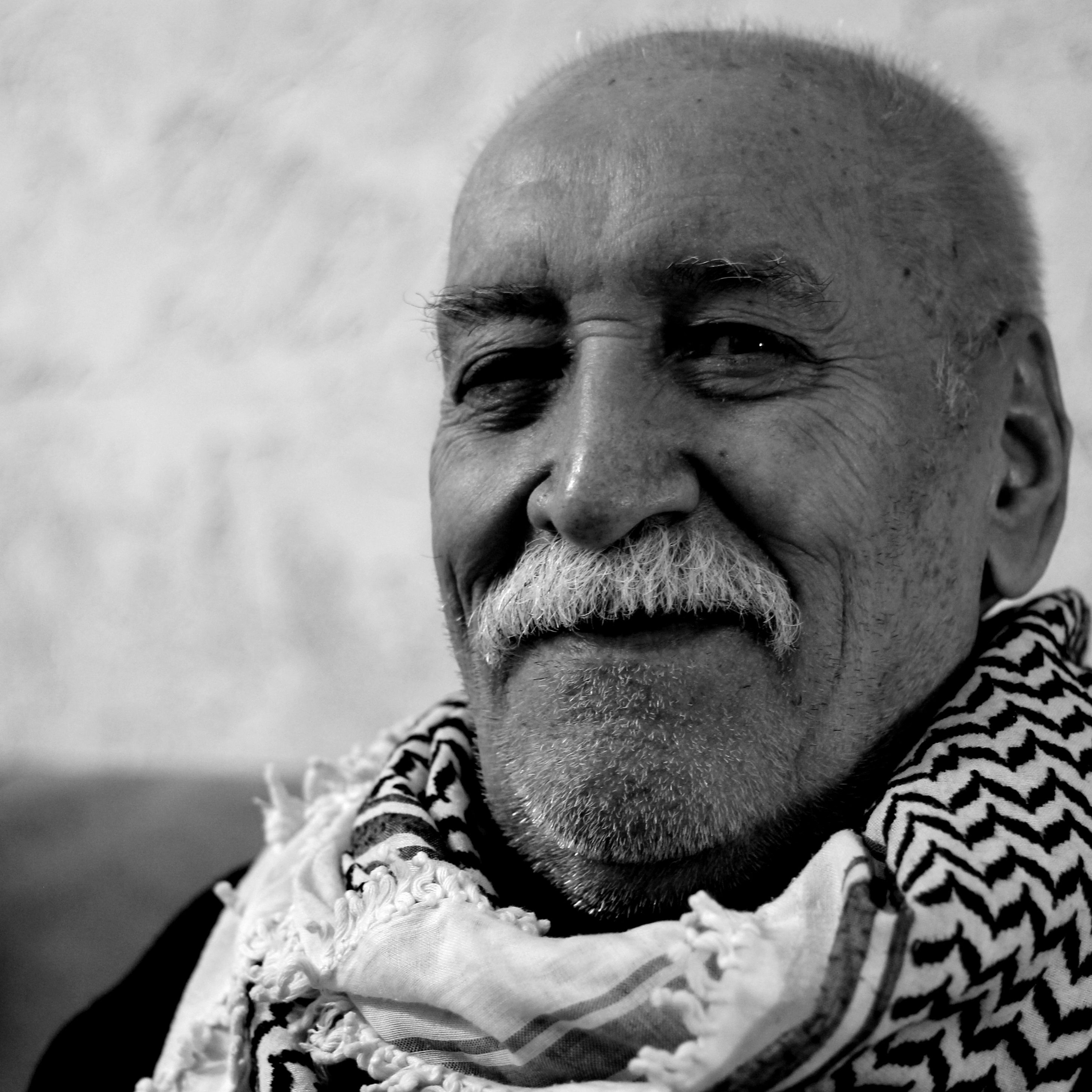
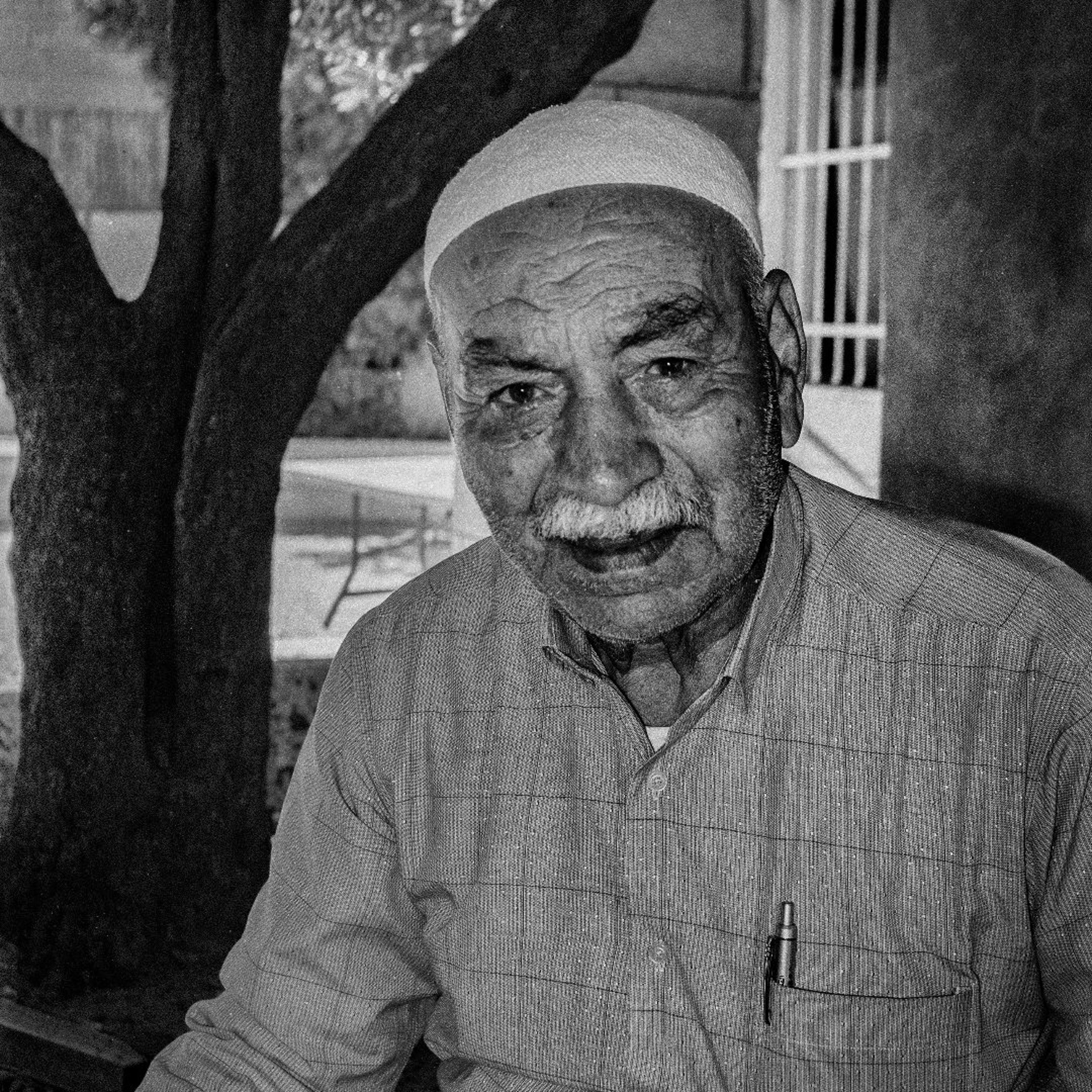
- Framtiden är osäker. Vi vet inte vad judarna har i beredskap för oss, säger Mustafa Eid.
Han är född 1936, i Lifta, utanför Jerusalem. I januari 1948 fördrev israelisk militär Liftas bybor och Mustafa Eid hamnade så småningom i flyktinglägret Balata, i Nablus, på norra Västbanken.
- The future is uncertain. We do not know what the Jews are planning for us, says Mustafa Eid. He was born 1936, in Lifta, outside of Jerusalem. In January 1948 Israeli military expelled the villagers. Mustafa Eid ended up in Balata Camp, in Nablus, in the northern part of the West Bank.
Photo: Cato Lein. Interpreter: Abed Yousef.
Recorded in Balata Camp, 2022.
Background:
The Balata Camp was established in 1950 by UNRWA. It was meant as a temporary solution for 5 000 refugees. Today it is the West Bank´s biggest refuggee camp, overcrowded with 33 000 people.
Poor and insufficient infrastructure puts pressure on camp residents as the effects of overpopulation profoundly impact daily life. Over the years, construction of new residences has encroached on public spaces and turned streets into narrow alleys with barely enough space for people to pass. This results in a sense of lack of privacy and living space for camp residents.
UNRWA facilities remain one of few safe spaces for children to play outdoors. The Israeli Security Forces (ISF) conduct operations in the camp, and generally enter with a large deployment of troops. Confrontations between ISF and local residents often involve the use of live ammunition and other forms of weaponry – with the risk of injury and loss of life.
High unemployment, particularly among youth who make up around 60 per cent of camp residents, remains a challenge in all camps with 17 per cent recorded by PCBS’s Labour Taskforce Report, Q4 2022. Balata camp’s levels of poverty and food insecurity are among the highest in the West Bank camps. The critical socio-economic situation in the camp brings with it a pronounced sense of frustration for camp residents about their future prospects. Despite the major challenges facing residents, Balata camp is known for its strong civil society and has a large number of active community organizations.
Since the 7th of October 2023, escalating tension, violence, and increased movement and access restrictions posed major challenges and constraints to the humanitarian response in all refugee camps.
Source: UNRWA