How vLLM Squeezes More Requests into GPU Memory
transcript
show notes
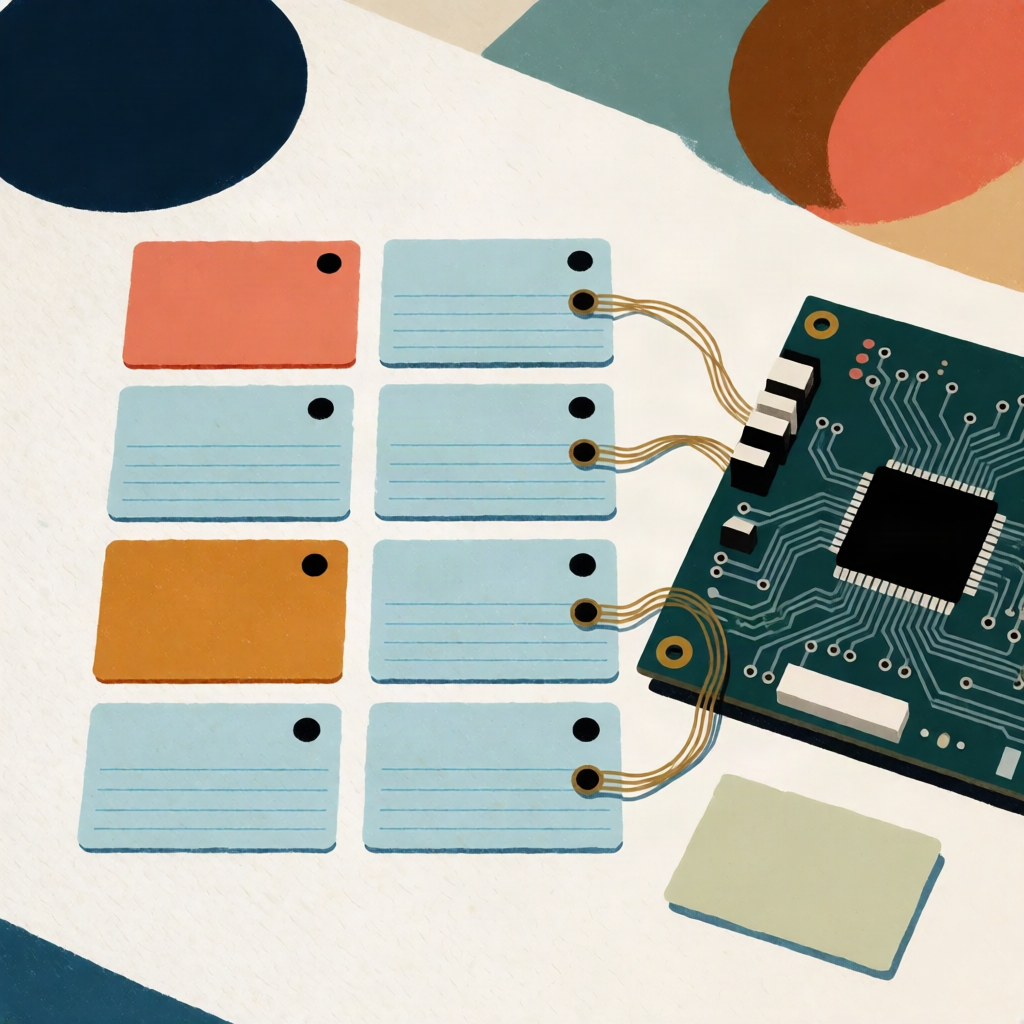
Language model serving often stalls not from slow GPU arithmetic, but from greedy memory allocators reserving space for tokens that never arrive. Explore how UC Berkeley's vLLM project borrowed virtual memory and paging concepts from operating systems to create PagedAttention. By breaking KV caches into non-contiguous physical blocks, sharing prompt states through copy-on-write, and enabling prefix caching, the engine slashed memory waste and enabled dramatically higher request throughput on identical hardware.
Key sources:
• vLLM repo, README + releases v0.30.0/v0.31.0/v0.32.0, last push 2026-10-29 — https://github.com/vllm-project/vllm
• Kwon et al., Efficient Memory Management for LLM Serving with PagedAttention, SOSP 2023 (full text read) — https://arxiv.org/abs/2309.06180
• vLLM: Easy, Fast, and Cheap LLM Serving with PagedAttention, 2023-06-20 — https://blog.vllm.ai/2023/06/20/vllm.html
Episode 6345 — myweirdprompts.com/n/6345 (permanent short link: myweirdprompts.com/379684)