Skip to content
Artwork for Music of Nature Podcast
Music of Nature Podcast · Saturday · 12 min

Thunder-Pumper

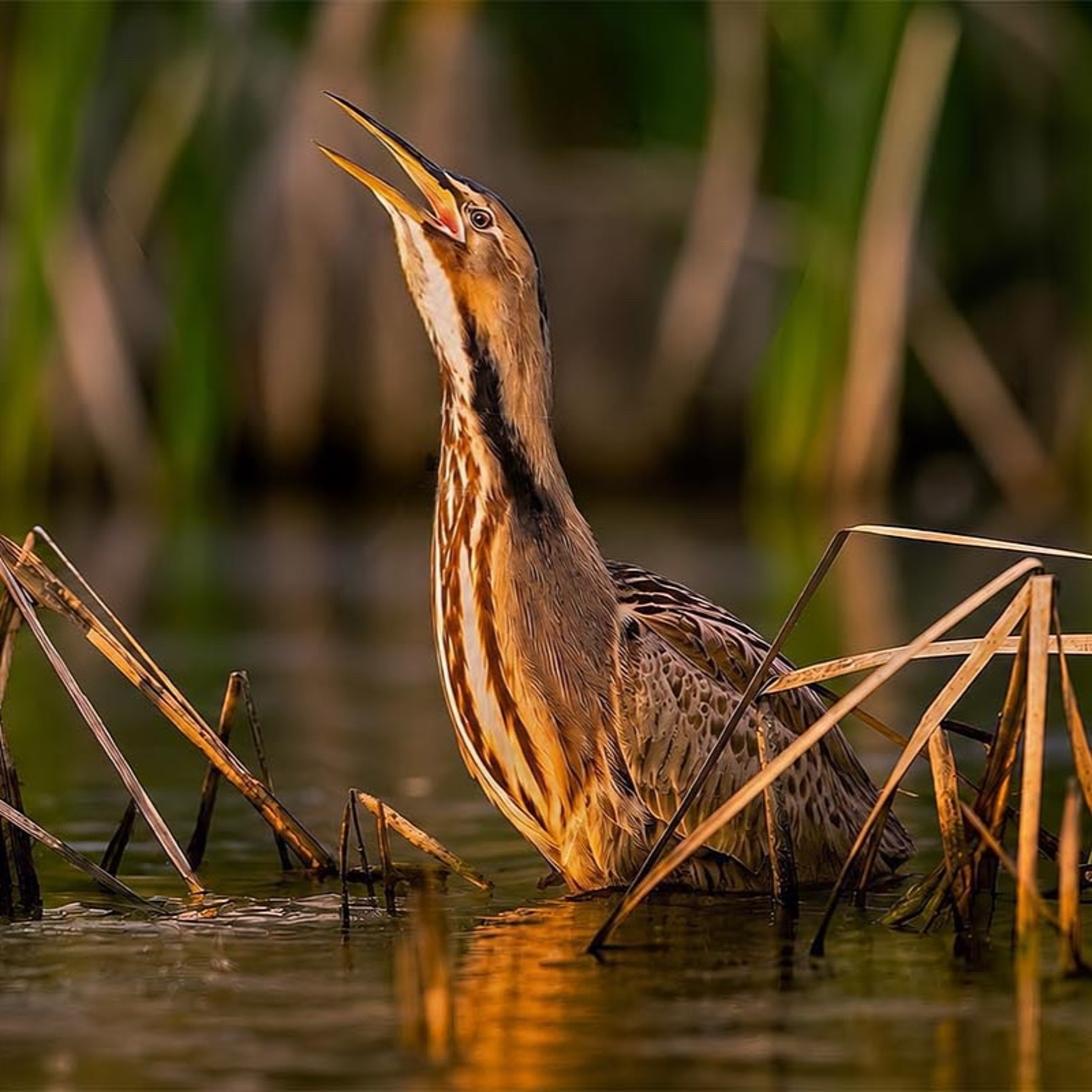
May 17, 1993, 6am, Lake Louise, next to Chase Lake National Wildlife Refuge near Woodworth, North Dakota. © Lang Elliott. This is a binaural field recording. Please listen with headphones. It is dawn in a vast prairie wetland in central North Dakota. I sit quietly in my canoe, alongside a dense stand of cattails and rushes. The marsh is alive with bird sounds, but I am here specifically to record the resonant, gulping onk-ka-chonk (or pumper-lunk) of an American Bittern (also known as “thunder-pumper” or “water-belcher”)—hidden in thick vegetation less than a hundred feet away. The bittern’s bizarre mating call rings out over the marsh as if he were the soloist in the marsh’s grand orchestra of sound. How fortunate to be here now, but where exactly am I? And how on earth did I get to this very spot, scarcely a stone’s throw from the maestro’s lair? The story begins the day before. While exploring the Missouri Coteau prairie pothole region in North Dakota, I discover Lake Louise, an expansive marshy wetland that is a wellspring of natural sounds. At dusk, the soundscape borders on being cacophonous, but what interests me most is the hollow, resonant call of an American Bittern, which sounds off occasionally in the distance. I’m disappointed … I want a close and clean recording of the bittern’s call, but he’s very far away in an inaccessible part of the marsh. I’m not sure I will be able to home in on him, but a little voice inside says “It never hurts to try.” So, at around 3am, under dim moonlight, I paddle my canoe into a maze of shallow channels and patches of cattails and rushes, trying to thread my way across the marsh to the bittern’s location. Sometimes I lose my bearings and have to wait many minutes before he vocalizes again. Finally, after nearly two hours of frustrating dead ends, I find myself next to his hideout in a marshy thicket. I quietly creep forward in my canoe until I am just a stone’s throw away. I dare not make much noise or I’ll flush him. Barely daring to breathe, I carefully place my soundscape mic on my tripod and then lower it into shallow water. I attach my recorder to the top of the tripod, hit record, and then retreat just far enough away that the bittern will not see me when daylight arrives. My strategy works. At first light, the bittern bursts into action, calling about every thirty seconds, while numerous other marsh birds sound off in the background. I am elated! It has been a long and frustrating night—but worth every wrong turn! Against all odds, I have somehow managed to capture the bittern’s extraordinary onk-ka-chunk for all the world to hear!

0:00-12:57

transcript

No transcript — this publisher did not publish one.

show notes

May 17, 1993, 6am, Lake Louise, next to Chase Lake National Wildlife Refuge near Woodworth, North Dakota. © Lang Elliott. This is a binaural field recording. Please listen with headphones.

It is dawn in a vast prairie wetland in central North Dakota. I sit quietly in my canoe, alongside a dense stand of cattails and rushes. The marsh is alive with bird sounds, but I am here specifically to record the resonant, gulping onk-ka-chonk (or pumper-lunk) of an American Bittern (also known as “thunder-pumper” or “water-belcher”)—hidden in thick vegetation less than a hundred feet away.

The bittern’s bizarre mating call rings out over the marsh as if he were the soloist in the marsh’s grand orchestra of sound. How fortunate to be here now, but where exactly am I? And how on earth did I get to this very spot, scarcely a stone’s throw from the maestro’s lair?

The story begins the day before. While exploring the Missouri Coteau prairie pothole region in North Dakota, I discover Lake Louise, an expansive marshy wetland that is a wellspring of natural sounds. At dusk, the soundscape borders on being cacophonous, but what interests me most is the hollow, resonant call of an American Bittern, which sounds off occasionally in the distance. I’m disappointed … I want a close and clean recording of the bittern’s call, but he’s very far away in an inaccessible part of the marsh. I’m not sure I will be able to home in on him, but a little voice inside says “It never hurts to try.”

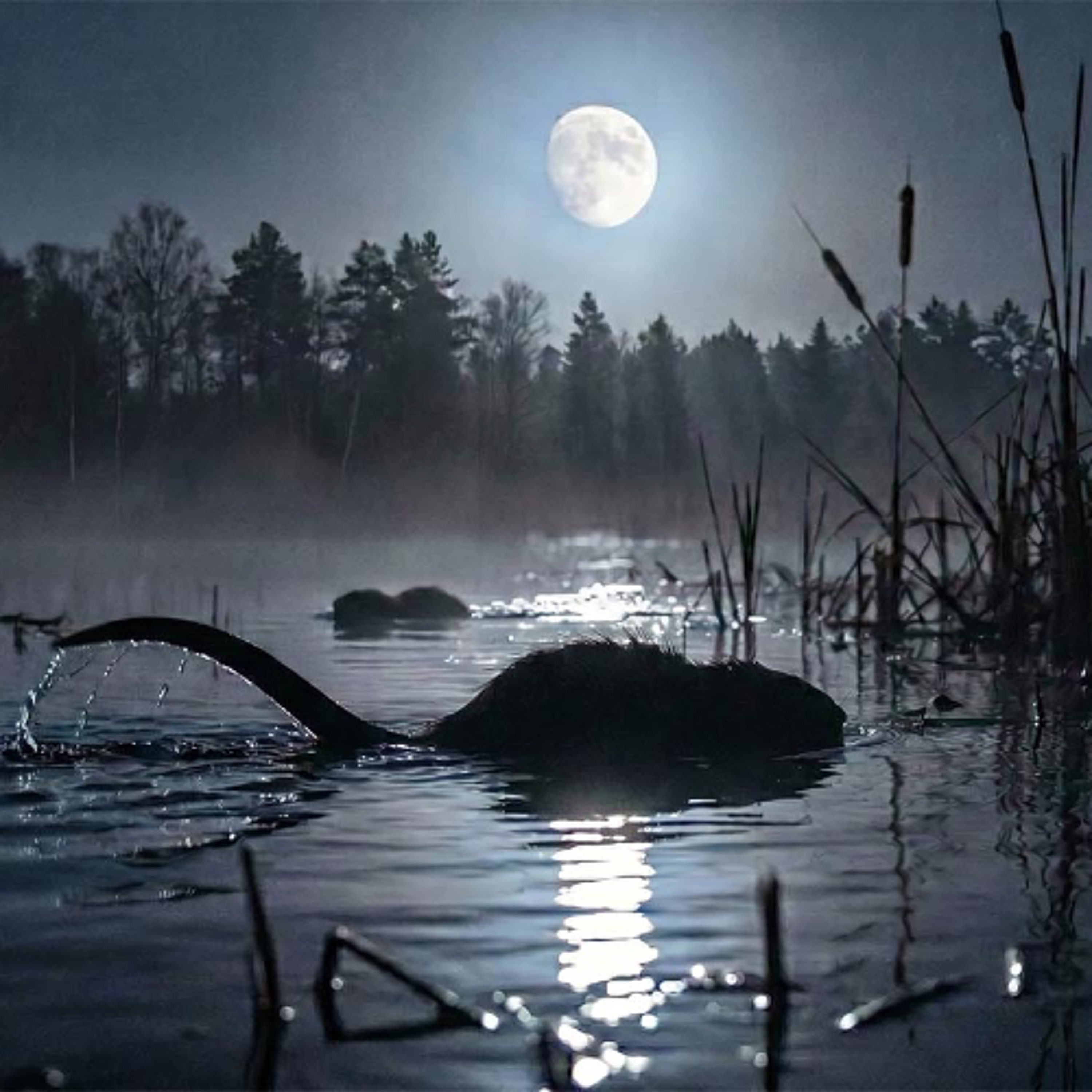
So, at around 3am, under dim moonlight, I paddle my canoe into a maze of shallow channels and patches of cattails and rushes, trying to thread my way across the marsh to the bittern’s location. Sometimes I lose my bearings and have to wait many minutes before he vocalizes again. Finally, after nearly two hours of frustrating dead ends, I find myself next to his hideout in a marshy thicket.

I quietly creep forward in my canoe until I am just a stone’s throw away. I dare not make much noise or I’ll flush him. Barely daring to breathe, I carefully place my soundscape mic on my tripod and then lower it into shallow water. I attach my recorder to the top of the tripod, hit record, and then retreat just far enough away that the bittern will not see me when daylight arrives.

My strategy works. At first light, the bittern bursts into action, calling about every thirty seconds, while numerous other marsh birds sound off in the background. I am elated! It has been a long and frustrating night—but worth every wrong turn! Against all odds, I have somehow managed to capture the bittern’s extraordinary onk-ka-chunk for all the world to hear!

more episodes

All episodes