Skip to content
Artwork for Multi-messenger astrophysics
Multi-messenger astrophysics · October 8 · 21 min

GRB 221009A: Measuring Relativistic Jets using Radio Interferometry

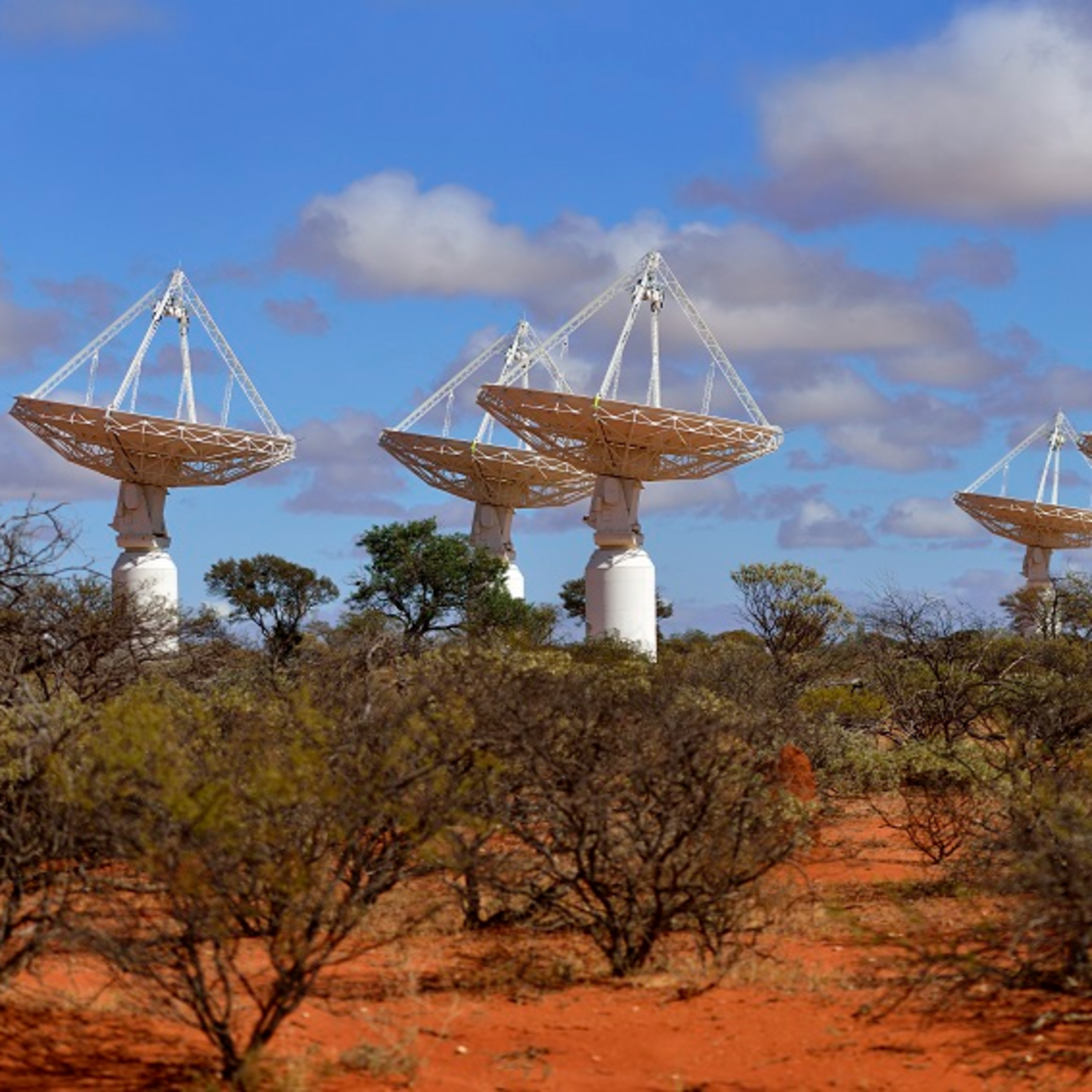
In this episode, we explore high-precision Very Long Baseline Interferometry (VLBI) radio observations of GRB 221009A, the brightest gamma-ray burst ever detected. Using the Global-VLBI network at 5 GHz between 231 and 750 days post-burst, an international team of astronomers directly measured the expanding projected image size and relativistic velocity of the blast wave. Their direct size measurements provide a powerful test of theoretical afterglow physics, revealing that existing multi-wavelength models struggle to reproduce the physical size evolution of the burst. Key Takeaways & Discussion Points: Direct Size & Expansion Measurements: Global-VLBI observations achieved sub-milliarcsecond resolution, resolving the source size with relative uncertainties of 13% and 30% at 231 and 391 days post-burst. Challenging Current Theories: None of the published multi-wavelength afterglow models in the literature have best-fitting parameters that match the observed 5 GHz size evolution within \\(2\sigma\\), demonstrating that direct VLBI imaging is essential to break parameter degeneracies in gamma-ray burst physics. ### Article Reference Title: Comparing the size evolution of GRB 221009A with afterglow models Authors: S. Giarratana, O. S. Salafia, B. Marcote, Z. Paragi, M. Giroletti, G. Ghirlanda, L. Nava, A. van der Horst, J. K. Leung, L. Rhodes, P. G. Edwards, M. Pérez-Torres, and J. Yang Publication Context: Astronomy & Astrophysics manuscript Acknowledements: Podcast prepared with Google/Gemini Notebook. Illustration credits: NASA/JPL

0:00-21:00

transcript

No transcript — this publisher did not publish one.

show notes

In this episode, we explore high-precision Very Long Baseline Interferometry (VLBI) radio observations of GRB 221009A, the brightest gamma-ray burst ever detected. Using the Global-VLBI network at 5 GHz between 231 and 750 days post-burst, an international team of astronomers directly measured the expanding projected image size and relativistic velocity of the blast wave. Their direct size measurements provide a powerful test of theoretical afterglow physics, revealing that existing multi-wavelength models struggle to reproduce the physical size evolution of the burst.


Key Takeaways & Discussion Points:

  • Direct Size & Expansion Measurements: Global-VLBI observations achieved sub-milliarcsecond resolution, resolving the source size with relative uncertainties of 13% and 30% at 231 and 391 days post-burst.
  • Challenging Current Theories: None of the published multi-wavelength afterglow models in the literature have best-fitting parameters that match the observed 5 GHz size evolution within \\(2\sigma\\), demonstrating that direct VLBI imaging is essential to break parameter degeneracies in gamma-ray burst physics.


### Article Reference

Title: Comparing the size evolution of GRB 221009A with afterglow models

Authors: S. Giarratana, O. S. Salafia, B. Marcote, Z. Paragi, M. Giroletti, G. Ghirlanda, L. Nava, A. van der Horst, J. K. Leung, L. Rhodes, P. G. Edwards, M. Pérez-Torres, and J. Yang

Publication Context: Astronomy & Astrophysics manuscript


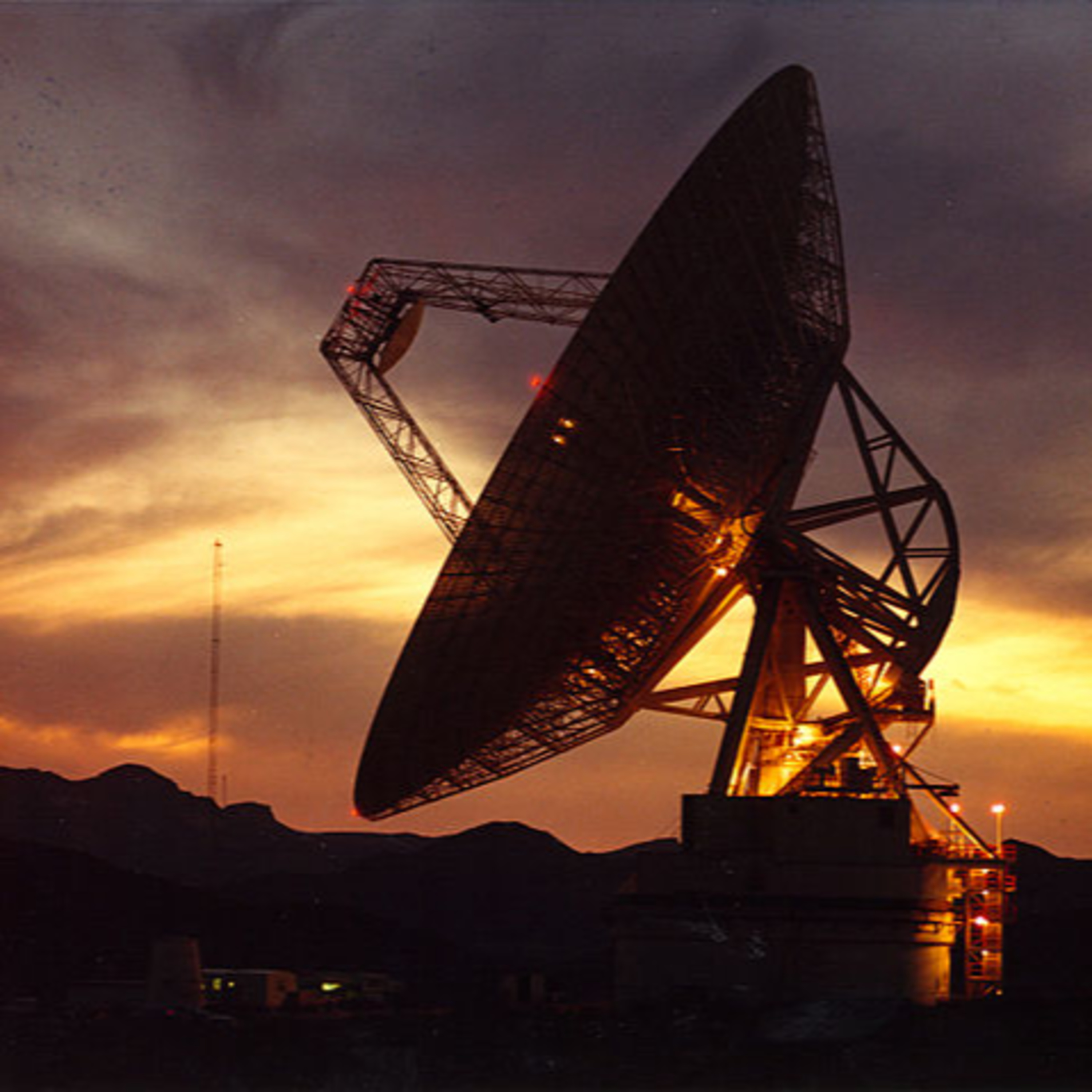
Acknowledements: Podcast prepared with Google/Gemini Notebook. Illustration credits: NASA/JPL