
Skip to content
Artwork for Mises Institute
Mises Institute · Wednesday · 36 min

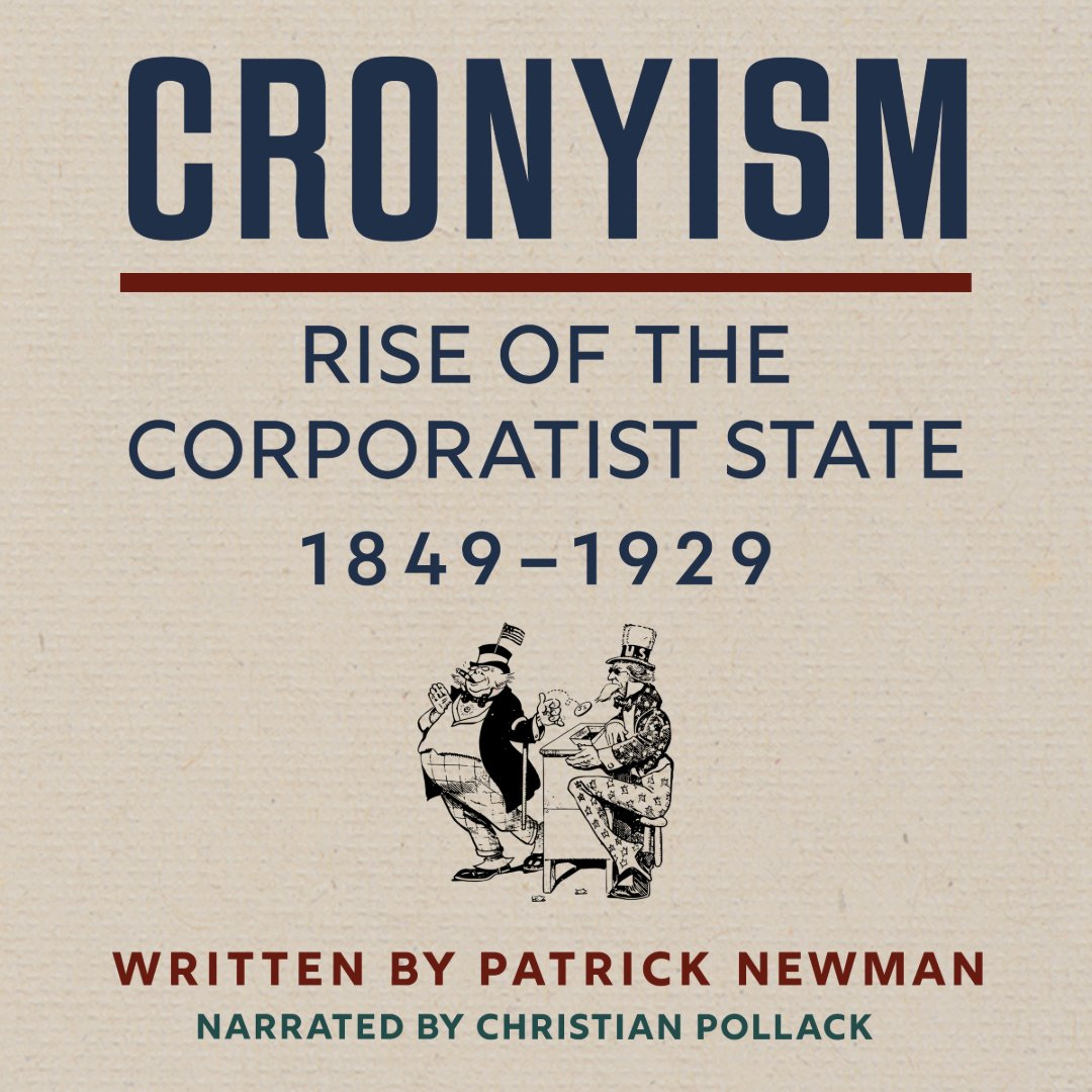
Chapter 3. Cartelizing the Railroads

Competition among the trunk lines meant lower rates and better service, so the railroads tried pools to stop it—and the pools kept collapsing, because without government coercion some member always defected with a secret rebate. Patrick Newman shows how the Interstate Commerce Commission supplied the enforcement common law would not, with commissioners reading their mandate in the railroads’ favor and cartelization temporarily strengthened at the shippers’ expense.
0:00-36:55

transcript

No transcript — this publisher did not publish one.

show notes

Competition among the trunk lines meant lower rates and better service, so the railroads tried pools to stop it—and the pools kept collapsing, because without government coercion some member always defected with a secret rebate. Patrick Newman shows how the Interstate Commerce Commission supplied the enforcement common law would not, with commissioners reading their mandate in the railroads’ favor and cartelization temporarily strengthened at the shippers’ expense.