transcript
show notes
Frantz Fanon is most often read as a thinker of colonial violence, racial domination and revolutionary rupture. But what happens if we attend instead to the Fanon concerned with creation, popular participation, self-management and the capacity of people to build new forms of life together? In this episode, we discuss Mark Purcell’s Discovering Democracy in the Work of Frantz Fanon with Purcell and Mrinalini Greedharry. The book proposes a distinction between a “major Fanon,” organised around negation, critique and the destruction of oppressive structures, and a “minor Fanon” who emerges in moments of affirmation, collective experimentation and democratic self-management. This minor Fanon appears in discussions of Algerian villagers taking responsibility for their own affairs, but also in Fanon’s psychiatric practice and his attempts to create forms of institutional life in which patients participate actively in their own care.
The conversation explores both the possibilities and the tensions of this distinction. Can anti-colonialism, anti-racism and anti-fascism be understood primarily as negative projects, or can resistance itself form part of the construction of new relations? How far can creation and affirmation be separated from the work of confronting structures of domination? And might Fanon’s psychiatric practice – shaped through experimentation, failure and encounters with the social and cultural realities of Algeria – complicate any straightforward division between destruction and creation? The discussion moves through Fanon’s relation to institutional psychotherapy, questions of cultural specificity and postcolonial thought, and the importance of recognising the capacities that oppressed people already possess. Purcell draws on Zora Neale Hurston as an example of attending to Black creativity, life and cultural production rather than allowing racism to determine the entire field of attention, while the conversation considers what might be gained – and what might be lost – by shifting political emphasis from opposition toward creation. More broadly, the episode asks what a radical politics of affirmation might look like without abandoning the necessity of resistance: how critique, collective experimentation, cultural production and the creation of new forms of life might coexist rather than being treated as mutually exclusive political choices.
More On the Book
Intro / Outro: Is It Possible – Hopeless Dregs of Humanity
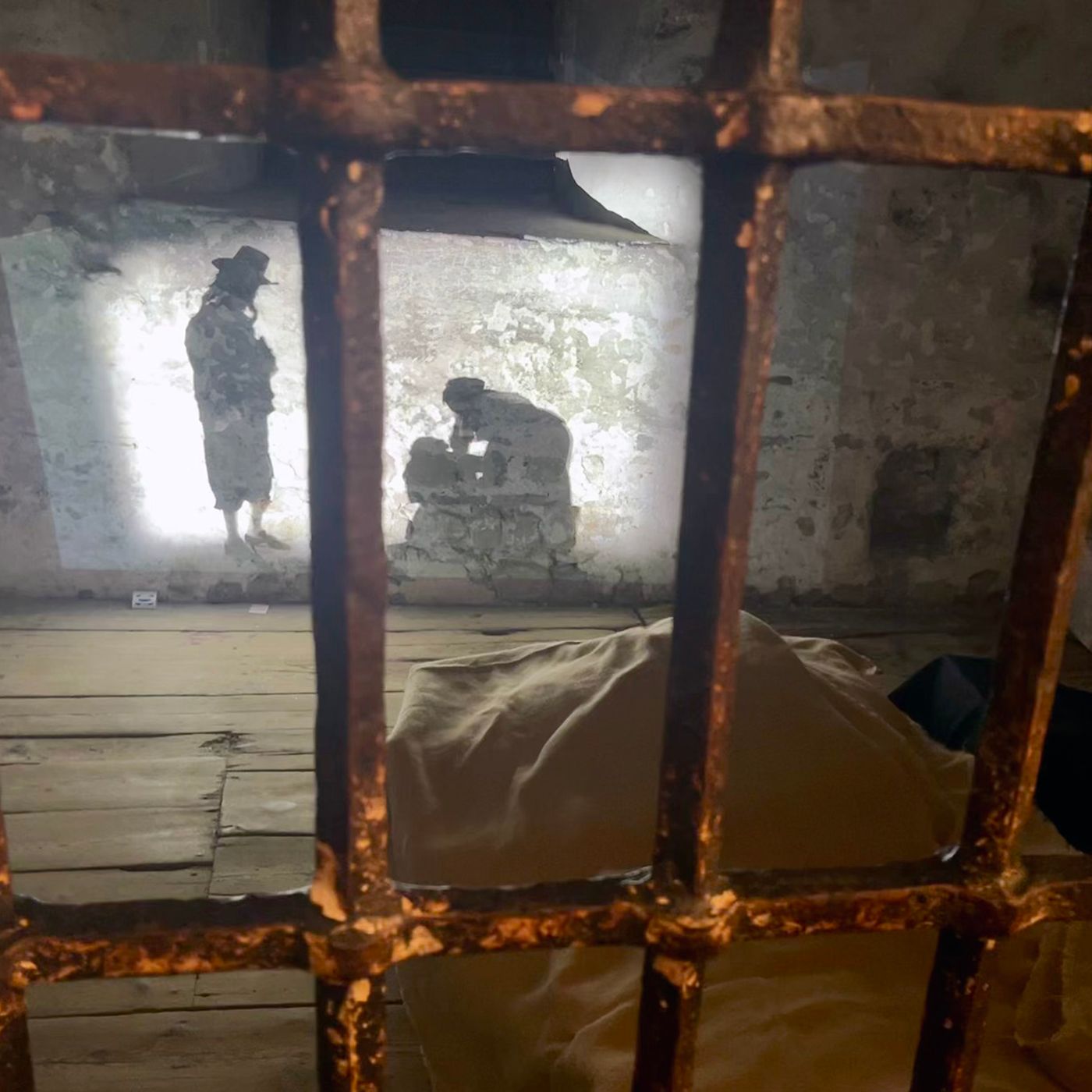
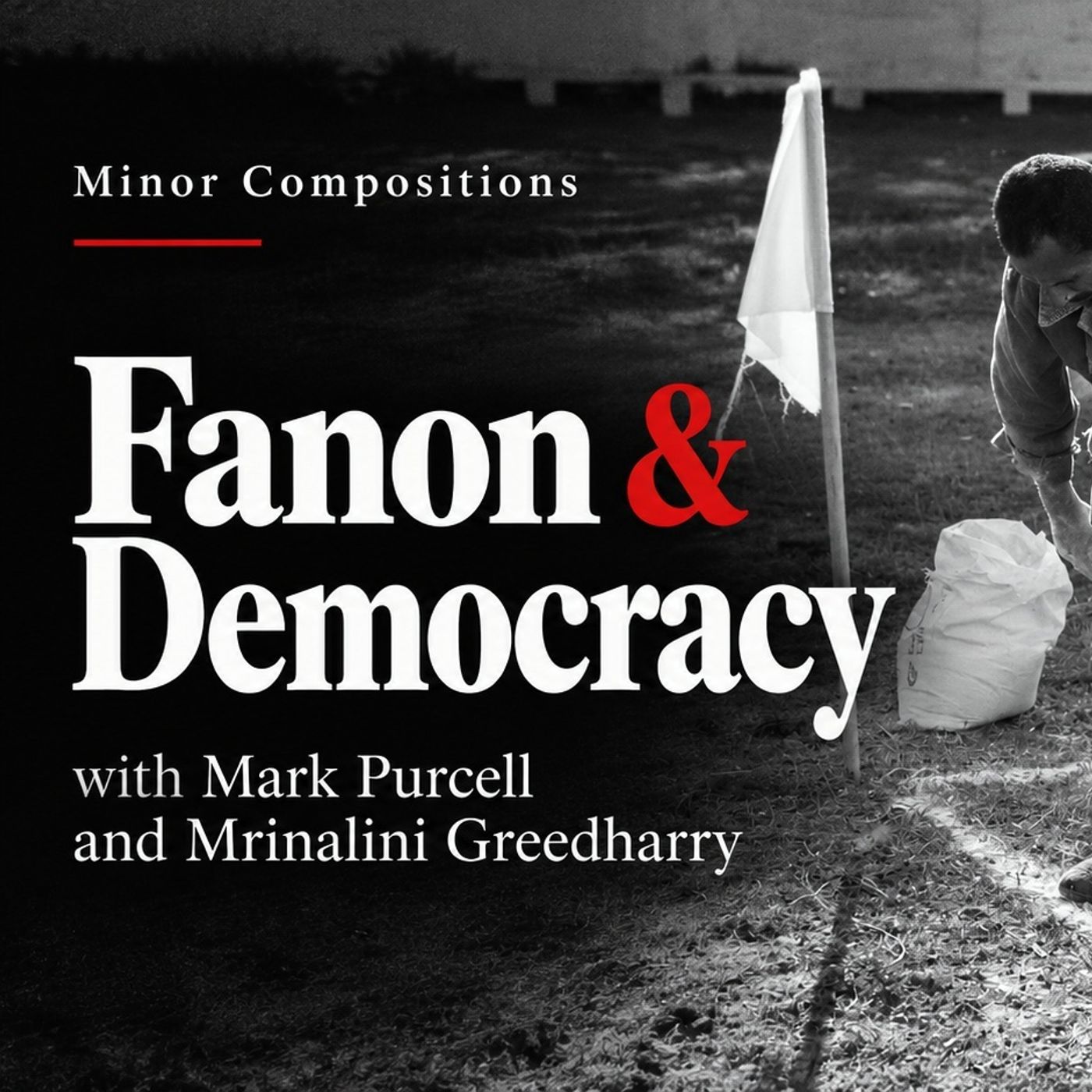
Thumbnail based on a still from Chroniques fidèles survenues au siècle dernier à l’hôpital psychiatrique Blida-Joinville, au temps où le Docteur Frantz Fanon était chef de la cinquième division entre 1953 et 1956 (True Chronicles of the Blida Joinville Psychiatric Hospital in the Last Century, when Dr Frantz Fanon Was Head of the Fifth Ward between 1953 and 1956). Drected by Abdenour Zahzah.
The conversation explores both the possibilities and the tensions of this distinction. Can anti-colonialism, anti-racism and anti-fascism be understood primarily as negative projects, or can resistance itself form part of the construction of new relations? How far can creation and affirmation be separated from the work of confronting structures of domination? And might Fanon’s psychiatric practice – shaped through experimentation, failure and encounters with the social and cultural realities of Algeria – complicate any straightforward division between destruction and creation? The discussion moves through Fanon’s relation to institutional psychotherapy, questions of cultural specificity and postcolonial thought, and the importance of recognising the capacities that oppressed people already possess. Purcell draws on Zora Neale Hurston as an example of attending to Black creativity, life and cultural production rather than allowing racism to determine the entire field of attention, while the conversation considers what might be gained – and what might be lost – by shifting political emphasis from opposition toward creation. More broadly, the episode asks what a radical politics of affirmation might look like without abandoning the necessity of resistance: how critique, collective experimentation, cultural production and the creation of new forms of life might coexist rather than being treated as mutually exclusive political choices.
More On the Book
Intro / Outro: Is It Possible – Hopeless Dregs of Humanity
Thumbnail based on a still from Chroniques fidèles survenues au siècle dernier à l’hôpital psychiatrique Blida-Joinville, au temps où le Docteur Frantz Fanon était chef de la cinquième division entre 1953 et 1956 (True Chronicles of the Blida Joinville Psychiatric Hospital in the Last Century, when Dr Frantz Fanon Was Head of the Fifth Ward between 1953 and 1956). Drected by Abdenour Zahzah.
links1