Skip to content
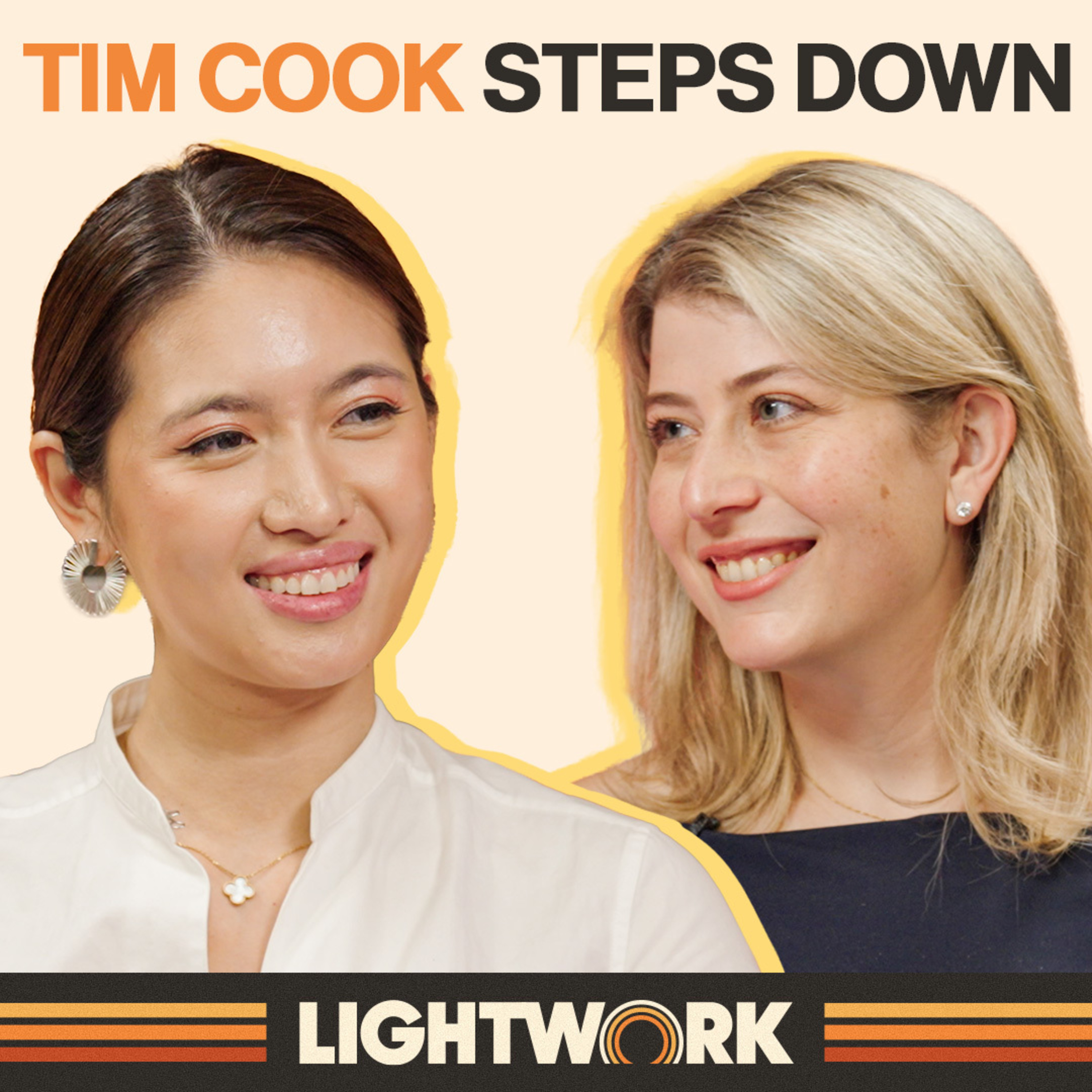
Artwork for Lightwork
Lightwork · Monday · 25 min

Why AI Agents Fail in the Real World | Temporal on Lightwork

Samar Abbas, co-founder and CEO of Temporal, joins Claire Zau and Lightspeed partner Anoushka Vaswani to break down a $550 million Series E at a $12.55 billion valuation, seven months after a round that valued the company at $5 billion. Temporal is an open source platform for durable execution, the guarantee that code runs to completion no matter what fails underneath it. Samar explains why that matters more in the agent era. The longer an agent runs and the more tools it touches, the more the chances of failure compound, and the real world is full of cases where a retry means refunding a customer twice. Anoushka makes the case that reliability and long running execution are the two things every useful agent needs, which puts Temporal in the path of token flow as agents do more work. Samar walks through the subscription workflow that can take “four lines of code” instead of a stack of queues and timers, and the nearly twenty year arc from Simple Workflow at Amazon through Cadence at Uber. They close on Temporal Nexus and what it would take to extend the same guarantees across company boundaries, so one business's agent can reliably call another's. Chapters: 0:00 Temporal’s $550M Series E and $12.55B Valuation 0:45 What Temporal Does and How It Works 3:00 How Temporal Can Solve a Critical AI Infrastructure Problem 4:16 Where AI Models Fail in Real-World Execution 7:04 How Temporal Changes the Developer Experience 8:43 Temporal’s “Aha Moment” for AI Teams 9:43 Interesting Temporal Use Cases 11:44 From Simple Workflow at Amazon to Cadence at Uber 14:11 Temporal's Partnership with Lightspeed 17:59 How Temporal Will Use the New Funding 19:13 The Future of Agents Communicating With Each Other 22:38 What Will Become Obvious About AI in the Future

0:00-25:23

transcript

No transcript — this publisher did not publish one.

show notes

Samar Abbas, co-founder and CEO of Temporal, joins Claire Zau and Lightspeed partner Anoushka Vaswani to break down a $550 million Series E at a $12.55 billion valuation, seven months after a round that valued the company at $5 billion. Temporal is an open source platform for durable execution, the guarantee that code runs to completion no matter what fails underneath it. Samar explains why that matters more in the agent era. The longer an agent runs and the more tools it touches, the more the chances of failure compound, and the real world is full of cases where a retry means refunding a customer twice.

Anoushka makes the case that reliability and long running execution are the two things every useful agent needs, which puts Temporal in the path of token flow as agents do more work. Samar walks through the subscription workflow that can take “four lines of code” instead of a stack of queues and timers, and the nearly twenty year arc from Simple Workflow at Amazon through Cadence at Uber. They close on Temporal Nexus and what it would take to extend the same guarantees across company boundaries, so one business's agent can reliably call another's.

Chapters:

0:00 Temporal’s $550M Series E and $12.55B Valuation

0:45 What Temporal Does and How It Works

3:00 How Temporal Can Solve a Critical AI Infrastructure Problem

4:16 Where AI Models Fail in Real-World Execution

7:04 How Temporal Changes the Developer Experience

8:43 Temporal’s “Aha Moment” for AI Teams

9:43 Interesting Temporal Use Cases

11:44 From Simple Workflow at Amazon to Cadence at Uber

14:11 Temporal's Partnership with Lightspeed

17:59 How Temporal Will Use the New Funding

19:13 The Future of Agents Communicating With Each Other

22:38 What Will Become Obvious About AI in the Future