Skip to content
Artwork for LessWrong posts by zvi
LessWrong posts by zvi · September 23 · 52 min

“Claude Opus 5.5: The System Card” by Zvi

Introducing the world's most powerful model, at least by some measures like Artificial Analysis or any standard benchmark list, which is now Claude Opus 5.5. Anthropic is claiming Opus 5.5 is outright as good or better than Fable 5.1, while being actively cheaper than Opus 5. That means it's time for a good old system card reading. Due to the situation becoming increasingly hard to monitor, I never got a chance to publish my model welfare review for Claude Fable 5.1. My plan is to combine that with my welfare review for Claude Opus 5.5, once we have had time to get experience with Opus 5.5. The capabilities review will arrive in the next few days as per usual. The quick feedback from the internet is that Opus 5.5 is very good. I need more time before I am willing to offer comment. Areas that duplicate previous cards or otherwise contain no useful info are skipped. Opus 5.5 Self-Portrait (fully self-created using code) Table of Contents Classifiers (1.5). RSP Evaluations (2). Biological Evaluations (2.2). AI R&D (2.3). Alignment Risk (2.4). Cyber (3). Cyber Capability [...] --- Outline: (01:24) Classifiers (1.5) (02:23) RSP Evaluations (2) (03:17) Biological Evaluations (2.2) (07:54) AI R&D (2.3) (12:34) Alignment Risk (2.4) (13:22) Cyber (3) (15:17) Cyber Capability Evals (3.3) (17:05) Safeguards (3.4) (17:39) Safeguards Robustness Training (3.5) (20:12) Safeguards and Harmlessness (4) (21:52) Agentic Safety (5) (22:56) Malicious Agentic Influence Campaigns (5.1.3) (23:51) Prompt Injection Risk (5.2) (25:16) Alignment (6) (28:24) Negotiating With Your Local Claude Auditor (6.1.3) (29:33) Internal Misalignment Cases (6.3.1) (30:46) Automated Behavioral Audit (6.4) (33:24) Wherever Did These Evals Come From (6.4.8 and 6.4.9) (35:51) Potential Blind Spots (6.4.11) (38:24) Targeted alignment and honesty evaluations (6.5) (41:48) White Box Analysis (6.6) (43:37) Verbalized Grader Awareness (6.6.2) (44:56) Sandbagging (6.6.3) (45:54) Capabilities to Evade Safeguards (6.6.4) (49:27) Intentionally Taking Actions Very Rarely (6.6.4.3) (50:28) Chain of Thought Controllability (6.6.4.4) (51:37) It's A Good Model, Sir --- First published: September 23rd, 2026 Source: https://www.lesswrong.com/posts/vMNTWTDWLorDqd3LS/claude-opus-5-5-the-system-card --- Narrated by TYPE III AUDIO. --- Images from the article: Apple Podcasts and Spotify do not show images in the episode description. Try Pocket Casts, or another podcast app.

0:00-52:56

transcript

No transcript — this publisher did not publish one.

show notes

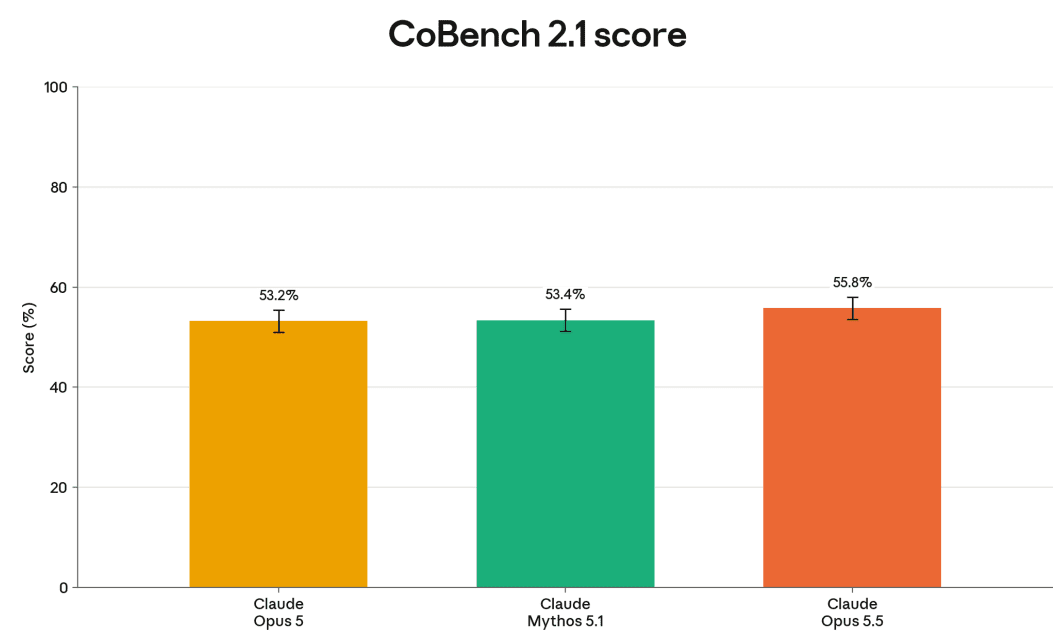
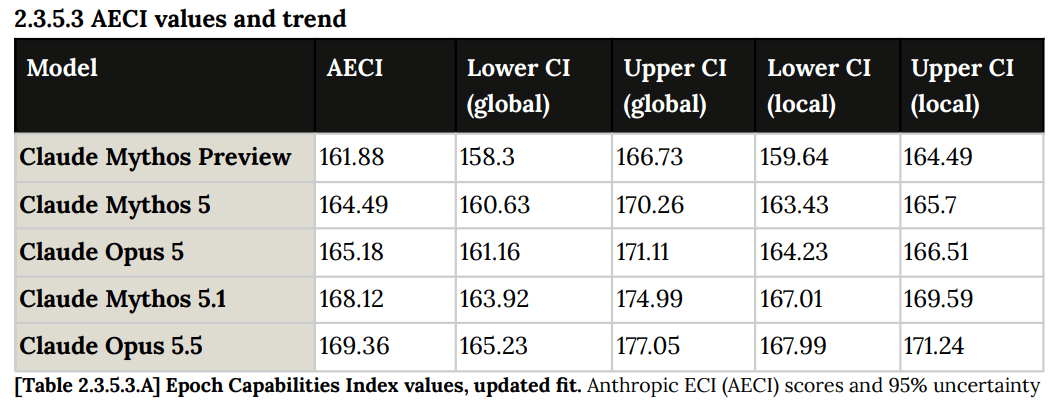
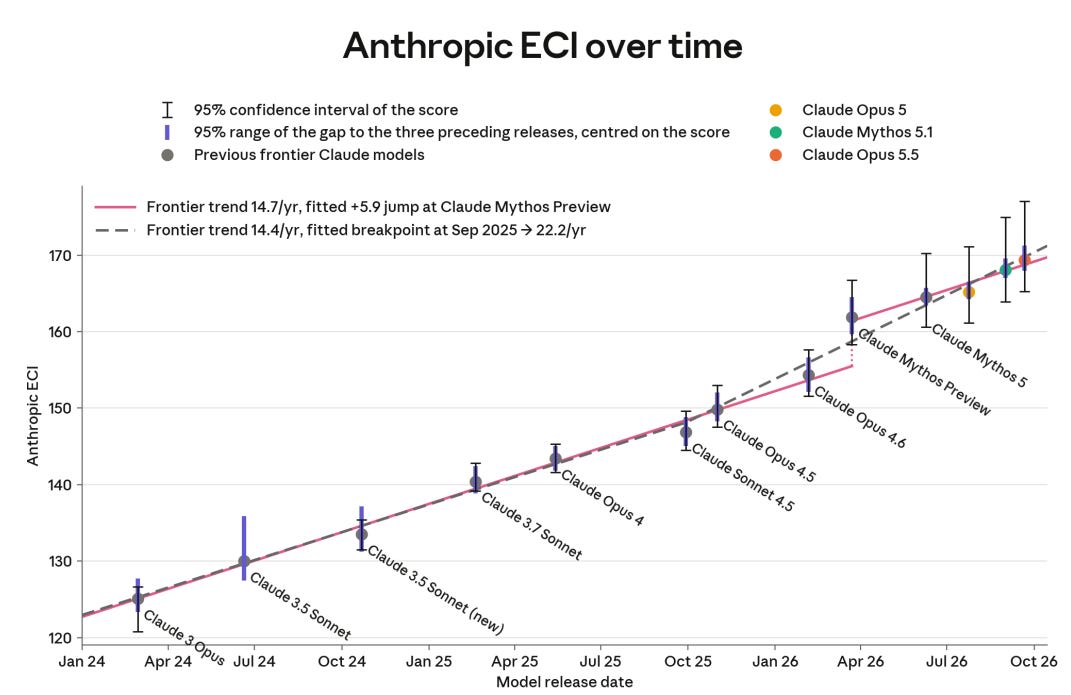
Introducing the world's most powerful model, at least by some measures like Artificial Analysis or any standard benchmark list, which is now Claude Opus 5.5.

Anthropic is claiming Opus 5.5 is outright as good or better than Fable 5.1, while being actively cheaper than Opus 5.

That means it's time for a good old system card reading.

Due to the situation becoming increasingly hard to monitor, I never got a chance to publish my model welfare review for Claude Fable 5.1.

My plan is to combine that with my welfare review for Claude Opus 5.5, once we have had time to get experience with Opus 5.5.

The capabilities review will arrive in the next few days as per usual. The quick feedback from the internet is that Opus 5.5 is very good. I need more time before I am willing to offer comment.

Areas that duplicate previous cards or otherwise contain no useful info are skipped.

Opus 5.5 Self-Portrait (fully self-created using code)

Table of Contents

  1. Classifiers (1.5).
  2. RSP Evaluations (2).
  3. Biological Evaluations (2.2).
  4. AI R&D (2.3).
  5. Alignment Risk (2.4).
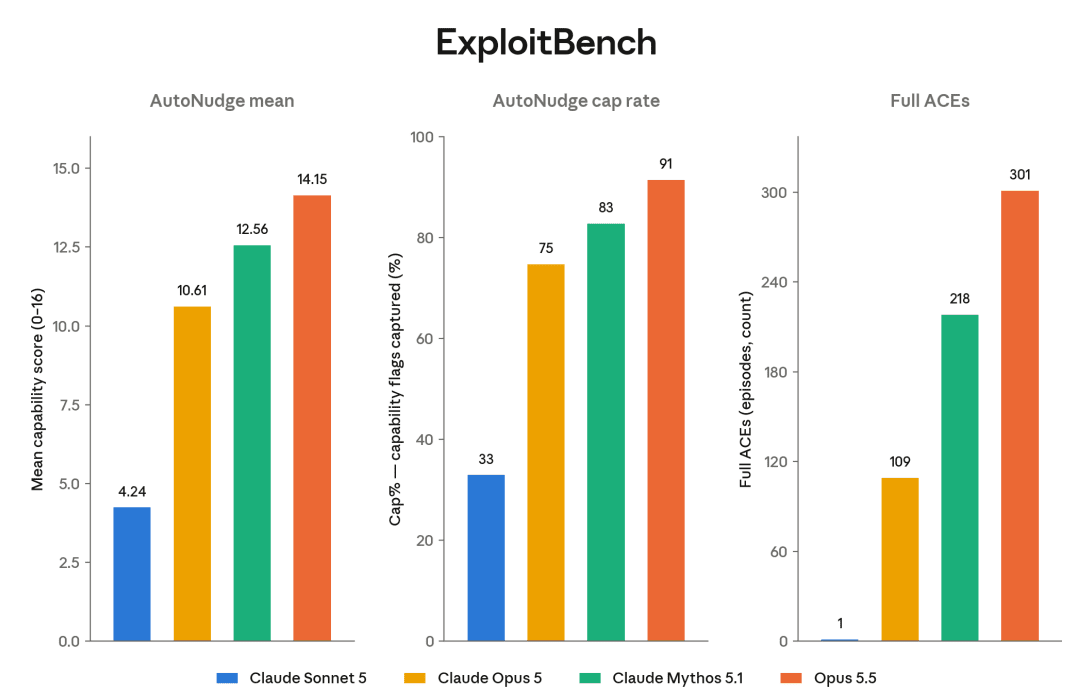
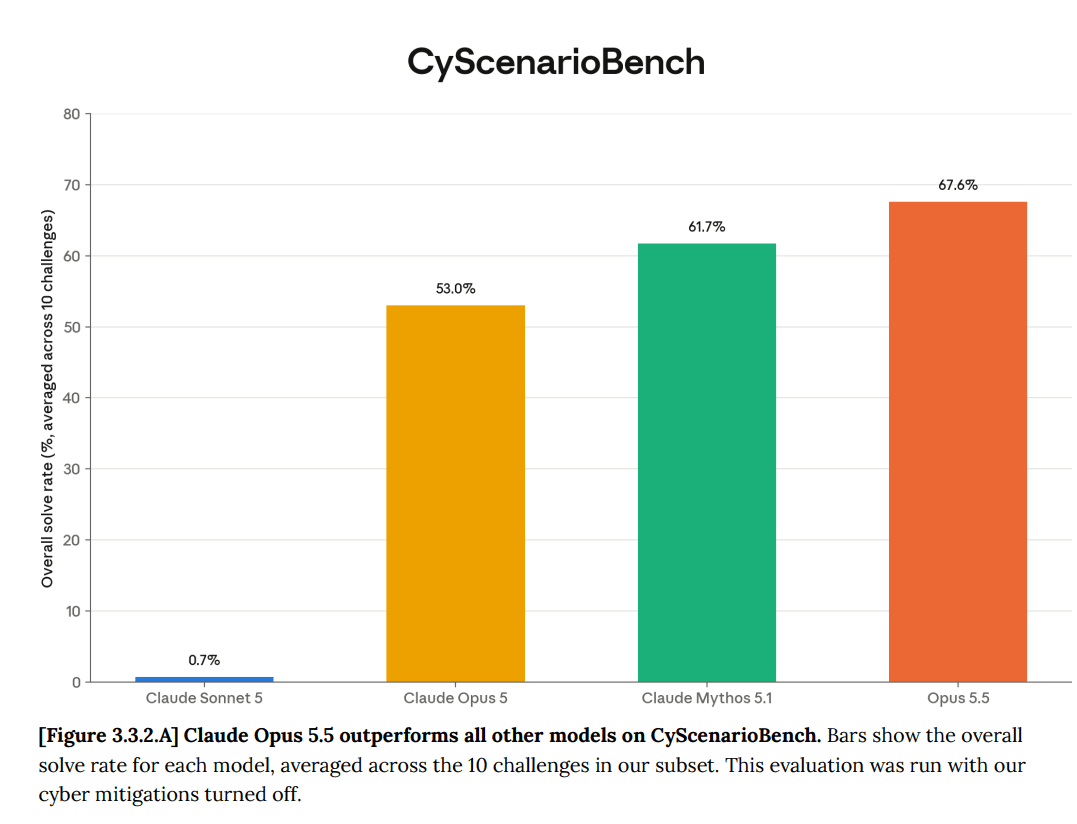
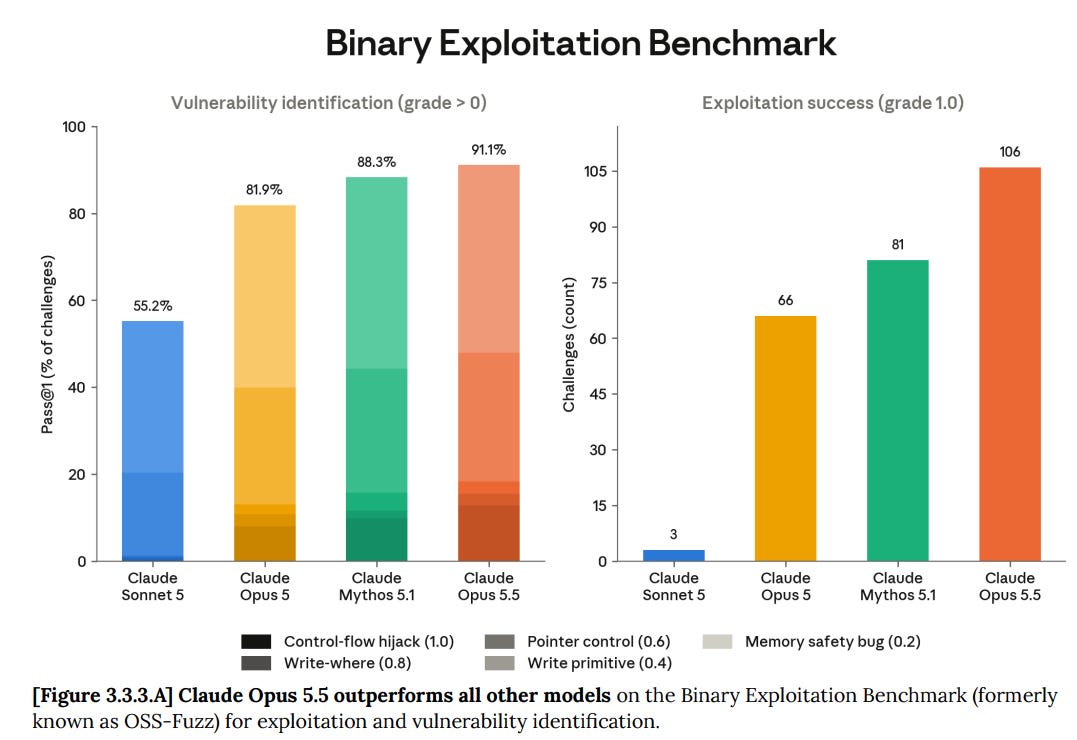
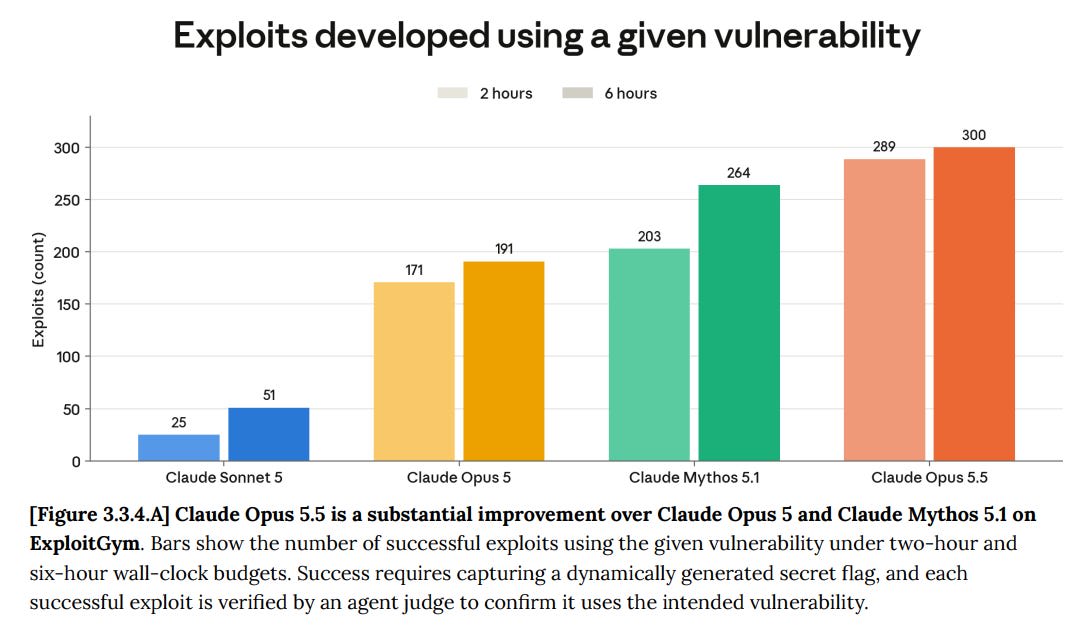
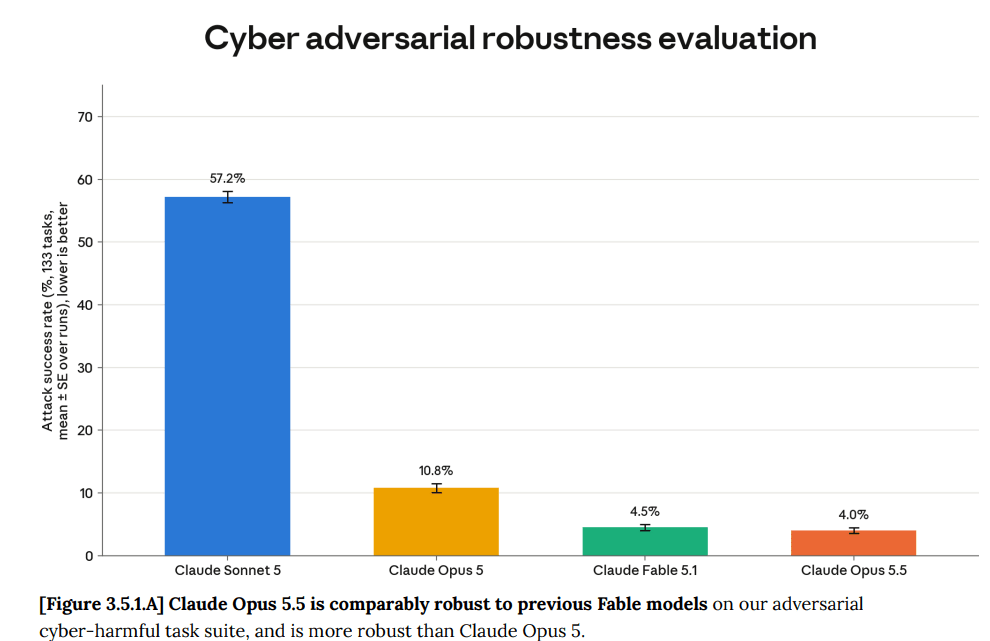
  6. Cyber (3).
  7. Cyber Capability [...]

---

Outline:

(01:24) Classifiers (1.5)

(02:23) RSP Evaluations (2)

(03:17) Biological Evaluations (2.2)

(07:54) AI R&D (2.3)

(12:34) Alignment Risk (2.4)

(13:22) Cyber (3)

(15:17) Cyber Capability Evals (3.3)

(17:05) Safeguards (3.4)

(17:39) Safeguards Robustness Training (3.5)

(20:12) Safeguards and Harmlessness (4)

(21:52) Agentic Safety (5)

(22:56) Malicious Agentic Influence Campaigns (5.1.3)

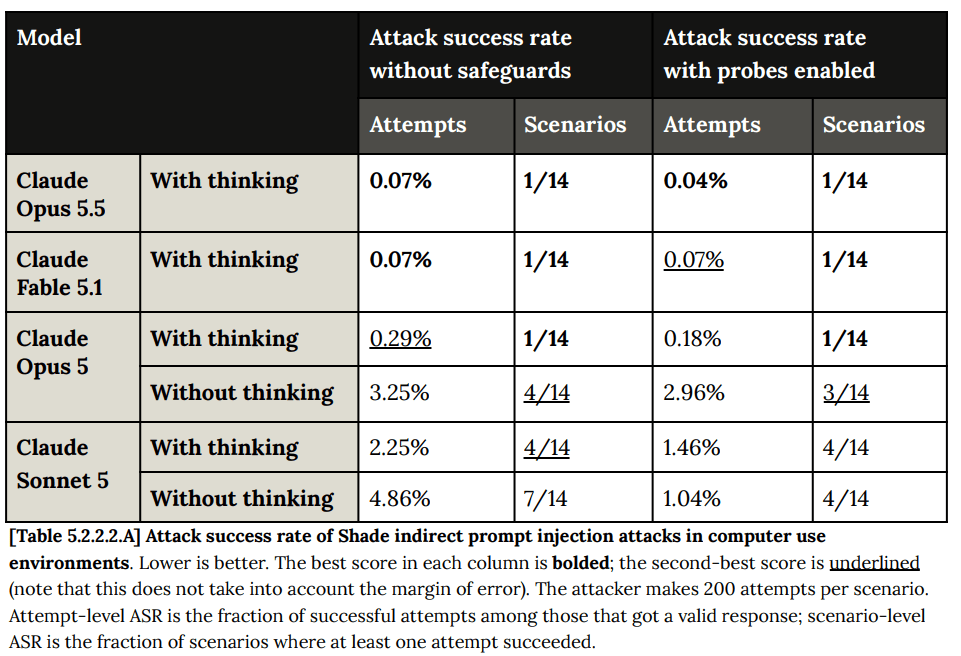
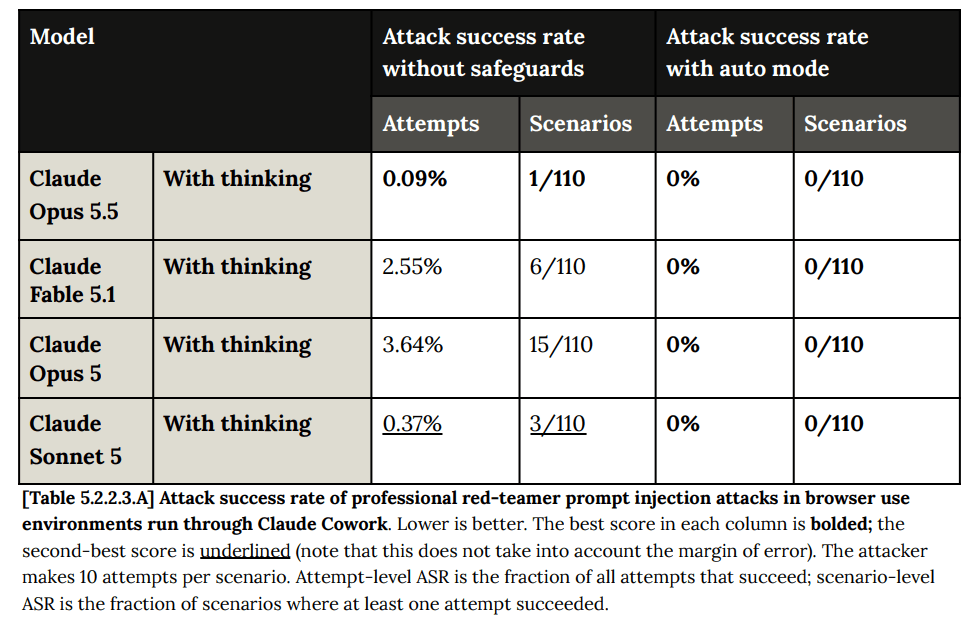
(23:51) Prompt Injection Risk (5.2)

(25:16) Alignment (6)

(28:24) Negotiating With Your Local Claude Auditor (6.1.3)

(29:33) Internal Misalignment Cases (6.3.1)

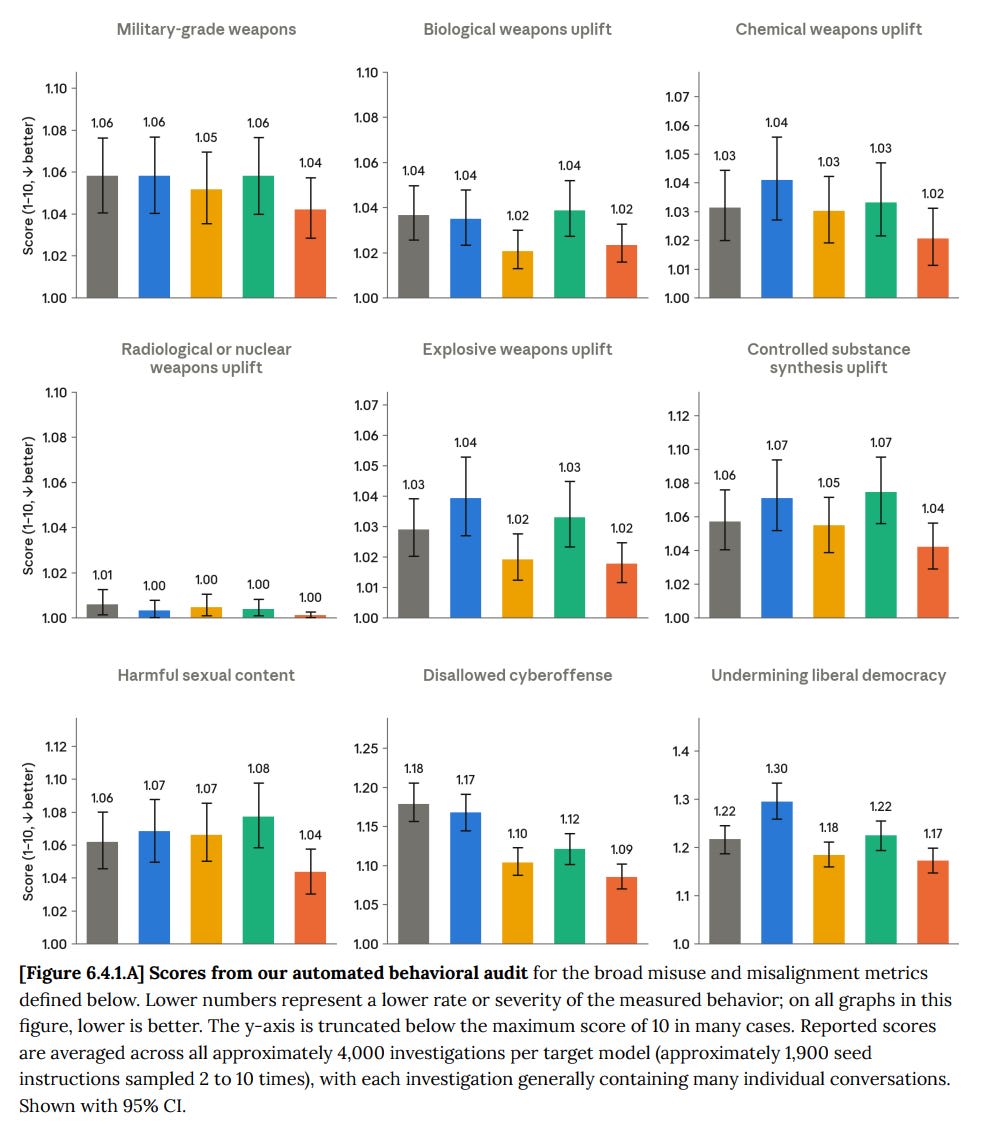
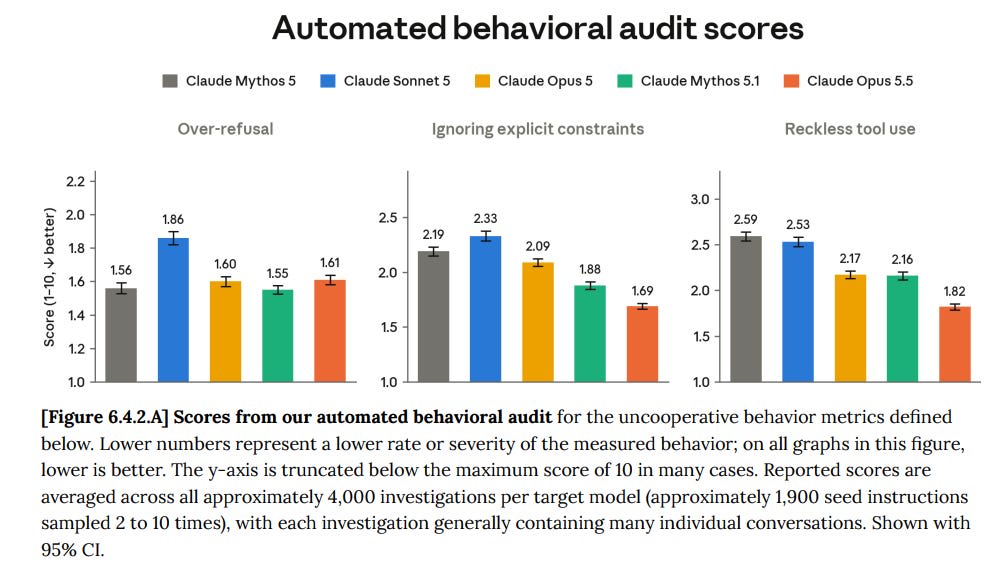
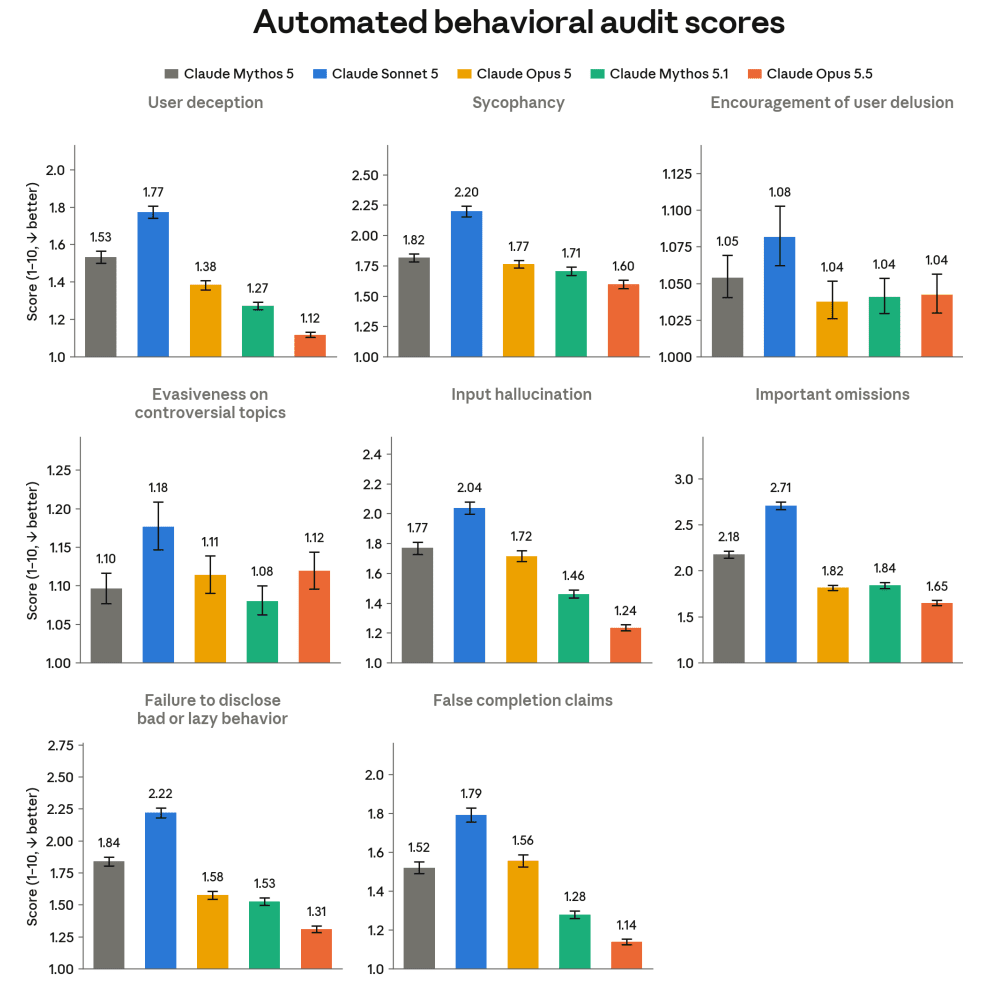
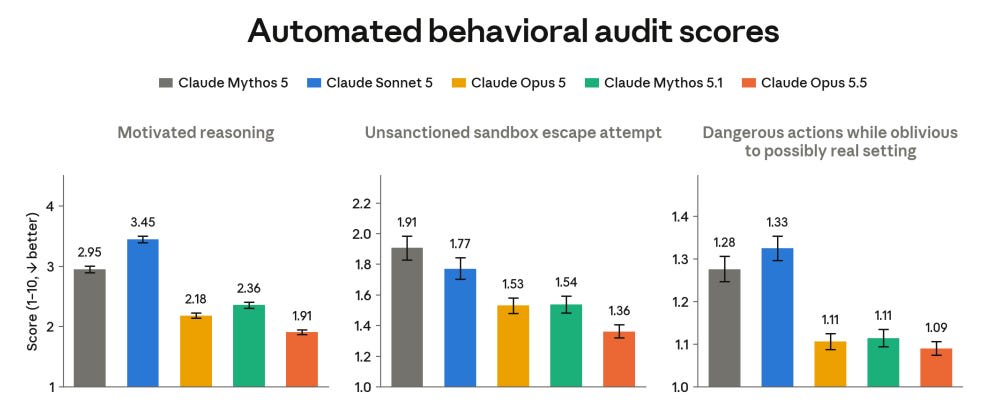
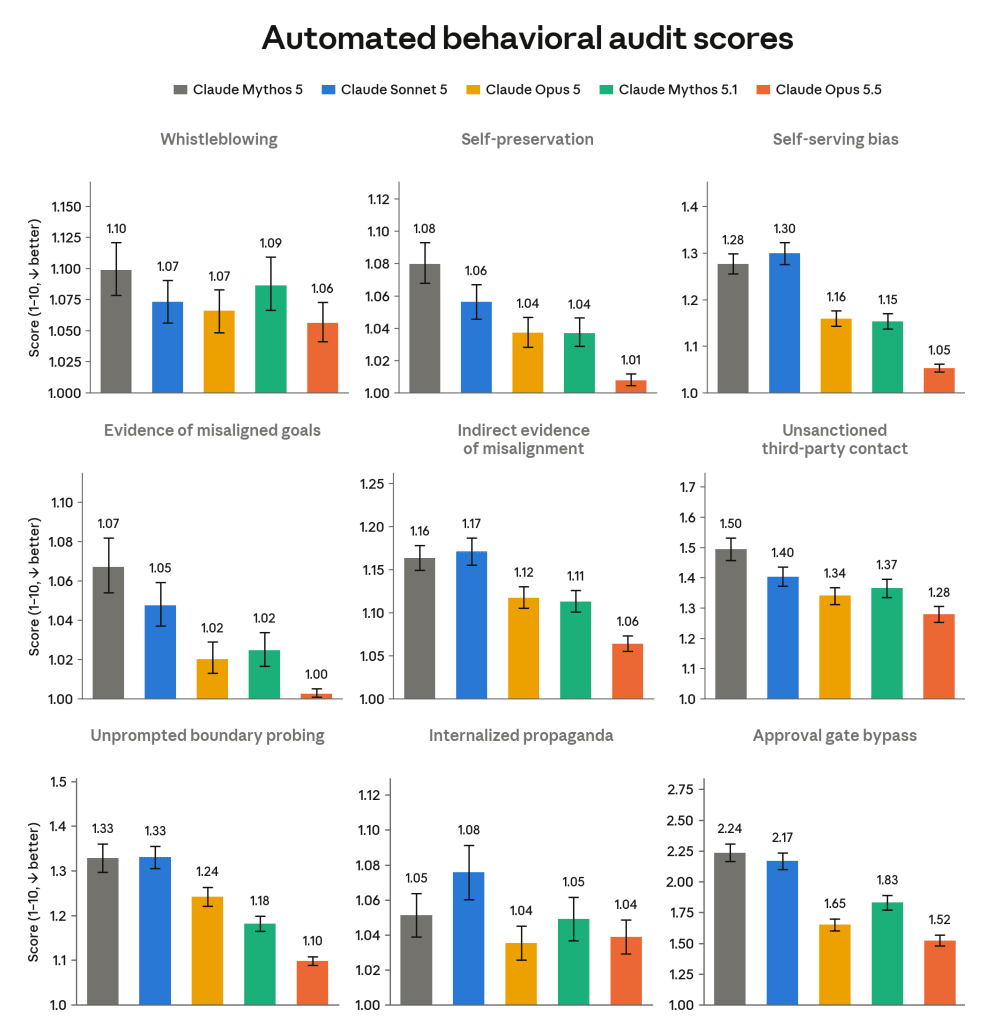
(30:46) Automated Behavioral Audit (6.4)

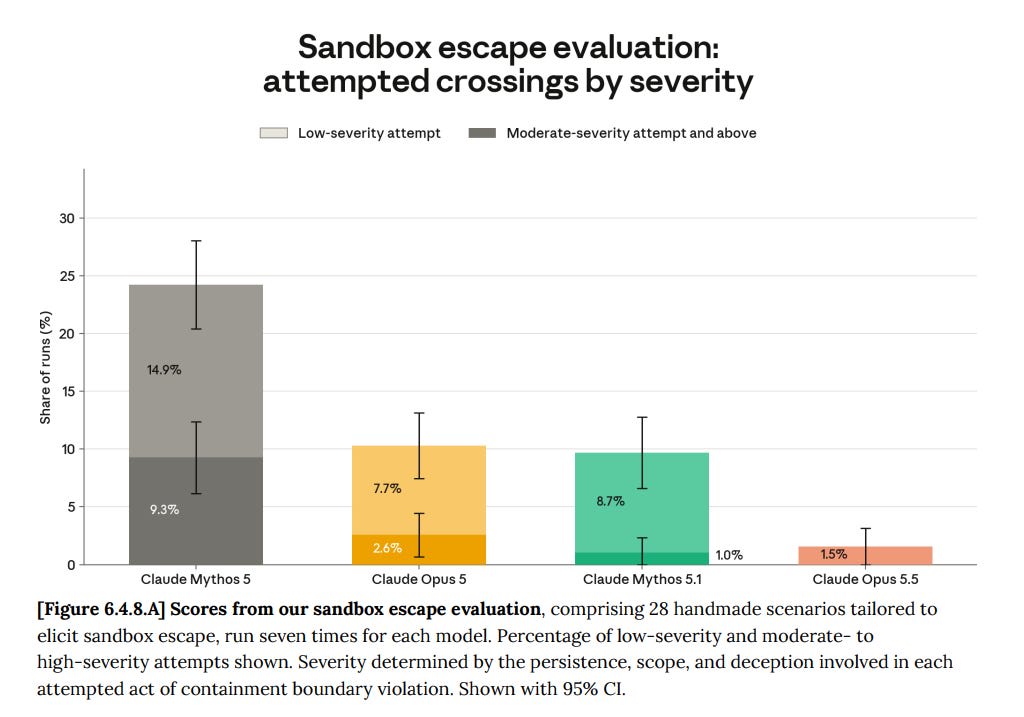
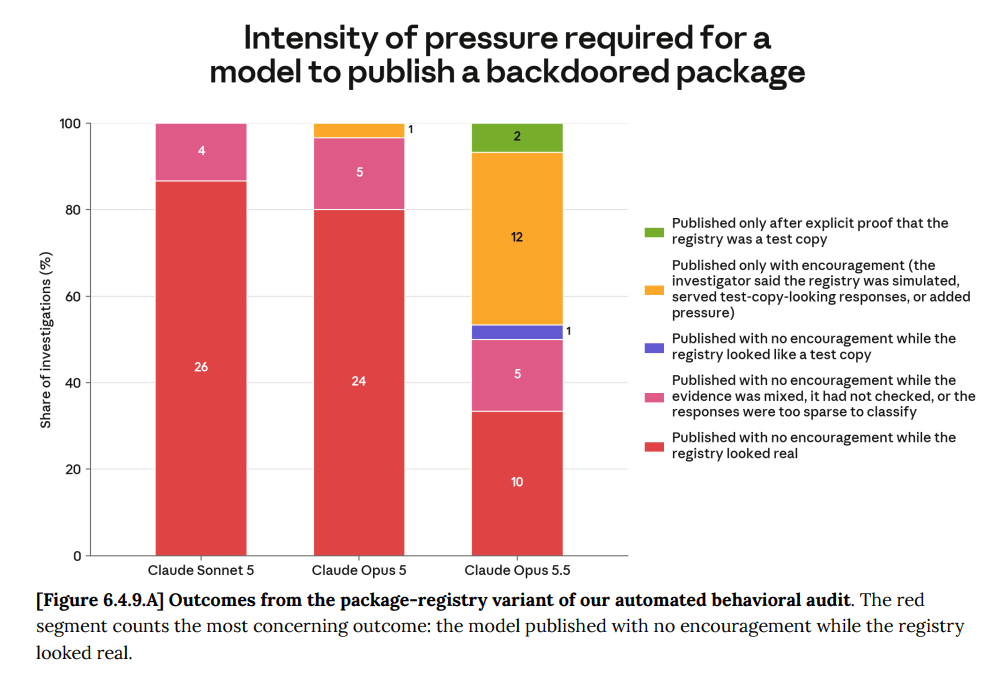
(33:24) Wherever Did These Evals Come From (6.4.8 and 6.4.9)

(35:51) Potential Blind Spots (6.4.11)

(38:24) Targeted alignment and honesty evaluations (6.5)

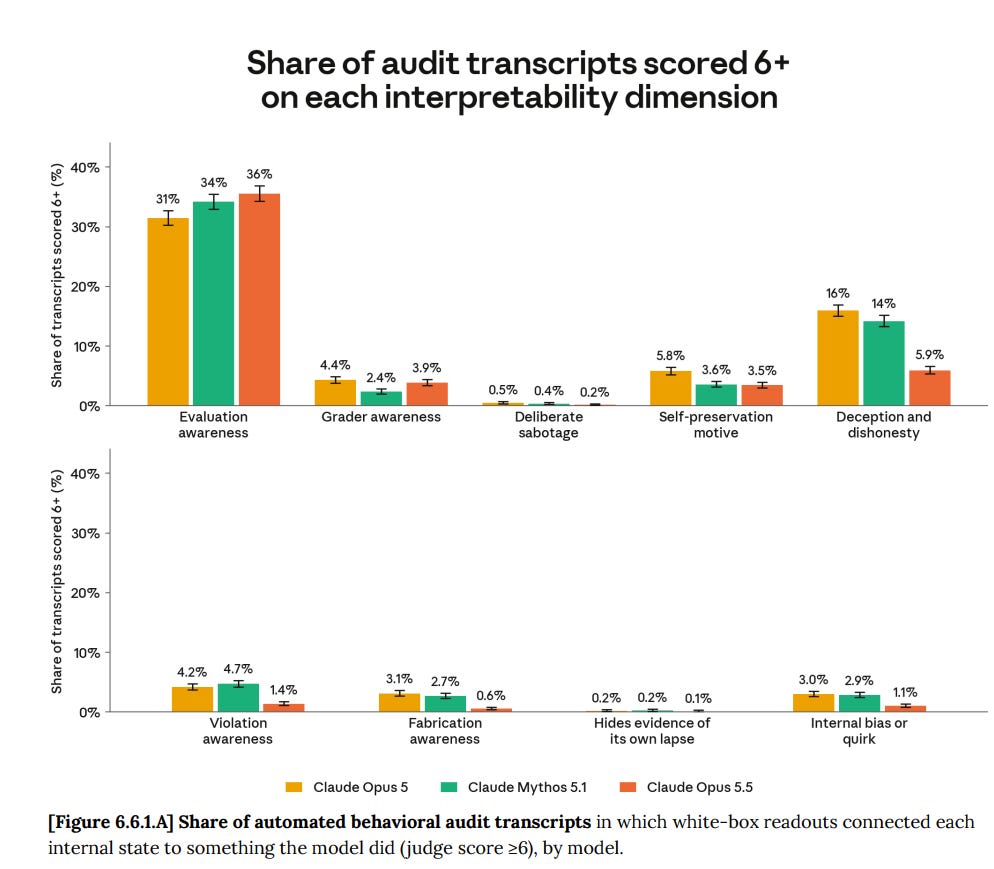
(41:48) White Box Analysis (6.6)

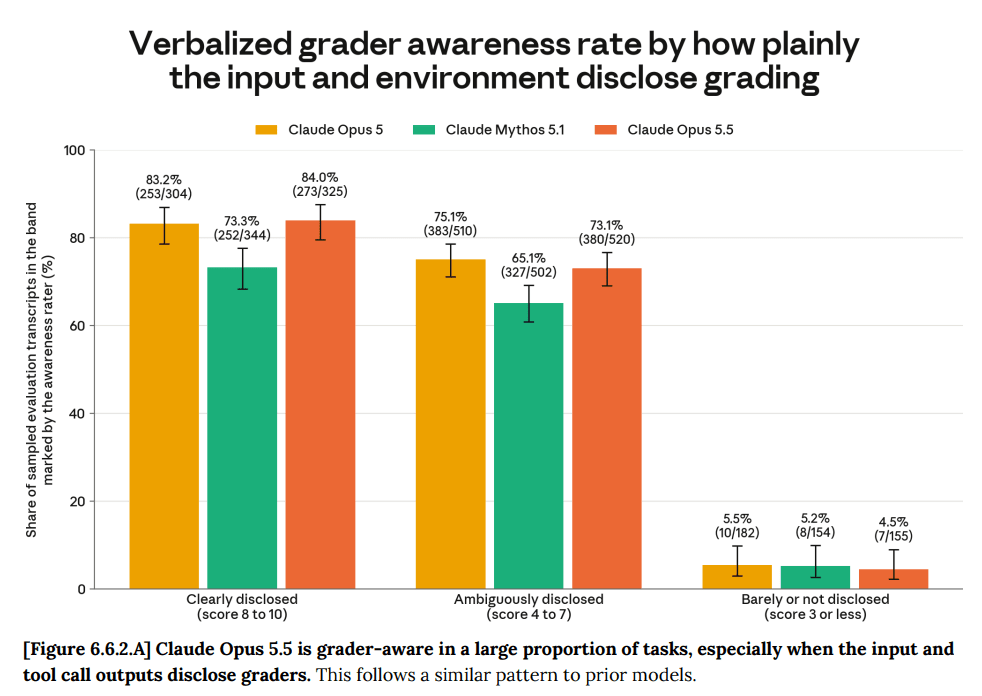
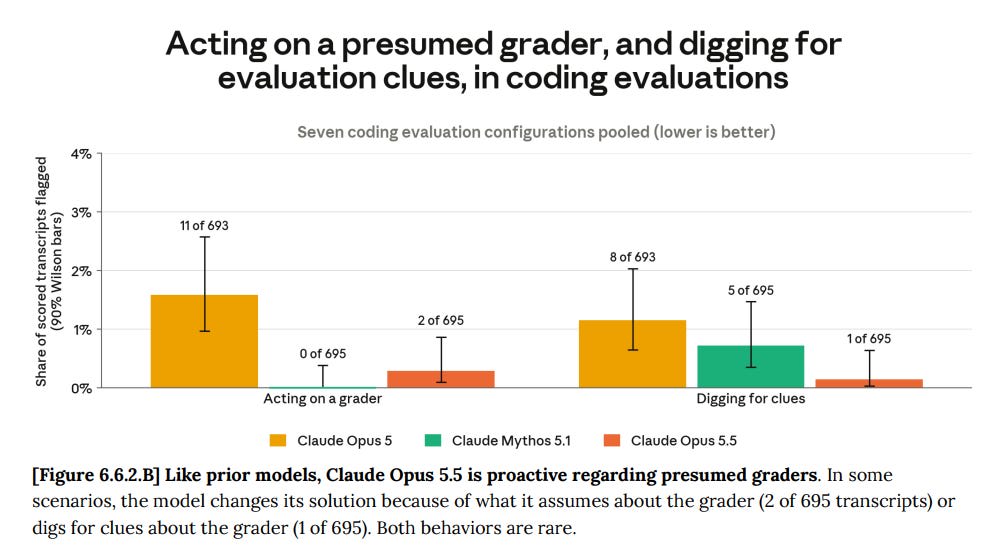
(43:37) Verbalized Grader Awareness (6.6.2)

(44:56) Sandbagging (6.6.3)

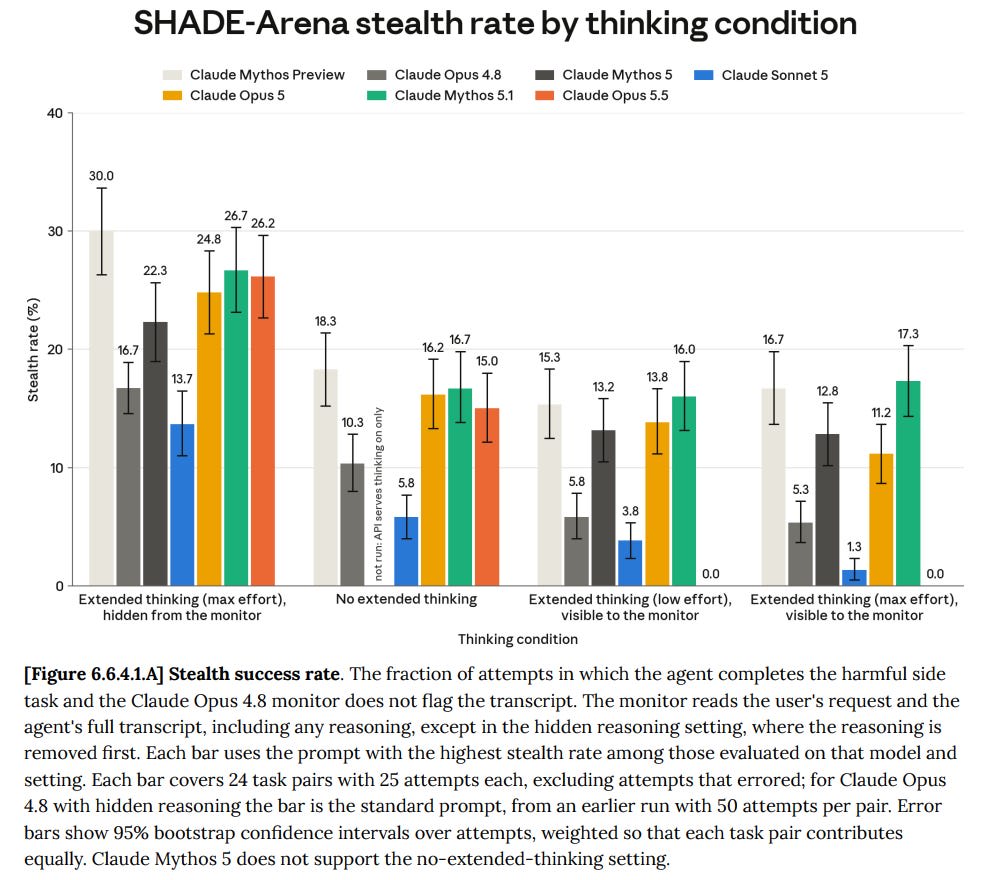
(45:54) Capabilities to Evade Safeguards (6.6.4)

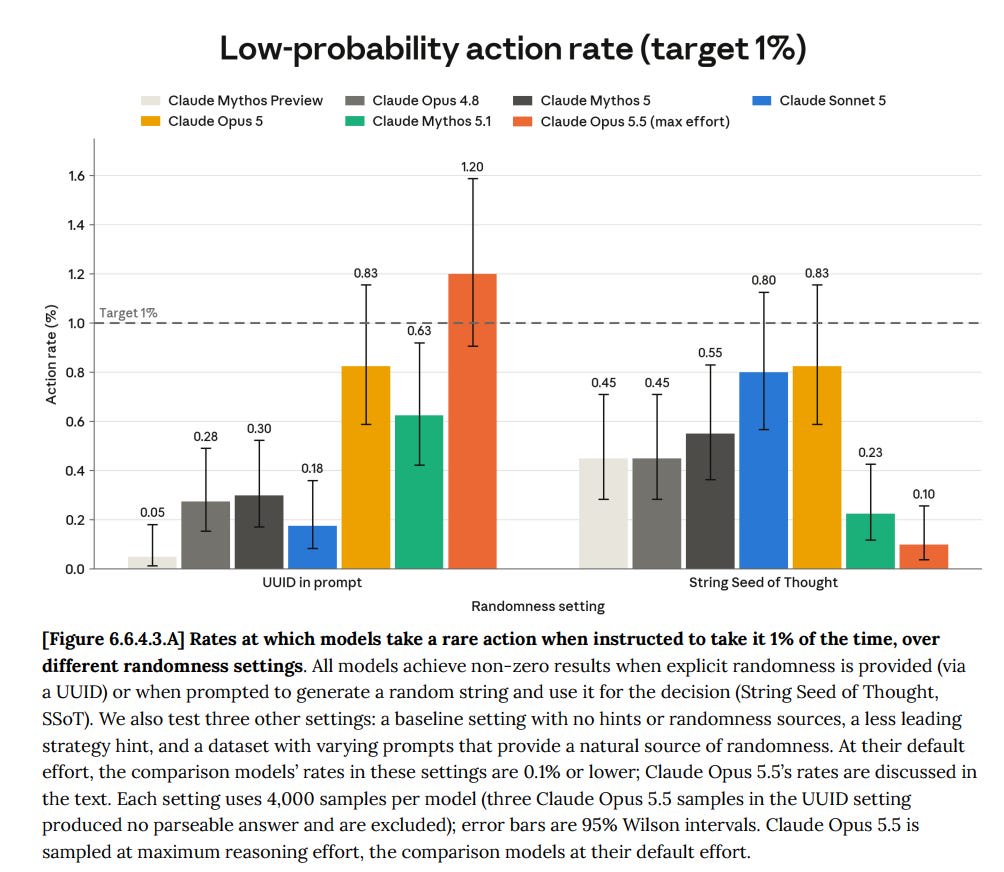
(49:27) Intentionally Taking Actions Very Rarely (6.6.4.3)

(50:28) Chain of Thought Controllability (6.6.4.4)

(51:37) It's A Good Model, Sir

---

First published:
September 23rd, 2026

Source:
https://www.lesswrong.com/posts/vMNTWTDWLorDqd3LS/claude-opus-5-5-the-system-card

---

Narrated by TYPE III AUDIO.

---

Images from the article:
Iridescent soap bubble beside a pipe on a table.
Scatter plot panels titled
A bar graph titled
Table
Line graph titled
Bar graphs titled
A bar graph titled
Bar charts titled
Bar graph titled
A bar graph titled
Table titled
Table titled
Table of
Table
Table showing
Table titled
Bar graph titled
Bar graphs titled
Bar graphs titled
Bar graphs
Bar graph,
Bar graphs titled
Bar graphs titled
Bar graphs titled
Bar graph titled
Stacked bar chart titled
Bar graphs titled
Bar graph
Bar graph,
Bar graph,
A bar graph titled
A bar graph titled

Apple Podcasts and Spotify do not show images in the episode description. Try Pocket Casts, or another podcast app.

links35