Skip to content
Artwork for LessWrong (30+ Karma)
LessWrong (30+ Karma) · October 11 · 24 min

“Not Deciphering The Voynich Manuscriptraft” by rba

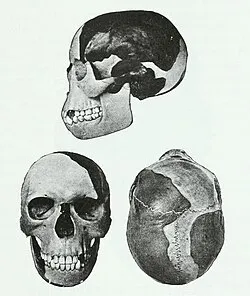
The Piltdown man was the most successful artifactual hoax of all time. The relevant skull was a chimeric melange of orangutan and human bone fragments from several individuals “discovered” in England in 1912, and meant to represent a transitional form between apes and humans. Given the intense interest in evolutionary biology, it took almost fifty years to discover the Piltdown fabrication. The study of human evolution was derailed. Adding insult to injury, a further sixty years was required to conclusively demonstrate the identity of the culpable fraudster. If you must look up the identity of this scientific blasphemer, go ahead, but we won’t give his name space here. Fig 1. The different parts of the Piltdown Man skull Students of fraud and fabrication always combat headwinds. In the winter. Uphill both ways. The evidentiary standards for such claims of fabrication grow higher yet given the passage of centuries and an unknown creator of the subject of interest. And so we arrive at the Voynich manuscript. It's a book some 240 pages long, proved by carbon dating techniques to have originated sometime in the 15th century, in the style of the late Italian middle ages. No known author or point of [...] --- Outline: (02:14) Background (05:41) Statistical Analysis (07:01) Conditional Entropy (10:41) Zipf's Law (12:18) Local Dependence (16:26) GRU (21:04) Discussion (24:06) Coda --- First published: October 11th, 2026 Source: https://www.lesswrong.com/posts/Adxnsud5siZTRAaT3/not-deciphering-the-voynich-manuscriptraft --- Narrated by TYPE III AUDIO. --- Images from the article: Apple Podcasts and Spotify do not show images in the episode description. Try Pocket Casts, or another podcast app.
0:00-24:56

transcript

No transcript — this publisher did not publish one.

show notes

The Piltdown man was the most successful artifactual hoax of all time. The relevant skull was a chimeric melange of orangutan and human bone fragments from several individuals “discovered” in England in 1912, and meant to represent a transitional form between apes and humans. Given the intense interest in evolutionary biology, it took almost fifty years to discover the Piltdown fabrication. The study of human evolution was derailed. Adding insult to injury, a further sixty years was required to conclusively demonstrate the identity of the culpable fraudster. If you must look up the identity of this scientific blasphemer, go ahead, but we won’t give his name space here.

Fig 1. The different parts of the Piltdown Man skull

Students of fraud and fabrication always combat headwinds. In the winter. Uphill both ways.

The evidentiary standards for such claims of fabrication grow higher yet given the passage of centuries and an unknown creator of the subject of interest. And so we arrive at the Voynich manuscript.

It's a book some 240 pages long, proved by carbon dating techniques to have originated sometime in the 15th century, in the style of the late Italian middle ages. No known author or point of [...]

---

Outline:

(02:14) Background

(05:41) Statistical Analysis

(07:01) Conditional Entropy

(10:41) Zipf's Law

(12:18) Local Dependence

(16:26) GRU

(21:04) Discussion

(24:06) Coda

---

First published:
October 11th, 2026

Source:
https://www.lesswrong.com/posts/Adxnsud5siZTRAaT3/not-deciphering-the-voynich-manuscriptraft

---

Narrated by TYPE III AUDIO.

---

Images from the article:

Fig 1. The different parts of the Piltdown Man skull
Fig 2. A grouchy person.
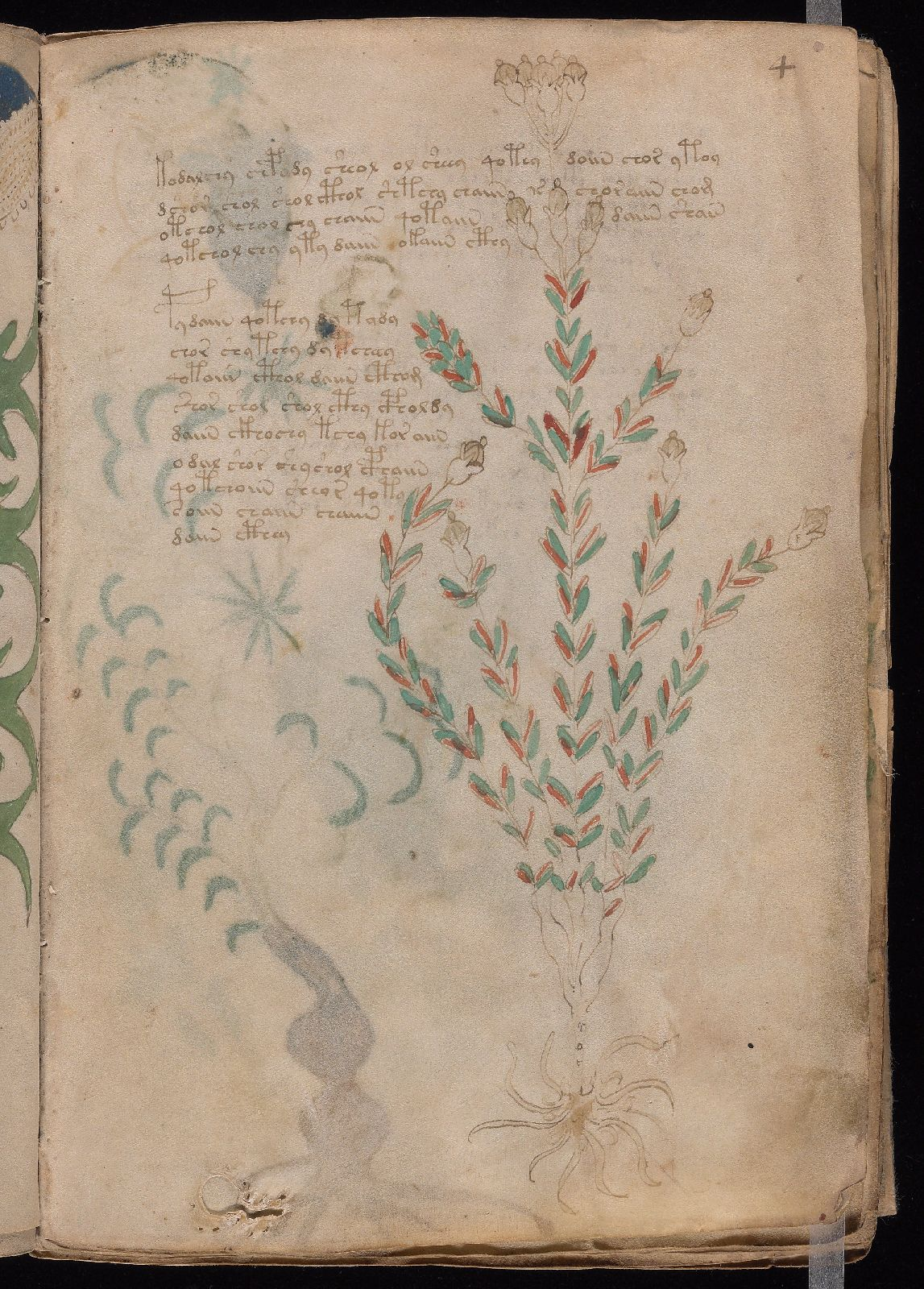
Fig 3. A made up plant in the herbal section
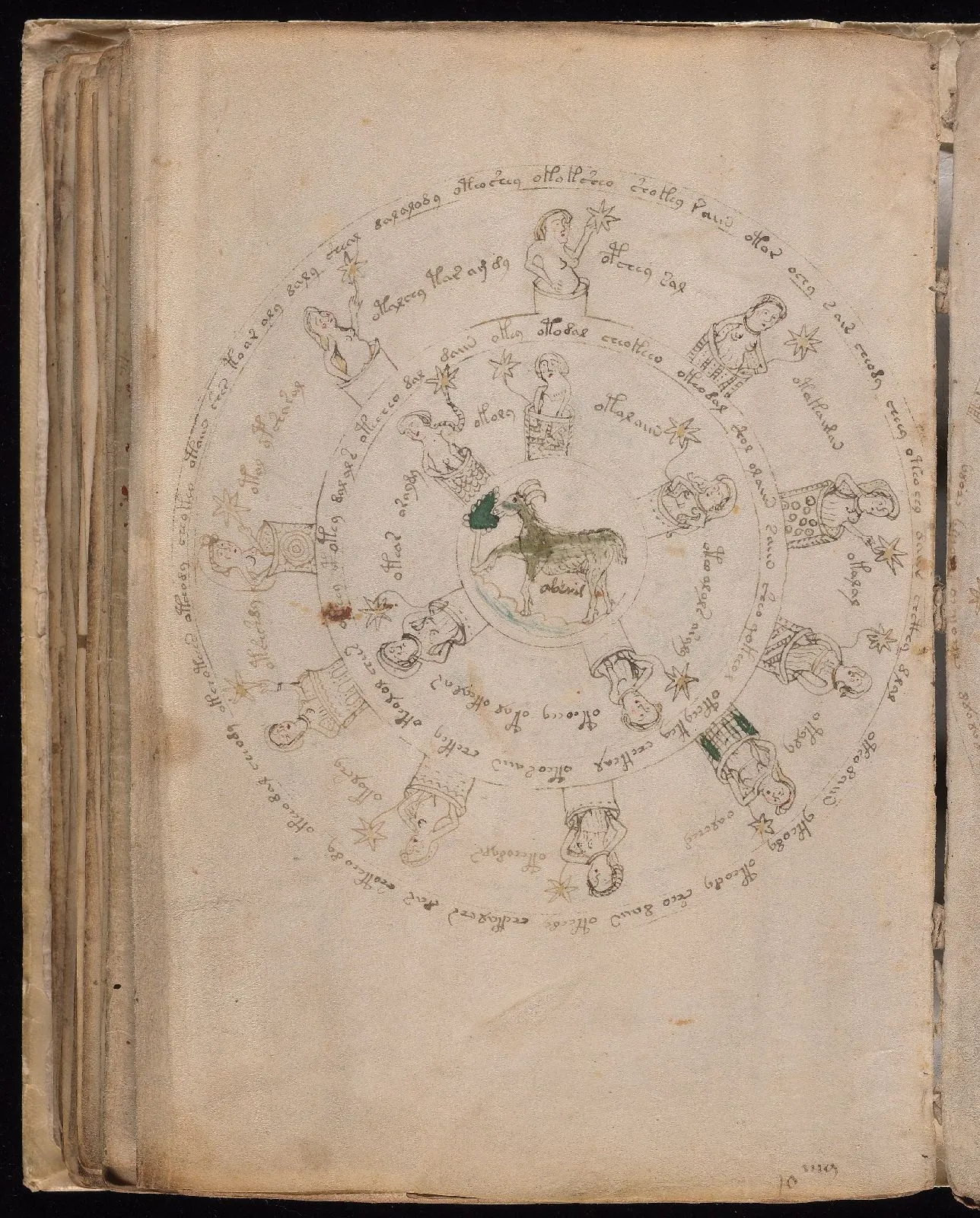
Fig 4. A “Zodiac” page of the Voynich manuscript.
Fig 5. Note the doodly-repetition.
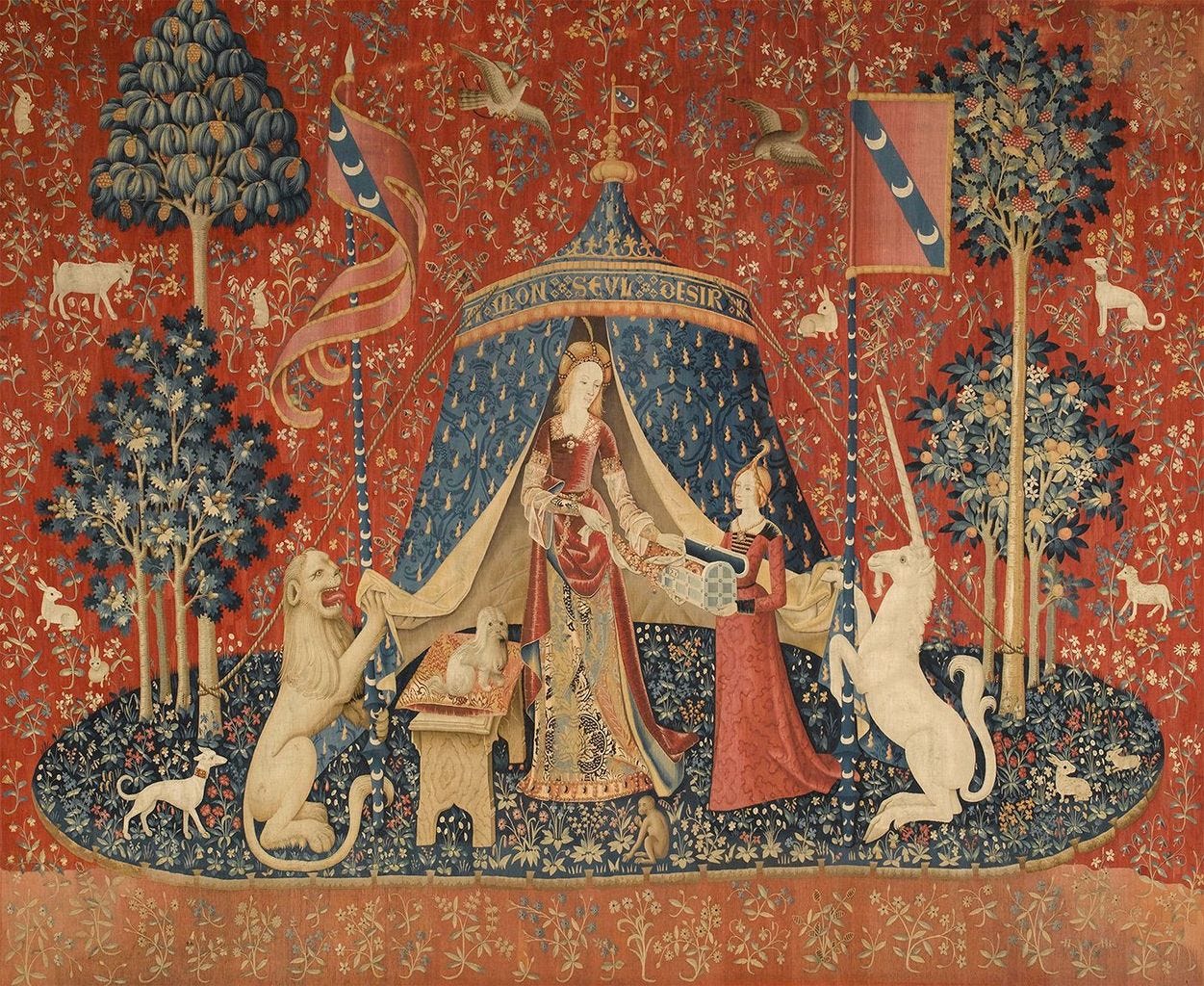
Fig 6. The Lady and the Unicorn tapestry.
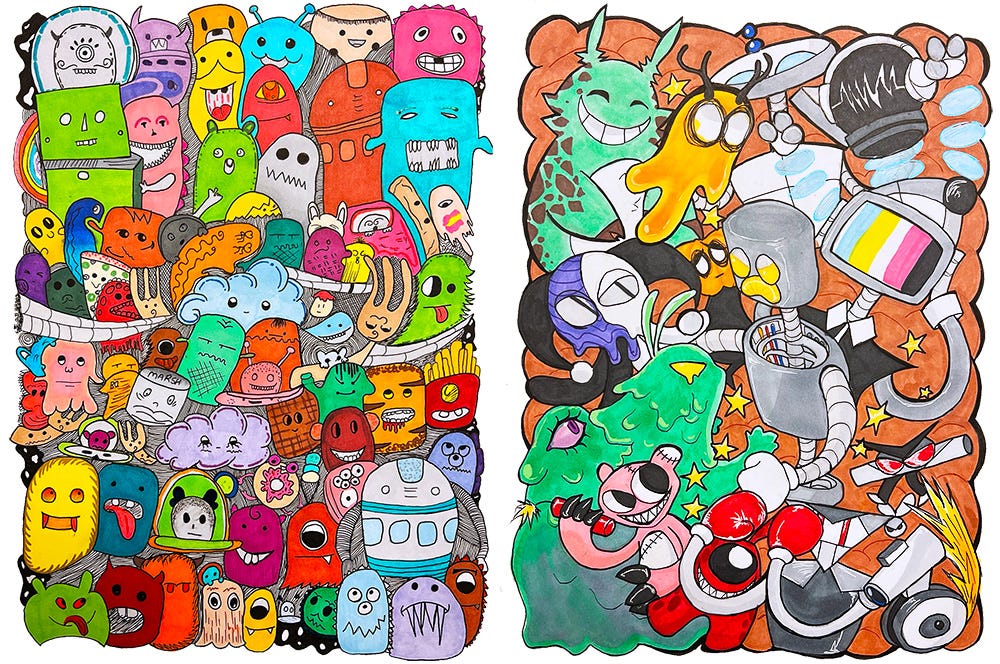
Fig 7. Doodling
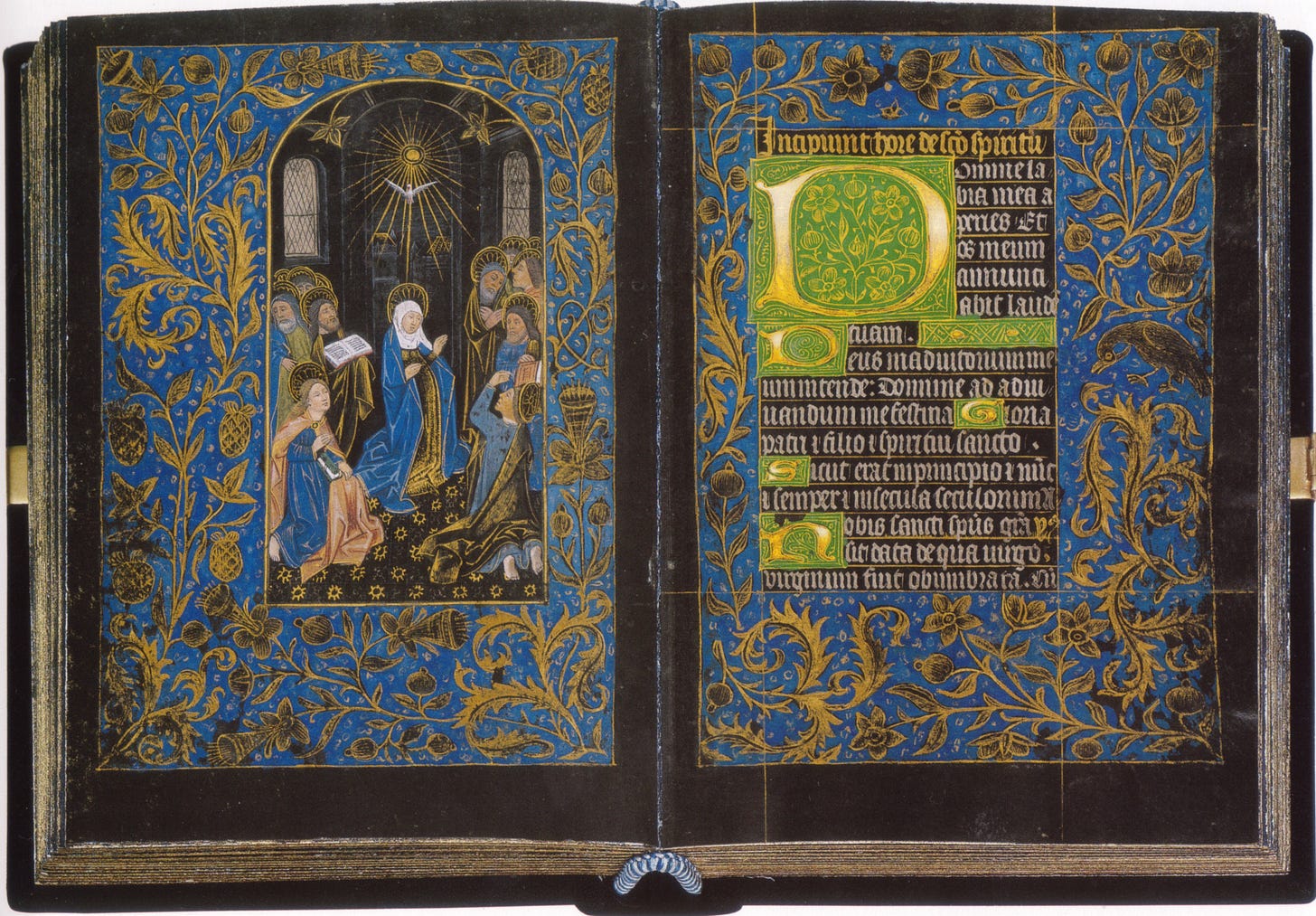
Fig 8. A 15th century illuminated manuscript with real words on it.
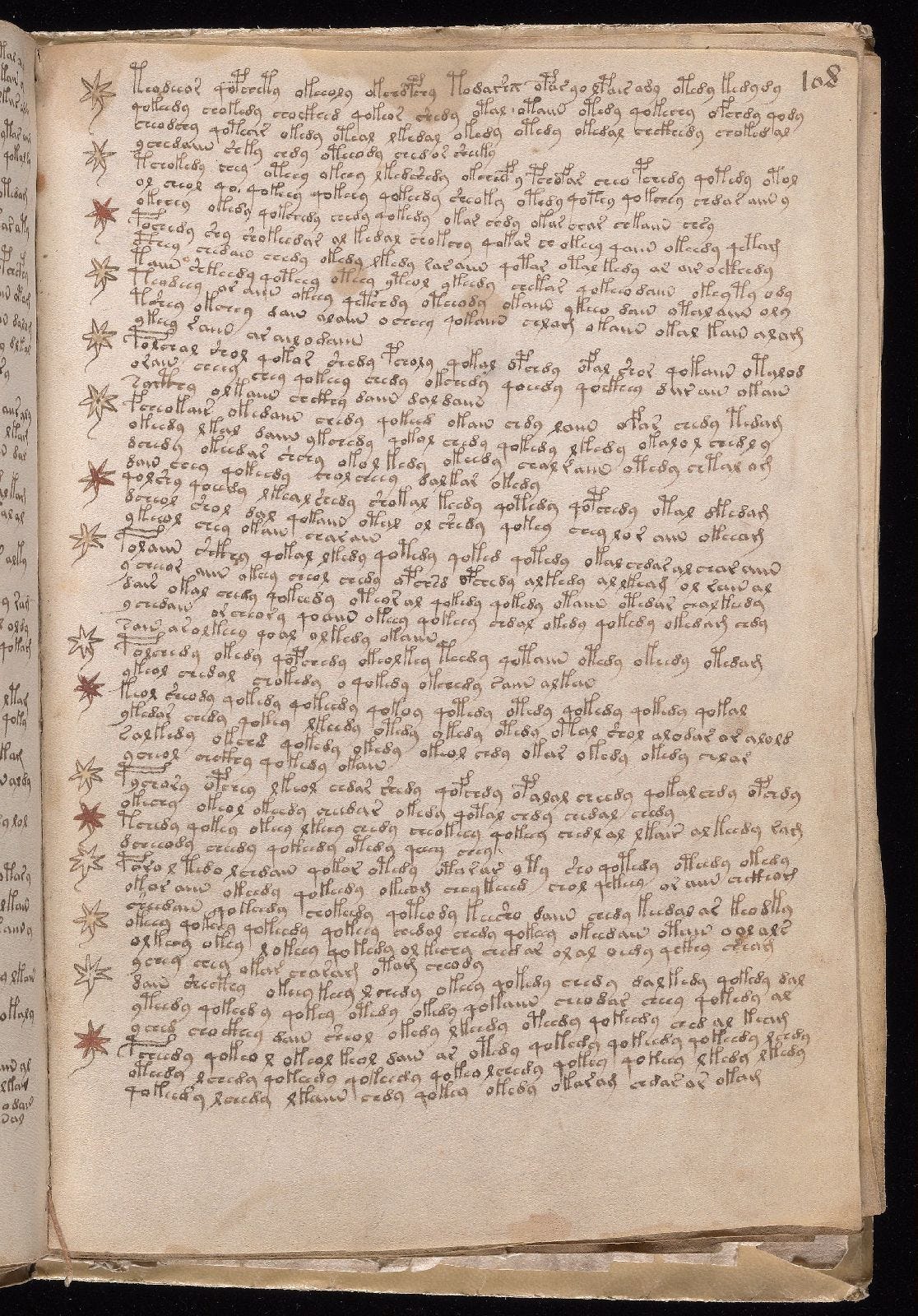
Fig 9. A full page of Voynich text.
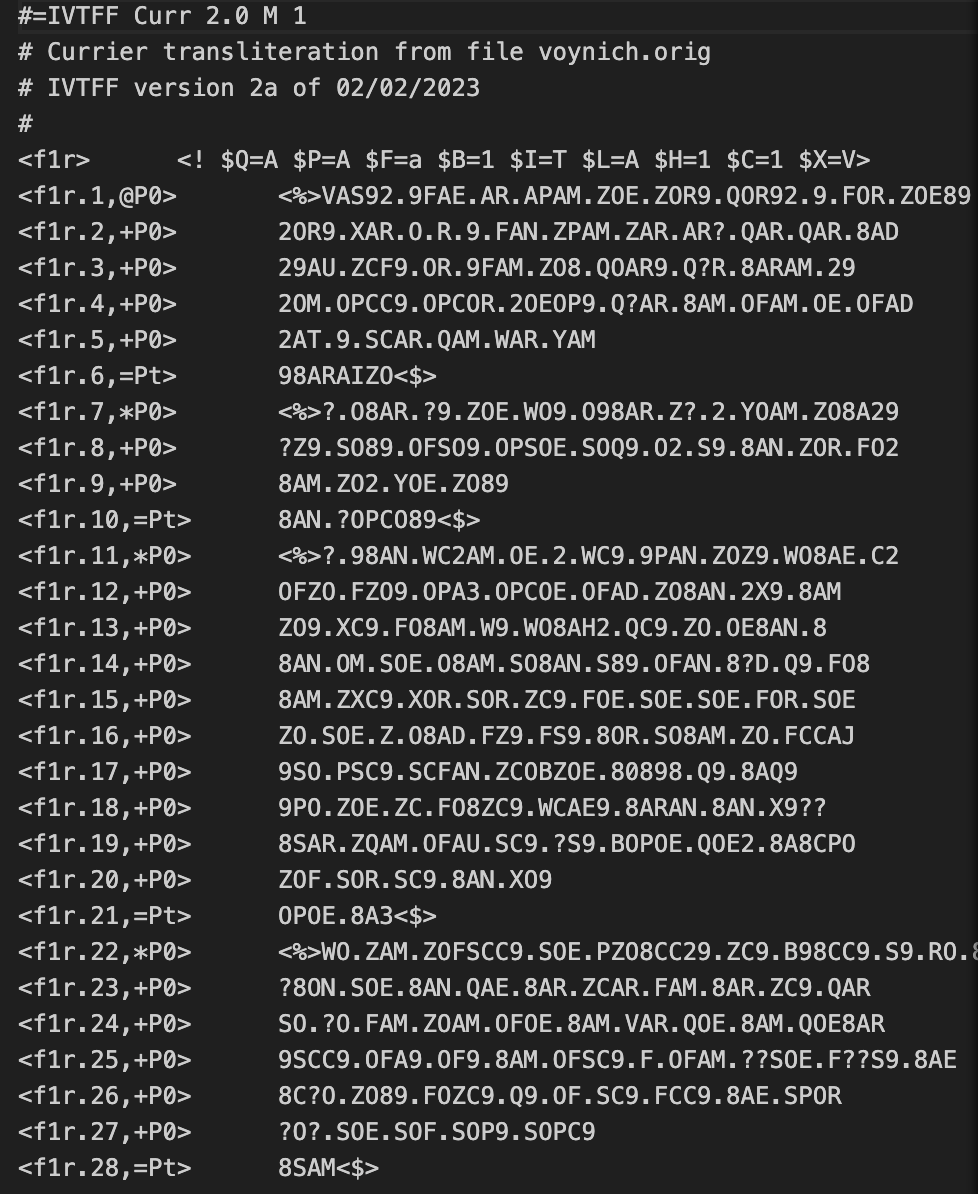
Fig 10. Captain Currier’s transcribed Voynich manuscript, on my computer.
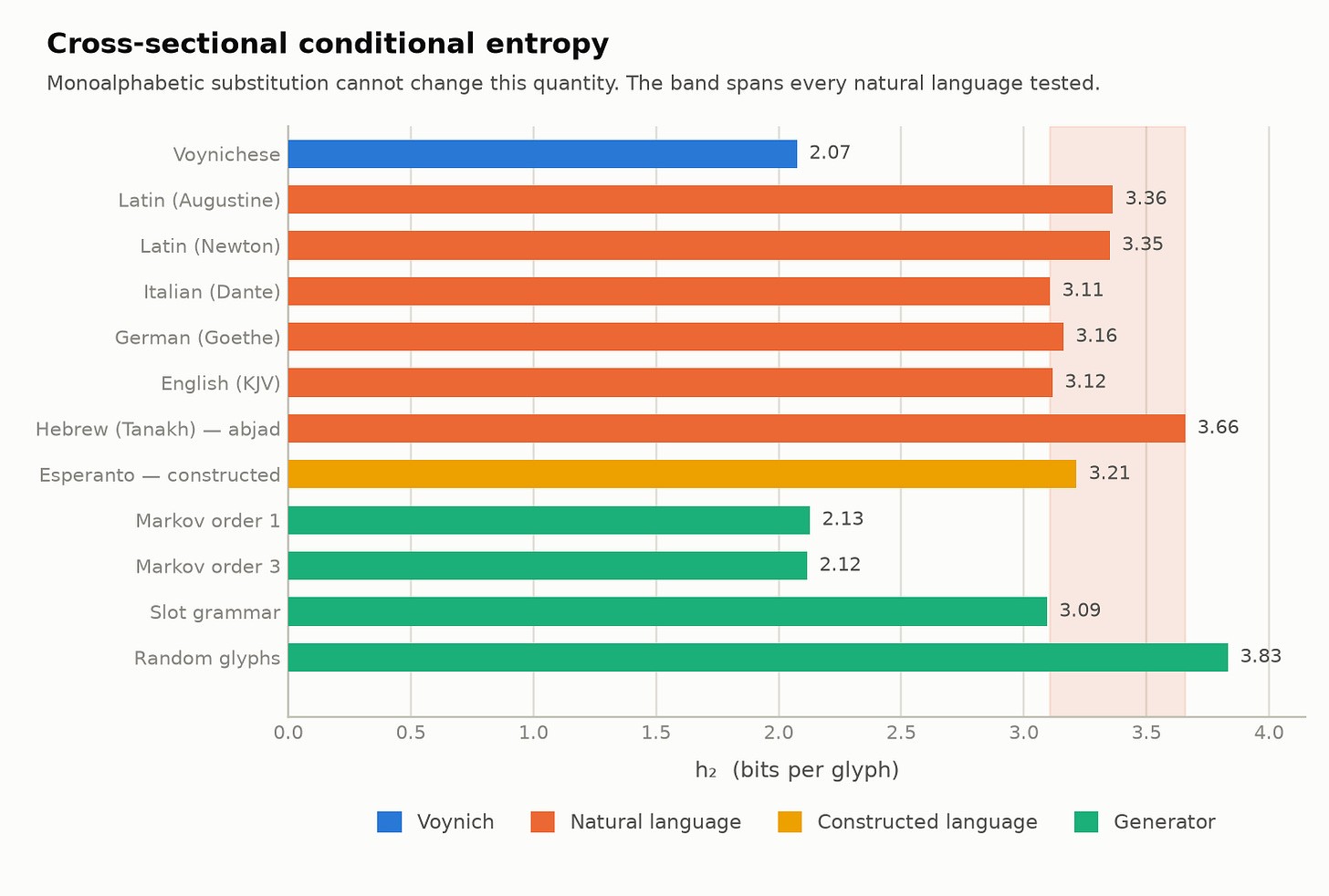
Fig 11. A highly constrained language, if it’s a language.
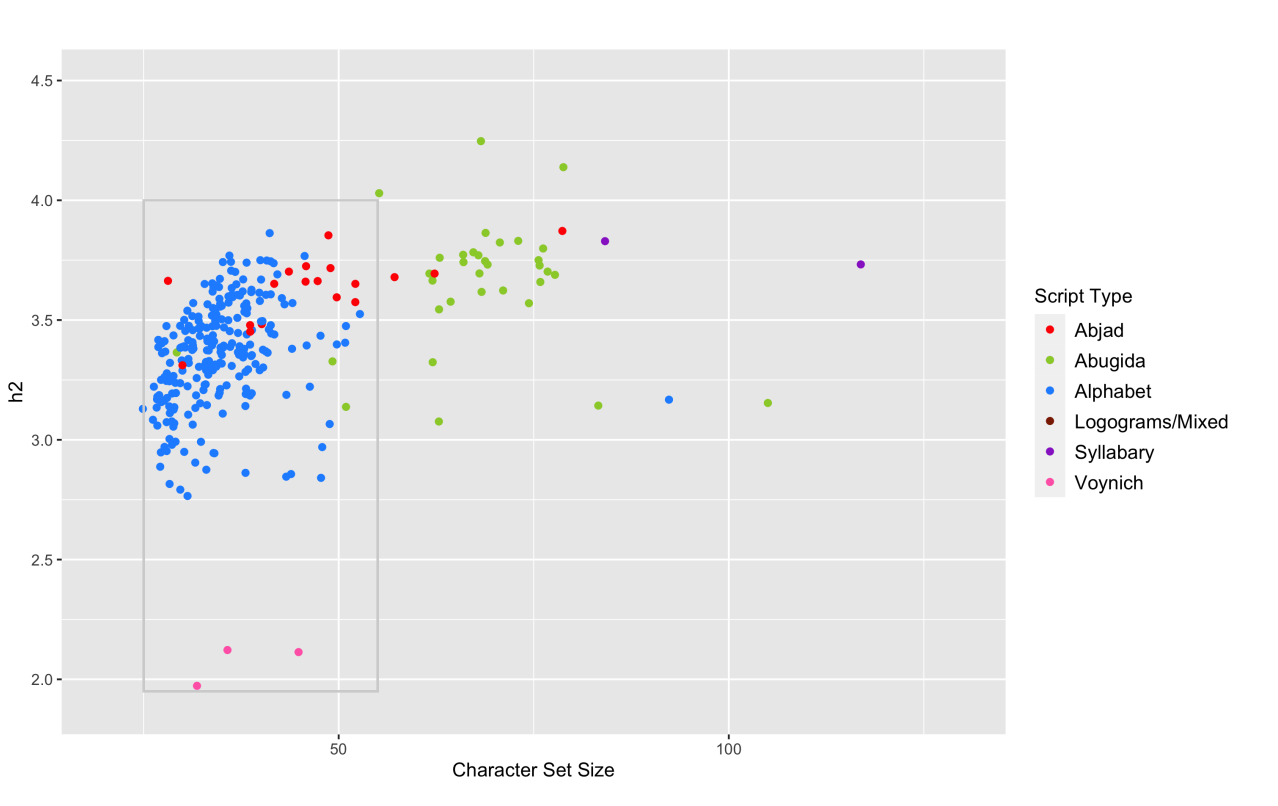
Fig 12. Lindemann and Bowern’s excellent conditional entropy calculations across a huge number of writing systems.
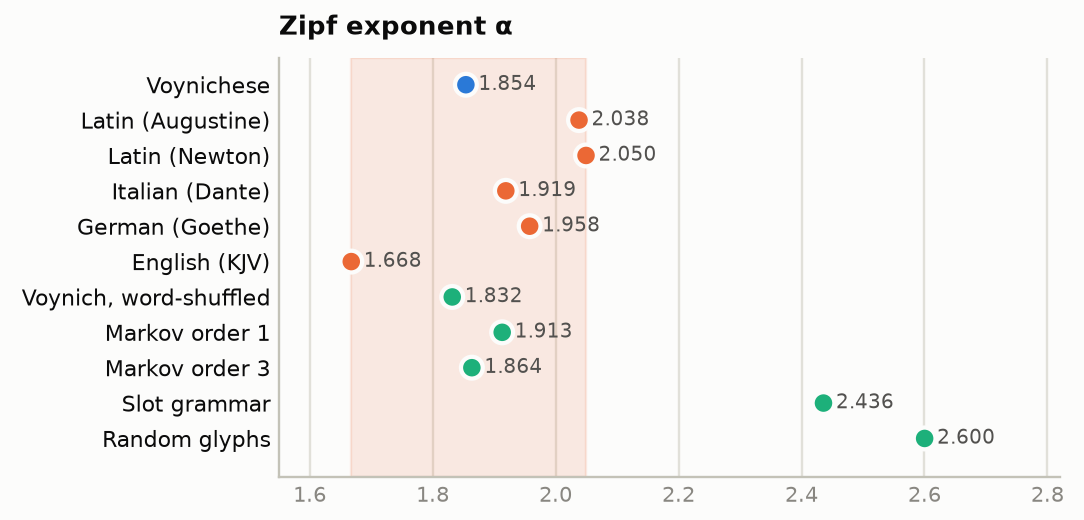
Fig 13. Voynich is Zipf-like.
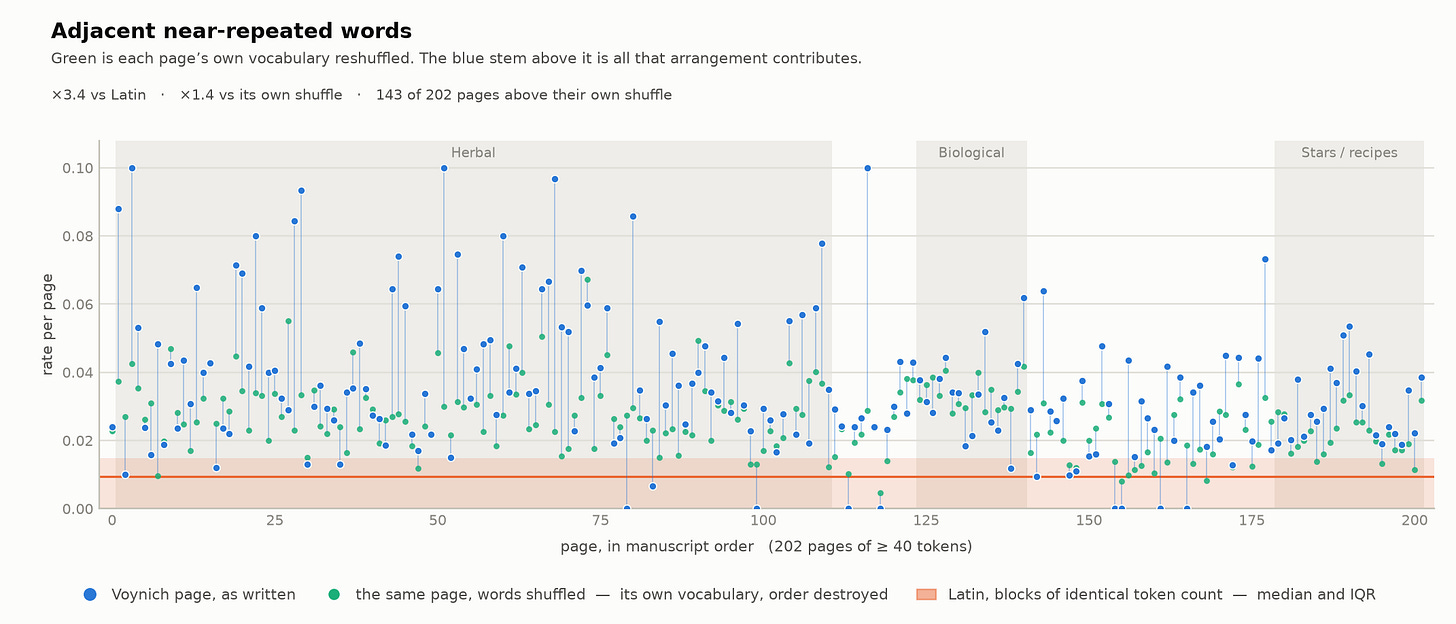
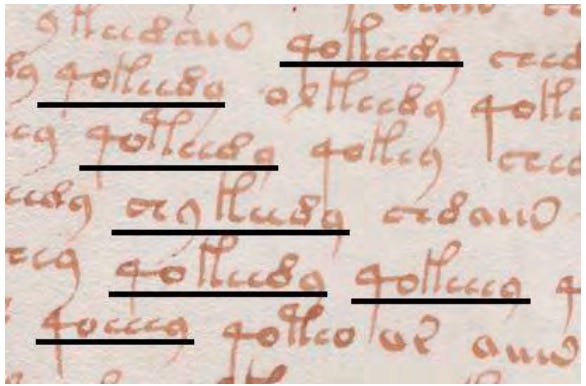
Fig 14. Adjacent word lookalikes by page in the Voynich manuscript.
Fig 15. Vertical similarity across adjacent Voynich lines, from Timm, 2016.
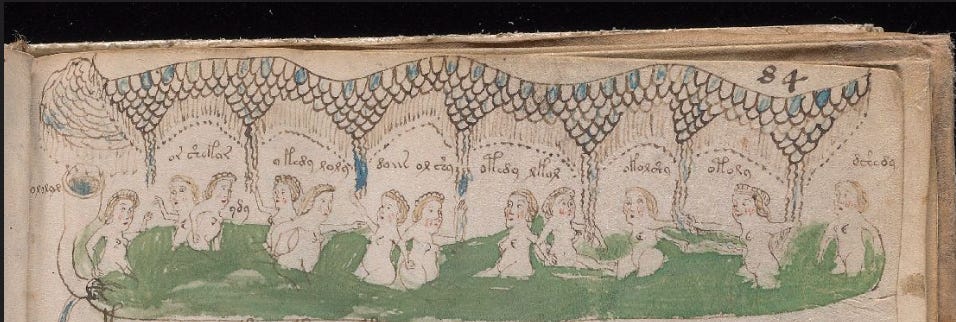
Fig 16. Single visual motif with dancing women, small changes.
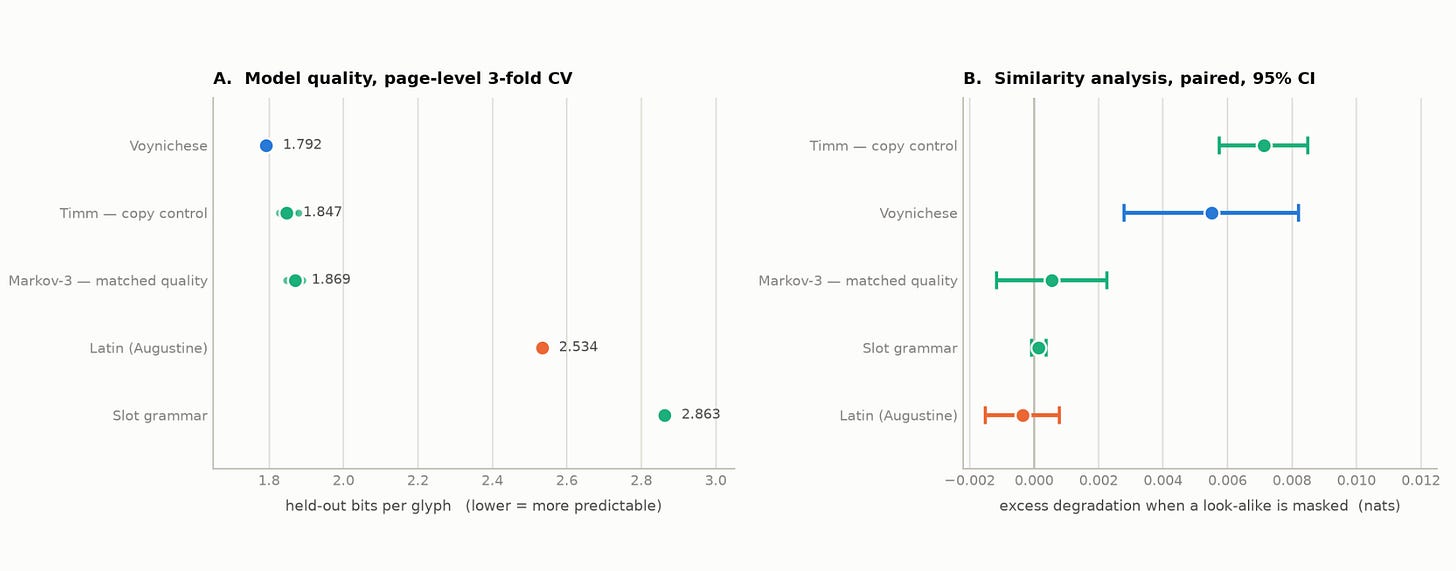
Fig 17. Predictive degradation in Voynichese.
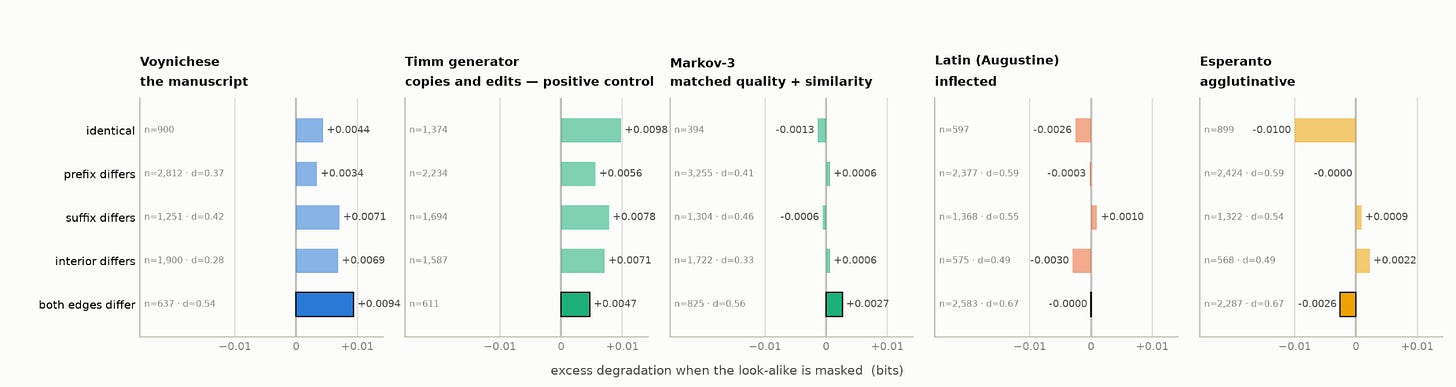
Fig 18. Voynich uses very unusual inflection patterns if it is inflected.

Apple Podcasts and Spotify do not show images in the episode description. Try Pocket Casts, or another podcast app.

links21