Skill-Based Learning - Daniel Hong
transcript
show notes
Skills are the currency of the future, not jobs. The challenge is that skills have a shelf life of 2 or 3 years, and the date by which your skills expire comes rather sooner than later.
How can organizations balance the need for rapid skill acquisition with ensuring deep expertise in critical areas?
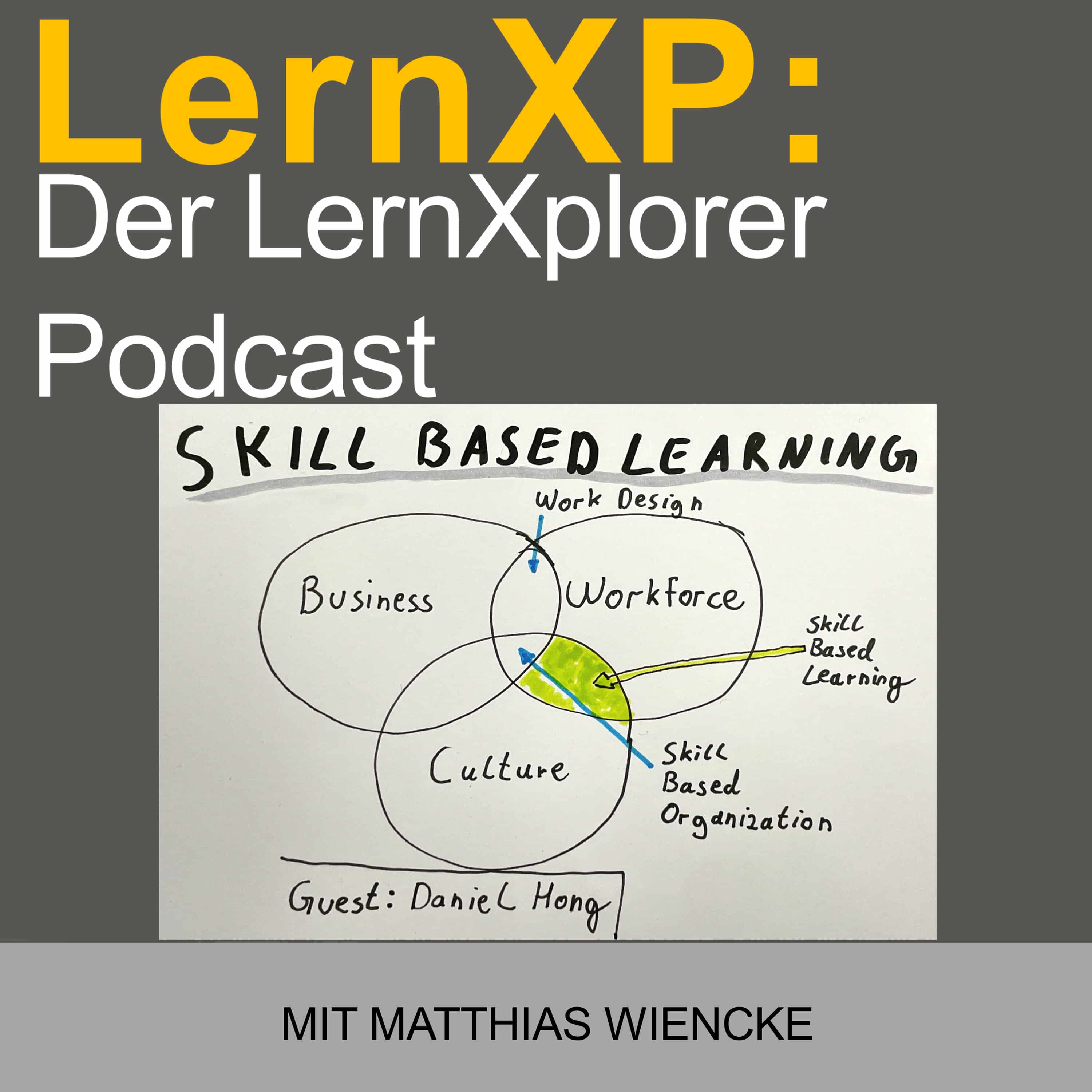
This episode of the Learning Explorer podcast delves into the concept of skill-based learning. With my guest Daniel Hong from Area9 we explore its significance in today’s dynamic work environment.
Defining Skill-Based Learning
Skill-based learning is not just a buzzword. It’s a strategic approach to education that emphasizes transparency, intentionality, and speed in acquiring new skills. Daniel explains that this approach involves breaking down competencies into granular skills that can be intentionally developed through targeted training programs.
The Role of Skills in Modern Organizations
The conversation highlights the distinction between skills and competencies. While competencies encompass knowledge, behaviors, attitudes, and skills, skill-based learning focuses on developing specific abilities within this broader framework. We discuss two primary approaches to skill development: Leveraging AI for data-driven insights and learning from industry legends to distill expertise.
To get a better idea of how this could look, we explore some compelling examples of skill-based learning in action. One example is a hospital’s comprehensive training program for assistant physicians. This program combines adaptive learning for knowledge acquisition with practical experience tracking to ensure high-quality medical care.
Conclusion
As organizations transition toward becoming skill-powered entities, leadership plays a crucial role in driving this change. By focusing on people-first solutions and integrating technology thoughtfully, companies can navigate the complexities of modern work environments effectively.
Learning is not an event; it’s a stream of experiences.
Links
- Book Recommendation: The Skills-Powered Organization: The Journey to the Next-Generation Enterprise by Ravin Jesuthasan and Tanuj Kapilashrami
- Related podcast episode: Adaptives Lernen durch künstliche Intelligenz
Der Beitrag LX059 Skill-Based Learning - Daniel Hong erschien zuerst auf LernXP: Der LernXplorer.