Skip to content
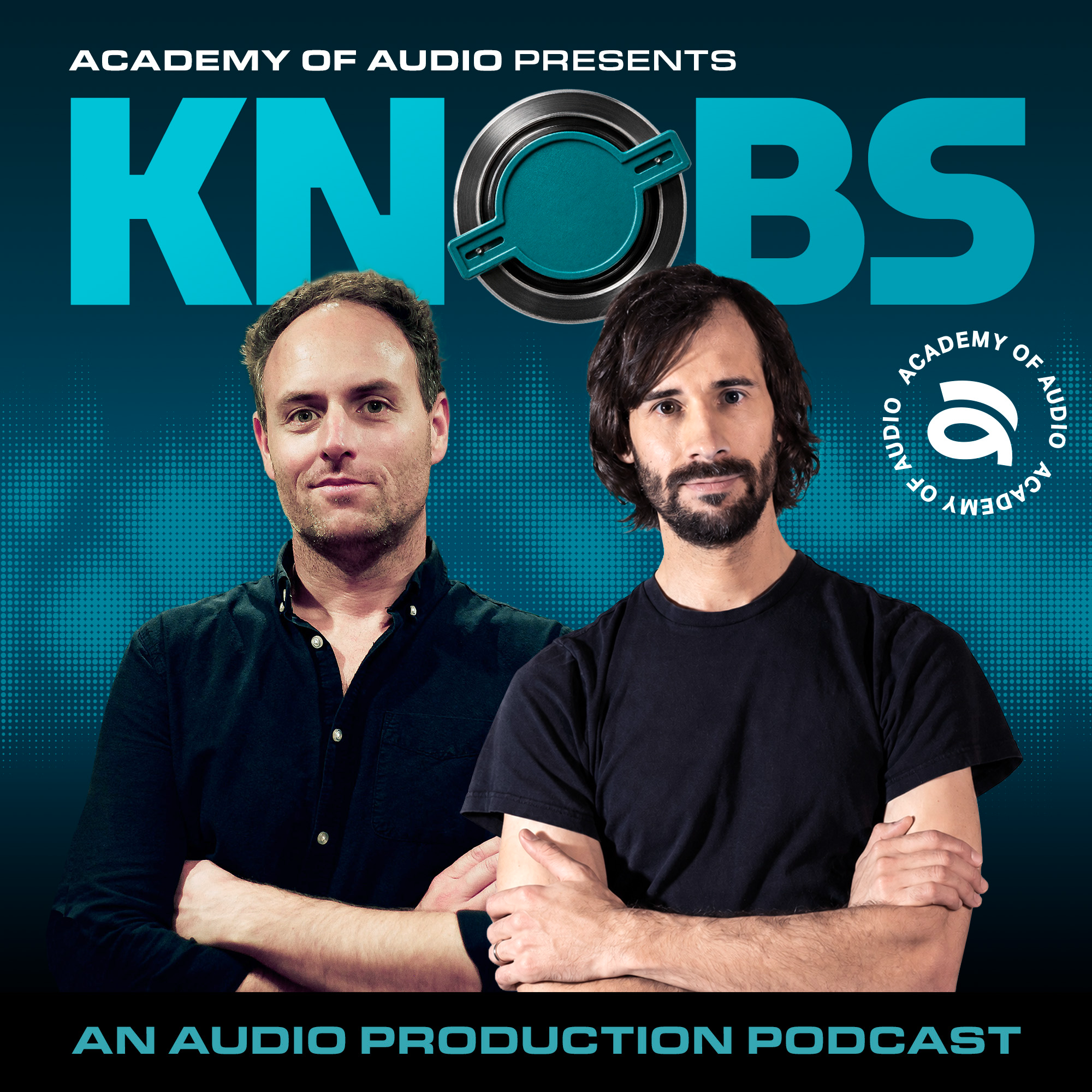
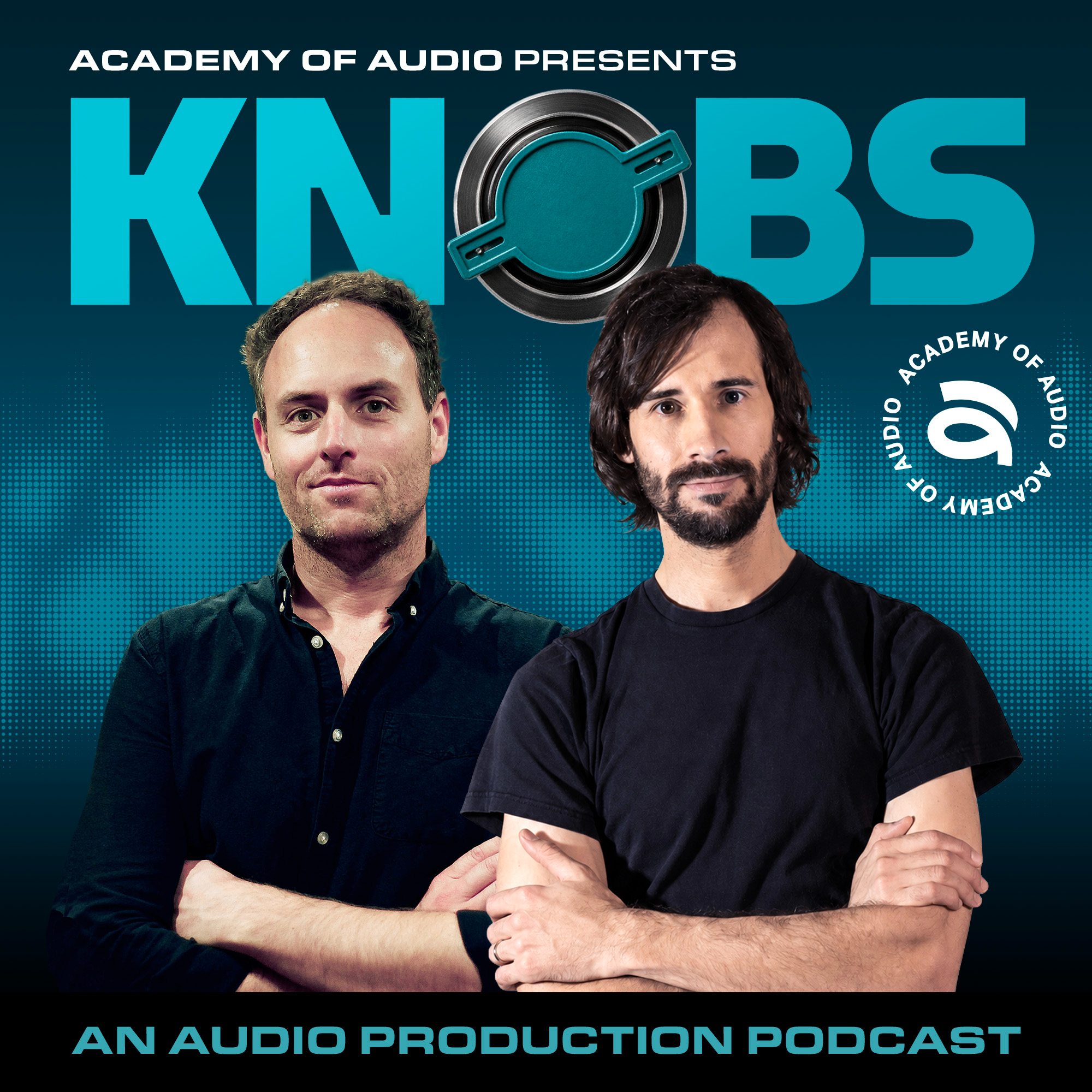
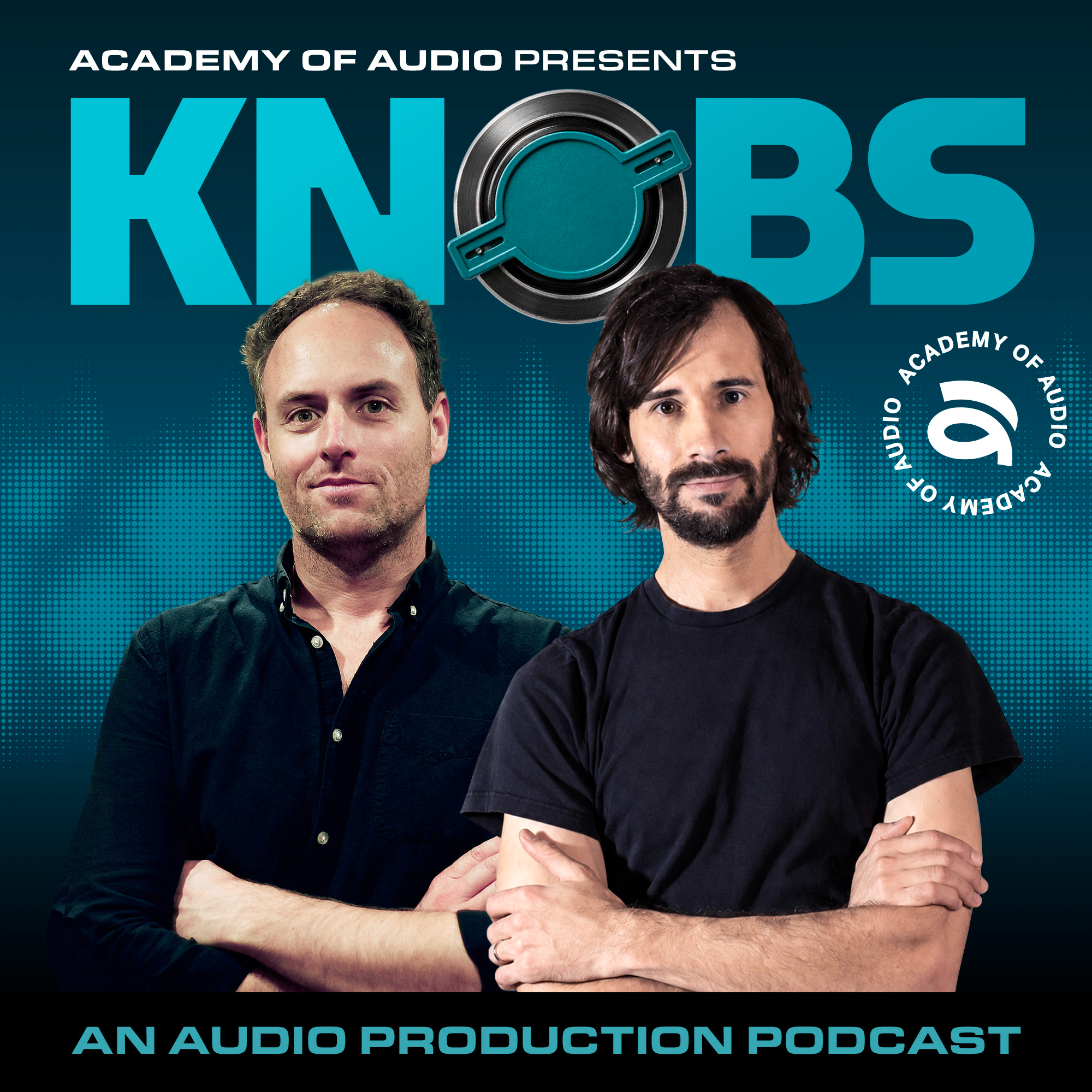
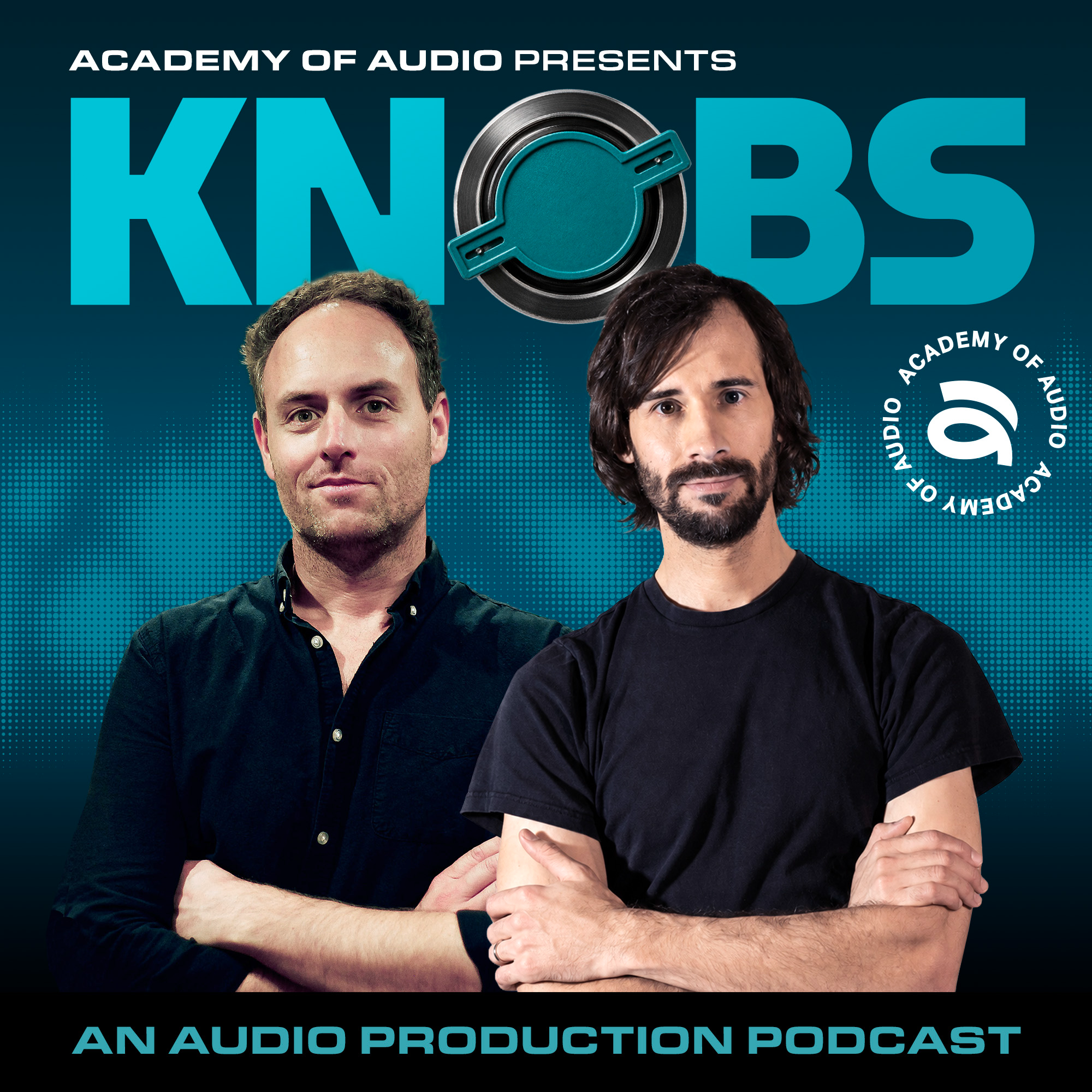
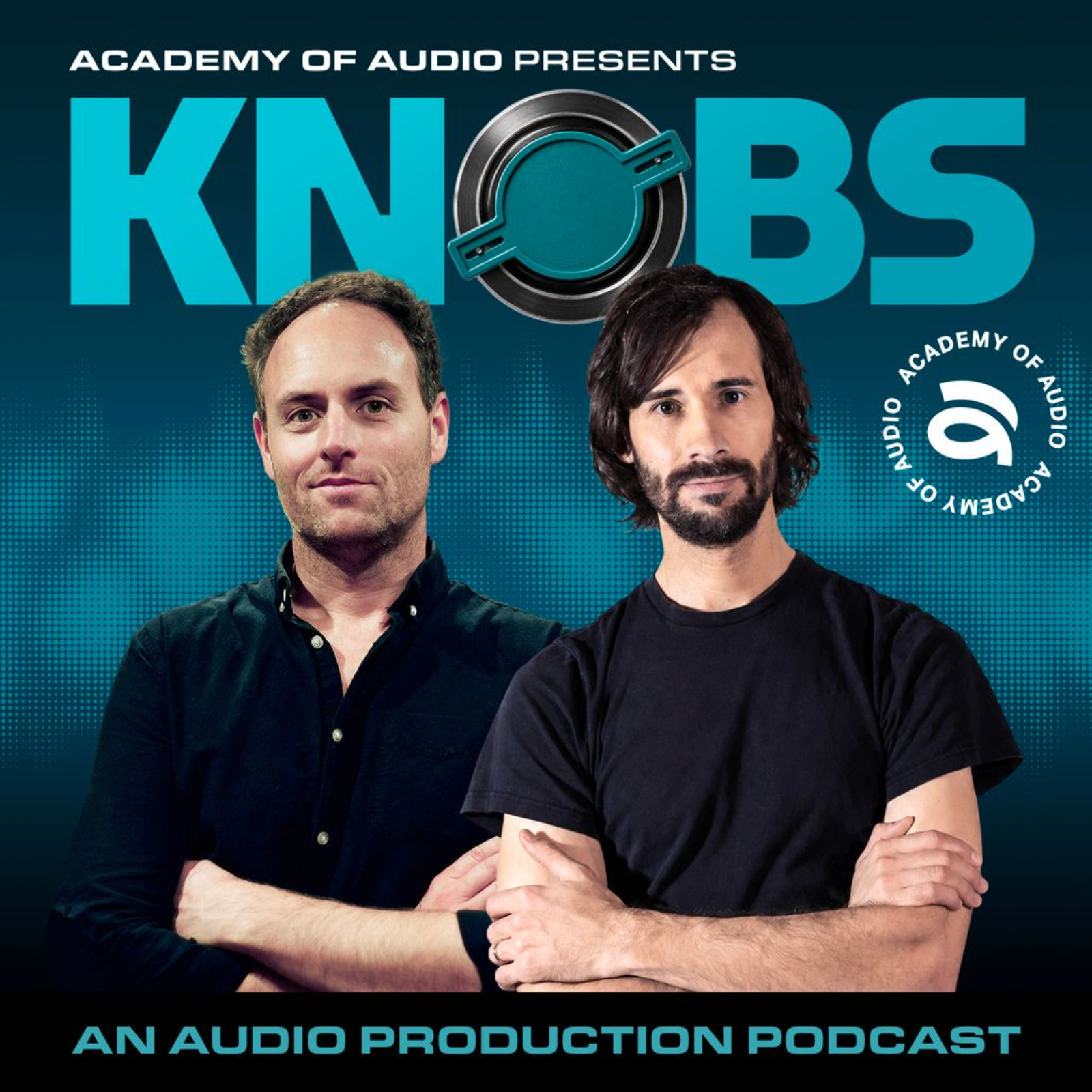
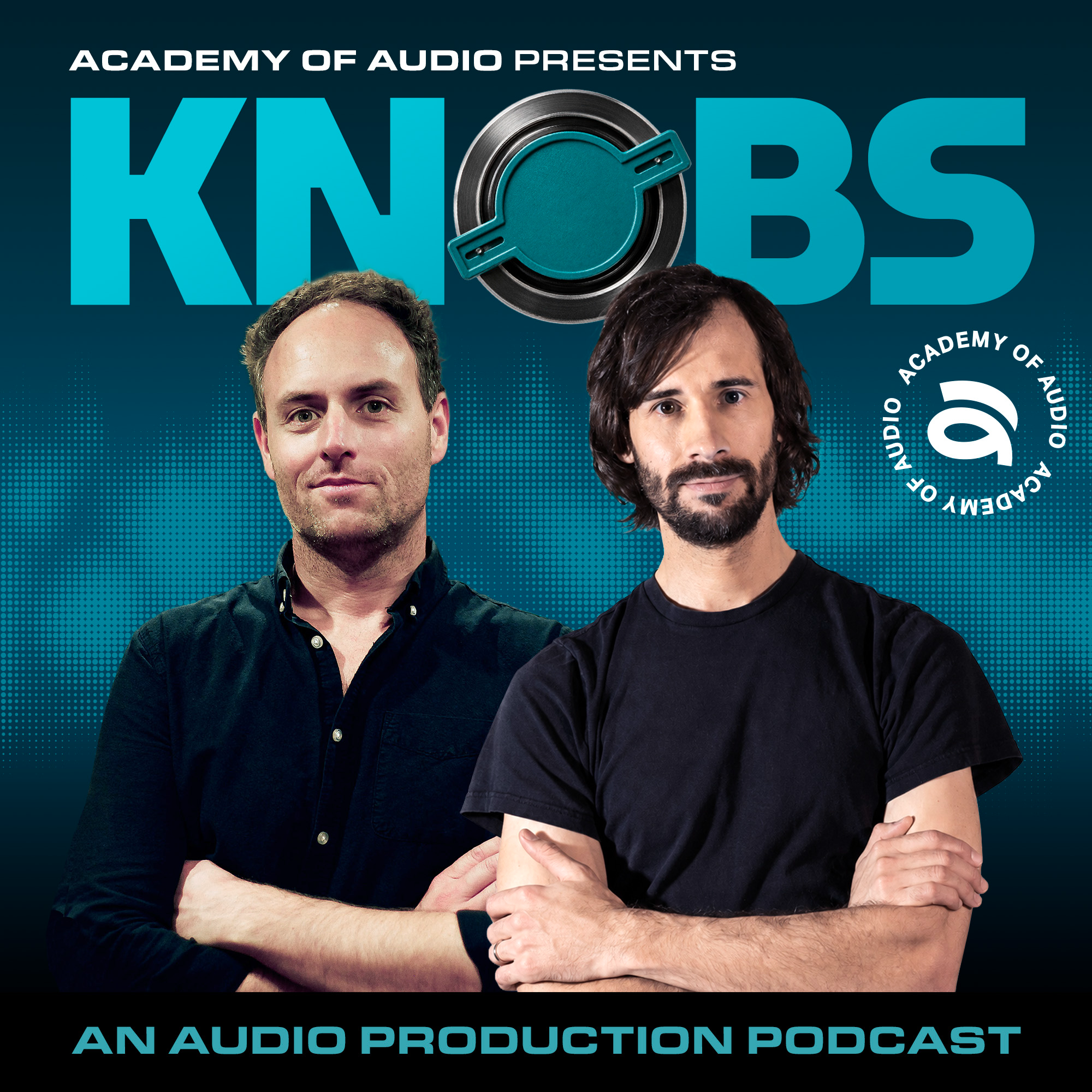
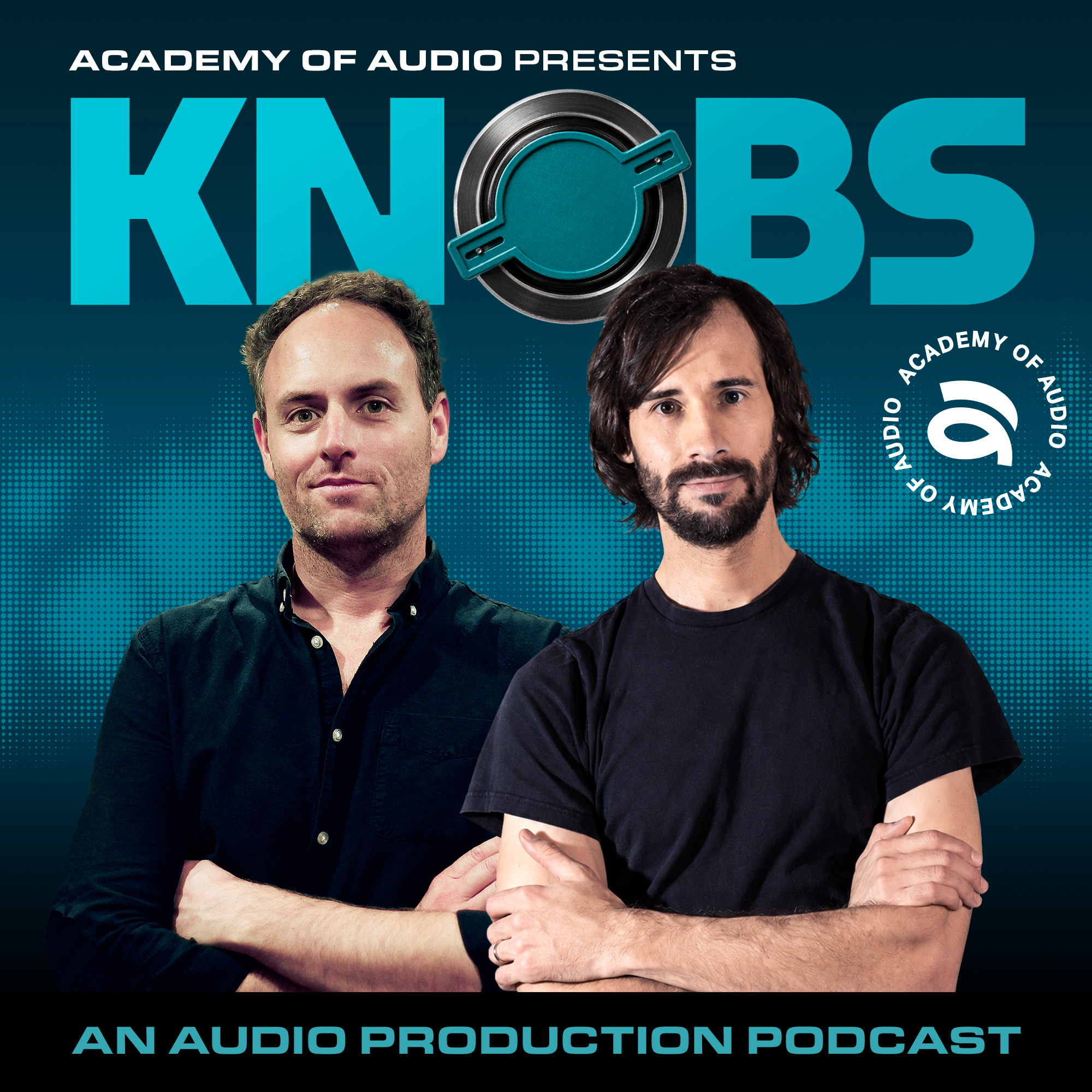
Artwork for Knobs
Knobs · Sunday · 59 min

How We Mix the Rhythm Section

What is actually on Simon and Terry's channels when they mix a drum kit and bass? This one is the guided tour. In Episode 15 of KNOBS, Simon Moro and Terry Hart go through the mixer left to right, channel by channel, and talk through exactly how they treat the rhythm section: the kick, the snare, the toms, hi-hats, overheads, rooms, percussion and bass. They start with the idea that holds it all together, the mix template: a rig of dormant, deactivated plugins that sit ready to click on the moment a sound needs them, so the boring decisions are already made and the time goes into the music. From there it is trick after trick. Samples blended under real drums for consistency, the Pultec-into-a-160 move for tight low end, ducking the bass with the kick, using transient decay to make a chorus feel faster, treating the snare like an actor with a character to play, the pink-noise reverb trick for a snare that cuts, why they expand toms instead of gating them, and why you should stop high-passing your overheads and rooms. Then bass: one source of truth for the low end, splitting into bands, and spoon-feeding the speakers a clean sub because, as they put it, speakers just cannot move that much air. Whether you mix in the box or on a console, this is a proper look under the bonnet of two working mixers. Topics covered: The mix template and dormant plugins. Kick: samples, Pultec into a 160, ducking the bass. Transient decay and perceived tempo. Snare as a character, the pink-noise reverb trick. Toms: expand, don't gate, audience perspective. Why you should not high-pass the rooms. Rooms make the kit sound like one thing. Riding faders on percussion. Bass: one source of truth and clean subs.

0:00-59:16

transcript

No transcript — this publisher did not publish one.

show notes

What is actually on Simon and Terry's channels when they mix a drum kit and bass? This one is the guided tour.

In Episode 15 of KNOBS, Simon Moro and Terry Hart go through the mixer left to right, channel by channel, and talk through exactly how they treat the rhythm section: the kick, the snare, the toms, hi-hats, overheads, rooms, percussion and bass.

They start with the idea that holds it all together, the mix template: a rig of dormant, deactivated plugins that sit ready to click on the moment a sound needs them, so the boring decisions are already made and the time goes into the music. From there it is trick after trick. Samples blended under real drums for consistency, the Pultec-into-a-160 move for tight low end, ducking the bass with the kick, using transient decay to make a chorus feel faster, treating the snare like an actor with a character to play, the pink-noise reverb trick for a snare that cuts, why they expand toms instead of gating them, and why you should stop high-passing your overheads and rooms.

Then bass: one source of truth for the low end, splitting into bands, and spoon-feeding the speakers a clean sub because, as they put it, speakers just cannot move that much air.

Whether you mix in the box or on a console, this is a proper look under the bonnet of two working mixers.

Topics covered:

The mix template and dormant plugins. Kick: samples, Pultec into a 160, ducking the bass. Transient decay and perceived tempo. Snare as a character, the pink-noise reverb trick. Toms: expand, don't gate, audience perspective. Why you should not high-pass the rooms. Rooms make the kit sound like one thing. Riding faders on percussion. Bass: one source of truth and clean subs.