Skip to content
Artwork for 张小珺Jùn|商业访谈录
张小珺Jùn|商业访谈录 · Wednesday · 2 hr 4 min

152. 领读Kimi K3技术报告:从架构创新聊起,注意力美学、多教师蒸馏和开源MoE

今天的节目是一集学习播客,学习Kimi K3技术报告,希望和大家一起领略“技术之美”。 K3是有效扩展到2.8T总参数并全量开源的MoE模型。大家可能注意到,这集技术报告的领读距离模型发布已经过去一段时间。期间,我们试图寻找一位合适的嘉宾,我们希望这位嘉宾的学术和工作背景非常适合讲K3。最后找到孙宇涛。 宇涛目前是清华大学计算机系博士候选人,上海创智学院璞锐学者。他从博士开始的研究方向是LLM架构、预训练,架构创新一直是他的兴趣点,这正好是K3亮点之一。 宇涛透过领读K3技术报告也串联讲解了十多篇相关论文。他的语速非常快——前方语速预警。 OUTLINE: 02:00 宇涛的自我介绍和研究经历,为什么对架构创新最感兴趣? 16:05 从Kimi K3论文出发,论文讲解的框架与脉络 19:02 宇涛开始领读论文: 1 导读 Kimi K3将设计概括为沿sequence、depth和width三个维度扩展信息流;其中depth与width本质上仍是模型容量扩展的两种组织⽅式,这⼀“三维 scaling”更多是贯穿论⽂的叙事框架。 2 Model Architecture 2.1 线性注意⼒的前世今⽣ [Microsoft Research] RetNet:最初的 data-independent decay 与 chunk-recurrent 递归形式 [NVIDIA] Gated DeltaNet:引⼊ gated delta rule [Moonshot AI] Kimi Linear:fine-grained decay及其带来的infra变化 2.2 Gated MLA [Alibaba Qwen] Gated Attention for Large Language Models:attention gating与训练稳定性 2.3 Attention Residuals [Microsoft Research] On Layer Normalization in the Transformer Architecture:Pre-LN、Post-LN与训练稳定性 [ByteDance Seed] Hyper-Connections:残差连接的新维度 [Moonshot AI] Attention Residuals:以跨深度attention取代固定残差累积,使各层选择性聚合此前表⽰ 2.4 Stable LatentMoE与SiTU-GLU [NVIDIA] LatentMoE:通过latent expert space降低MoE通信与权重访问成本 [OpenAI] GPT-OSS:以clamped SwiGLU控制激活值 2.5 Muon [Moonshot AI] Moonlight / Muon is Scalable for LLM Training:更好的优化表现及随之突出的 activation outlier问题 2.6 Quantile Balancing [科学空间] 《MoE环游记:6、最优分配促均衡》:从最优分配推导Quantile Balancing 2.7 Native Vision 3 Pre-Training 3.1 Scaling Law [OpenBMB] MiniCPM:WSD的训练预算扩展、稳定阶段复⽤、继续训练与提前停⽌ 3.2 Long-Context Extension [Cohere] RNoPE:交替使⽤RoPE与NoPE,兼顾位置建模与长上下⽂检索 4 Post-Training 4.1 Post-Training Pipeline 4.2 Reinforcement Learning [Moonshot AI] Kimi K1.5:提出partial rollout,通过复⽤未完成轨迹降低长CoT rollout开销 [Moonshot AI] Kimi K2.5:reasoning-effort budget control 与 Agentic Generative Reward Model 4.3 Multi-Teacher On-Policy Distillation [Microsoft Research] MiniLLM:基于student-generated samples的on-policy distillation 4.4 Deployment-Aware Post-Training 4.5 Draft Model Fine-Tuning 5 Infrastructure 5.1 Pre-Training 5.1.1 KDA Kernel [FLA] Flash Linear Attention:KDA kernel与线性注意⼒⾼效实现 5.1.2 Distributed Training [DeepSeek-AI] DeepSeek-V3 Technical Report:DualPipe与细粒度MoE communication–computation overlap MoE overlap的资源trade-off与cross-PP activation transfer 5.1.3 Perfectly Balanced Expert-Parallel MoE Training 5.1.4 Memory-Efficient Training [Moonshot AI] Mooncake:Mooncake Transfer Engine与cross-PP activation remote offload 5.1.5 Multimodal Encoder Optimization 5.2 RL 5.2.1 Long-Context RL Infrastructure 5.2.2 Sandbox Infrastructure 5.3 Inference 5.3.1 KDA-Aware Prefix Cache Management 5.3.2 High-Performance Kernels 5.3.3 Fleet-Level Scheduling LINKS: 我们的播客在小宇宙、Apple Podcast、Spotify等全音频平台播出; 我们的视频播客在小宇宙、Bilibili、小红书、视频号、抖音等全视频平台播出; 如果你想服用文字版,请搜索我们工作室的公众号:语言即世界language is world。 DISCLAIMER: 本内容不作为投资建议。 CONTACT: xiaojunzhang@lisw.ai Jump into the new world-and explore with us!😉

0:00-2:04:19

transcript

No transcript — this publisher did not publish one.

show notes

今天的节目是一集学习播客,学习Kimi K3技术报告,希望和大家一起领略“技术之美”。

K3是有效扩展到2.8T总参数并全量开源的MoE模型。大家可能注意到,这集技术报告的领读距离模型发布已经过去一段时间。期间,我们试图寻找一位合适的嘉宾,我们希望这位嘉宾的学术和工作背景非常适合讲K3。最后找到孙宇涛。

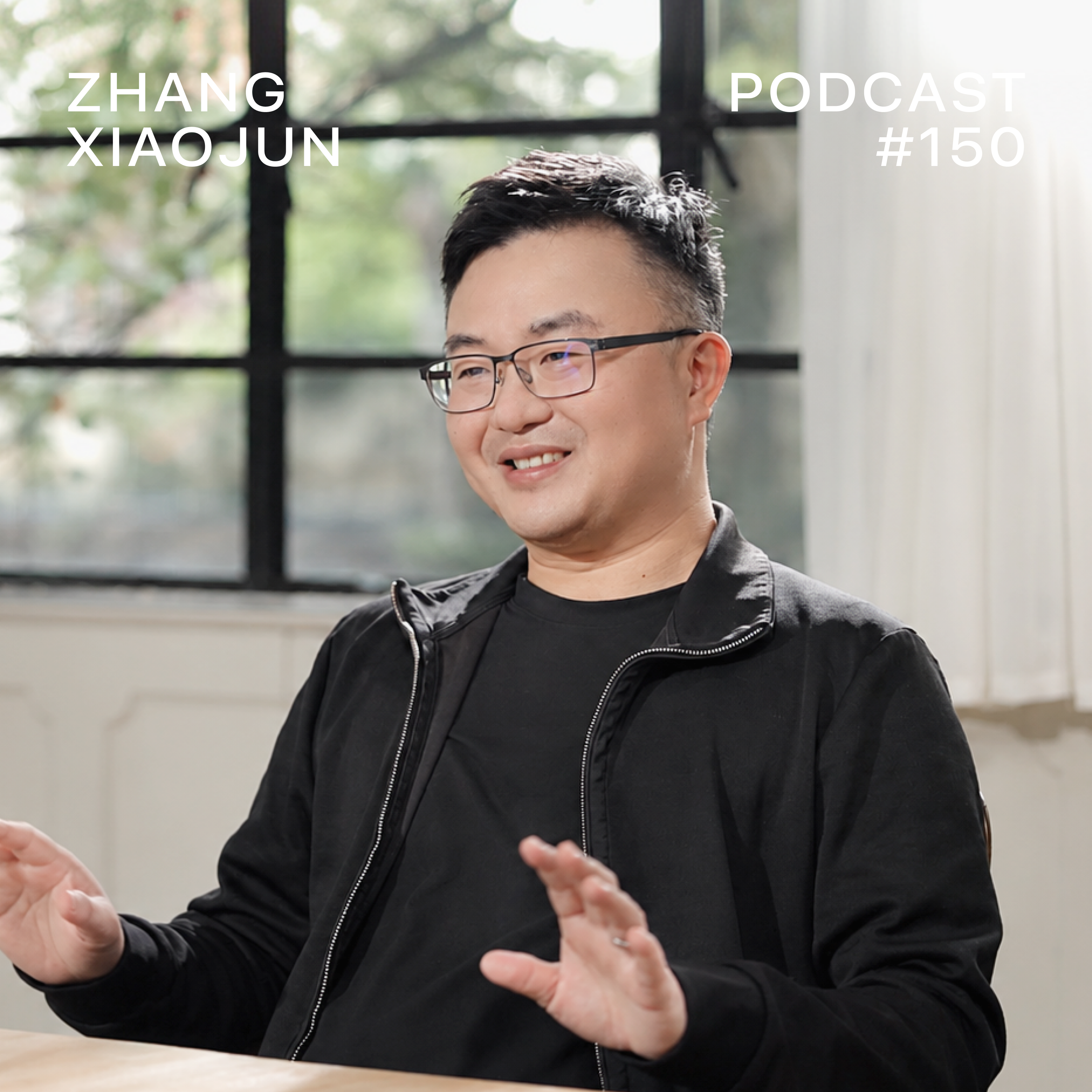
宇涛目前是清华大学计算机系博士候选人,上海创智学院璞锐学者。他从博士开始的研究方向是LLM架构、预训练,架构创新一直是他的兴趣点,这正好是K3亮点之一。

宇涛透过领读K3技术报告也串联讲解了十多篇相关论文。他的语速非常快——前方语速预警。

OUTLINE:

02:00 宇涛的自我介绍和研究经历,为什么对架构创新最感兴趣?

16:05 从Kimi K3论文出发,论文讲解的框架与脉络

19:02 宇涛开始领读论文:

1 导读

Kimi K3将设计概括为沿sequence、depth和width三个维度扩展信息流;其中depth与width本质上仍是模型容量扩展的两种组织⽅式,这⼀“三维 scaling”更多是贯穿论⽂的叙事框架。

2 Model Architecture

2.1 线性注意⼒的前世今⽣

[Microsoft Research] RetNet:最初的 data-independent decay 与 chunk-recurrent 递归形式

[NVIDIA] Gated DeltaNet:引⼊ gated delta rule

[Moonshot AI] Kimi Linear:fine-grained decay及其带来的infra变化

2.2 Gated MLA

[Alibaba Qwen] Gated Attention for Large Language Models:attention gating与训练稳定性

2.3 Attention Residuals

[Microsoft Research] On Layer Normalization in the Transformer Architecture:Pre-LN、Post-LN与训练稳定性

[ByteDance Seed] Hyper-Connections:残差连接的新维度

[Moonshot AI] Attention Residuals:以跨深度attention取代固定残差累积,使各层选择性聚合此前表⽰

2.4 Stable LatentMoE与SiTU-GLU

[NVIDIA] LatentMoE:通过latent expert space降低MoE通信与权重访问成本

[OpenAI] GPT-OSS:以clamped SwiGLU控制激活值

2.5 Muon

[Moonshot AI] Moonlight / Muon is Scalable for LLM Training:更好的优化表现及随之突出的 activation outlier问题

2.6 Quantile Balancing

[科学空间] 《MoE环游记:6、最优分配促均衡》:从最优分配推导Quantile Balancing

2.7 Native Vision

3 Pre-Training

3.1 Scaling Law

[OpenBMB] MiniCPM:WSD的训练预算扩展、稳定阶段复⽤、继续训练与提前停⽌

3.2 Long-Context Extension

[Cohere] RNoPE:交替使⽤RoPE与NoPE,兼顾位置建模与长上下⽂检索

4 Post-Training

4.1 Post-Training Pipeline

4.2 Reinforcement Learning

[Moonshot AI] Kimi K1.5:提出partial rollout,通过复⽤未完成轨迹降低长CoT rollout开销

[Moonshot AI] Kimi K2.5:reasoning-effort budget control 与 Agentic Generative Reward Model

4.3 Multi-Teacher On-Policy Distillation

[Microsoft Research] MiniLLM:基于student-generated samples的on-policy distillation

4.4 Deployment-Aware Post-Training

4.5 Draft Model Fine-Tuning

5 Infrastructure

5.1 Pre-Training

5.1.1 KDA Kernel

[FLA] Flash Linear Attention:KDA kernel与线性注意⼒⾼效实现

5.1.2 Distributed Training

[DeepSeek-AI] DeepSeek-V3 Technical Report:DualPipe与细粒度MoE communication–computation overlap

MoE overlap的资源trade-off与cross-PP activation transfer

5.1.3 Perfectly Balanced Expert-Parallel MoE Training

5.1.4 Memory-Efficient Training

[Moonshot AI] Mooncake:Mooncake Transfer Engine与cross-PP activation remote offload

5.1.5 Multimodal Encoder Optimization

5.2 RL

5.2.1 Long-Context RL Infrastructure

5.2.2 Sandbox Infrastructure

5.3 Inference

5.3.1 KDA-Aware Prefix Cache Management

5.3.2 High-Performance Kernels

5.3.3 Fleet-Level Scheduling

LINKS:

我们的播客在小宇宙Apple Podcast、Spotify等全音频平台播出;

我们的视频播客在小宇宙Bilibili小红书、视频号、抖音等全视频平台播出;

如果你想服用文字版,请搜索我们工作室的公众号:语言即世界language is world。

DISCLAIMER: 本内容不作为投资建议。

CONTACT: xiaojunzhang@lisw.ai

Jump into the new world-and explore with us!😉
links22