Skip to content
Artwork for JOHNSTONE
JOHNSTONE · July 30 · 2 min

Anthropocene

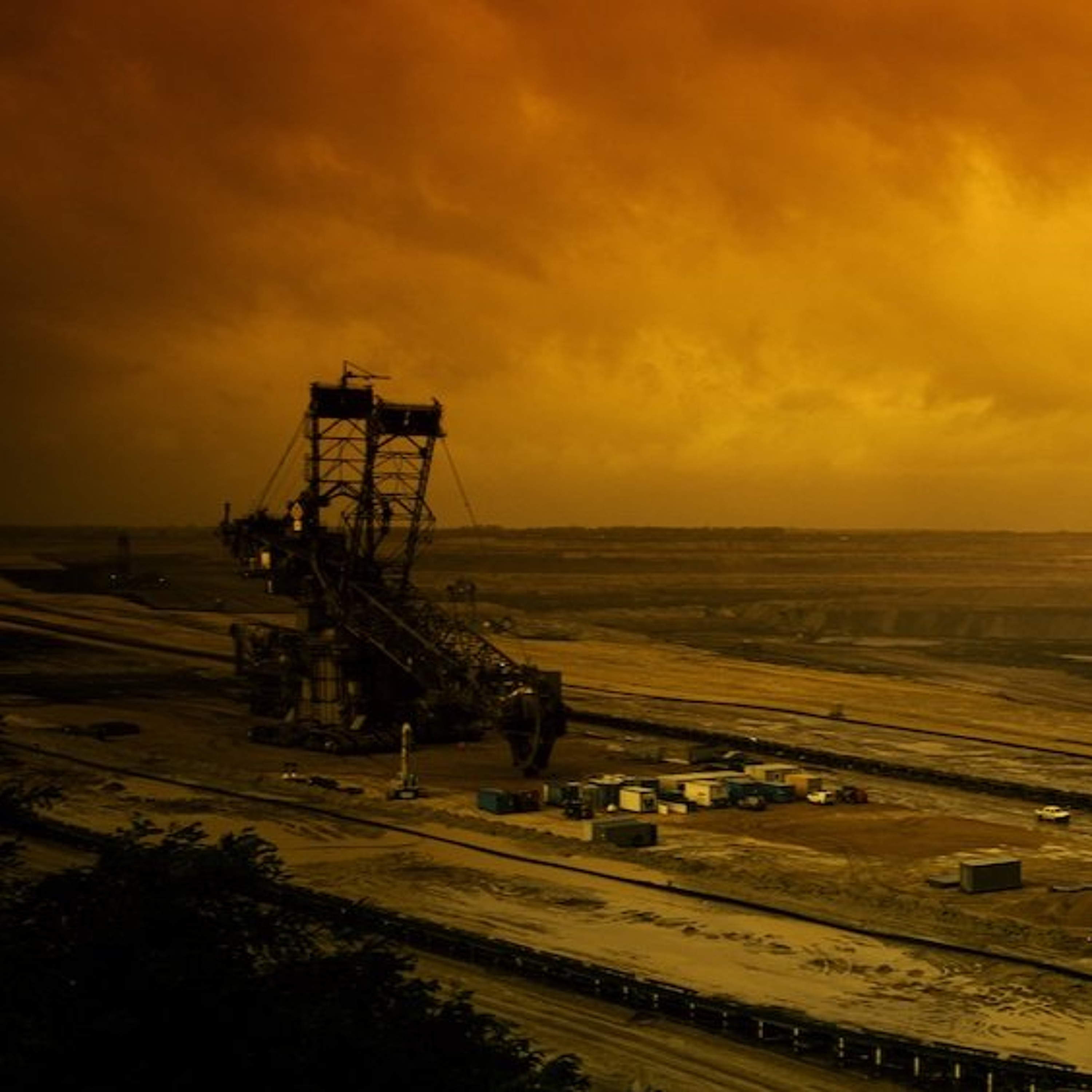
We can make a home here. In these ruins. In this shattered civilization full of walking autopsies where every twinkle in the night sky is an Elon Musk satellite. Life can still thrive here. Even in the Anthropocene. Even in the middle of secular armageddon. There is still moss in the cracks of the parking lot. There are still pigeons roosting in the rafters. We can make a nest here, too, out of the plastics and the packaging, out of the shell casings and the trillions of chicken bones. We can rake it into a pile and lay listening to the ghosts of the extinct megafauna and get haunted by the spirits of the forests that used to be. It is good to breathe deeply of the fumes of this wasteland. The air still crackles with strange and crooked sorcery. The earth is still packed full of winking Buddhas inside winking Buddhas. He wears a hazmat suit these days (he's not an idiot), but you can still see him winking in the iridescent petrol puddles, and in the shopping cart saints on the wounded sidewalks, and even in the shark-eyed stare of the war pundits on Fox News. Did you know they've discovered a type of fungus in Chernobyl which feeds on the radiation there? When I first learned this I fell to my knees and wept tears of wonder and joy. The water poured from my seaweed head and washed cigarette butts down the gutter. We are swimming in an ocean of miracles. We are living on a giant cocoon. We have barely begun to scratch the surface of this world. Every moment is a leap into the great Unknown. I kneel before the black mold in Chernobyl. An angel egg is beginning to hatch. _______________ Reading by Tim Foley.

0:00-2:48

transcript

No transcript — this publisher did not publish one.

show notes

We can make a home here.
In these ruins.
In this shattered civilization
full of walking autopsies
where every twinkle in the night sky
is an Elon Musk satellite.

Life can still thrive here.
Even in the Anthropocene.
Even in the middle
of secular armageddon.
There is still moss
in the cracks of the parking lot.
There are still pigeons
roosting in the rafters.

We can make a nest here, too,
out of the plastics and the packaging,
out of the shell casings
and the trillions of chicken bones.
We can rake it into a pile
and lay listening to the ghosts
of the extinct megafauna
and get haunted by the spirits
of the forests that used to be.

It is good to breathe deeply
of the fumes of this wasteland.
The air still crackles
with strange and crooked sorcery.
The earth is still packed full
of winking Buddhas
inside winking Buddhas.
He wears a hazmat suit these days
(he's not an idiot),
but you can still see him winking
in the iridescent petrol puddles,
and in the shopping cart saints
on the wounded sidewalks,
and even in the shark-eyed stare
of the war pundits on Fox News.

Did you know they've discovered
a type of fungus in Chernobyl
which feeds on the radiation there?
When I first learned this I fell to my knees
and wept tears of wonder and joy.
The water poured from my seaweed head
and washed cigarette butts
down the gutter.

We are swimming in an ocean of miracles.
We are living on a giant cocoon.
We have barely begun
to scratch the surface of this world.
Every moment is a leap
into the great Unknown.

I kneel before the black mold in Chernobyl.

An angel egg is beginning to hatch.

_______________

Reading by Tim Foley.