Artwork for Jewish Ideas to Change the World
Religion & Spirituality

Jewish Ideas to Change the World

Valley Beit Midrash

Jewish Ideas to Change the World delivers thought-provoking content by leading Jewish thinkers with diverse perspectives and backgrounds. It is produced by Valley Beit Midrash.

Valley Beit Midrash (VBM) is dedicated to social justice as driven by Torah ethics. VBM's mission is to improve lives through Jewish learning, direct action, and leadership development.

Listen to VBM's other podcasts:
• Social Justice in the Parsha (weekly divrei Torah by Rabbi Shmuly Yanklowitz)
• Pearls of Jewish Wisdom on Living with Kindness (Rabbi Shmuly's class series)

Stay Connected:
• Website: https://www.valleybeitmidrash.org

Attended virtual programs live by becoming a member for just $18 per month:
https://www.valleybeitmidrash.org/become-a-member

  • 1,046 episodes
  • Updated Monday

Support the show

Goes straight to the publisher. podnod takes nothing.

Episodes1046

  • Monday · 1 hr 3 min

    Soul Train: Learning the Words of the Jewish Heart

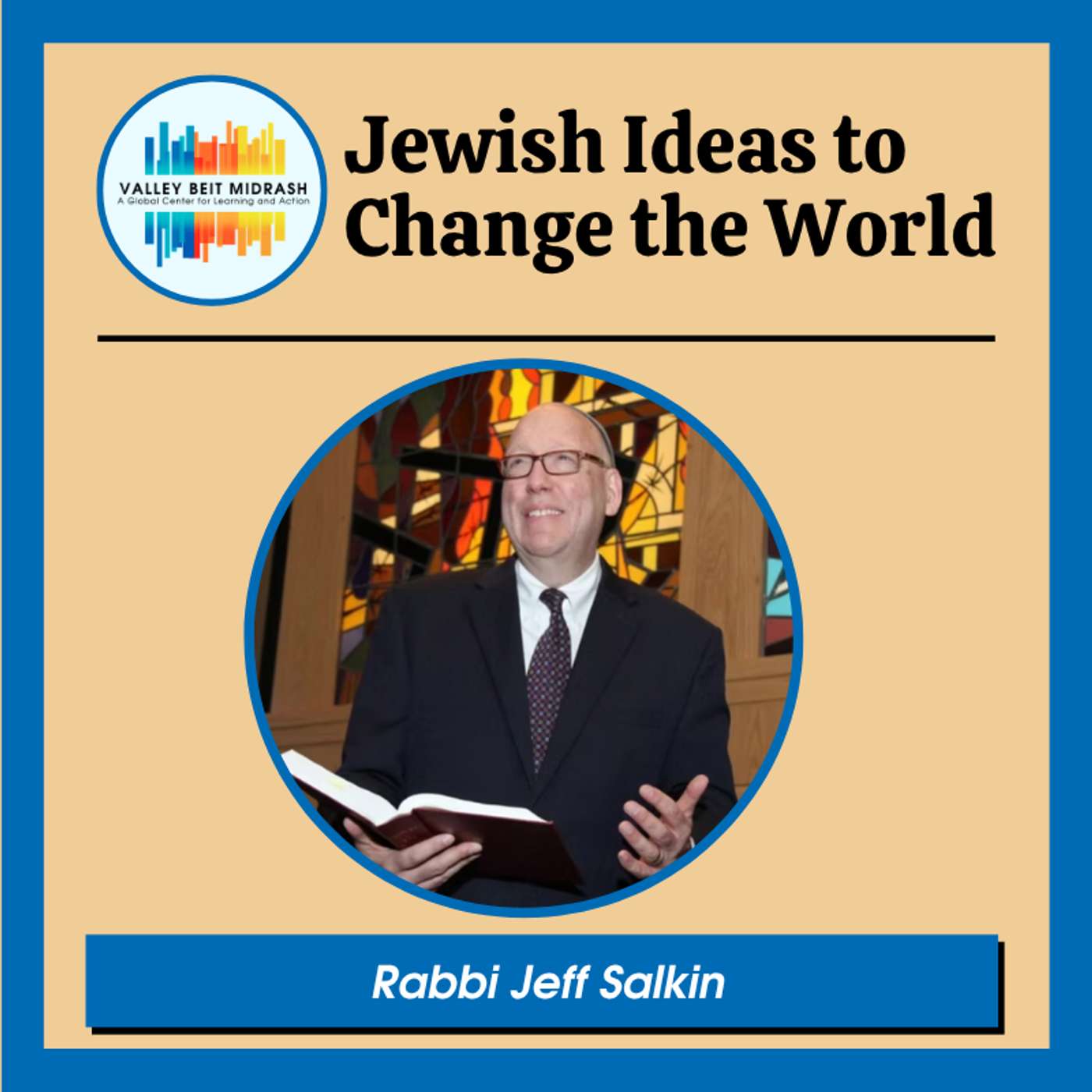
    A virtual event presentation by Rabbi Jeff Salkin The event was co-sponsored by BMH-BJ About The Event: No, “Soul Train” isn’t just a retro music show—it’s about training our souls to rediscover the sacred power of Jewish prayer. Rabbi Jeff Salkin will help us explore the deeper meaning of the siddur; why prayer can feel distant for modern Jews; and how it can become relevant, moving, and even transformative. Based on his new book “Inviting God In: A Guide to Jewish Prayer” (CCAR Press). About The Speaker: Rabbi Jeff Salkin is a noted writer and author. He has discussed the American political scene on CNN and the BBC. His column, “Martini Judaism: For Those Who Want to be Shaken and Stirred,” published by the Religion News Service, has won several awards for best religion column of the year, and is also an award-winning podcast. He has been a commentator on the American political scene on CNN and the BBC; his essays have appeared in the Washington Post, Commentary, the Wall Street Journal, Tablet, and Forward. He is the author of twelve books on such diverse topics as b’nai mitzvah, masculinity, Israel, interfaith relations, the spirituality of career, and Judaism as counter-culture. His most recent book is Inviting God In: A Guide to Jewish Prayer, which will teach Jews how to find meaning in the worship experience. His other recent book is Tikkun Ha’Am: Repairing Our People – Israel and the Crisis of Liberal Judaism – the first book to predict the post-October 7 era of American Judaism. Reviewers have called the book “daring” and “controversial.” After a distinguished career as a congregational rabbi, Rabbi Salkin co-founded and co-directs “Wisdom Without Walls: an online salon for Jewish ideas,” a program that engages Jews in Zoom conversations with significant Jewish thinkers about American Judaism, post-October 7. Rabbi Salkin currently lives in Montclair, New Jersey, and devotes his time to his family, friends, and consuming vast quantities of coffee ★ Support this podcast ★
  • Thursday · 51 min

    “AI, Deepfakes, and the Future of Human Trust” — Can We Still Know What’s Real?

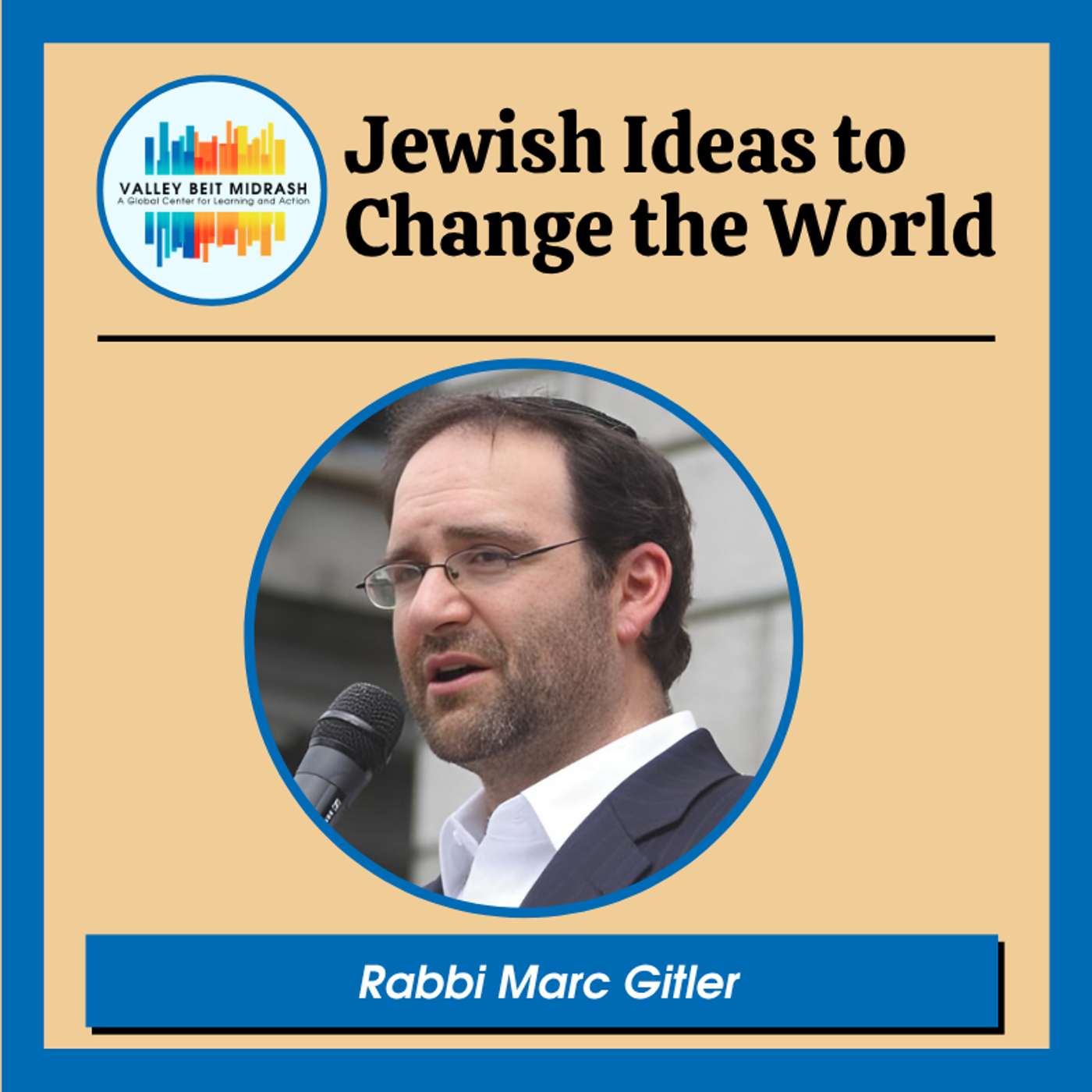
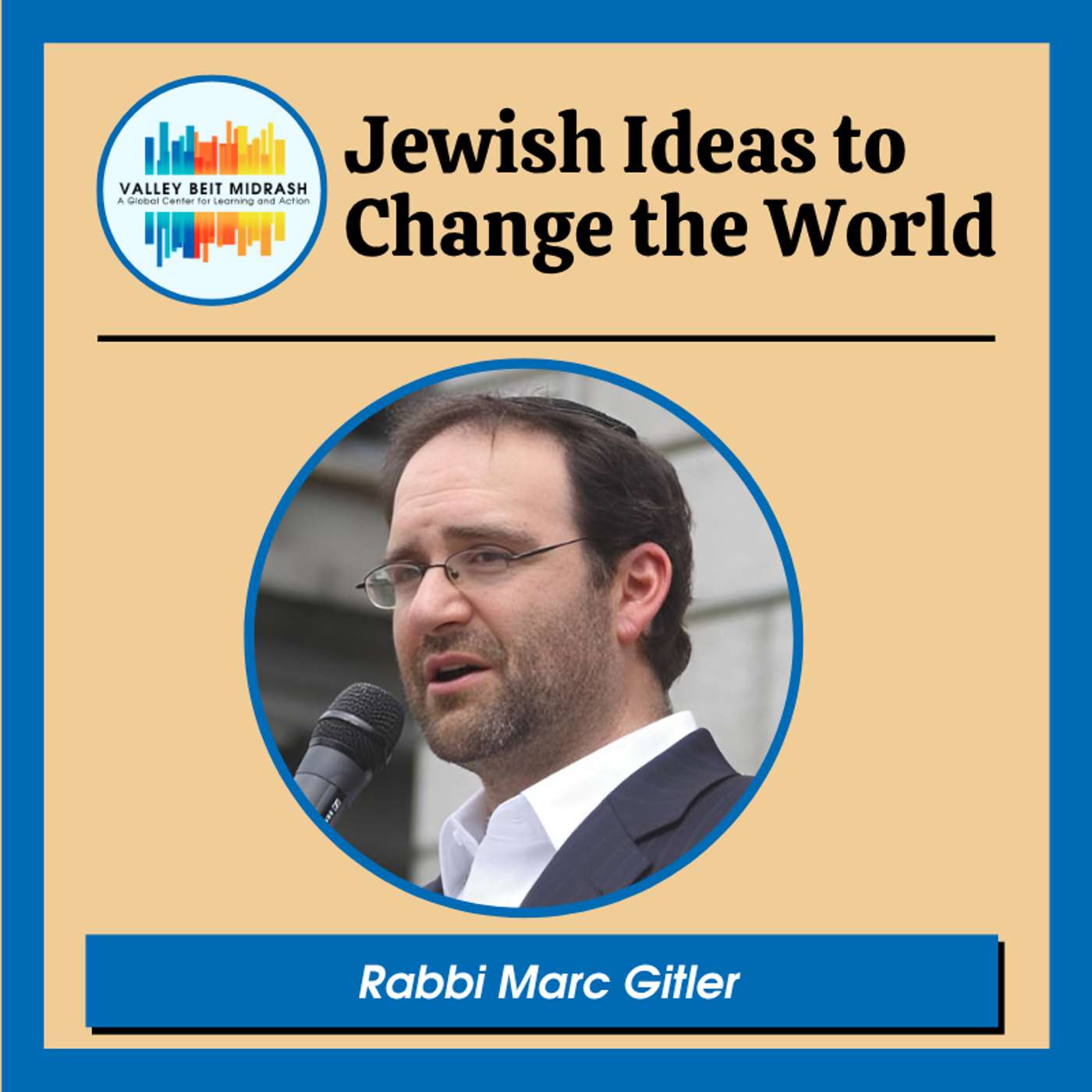
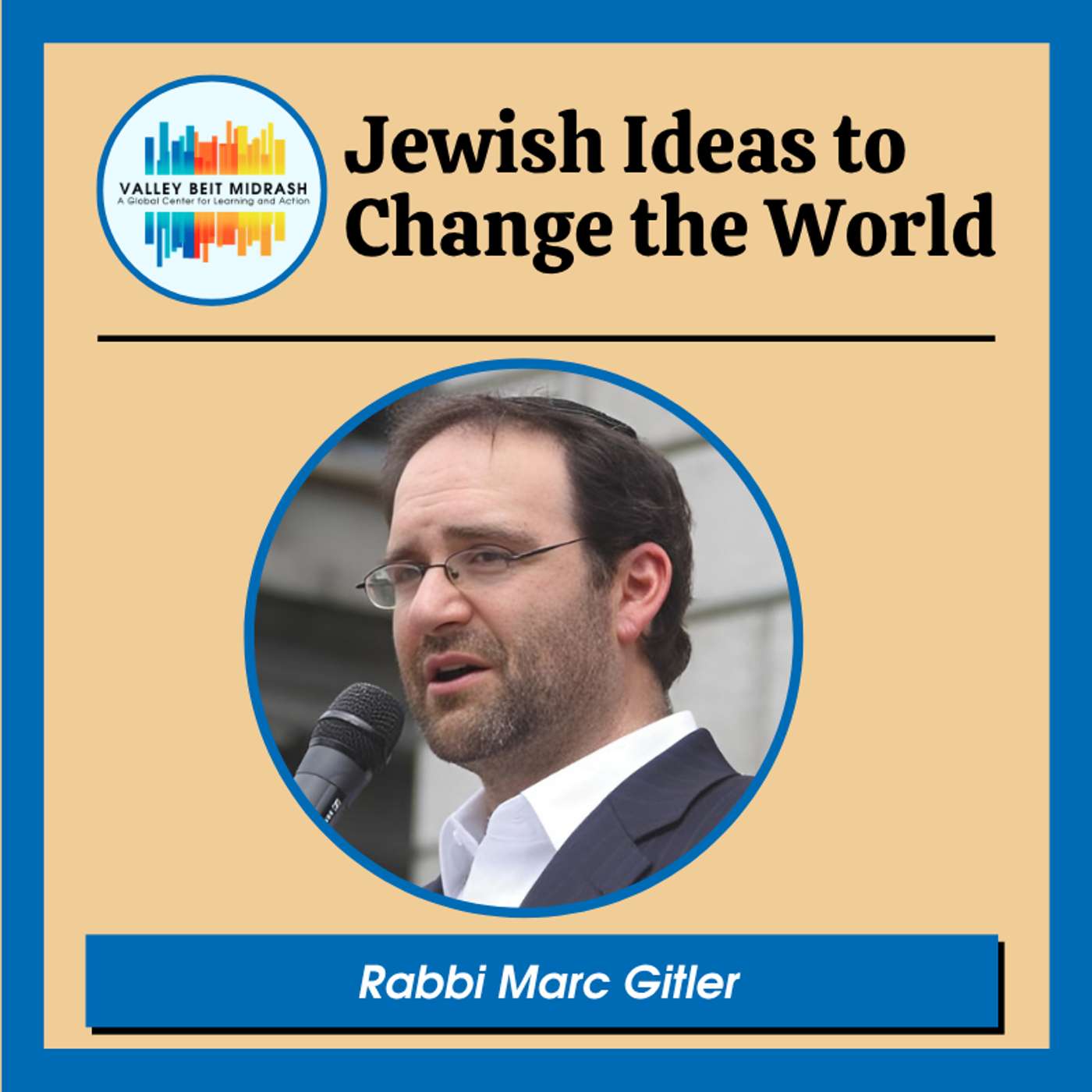
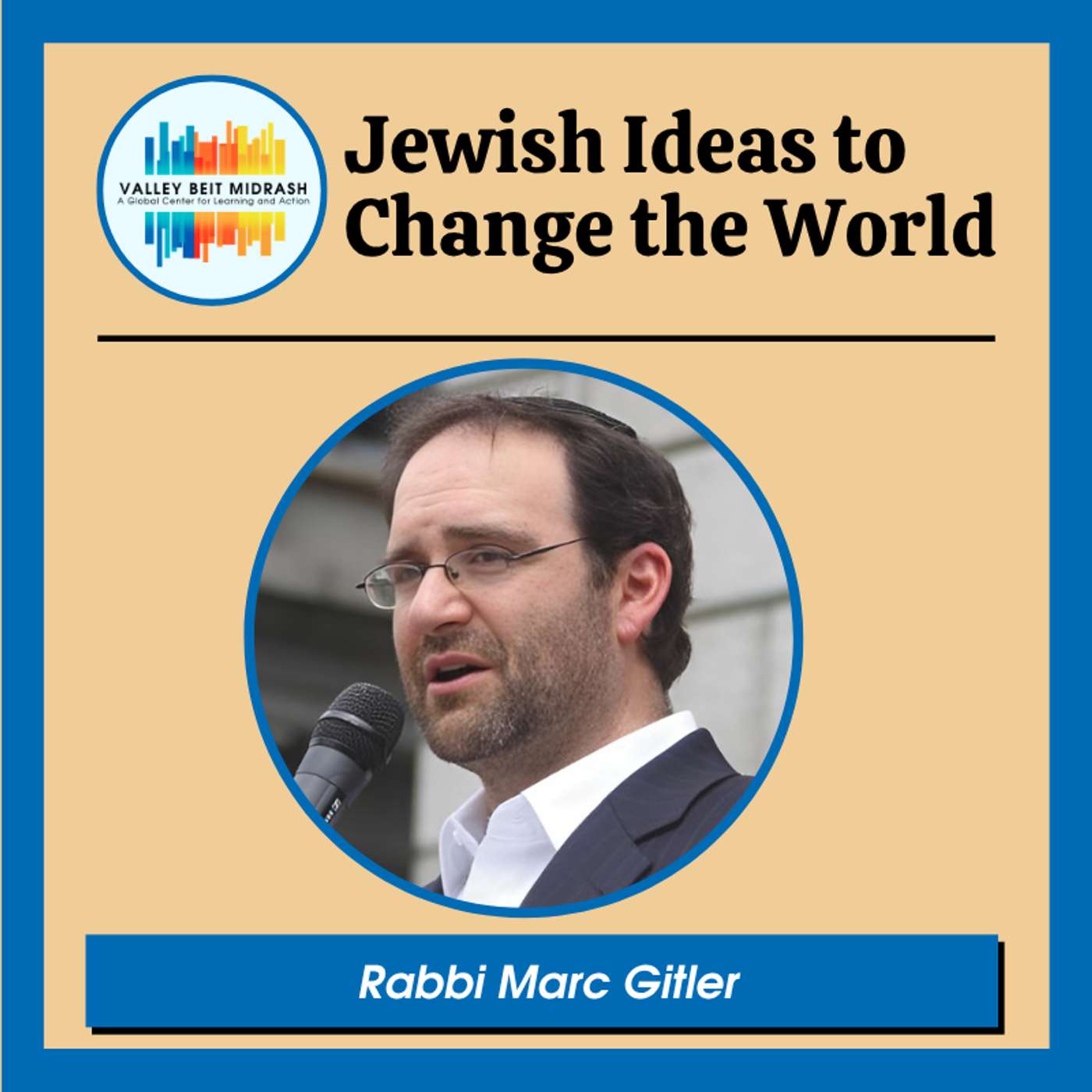
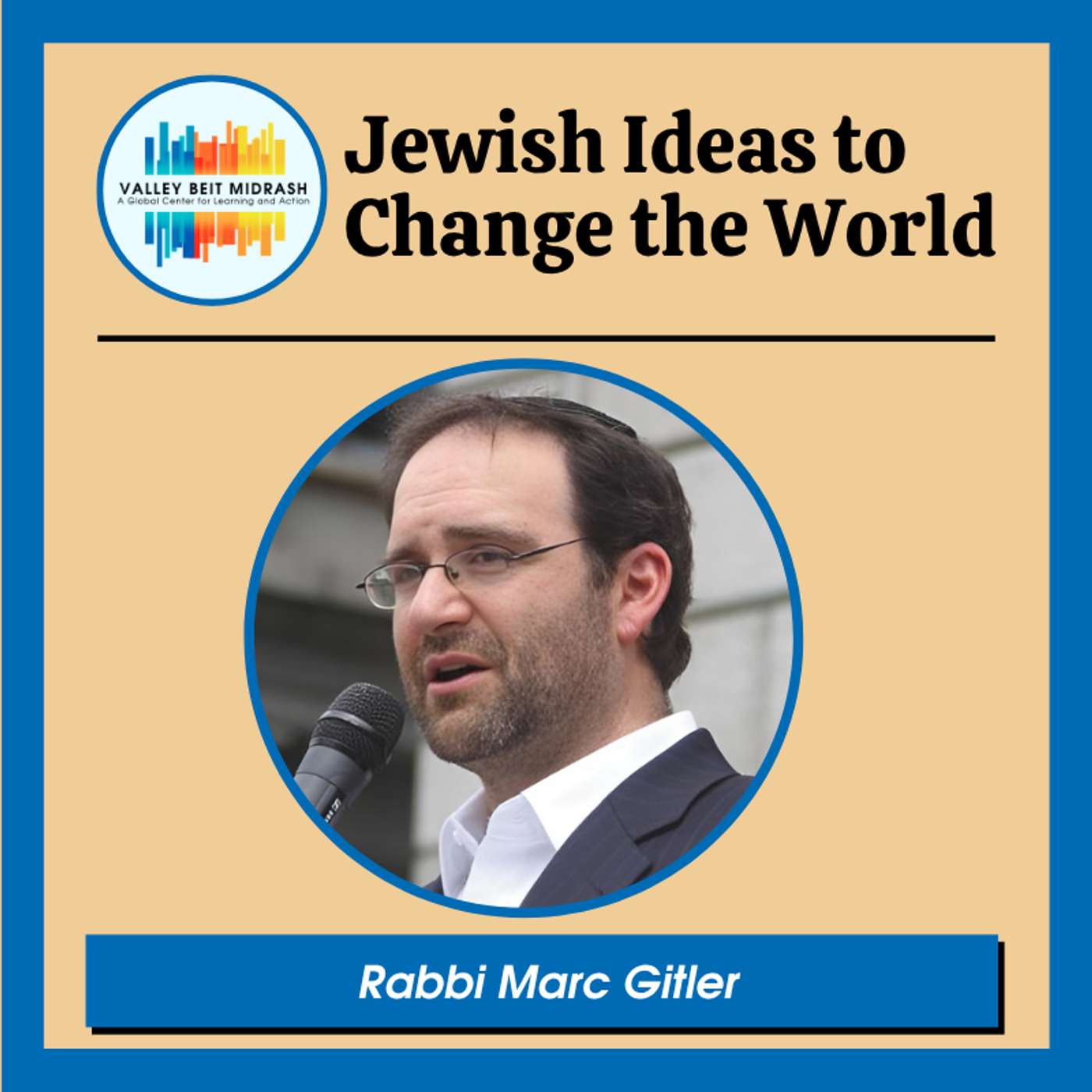
    An event presentation by Rabbi Marc Gitler The event was co-sponsored by BMH-BJ About The Event: Session 4: “AI, Deepfakes, and the Future of Human Trust” — Can We Still Know What’s Real? A culminating discussion about artificial intelligence, synthetic media, and epistemic crisis. If images, voices, and texts can all be fabricated convincingly, what happens to testimony, evidence, and trust? *Source Sheet: https://docs.google.com/document/d/1sF_YM9vOxpqQ8rqJtlJvtoAGYjD-XZd7CNht5t588NI/edit?usp=sharing About The Speaker: Rabbi Marc Gitler serves as Senior Jewish Educator for Valley Beit Midrash and is the visiting Rabbi of Aish SanDiego. A recipient of the Wexner Fellowship, he was ordained at Yeshivat Chovevei Torah. The founder of Fast for Feast, he lives in Denver, Colorado with his wife Sarah and their four children. ★ Support this podcast ★
  • July 29 · 39 min

    A Cry for Wholeness From the Void: Bridging Zionism and Diasporism

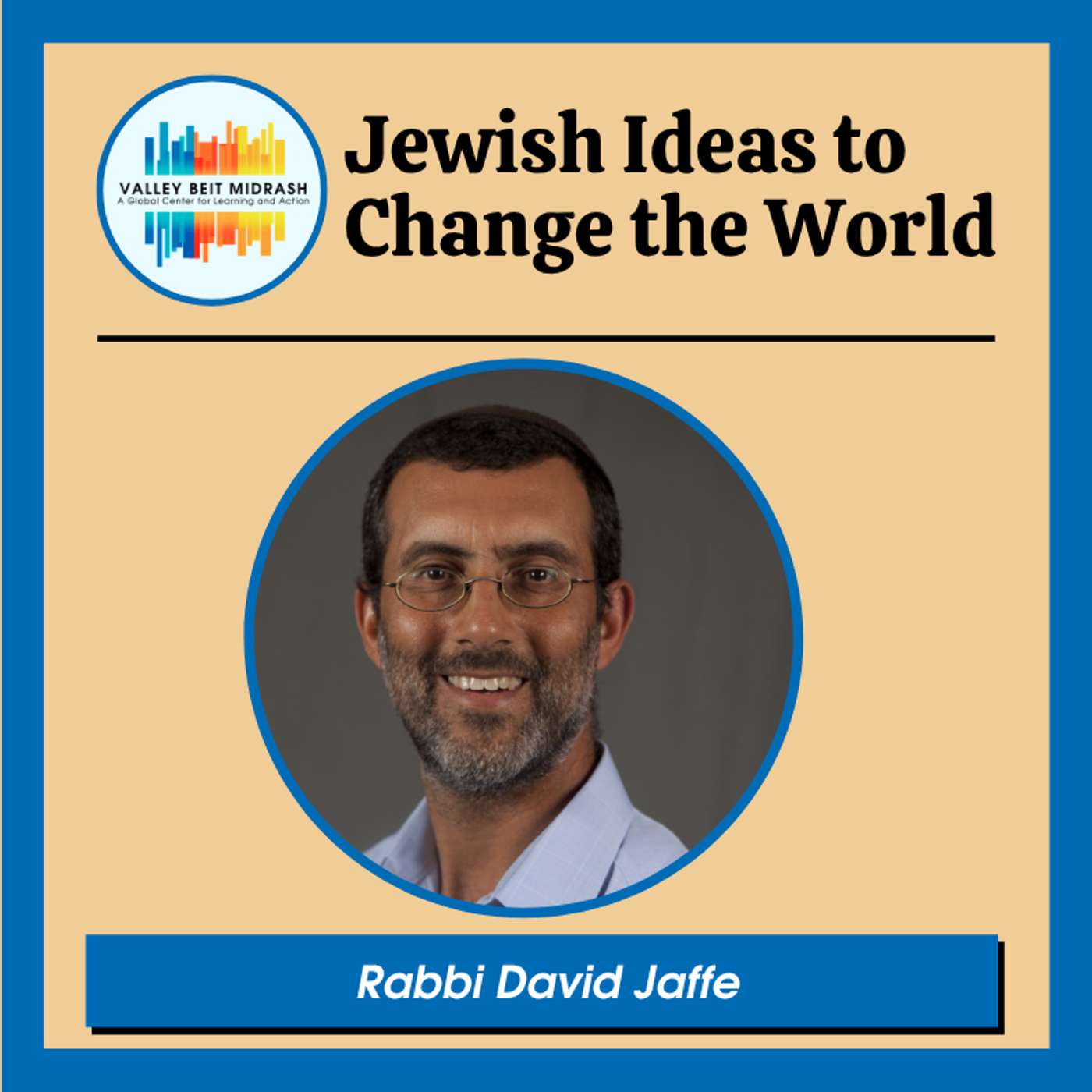
    A virtual event presentation by Rabbi David Jaffe About The Event: What is at stake in bridging the growing divide in our North American Jewish community between people who feel strongly connected to the project of Jewish self-determination in our ancient homeland, A.K.A “Zionism,” and the growing movement of Diasporism, that decentralizes the role of Jewish statehood in Jewish life. How might we bridge this divide? We turn to the wisdom of Rabbi Avraham Isaac HaCohen Kook for guidance. About The Speaker: Rabbi David Jaffe is the Founder and Executive Director of Kirva, a national education and training organization that integrates Mussar and Chassidic wisdom and practice with the work of social change. He is the author of Changing the World from the Inside Out, winner of the National Jewish Book Award. ★ Support this podcast ★
  • July 27 · 57 min

    Are We Idolaters? Yeshayahu Leibowitz on Jewish Spirituality and Jewish Politics

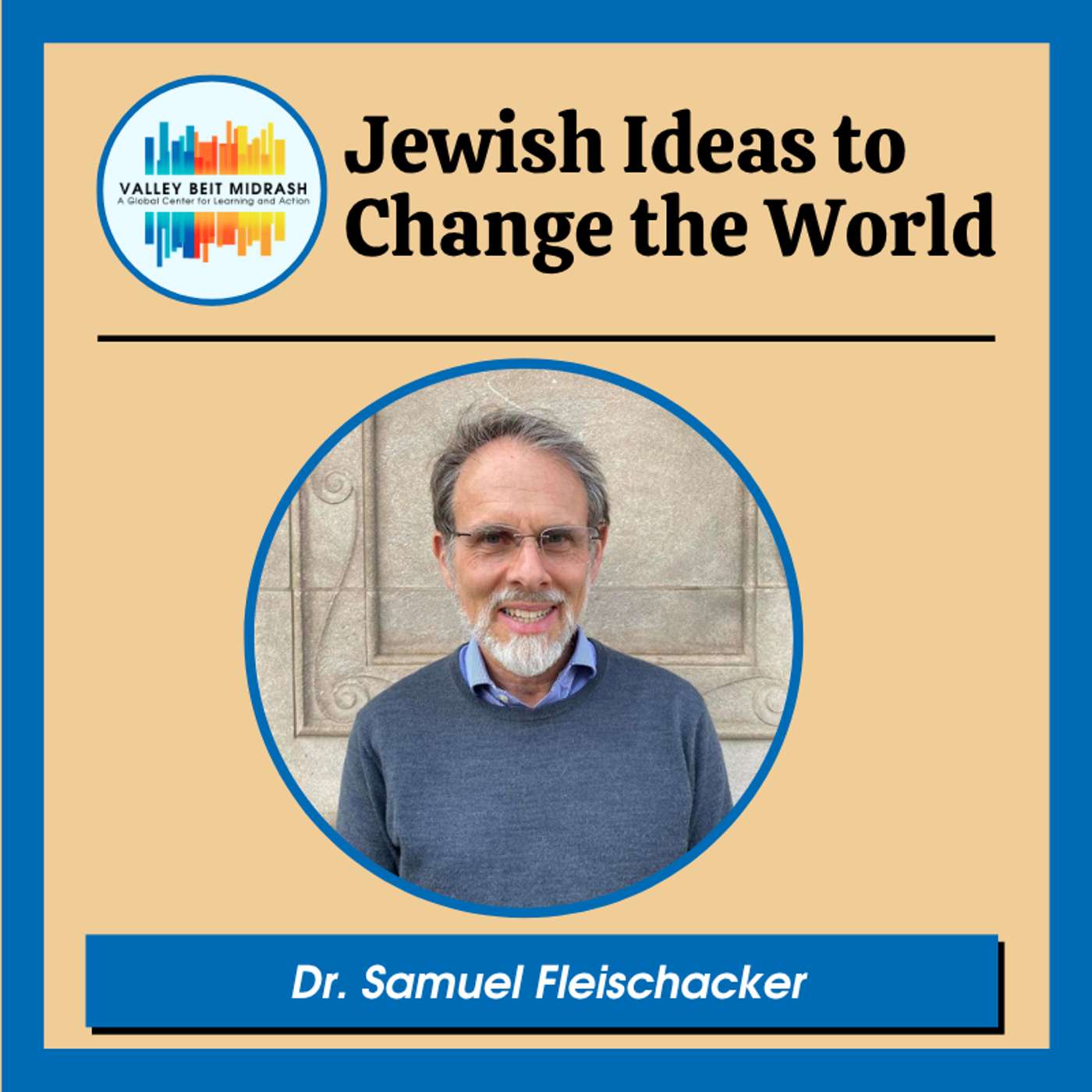
    A virtual event presentation by Dr. Samuel Fleischacker About The Event: We will take a look at some of the religious and political writings of the Israeli chemistry professor, philosopher, Torah-commentator, and gadfly, Yeshayahu Leibowitz. Our focus will be Leibowitz’s conception of idolatry: what idolatry is, for him; how halakha enables us to struggle against it; and the special danger it poses when it shows up as nationalism, including Jewish nationalism. *Source Sheet: https://docs.google.com/document/d/1eudqANyu31t1dbbaeIjbCMWDbzgH6dFjhRIzUZUpMJY/edit?usp=sharing About The Speaker: Sam Fleischacker is LAS Distinguished Professor of Philosophy at the University of Illinois in Chicago (UIC). He works on moral and political philosophy and the philosophy of Judaism. His most recent book is From Idolatry to Holiness: A Modern Ethical Framework for Understanding Jewish Law (Cambridge, 2026); previous books include Being Me Being You: Adam Smith and Empathy (University of Chicago, 2019), The Good and the Good Book (Oxford, 2015), and Divine Teaching and the Way of the World (Oxford, 2011). He has also written short pieces for TheTorah.com, including “Hearing God’s Voice” and “Making Sense of Revelation.” ★ Support this podcast ★
  • July 22 · 1 hr

    Nonviolence in a Violent World: Aharon Shmuel Tameres in Conversation With Martin Luther King and James Lawson

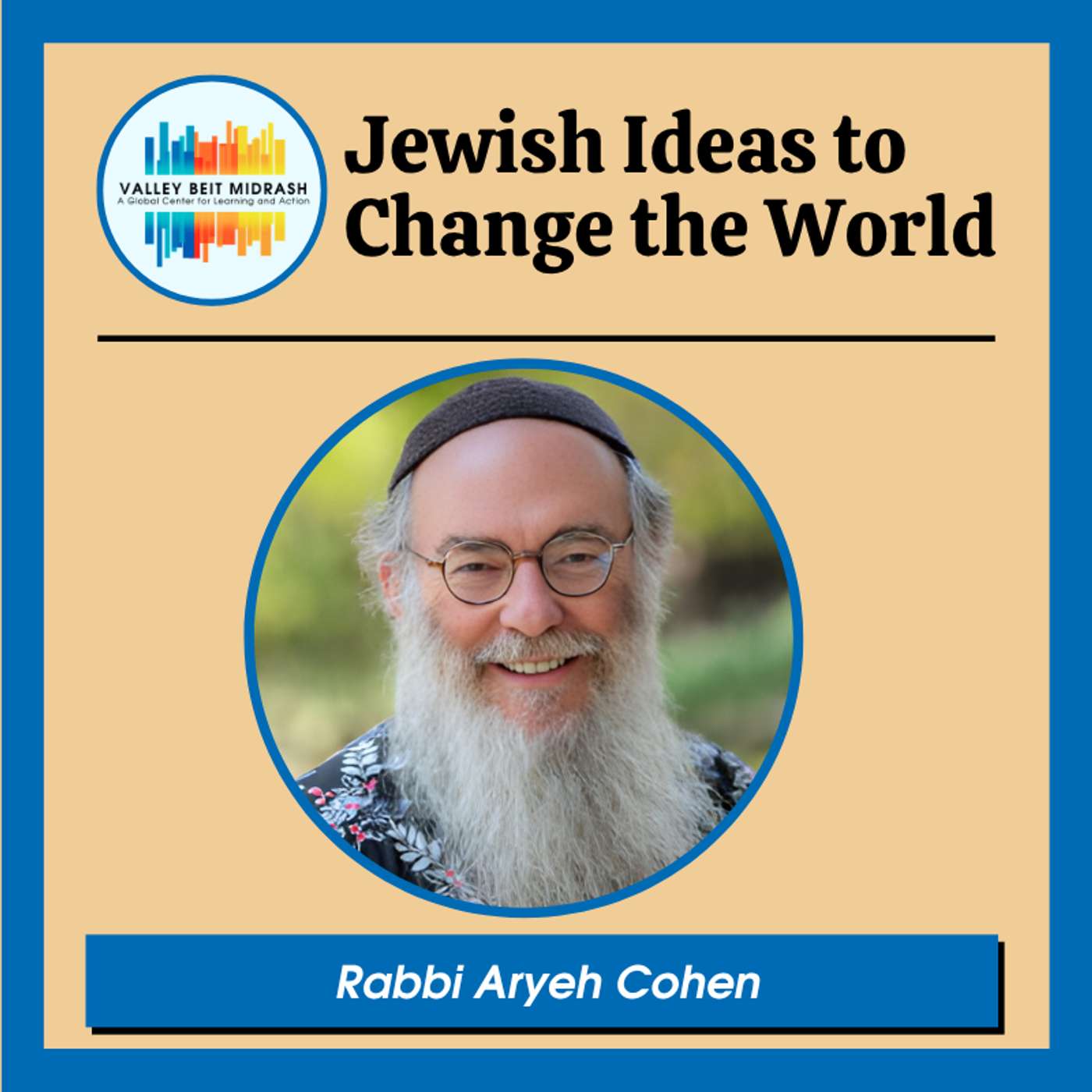
    A virtual event presentation by Rabbi Aryeh Cohen About The Event: Rabbi Aharon Shmuel Tamares is probably the most passionate Jewish voice against nationalism, militarism, and, most of all, war. A prolific writer in the first four decades of the twentieth century, he articulated an opposition to war and violence rooted in a theological vision which saw war as modern idolatry, or in another formulation, war as the service to the idolatry of nationalism. Rev. James Lawson was, according to his friend and colleague Rev. Martin Luther King Jr., the foremost theorist of nonviolence in this hemisphere. Lawson’s understanding of nonviolence was rooted in his understanding of Christianity and the thought of Mahatma Gandhi. He was the driving force—both theologically and philosophically, and practically—of the training and workshops which led to the Nashville and Memphis movements and whose impact was felt throughout the civil rights movement. He understood nonviolence as a way of life that operated on and affected the personal, communal, national, and ultimately international stages. The Rev. Dr. Martin Luther King Jr. needs no introduction. His career, cut short by the politics of assassination, changed the way that Americans viewed political dissent and the possibility for change in this country. Nonviolence was central to his thought and fueled his demand for justice in the United States, and to curb the violence that the United States was inflicting on other countries. The class will deal with the following questions posed to each of our thinkers: 1. What is the difference between not being violent and nonviolence as a way of life? 2. What is the role of suffering in the nonviolent demand for justice? 3. Are there not “good” wars or at least “just” wars? 4. What are the religious roots of nonviolence or anti-militarism/anti-nationalism? How do Tamares, Lawson, and King differ on this question? About The Speaker: Aryeh Cohen is a Rabbi and Professor of Rabbinic Literature at the Ziegler School of Rabbinic Studies, American Jewish University. He serves as Vice-President of the Los Angeles City Ethics Commission and is a co-convener of the Black Jewish Justice Alliance. He is a past president of the Society of Jewish Ethics and served on the inaugural interfaith advisory board of the Los Angeles District Attorney’s office. He is the author of Justice in the City: An Argument from the Sources of Rabbinic Judaism and has published widely in academic and public forums. He is also a poet. ★ Support this podcast ★
  • July 14 · 58 min

    “Lashon Hara in the Information Age” — Speech, Gossip, and Viral Culture

    An event presentation by Rabbi Marc Gitler About The Event: Truth, Media, and Propaganda – A timely look at misinformation, lashon hara, and the ethics of communication—especially in an age of social media and AI. Session 2: “Lashon Hara in the Information Age” — Speech, Gossip, and Viral Culture Building on the first class, this session applies Jewish laws of speech to modern media ecosystems. What happens when gossip becomes algorithmic, and outrage becomes profitable? About The Speaker: Rabbi Marc Gitler serves as Senior Jewish Educator for Valley Beit Midrash and is the visiting Rabbi of Aish SanDiego. A recipient of the Wexner Fellowship, he was ordained at Yeshivat Chovevei Torah. The founder of Fast for Feast, he lives in Denver, Colorado with his wife Sarah and their four children. ★ Support this podcast ★
  • July 13 · 58 min

    Stolen, Saved, or Claimed? The Battle Between Yeshiva University and Dubrovnik’s Jewish Community

    A virtual event presentation by Rabbi Marc Gitler The event was co-sponsored by Kavod Senior Life About The Event: This class will examine the history of sacred Jewish ritual objects sent from Dubrovnik, Croatia, to Yeshiva University for safekeeping during a time of danger, and the story of what happened to them afterward. We will explore questions of ownership, preservation, and responsibility, and consider what it means to safeguard religious treasures. About The Speaker: Rabbi Marc Gitler serves as Senior Jewish Educator for Valley Beit Midrash and is the visiting Rabbi of Aish SanDiego. A recipient of the Wexner Fellowship, he was ordained at Yeshivat Chovevei Torah. The founder of Fast for Feast lives in Denver, Colorado, with his wife Sarah and their four children. ★ Support this podcast ★

  • July 9 · 55 min

    “What Is Truth?” — Torah, Narrative, and the Power of Framing

    An event presentation by Rabbi Marc Gitler About The Event: This is the first session in a four-part series. Participants may register for one, multiple, or all four sessions – attendance at every session is not required. Each session relates to the main theme but will stand on its own, allowing participants to join at any point in the series. All sessions will also be recorded and made available to those who would like to catch up on any content they miss or revisit the material later. Truth, Media, and Propaganda – A timely look at misinformation, lashon hara, and the ethics of communication—especially in an age of social media and AI. Session 1: “What Is Truth?” — Torah, Narrative, and the Power of Framing An opening exploration of how truth is constructed, presented, and sometimes distorted. The class would examine biblical and rabbinic cases where facts, interpretation, and perspective blur together. *Source Sheet: https://docs.google.com/document/d/1JNPbR8_vGmhuxcy7MET6B9KvRy3hMAg0/edit?usp=sharing&ouid=118303465191084699356&rtpof=true&sd=true About The Speaker: Rabbi Marc Gitler serves as Senior Jewish Educator for Valley Beit Midrash and is the visiting Rabbi of Aish SanDiego. A recipient of the Wexner Fellowship, he was ordained at Yeshivat Chovevei Torah. The founder of Fast for Feast, he lives in Denver, Colorado with his wife Sarah and their four children. ★ Support this podcast ★

  • July 6 · 1 hr 1 min

    Righteous Idolaters? A History of Christianity Through Jewish Eyes

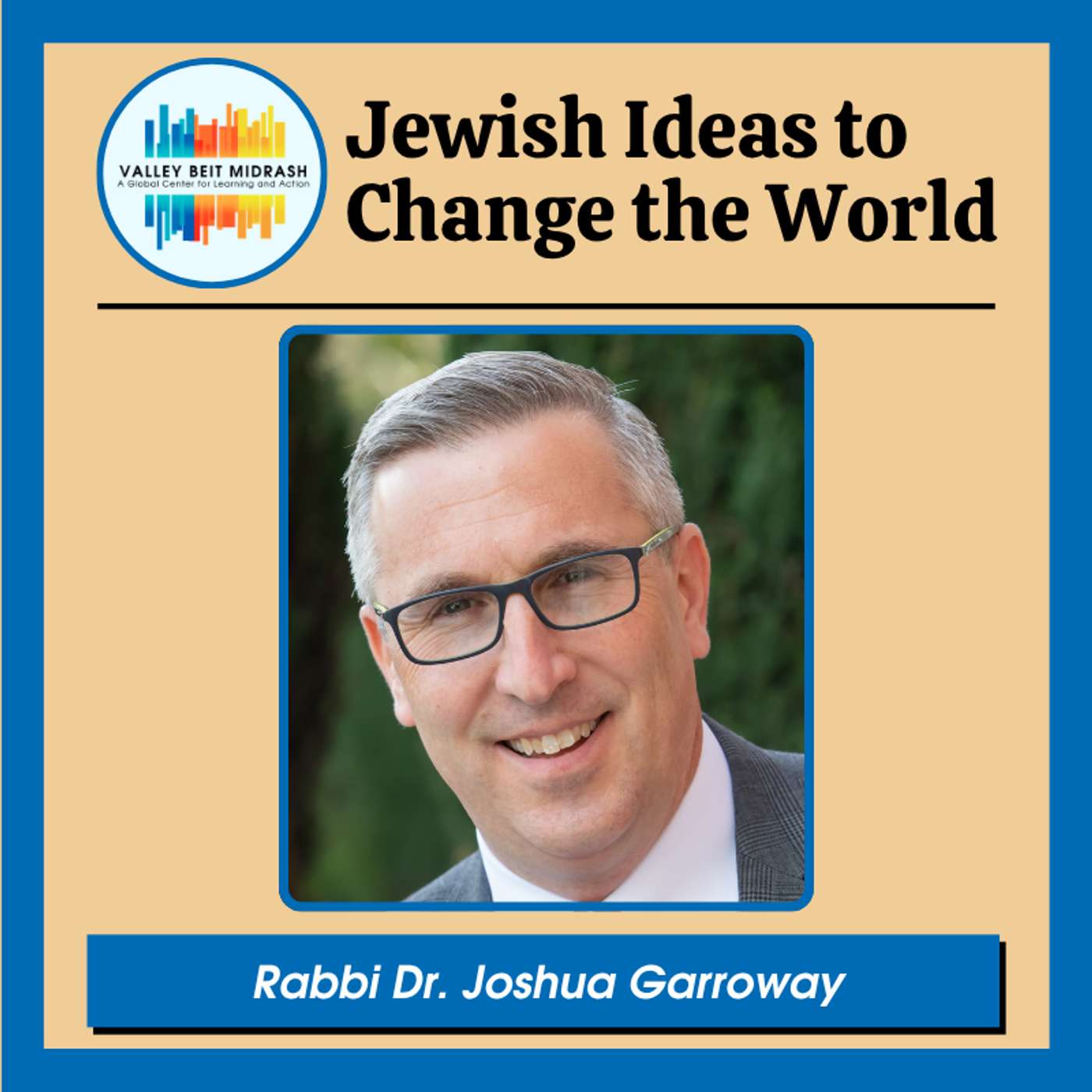
    A virtual event presentation by Rabbi Dr. Joshua Garroway About The Event: Jews have viewed Christians alternately as friends and as enemies, as partners in salvation and as pitiable idolaters. Why such contrasts? Learn how Jewish perspectives on Christianity have developed from ancient to medieval to modern times. Hopefully, you’ll come away with some combination of amused, disgusted, and inspired! About The Speaker: Rabbi Joshua Garroway is the Sol and Arlene Bronstein Professor of Judaeo-Christian Studies at the Hebrew Union College – Jewish Institute of Religion in Los Angeles. Raised in Rochester, New York, Rabbi Garroway earned a BA in Religion from Duke University in 1998, rabbinical ordination from the Hebrew Union College – Jewish Institute of Religion in 2003, and a PhD in New Testament Studies from the Religious Studies department of Yale University in 2008. While his academic books and articles focus on the origins of Christianity, and specifically the life and writings of Paul, his teaching and popular writing deal with Jewish texts and history more broadly. Professor Garroway lectures widely in synagogues, churches, and other public venues. He is also engaged in several interfaith ventures, including the Los Angeles area InterSem program and the Jewish-LDS Academic Dialogue. Rabbi Garroway currently lives in Pasadena, California, with his wife, Professor Kristine Henriksen Garroway, and their three teenage boys. For fun, he enjoys chess, tennis, opera, period pieces, and taking his kids to Dodgers games. ★ Support this podcast ★

  • July 2 · 45 min

    Rebecca: Between Speech and Silence

    A virtual event presentation by Rabbi Marc Gitler The event was co-sponsored by Shalom Park About The Event: Rebecca is one of the most active and decisive figures in the Torah — yet her voice is often heard only in fragments. In this class, we will explore the tension between speech and silence in Rebecca’s story: when she speaks boldly, when she remains silent, and what those moments reveal about power, prophecy, family, and identity. From her first appearance at the well to the dramatic struggle over Isaac’s blessing, we will examine how Rebecca navigates a world in which influence is not always exercised openly. Together, we’ll uncover the hidden depth and complexity of one of the Bible’s most misunderstood matriarchs. About The Speaker: Rabbi Marc Gitler serves as Senior Jewish Educator for Valley Beit Midrash and is the visiting Rabbi of Aish SanDiego. A recipient of the Wexner Fellowship, he was ordained at Yeshivat Chovevei Torah. The founder of Fast for Feast, he lives in Denver, Colorado, with his wife Sarah and their four children. ★ Support this podcast ★

  • July 1 · 1 hr 2 min

    Why Should Jews Care About Christianity, and Why Should Christians Care About Judaism?

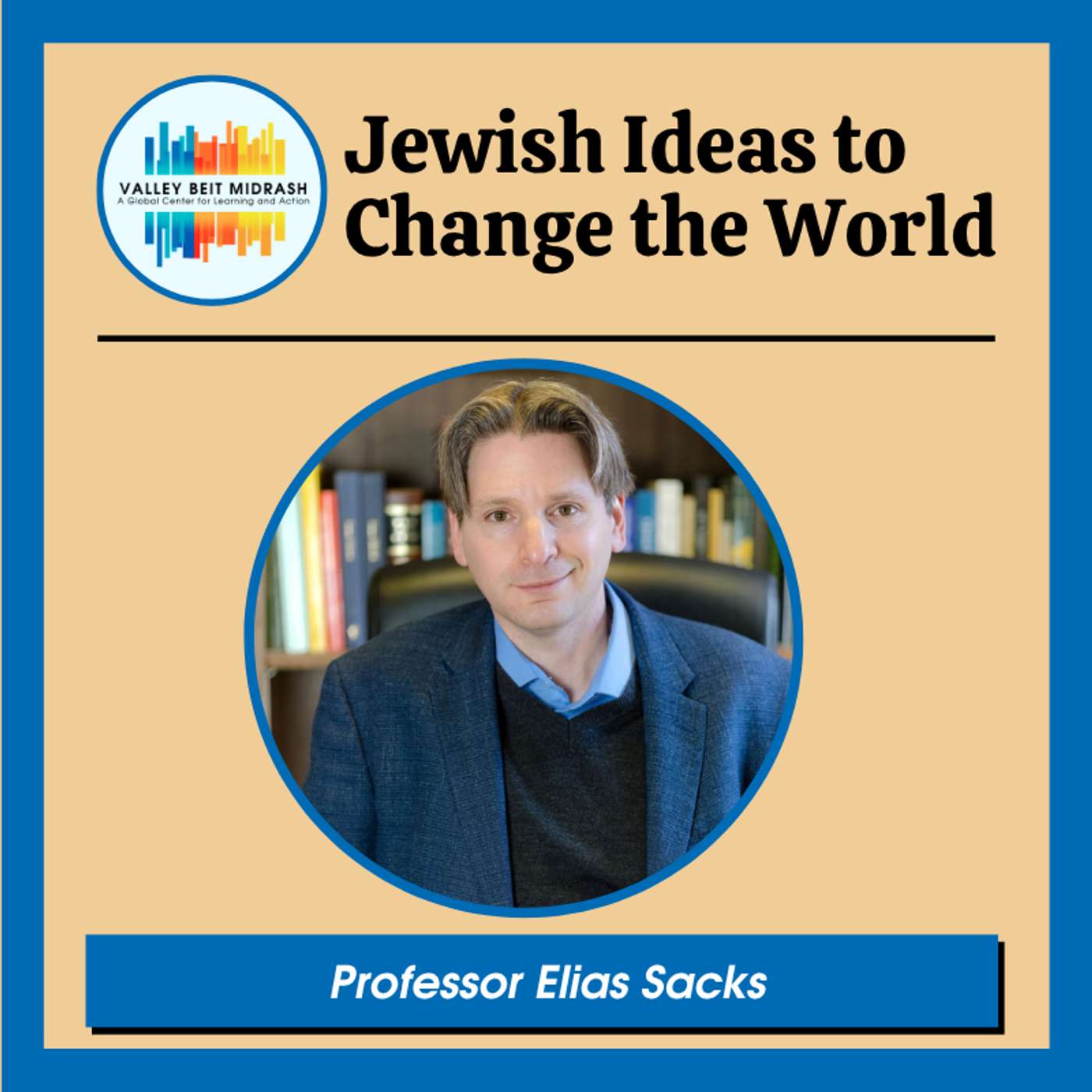
    A virtual event presentation by Professor Elias Sacks About The Event: What can Jews learn from Christianity, and what can Christians learn from Judaism? What might we gain from interreligious dialogue, and what challenges can such conversations pose? To what extent does a commitment to Judaism or Christianity benefit from—or perhaps even require—learning about the other tradition, and what sorts of risks might arise from these encounters? We will explore diverse answers to these questions, examining the changing ways in which Judaism and Christianity have interacted, and wrestling with sources from the Hebrew Bible and the New Testament to works of post-Holocaust theology. About The Speaker: Elias Sacks is Associate Professor of Religious Studies and Jewish Studies at the University of Colorado Boulder, where he studies Jewish thought, philosophy of religion, Jewish-Christian relations, religious ethics, and religion and politics. He is the author of Moses Mendelssohn’s Living Script: Philosophy, Practice, History, Judaism (2017), as well as articles on medieval and modern thinkers, including Mendelssohn, Moses Maimonides, Baruch Spinoza, Nachman Krochmal, Hermann Cohen, Franz Rosenzweig, and Jacob Taubes. Previously, Sacks served as Director of The Jewish Publication Society. ★ Support this podcast ★

  • June 15 · 12 min

    The Jewish Community of Japan: An Interview in Tokyo with Rabbi Scheer

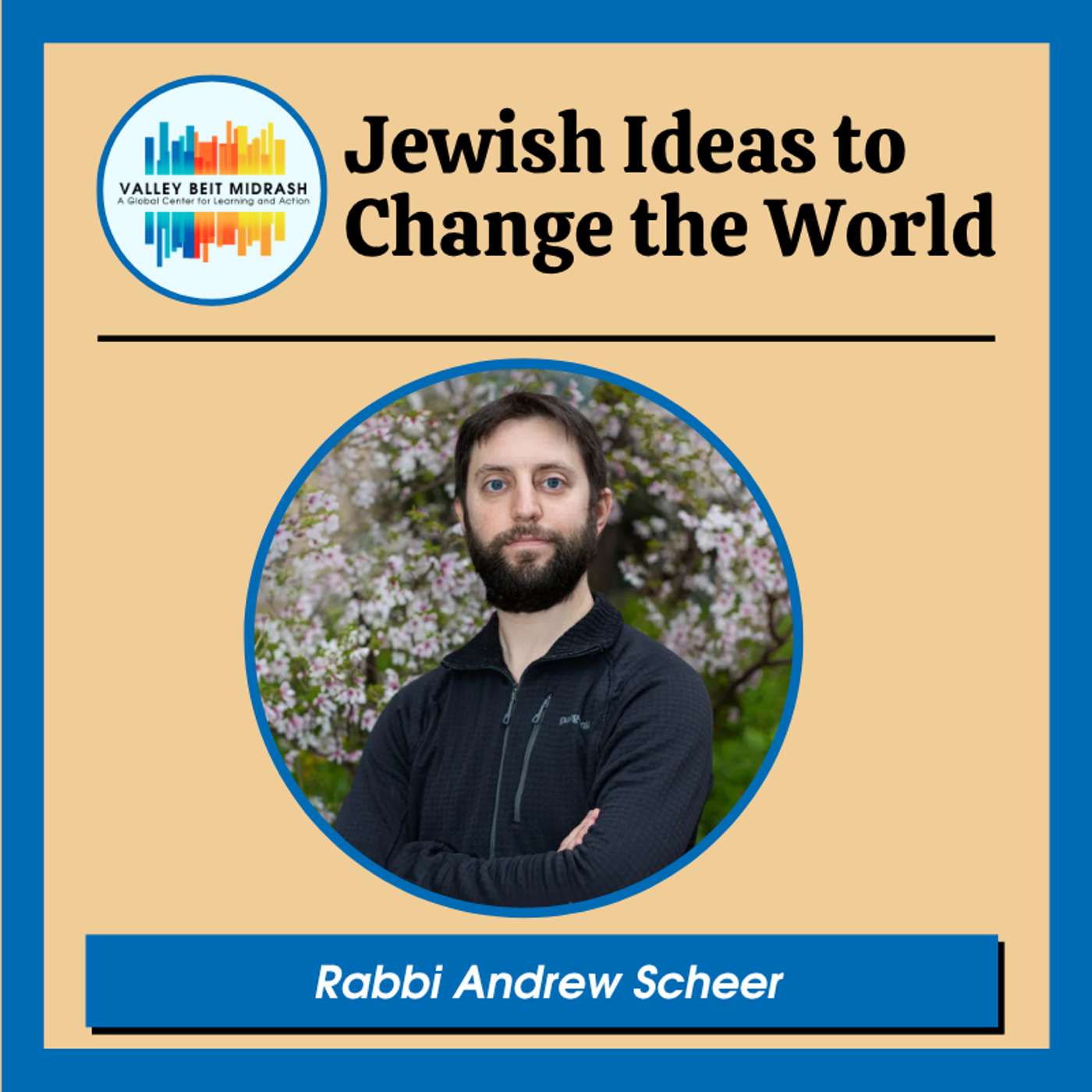
    Rabbi Shmuly Yanklowitz sits down with the Rabbi of the Jewish Community of Japan, Rabbi Scheer. Rabbi Andrew Scheer was born and raised in Woodmere, New York. He studied at Yeshivat Sha’arei Mevaseret Zion and earned his BA in Jewish History from New York University. Between college and seminary, Andrew taught English in the Japanese countryside and Sunday School at the Jewish Community of Japan. While studying at YCT, Andrew was a Wexner Graduate Fellow. He had the privilege of serving as Rabbinic Intern at Congregation Sherith Israel in Nashville, Tennessee, and Congregation Orach Chaim on Manhattan’s Upper East Side. Andrew served in the United States Army Reserve for five years, during which he was assigned to the United States Military Academy at West Point. Following ordination, Andrew worked on Rikers Island as a Jewish Chaplain with the New York City Department of Correction. Andrew completed four units of Clinical Pastoral Education at VA New York Harbor Healthcare System, after which he assumed the role of Senior Rabbi for the hospital. Andrew is married to his lovely wife, Tali, who originally hails from Denver, Colorado, and works as a software engineer. *Bio from: https://jccjapan.jp/about-our-rabbi/ ★ Support this podcast ★

  • June 12 · 55 min

    Who’s the Anomaly? American Jews and Israel/Israelis in Contemporary Novels

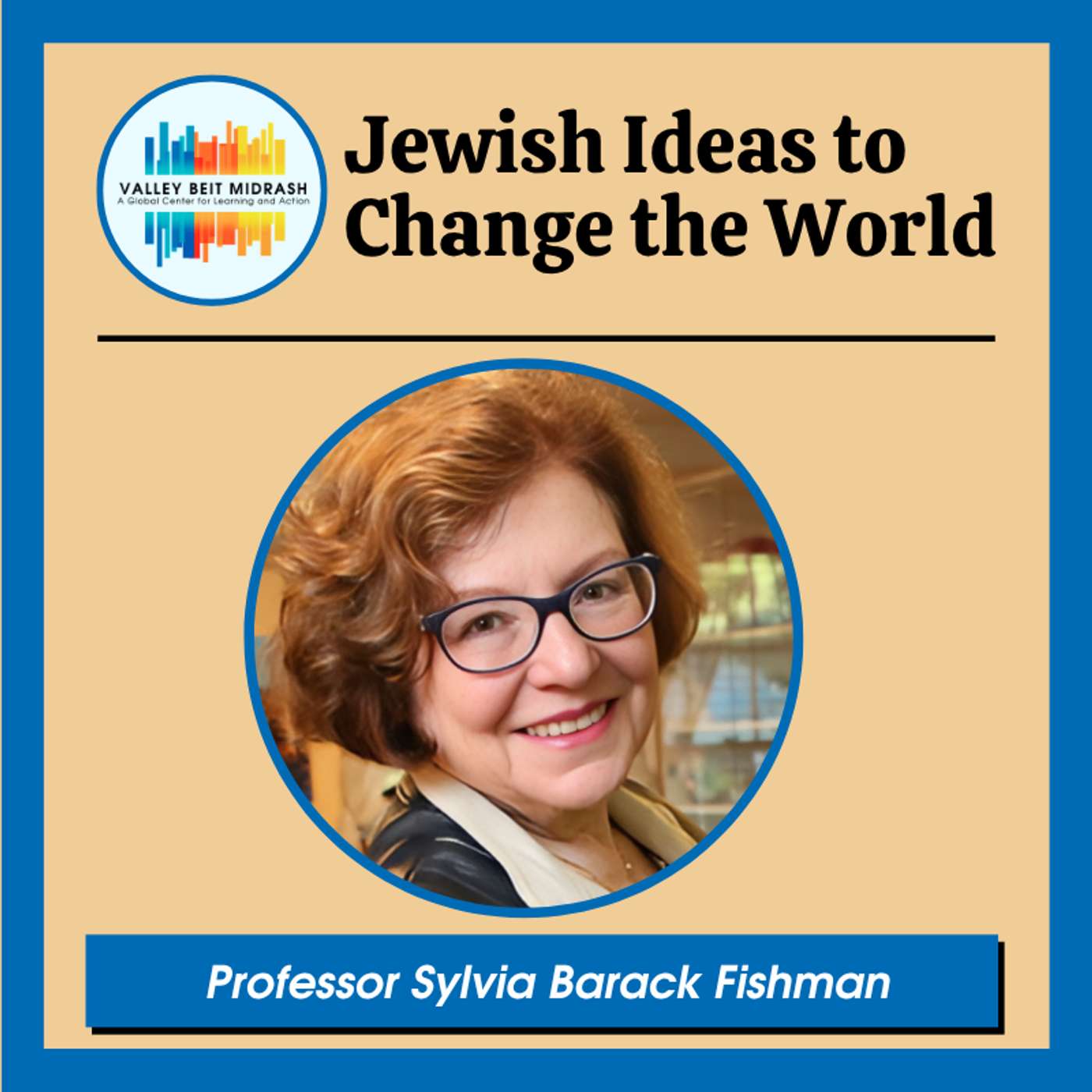
    A virtual event presentation by Professor Sylvia Barack Fishman The event was co-sponsored by Congregation Or Tzion About The Event: This class will draw on recent American and Israeli novels that portray what it’s like to be a Jew in each country, as well as changing relationships between Jews in America and Jews in Israel, as Jews in both countries feel threatened by unanticipated challenges. About The Speaker: Sylvia Barack Fishman, Ph.D., is the Joseph and Esther Foster Professor of Judaic Studies, Emerita, in the Near Eastern and Judaic Studies Dept at Brandeis University, and was the Founding Co-Director of the Hadassah Brandeis Institute. She is the author of eight books and numerous articles and book chapters on contemporary Jewish life and culture, and received the Marshall Sklare award from the Association for the Social Scientific Study of Jewry. Prof. Fishman served on the JOFA Board for many years and continues her active involvement. ★ Support this podcast ★

  • June 2 · 52 min

    Building Intentional Spiritual Communities

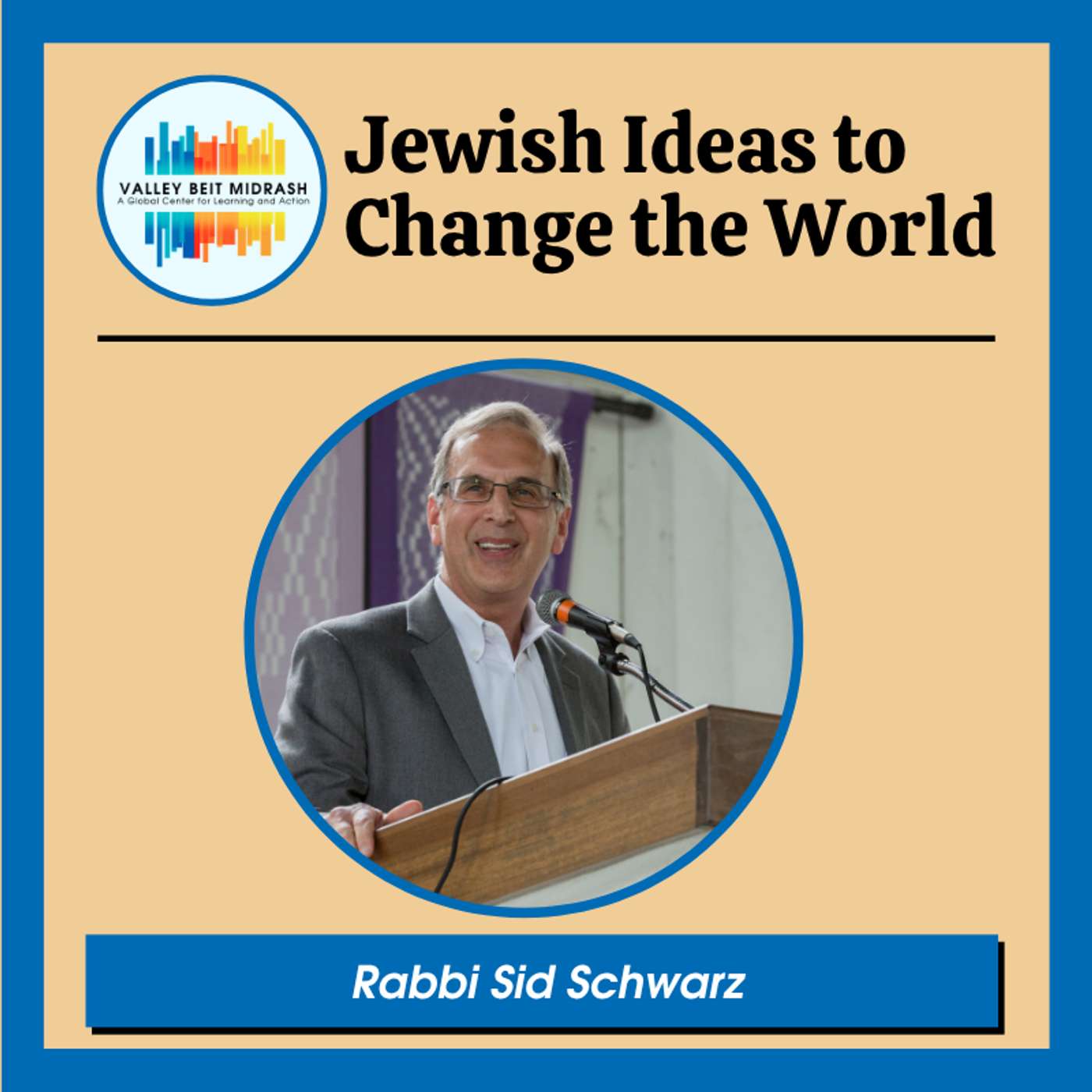
    A virtual event presentation by Rabbi Sid Schwarz About The Event: America is suffering from a spiritual “deficit”. It has been made worse by social media, ideological polarization, and an erosion of key parts of the American ethos. Rabbi Sid has been at the forefront of the synagogue transformation movement ever since the publication of his groundbreaking book, Finding a Spiritual Home: How a New Generation of Jews Can Transform the American Synagogue (2000). This talk will offer a formula for turning synagogues into “covenantal communities” that can be transformational for individuals and for society. About The Speaker: Rabbi Sid Schwarz is a social entrepreneur, author, and teacher. He is currently a Senior Fellow at Adamah: People, Planet, Purpose (formerly, Hazon). Rabbi Sid directs the Clergy Leadership Incubator (CLI), a program that trains rabbis to be visionary spiritual leaders. He also created and directs the Kenissa: Communities of Meaning Network, which is identifying, convening, and building the capacity of emerging spiritual communities across the country. Rabbi Sid founded and led PANIM: The Institute for Jewish Leadership and Values for 21 years. Its work centered on integrating Jewish learning, Jewish values, and social responsibility. He is also the founding rabbi of Adat Shalom Reconstructionist Congregation in Bethesda, MD, where he continues to teach and lead services. Sid was awarded the prestigious Covenant Award for his pioneering work in the field of Jewish education and was named by Newsweek as one of the 50 most influential rabbis in North America. Sid’s most recent book is Jewish Megatrends: Charting the Course of the American Jewish Future (Jewish Lights, 2013). His book, Finding a Spiritual Home: How a New Generation of Jews Can Transform the American Synagogue (2000), is one of the seminal works in the field of synagogue transformation. ★ Support this podcast ★

  • May 28 · 54 min

    Cain’s Children: Mysticism and Monstrosity in the Jewish Tradition

    A virtual event presentation by David Shyovitz About The Event: Classical Jewish texts are chock-full of demons, monsters, incantations, and other occult and fantastical contents. But these elements are often treated dismissively or deemed embarrassing or “superstitious” — when they are even acknowledged at all. In this session, we will analyze a cryptic series of texts about the monstrous “Children of Cain” and explore the profound spiritual lessons Jewish authors have drawn from them — lessons that remain relevant today. About The Speaker: David Shyovitz is Associate Professor of Jewish History at Northwestern University and Director of NU’s Crown Family Center for Jewish and Israel Studies. He is the author of the award-winning A Remembrance of His Wonders: Nature and the Supernatural in Medieval Ashkenaz. ★ Support this podcast ★

  • May 15 · 56 min

    Primacies: Experience, Expression, and the Jewish Imagination

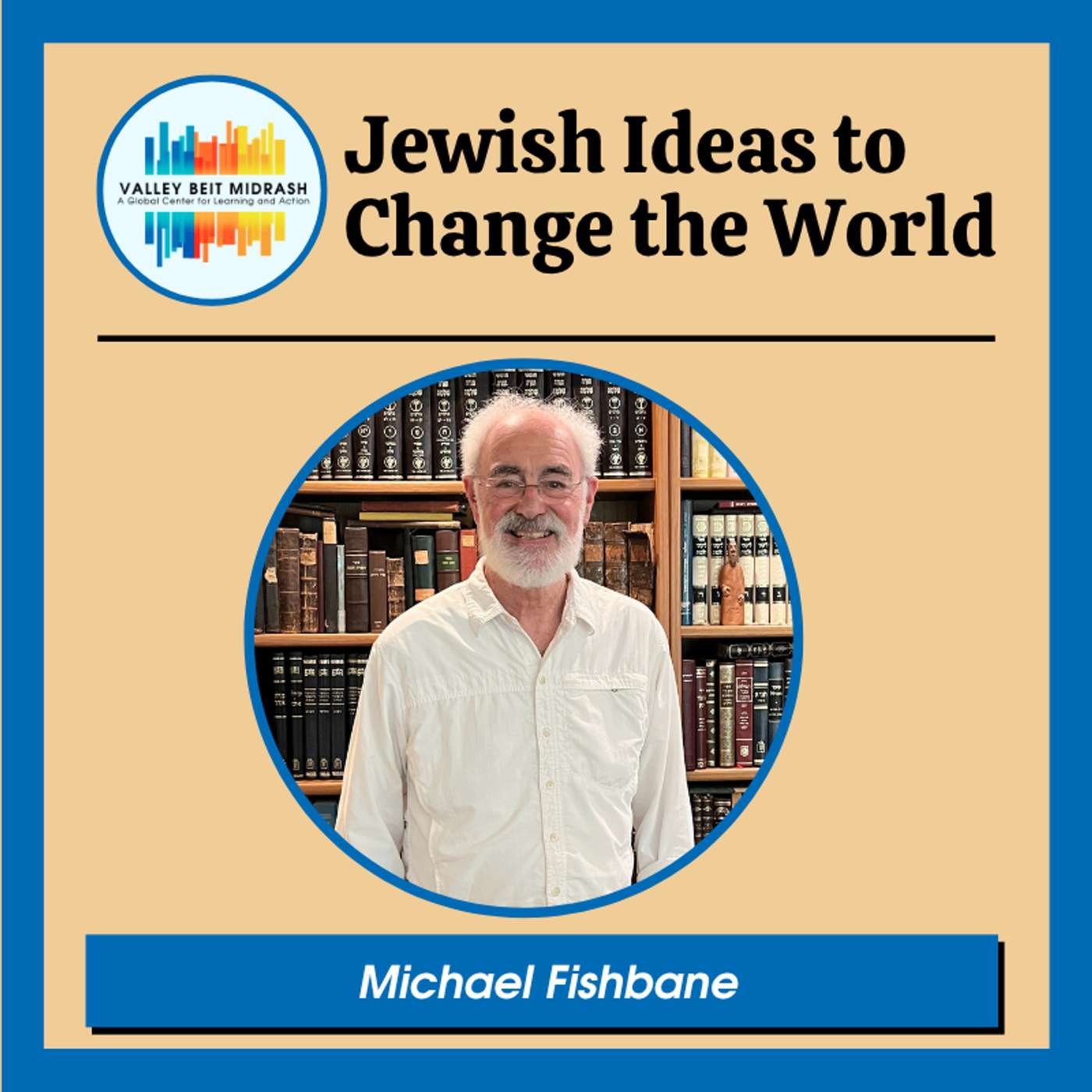
    A virtual event presentation by Michael Fishbane About The Event: Primacies begins with the assertion that our earliest preverbal experiences are accompanied by a primary language—tears, cries, and laughter—offered long before we learn our ordinary languages. In this virtual book talk, Michael Fishbane explores how ancient, medieval, and modern literature and poetry express and transform these primal sensations into powerful articulations of sorrow, joy, and fulfillment. Building on his theological work in Sacred Attunement and Fragile Finitude, Fishbane presents a radically new lived hermeneutics that reimagines the relationship between experience and language. About The Speaker: Dr. Michael Fishbane is the Nathan Cummings Distinguished Service Professor of Jewish Studies, emeritus, at the University of Chicago. The author of numerous books on the Hebrew Bible and Jewish Thought, his writings cover the entire span of Jewish thought and theology, from antiquity to the present. Among his major interests is the history of Jewish Bible interpretation and Jewish theology over the centuries. Chief among these publications is his book: Biblical Interpretation in Ancient Israel (Oxford University Press, 1985), Biblical Myth and Rabbinic Mythmaking (Oxford University Press, 2003); and Piyyut: Midrashic Epic and the Poetics of Tradition (Oxford University Press, 2026). Fishbane has also written many works for the Jewish community and the public at large. Among these is his Song of Songs: A Commentary (Jewish Publication Society, 2015). Fishbane has also written books in the area of contemporary Jewish theology. These include Sacred Attunement. A Jewish Theology (University of Chicago Press, 2008); Fragile Finitude: A Jewish Hermeneutical Theology (University of Chicago Press, 2021); and Primacies: Experience, Expression, and the Jewish Religious Imagination (University of Chicago Press, 2024). Among many awards, he has received a Guggenheim Fellowship and a Lifetime Achievement Award from the National Foundation of Jewish Culture. Michael Fishbane is a fellow of the American Academy of Jewish Research and The American Academy of Arts and Sciences. ★ Support this podcast ★

  • May 14 · 1 hr 5 min

    Pre-Shavout Class Series: Revelation - Event, Experience, or Ongoing Process

    A hybrid event presentation with Rabbi Marc Gitler and Austin Swafford About The Event: When we study Torah, are we uncovering truths that have always existed—waiting to be discovered like treasures buried in ancient text? Or are we active creators, bringing new meaning into the world through our interpretations and questions? Join Rabbi Marc Gitler and Dr. Austin Swafford for a dynamic Beit Midrash-style lecture exploring this fundamental tension in Jewish learning. Through collaborative text study and guided discussion, we'll examine classical and contemporary Jewish sources that grapple with the nature of Torah study itself. Is meaning inherent in the words on the page, or does it emerge from the community gathered around them? What does our answer mean for how we approach tradition, authority, and our own role as learners? This is not a lecture—it's a conversation. Bring your questions, your insights, and your curiosity as we learn together in the spirit of Shavuot, the festival celebrating the giving of Torah and our ongoing relationship with sacred text. About The Speakers: Marc Gitler is the visiting Rabbi of Aish SanDiego. A recipient of the Wexner Fellowship, he was ordained at Yeshivat Chovevei Torah. The founder of Fast for Feast, he lives in Denver, Colorado, with his wife, Sarah, and their four children. Dr. Austin Swafford is a Denver-based scientist and Jewish educator who leads weekly study groups at Congregation Rodef Shalom exploring Jewish texts, ethics, and contemporary life. He cares deeply about strengthening communities through serious learning, thoughtful dialogue, and justice-oriented engagement. ★ Support this podcast ★

  • May 11 · 45 min

    Striving to Be Human

    A virtual event presentation by Rabbi Leah Cohen Tenenbaum and Rabbi Douglas Kohn About The Event: In his clarion call for ethical behavior, Rabbi Hillel tells us, “In a place where there is no humanity, strive to be human.” But what exactly does it mean to be human, especially in an age of rapid transformation? Striving to Be Human: Jewish Perspectives on Twenty-First-Century Challenges confronts this question with boldness, hope, and a foundation of Jewish wisdom. The volume begins with “Challenges from Within Us,” addressing such topics as moral justice, belonging, queer theology, and good and evil. In part two, “Challenges from Beyond Us,” the authors delve into artificial intelligence, robotics, reproductive technologies, and the animal-human relationship. The result is a profound conversation about Jewish values and human dignity in our evolving landscape. About The Speakers: Rabbi Leah Cohen Tenenbaum, DMin, BCC-PCHAC (HUC-JIR 2000), serves as the inpatient palliative care chaplain and as a member of the Ethics Committee at Yale New Haven Hospital. She is a faculty member of FASPE (Fellowships at Auschwitz for the Study of Professional Ethics) and has served on the CCAR Board of Trustees, the CCAR National Ethics Taskforce, and currently the CCAR Press Council. She has written chapters for The Sacred Struggle: Jewish Responses to Trauma (CCAR Press, 2025) and Fragile Dialogue: New Voices of Liberal Zionism (CCAR Press, 2018) and is the coeditor with Rabbi Douglas Kohn of Striving to Be Human: Jewish Perspectives on Twenty-First-Century Challenges. She frequently teaches and presents on spirituality, serious illness, and medical ethics. Rabbi Douglas Kohn serves Temple Beth Jacob in Newburgh, New York, having previously served congregations in Buffalo, Baltimore, Chicago, and Southern California, and is happily busy in all aspects of congregational and community endeavors. In addition to coediting Striving to Be Human with Rabbi Leah Cohen Tenenbaum, he is the editor of two other volumes, Life, Faith, and Cancer: Jewish Journeys Through Diagnosis, Treatment, and Recovery (URJ Press, 2008) and Broken Fragments: Jewish Experiences of Alzheimer’s Disease Through Diagnosis, Adaptation, and Moving On (URJ Press, 2012), and has written and spoken widely on the themes of illness, medical ethics, and being human. Rabbi Kohn has served on numerous CCAR, URJ, and communal commissions, committees, and boards, while still savoring time to read, write, and paint, as well as exercise, cook, and travel with his wife, Cindy, and their children and grandchildren. ★ Support this podcast ★

  • May 8 · 9 min

    Jewish Comedy Post October 7th, A Conversation with Benji Lovitt

    Rabbi Shmuly Yanklowitz sits down with comedian Benji Lovitt. Comedian Benji Lovitt brings a unique and uplifting presentation that blends humor with insight. In this fun and educational presentation, Benji Lovitt explores how Israelis have always turned to humor during even the darkest times, not to be insensitive, but as a coping mechanism. People often say that Hamas celebrates death and Jews celebrate life, but what does that really mean? Through standup, TV/Youtube videos, social media clips, and more, we’ll discover a perspective that’s both hilarious and therapeutic, a morale boost that gives people “permission to laugh”. ★ Support this podcast ★

  • May 7 · 1 hr 13 min

    Love Is a Verb: Jewish Wisdom for Building Meaningful Relationships

    An event presentation by Moishe Steigmann, The Mindful Rabbi, and Rabbi Noah Chertkoff About The Event: In celebration of Lag Ba’Omer, a day of celebration, music, and weddings, an engaging learning session co-facilitated by Moishe Steigmann – The Mindful Rabbi, and Rabbi Noah Chertkoff, Senior Rabbi of Congregation Shalom. About The Speakers: Moishe Steigmann, The Mindful Rabbi, is the founder and director of Own Your Judaism and is the director of Ohel Ayalah. He seamlessly blends ancient Jewish wisdom with contemporary mindfulness practices. Through his teachings, writings, and workshops, he continues to influence and lead the conversation on mindful living within and beyond the Jewish community. He also speaks, hosts livestream conversations, and offers Jewish Life Coaching and organizational consultation. Born and raised in Milwaukee, Rabbi Steigmann is a proud father of two children, loves sports, is passionate about living gratefully, and enjoys almost all puzzles and games. Rabbi Noah Chertkoff joined Congregation Shalom after three years as the Assistant, then Associate Rabbi of Temple Kol Ami Emanu-El in Plantation Florida. A native of Toronto, Canada, he graduated from York University with a Bachelor of Arts in Religious Studies. He received his Master of Arts in Hebrew Letters and Rabbinic ordination from Hebrew Union College-Jewish Institute of Religion on May 31, 2008 from the Cincinnati campus. Before entering rabbinical school, Rabbi Chertkoff worked at Seeds of Peace International Camp which is dedicated to empowering young leaders from regions of conflict with the leadership skills required to advance reconciliation and coexistence, served as a Special Assistant to a Federal Cabinet Minister in the Canadian Government and worked as the National Social Action Coordinator for the Canadian Council for Reform Judaism. ★ Support this podcast ★