BRIGHT SIDE · October 30 · 9 min
8 Extinct Animals Scientists Are Bringing Back by 2030
0:00-9:11
transcript
show notes
🎙️ 8 Extinct Animals Scientists Are Trying to Bring Back by 2030 — Is Jurassic Park Becoming Reality?
Imagine a world where animals that disappeared thousands of years ago could walk the Earth again. What once seemed like science fiction is now becoming an ambitious field of scientific research. Thanks to advances in ancient DNA, genetic engineering and CRISPR technology, scientists are exploring ways to recreate characteristics of extinct species.
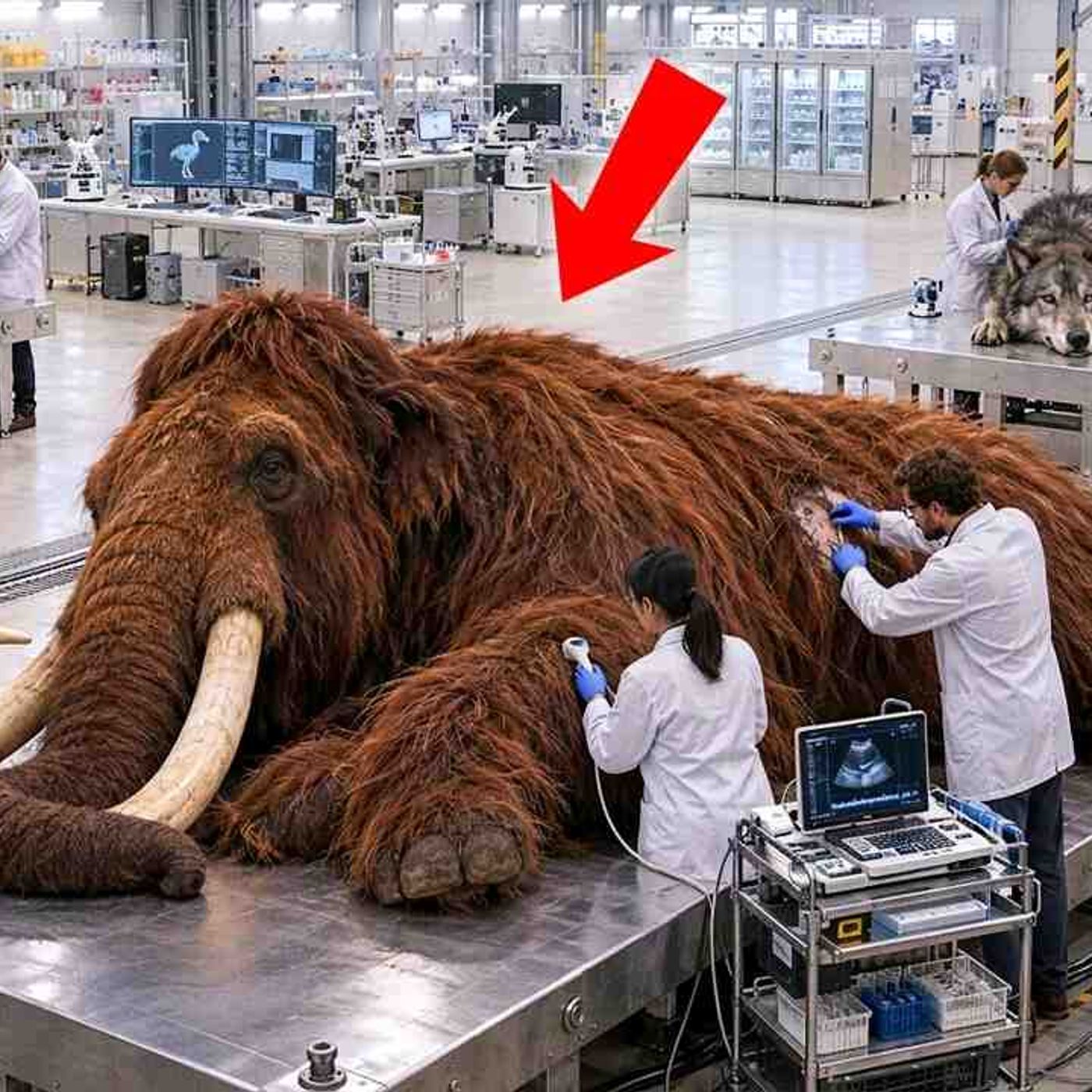
Among the most fascinating projects are the woolly mammoth, the dodo, the Tasmanian tiger, the giant moa, the bluebuck antelope and the terrifying dire wolf. Researchers are also investigating ways to restore other lost species, using their closest living relatives as genetic starting points.
But there is a surprising detail: bringing an extinct animal back does not necessarily mean recreating the original species exactly. In many cases, scientists are genetically modifying living animals to reproduce selected characteristics of their extinct relatives. The controversial dire wolf project, for example, produced genetically modified grey wolves with some dire-wolf-like features.
In this episode, we explore eight extraordinary animals targeted by de-extinction research, the technologies behind these experiments and the challenges scientists must overcome before 2030.
Could mammoths really return to the Arctic? Will the dodo walk through the forests of Mauritius again? And should humanity bring extinct creatures back when their original ecosystems have changed?
🧬 The future of wildlife conservation may be closer than we imagine — but are we ready for the consequences?
Become a supporter of this podcast: https://www.spreaker.com/podcast/bright-side--7310481/support.
links1