Skip to content
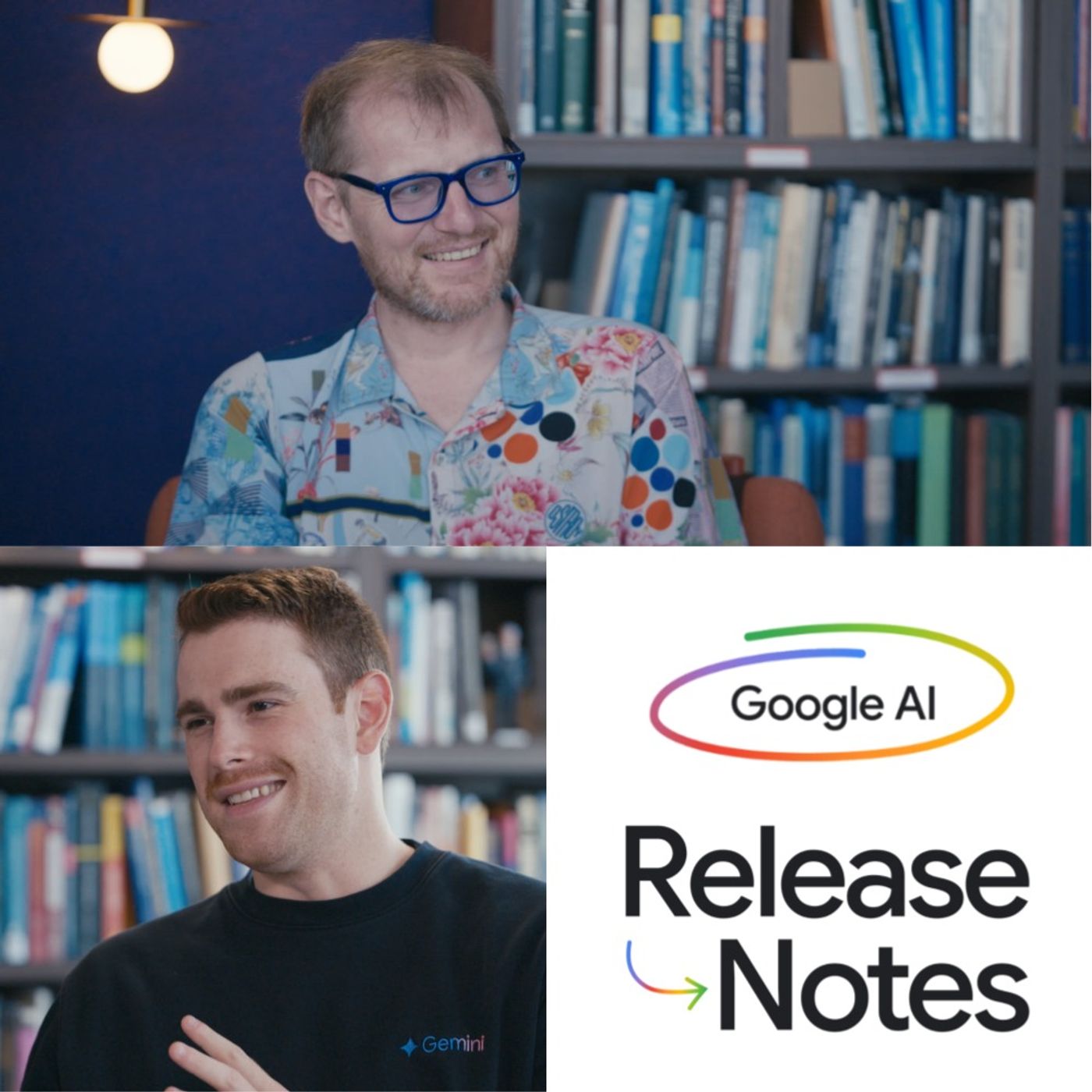
Artwork for Google AI: Release Notes
Google AI: Release Notes · Oct 16, 2025 · 48 min

How a Moonshot Led to Google DeepMind's Veo 3

Dumi Erhan, co-lead of the Veo project at Google DeepMind, joins host Logan Kilpatrick for a deep dive into the evolution of generative video models. They discuss the journey from early research in 2018 to the launch of state-of-the-art Veo 3 model with n Dumi Erhan, co-lead of the Veo project at Google DeepMind, joins host Logan Kilpatrick for a deep dive into the evolution of generative video models. They discuss the journey from early research in 2018 to the launch of state-of-the-art Veo 3 model with native audio generation. Learn about the technical hurdles in evaluating and scaling video models, the challenges of long-duration video coherence and how user feedback is shaping the future of AI-powered video creation. Chapter: 0:00 - Intro 0:47 - Veo project's beginnings 3:02 - Veo's origins in Google Brain 5:07 - Video prediction and robotics applications 7:45 - Early progress and evaluation challenges 10:30 - Physics-based evaluations and their limitations 12:18 - The launch of the original Veo model 14:06 - Scaling challenges for video models 16:02 - The leap from Veo1 to Veo2 19:40 - Veo 3’s viral audio moment 21:17 - User trends shaping Veo's roadmap 23:49 - Image-to-video vs. text-to-video complexity 26:00 - New prompting methods and user control 27:55 - Coherence in long video generation 31:03 - Genie 3 and world models 35:54 - The steerability challenge 41:59 - Capability transfer and image data's role 47:25 - Closing

0:00-48:10

transcript

No transcript — this publisher did not publish one.

show notes

Dumi Erhan, co-lead of the Veo project at Google DeepMind, joins host Logan Kilpatrick for a deep dive into the evolution of generative video models. They discuss the journey from early research in 2018 to the launch of state-of-the-art Veo 3 model with n

Dumi Erhan, co-lead of the Veo project at Google DeepMind, joins host Logan Kilpatrick for a deep dive into the evolution of generative video models. They discuss the journey from early research in 2018 to the launch of state-of-the-art Veo 3 model with native audio generation. Learn about the technical hurdles in evaluating and scaling video models, the challenges of long-duration video coherence and how user feedback is shaping the future of AI-powered video creation.

Chapter: 
0:00 - Intro
0:47 - Veo project's beginnings
3:02 - Veo's origins in Google Brain
5:07 - Video prediction and robotics applications
7:45 - Early progress and evaluation challenges
10:30 - Physics-based evaluations and their limitations
12:18 - The launch of the original Veo model
14:06 - Scaling challenges for video models
16:02 - The leap from Veo1 to Veo2
19:40 - Veo 3’s viral audio moment
21:17 - User trends shaping Veo's roadmap
23:49 - Image-to-video vs. text-to-video complexity
26:00 - New prompting methods and user control
27:55 - Coherence in long video generation
31:03 - Genie 3 and world models
35:54 - The steerability challenge
41:59 - Capability transfer and image data's role
47:25 - Closing