Skip to content
Artwork for Global Indian Times Podcast
News

Global Indian Times Podcast

Global Indian Times

Unique stories about Indians and India

www.globalindiantimes.com
  • 20 episodes
  • Updated July 11

Episodes20

  • July 11 · 18 min

    From the Kerala Model to the Kerala Question

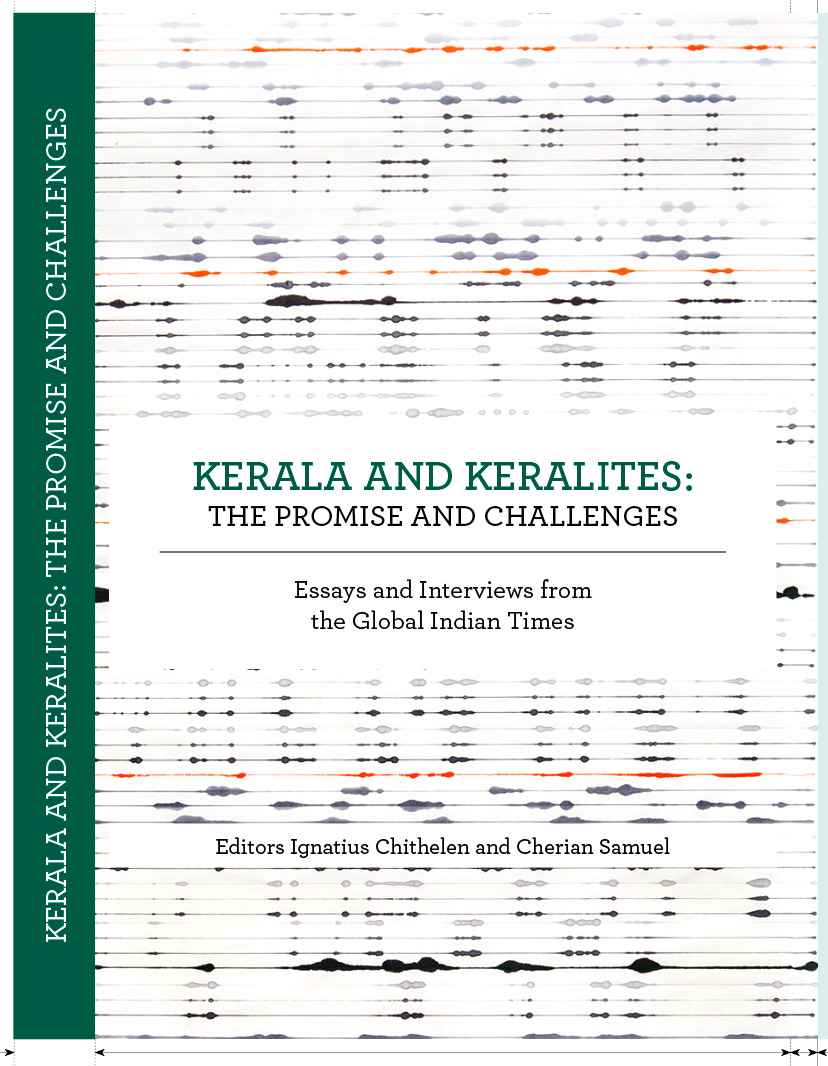
    (Book cover: design by Visaskh Menon, based on his painting series Tremors, archival ink on xuan rice paper, 2018-2021.) By Paul Kattuman July 11, 2026 This podcast is based on Paul Kattuman’s foreword for the book, Kerala and Keralites: The Promise and Challenges, to be published in July 2026. Kattuman is Professor of Economics at Cambridge Judge Business School, University of Cambridge. Extracts from the foreword The central concern of this volume is a conversion problem. Kerala created a capable and aspirational society, but it has not always created the institutions or economic conditions in which those capabilities can be fully used. This is why the same achievement returns in the book as a difficulty: education without enough suitable work, migration without adequate protection for migrants, welfare without an assured fiscal base, and women’s advancement without corresponding power in the economy and public life. Kerala’s achievements were produced by social pressure. Communities, especially those denied status, wanted education because it brought dignity, mobility, employment, and bargaining power. State schooling, social movements, labour politics, and electoral mobilisation helped create a culture in which literacy and health became expectations. Kerala’s achievements in female literacy, health, and education do not by themselves amount to economic power. Women’s autonomy through work is shaped just as much by everyday conditions of freedom, such as safety in movement and a fairer distribution of care within families. The chapters in this volume approach Kerala’s development from different angles, but a common theme runs through them. They ask us to look at Kerala plainly: as a society of real achievements and serious contradictions. The Kerala Question is no longer whether human development matters. It is whether Kerala can turn human development into secure livelihoods, greater autonomy for women, environmental security, and a future that more people can imagine within Kerala itself. Paul Kattuman is Professor of Economics at Cambridge Judge Business School, University of Cambridge, and Director of Studies in Management and Fellow of Corpus Christi College, Cambridge. His research focuses on econometric methods and applied modelling, especially in public health, the space economy, and the Indian economy. During the COVID-19 pandemic, he worked with Andrew Harvey, Professor of Econometrics in the Faculty of Economics at the University of Cambridge, to develop time-series models for tracking and forecasting epidemic trajectories as they evolved over time. This work contributed to operational forecasting in the UK and India, particularly Kerala. He is an Associate Editor of the Harvard Data Science Review and is affiliated with the Centre for India and Global Business and the Space Economy Initiative, both at Cambridge Judge Business School. Paul holds a BA and MA from the University of Calicut, Kerala, and an MPhil and PhD from the University of Cambridge, all in economics. This interview will be part of the book, Kerala and Keralites: The Promise and Challenges. The book is a collection of essays and interviews from the Global Indian Times, edited by Ignatius Chithelen and Cherian Samuel. Bryant Park Publishers. Publication: July 24, 2026. This is a public episode. If you would like to discuss this with other subscribers or get access to bonus episodes, visit www.globalindiantimes.com

  • July 9 · 7 min

    Why did St Thomas College in Kerala Cancel Journalist Vinod Jose’s Speech on Democracy

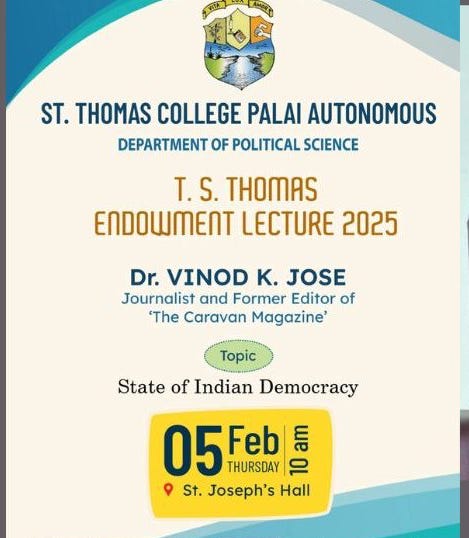
    (Photo: Vinod Jose, courtesy Wayanad Literary Festival.) February 7, 2026 Part of the mission of St. Thomas College is “To empower the students with deep knowledge and awareness of current developments in their chosen subject of study.” Also, given accomplished alumni and past speakers, the college management’s decision to cancel Vinod Jose’s lecture, which was presumably backed by officials of the Catholic Church, will hurt the college’s reputation. This is a public episode. If you would like to discuss this with other subscribers or get access to bonus episodes, visit www.globalindiantimes.com

  • July 4 · 20 min

    Nature offers Keralites a major source of pride, jobs and income

    (Photo: dance, Kerala, courtesy Wikimedia.) By Sunil Mani Sunil Mani is a visiting professor, Centre for Development Studies, and Ahmedabad University, both in India. The views expressed are personal. EXTRACTS Over centuries, Keralites have advanced the use of Ayurvedic and other nature-based remedies to treat back and joint pain, allergies, diabetes, insomnia, stress and other ailments. They grow jackfruits, mangoes, pineapples, cashews, and other fruits. A long tradition of cooking offers toddy-appams, coconut-based fish and meat curries, payasams and halvas. Visitors are entertained with Kathakali, Mohiniyattam, Theyyam, Kalaripayattu, and other dances and cultural attractions. Not surprising then, that, tourism and medical tourism are an important pillar of Kerala’s economy. It is one of the state’s largest employers, generates thousands of small and several big entrepreneurs, contributes significantly to a more balanced economic development across the state, and earns foreign exchange for India. However, Kerala’s tourism industry faces major challenges. They include congested roads, impact of climate-change, and, most important, competition from Sri Lanka, Vietnam, Thailand, and the Maldives. Up until a decade ago, Kerala was far cheaper for foreign tourists. In 2026, the total costs for a ten-day trip, for a British or American couple, to Kerala, Vietnam and Sri Lanka are roughly the same. Travel to Kerala is becoming more expensive due to higher costs, especially of unskilled labor and real estate. Daily wage rates in Kerala are among the highest in India. It is being driven up by a combination of powerful labor unions and a highly educated workforce, which avoids manual labor. Ironically, Kerala, which exports labor to the Persian Gulf countries, imports unskilled labor - around three million - from the poorer regions of Bihar, West Bengal, and other Indian states. Then, demand for homes and other real estate in Kerala keeps rising, from relatively affluent Keralites working outside the state, especially those in the Persian Gulf countries. This has sharply boosted prices of land and construction costs. There is then climate-related risks, though this also applies to competing tropical tourist destinations. In 2019, for instance, the summer and monsoon tourism business, across much of Kerala, was severely hurt by heavy rain, floods, and landslides. There was also a highly publicized outbreak of the Nipah virus and fears of flood-related communicable diseases, particularly leptospirosis (rat fever), dengue fever, influenza, and hepatitis A. Given the challenges, entrepreneurs, officials, and policy makers in Kerala must recognize that the state’s advantages in tourism needs to be nurtured and strengthened, or it can evaporate quickly. There are no compelling reasons for foreign tourists to spend their money in Kerala. Sri Lanka, Vietnam, Thailand, and the Maldives also offer beaches, forests, and birding, good food, and massages, yoga, and other nature-based wellness treatments. The example of the cashew industry in Kerala offers a good lesson. In the mid-1990s, Vietnamese delegations visited Kollam to learn about Kerala’s cashew nut processing operations. By 2006, using automation and favourable government labor and other policies, Vietnam overtook India as the leading exporter of cashew nuts. Meanwhile, Kerala’s cashew agro-industry was unable to cut costs and improve quality, severely damaging the state’s centuries-old dominance in the global supply of the nuts. Unlike Vietnam and Sri Lanka, Kerala offers a rare blend of ancient, proven Ayurveda-based medical services and numerous leisure attractions. Will Kerala’s advantage soon disappear due to complacency and neglect or since it is being copied by rivals? Or, will those in Kerala’s tourism business focus on improving quality and services and lowering costs, thereby continuing to attract more foreign tourists? This essay will be part of the book, Kerala and Keralites: The Promise and Challenges. The book is a collection of essays and interviews from the Global Indian Times, edited by Ignatius Chithelen and Cherian Samuel. Bryant Park Publishers. Publication date July 2026. This is a public episode. If you would like to discuss this with other subscribers or get access to bonus episodes, visit www.globalindiantimes.com

  • June 27 · 12 min

    Monica Sunny’s Chai Box sells organic teas, blended with spices from Kerala, in the United States

    By Ignatius Chithelen June 25, 2026 Selling even premium teas and coffees is intensely competitive, largely a commodity business, with low barriers to entry for new sellers. Costco’s site, for instance, lists more than fifteen premium, organic breakfast teas, including from large brands like Bigelow, Twinings, and Pure Leaf, all stating their teas are made from natural ingredients and are environmentally friendly. So, Sunny faces a major challenge of fine-tuning the quality, quantity, and price of the Chai Box teas to attract new buyers and convert them into long-term customers. A big advantage in selling caffeinated teas and coffees, as Starbucks, Nespresso and Blue Bottle have shown, is that, once buyers like a taste, and are satisfied with the service and price, they will continue to keep buying since the beverages are addictive. Apparently, Sunny’s strategy is to first attract Indians and other South Asians in the US as customers. If Sunny can get even five-percent, of nearly two million South Asian households, to buy Chai Box teas, it could be a lucrative, niche company. “Growing up in an Indian household, I started drinking Chai at the age of two and blending teas at the age of twelve,” Sunny says in a blog post. “For me, Chai is more than just a drink, it is a part of my culture and heritage...an integral part of my family’s daily ritual.” Ignatius Chithelen is the publisher of Global Indian Times and author of Six Degrees of Education and Passage from India to America. A Chartered Financial Analyst, he is manager of Banyan Tree Capital, New York. Neither he nor Banyan has any financial or other interests in any of the companies mentioned in this story. This essay will be part of the book, Kerala and Keralites: The Promise and Challenges. The book is a collection of essays and interviews from the Global Indian Times, edited by Ignatius Chithelen and Cherian Samuel. Bryant Park Publishers. Publication date July 2026. This is a public episode. If you would like to discuss this with other subscribers or get access to bonus episodes, visit www.globalindiantimes.com

  • June 20 · 11 min

    Why Indian Banks Face Big Potential Losses on their Foreign Education Loans

    (Image: courtesy Wikimedia Commons.) Ironically, the reduced work visa and job opportunities in the US and UK for Indians earning foreign degrees is in part due to a sharp increase in their numbers. In 2024, more than 1.3 million Indians were enrolled in foreign universities. This is up twenty-five fold, from about 53,000, in 2000; and up seven-fold, from about 192,000, in 2010. Hence, the intense competition, among college graduates for jobs in India, is also occurring among Indians with degrees in foreign countries. Yet, many Indian students continue to believe that a foreign degree, even a non-STEM one, is the key that will enable them to get a high-paying foreign job. In part, they are influenced by stories about the success of Indians, especially in the US, widely covered by the media in India. Ultimately, the responsibility lies on the parents and the students. They should view borrowing for a foreign degree with a realistic understanding of the risks. A foreign education loan should not be a speculative gamble, like borrowing a large, high interest loan to buy a lottery ticket. This is a public episode. If you would like to discuss this with other subscribers or get access to bonus episodes, visit www.globalindiantimes.com

  • June 15 · 13 min

    PGA Champion Aaron Rai's Father is Sikh, Wife Hindu, Sponsor Muslim and Coach Christian

    (Photo: Gaurika Bishnoi and Aaron Rai at their wedding, 2025. Courtesy Bishnoi Instagram.) March 23, 20264 By Ignatius Chithelen Rai’s PGA Championship win has boosted his popularity in the UK and the larger Indian market. So, he is likely being offered lucrative sponsorship deals by global sports and consumer brand companies. Also, if he chooses, Rai does not have to work hard on improving his golf game. With the PGA Championship win, he can play in the tournament for life. For the next five years, he also automatically qualifies for the other majors, Masters, US Open and The British Open; as well as for the PGA Tour. Will the fame and wealth distract Rai or will he win more tournaments, including majors? In 2020, Rai earned $1.4 million in prize money for winning the Scottish Open. He treated himself to a Mitsubishi Evo car, which then cost roughly $70,000, even though he could easily afford a more expensive, luxurious Rolls Royce or Mercedes Benz. Laughing, he explained his choice to a reporter of The Times, London: The Evos, made on a budget, had no flashy interiors, “they were just pure and focused. Those are the values I believe in.” Gaurika, a Hindu, and Rai married in 2025. In 2018, Gaurika chatted with Rai’s mother during his round at the Hero Indian Open, part of the DP World Tour. It was held at her home club, the DLF Golf Club, near Delhi. Rai’s mother asked her to wait and meet her son, she told Golfweek. After Rai’s PGA Championship win, a follower commented on an Instagram post by Gaurika, “the more he listens to you the better he plays.” Ignatius Chithelen is the publisher of Global Indian Times and author of Six Degrees of Education and Passage from India to America. A Chartered Financial Analyst, he is manager of Banyan Tree Capital, New York. This is a public episode. If you would like to discuss this with other subscribers or get access to bonus episodes, visit www.globalindiantimes.com

  • June 13 · 8 min

    Parabilis, with CEO Mathai Mammen, Pursues New Class of Medicines to Treat Cancer

    (Photo: Mathai Mammen, CEO, Parabilis) June 13, 2026 Parabilis is developing medicines, based on its helicon peptide platforms, to treat both rare and common cancers. Helicons are a type of peptides capable of modulating proteins in a cell, a task which conventional medicines could not accomplish. Peptides are short chains of molecules called amino acids, which make up a protein. “(W)e have advanced a new class of medicines, Helicons, designed to reach targets long considered undruggable and move closer to our goal of creating extraordinary medicines for patients with serious diseases.” Mathai Mammen, Chairman and Chief Executive of the company, based in Cambridge, Massachusetts, posted on LinkedIn. Mammen earned his MD from Harvard Medical School/Massachusetts Institute of Technology and his PhD in Chemistry from Harvard University. He received his BSc in Chemistry and Biochemistry from Dalhousie University in Halifax, Nova Scotia, Canada. His mother Molly Mammen was a technician scientist in a cancer lab at Dalhousie University. “I witnessed both overt and subtle discrimination, bias and powerful perseverance and courage, and success in everything that my mother took on professionally and personally,” Mathai Mammen states in a LinkedIn post. His parents migrated to Canada, from Kerala, India, when he was a toddler. By Ignatius Chithelen. He is the publisher of Global Indian Times and author of Six Degrees of Education and Passage from India to America. A Chartered Financial Analyst, he is manager of Banyan Tree Capital, New York. Neither he nor Banyan has any financial or other interests in any of the companies mentioned in this story. This is a public episode. If you would like to discuss this with other subscribers or get access to bonus episodes, visit www.globalindiantimes.com
  • June 7 · 17 min

    Sunny Varkey’s GEMS Schools in the UAE Face Competition from Taaleem's Harrow and Aldar's Cranleigh in the UAE

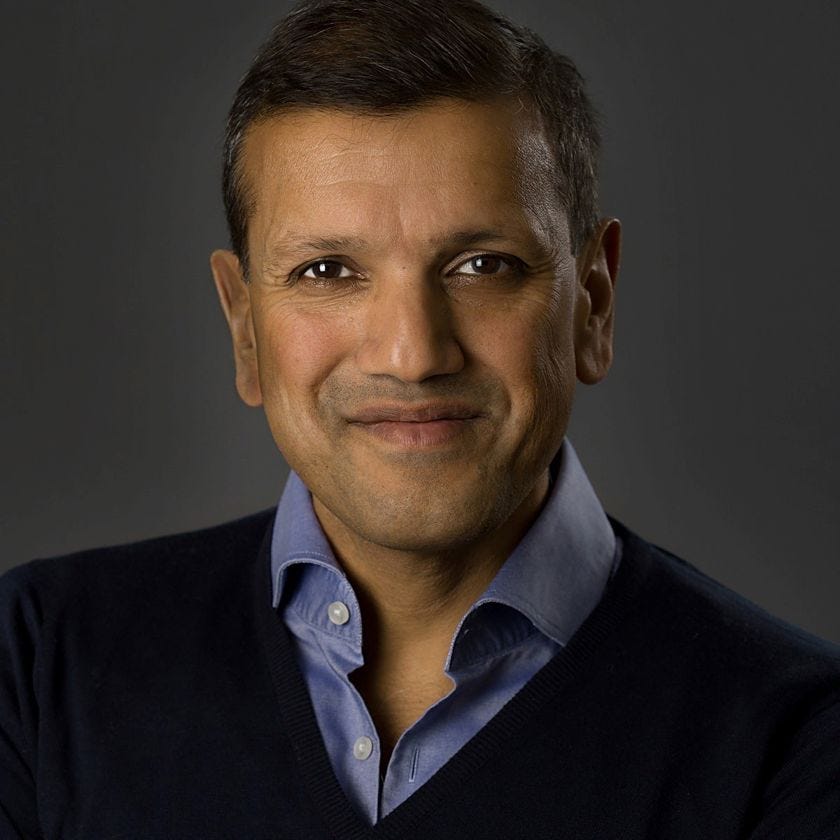
    (Photo: Harrow International School, Dubai. Courtesy Taaleem Holdings) By Ignatius Chithelen June 6, 2026 For decades now, the top students from reputed non-profit and government-run schools have been admitted by the best colleges in the West. Many alumni enroll their children at the top schools they attended, expecting they will then be admitted by a top college. So, they track the number of students from their schools admitted by the top colleges. Since they donate to their college, or know major donors, they lobby college officials to admit the same or larger number of students from their schools. Given such long-established, recruiting of students from the top non-profit and government-run schools, by the top colleges, for-profit schools find it very tough to place their graduates at these colleges. So, typically, college-educated, upper income parents in the West and in India, do not enroll their children in for-profit schools, even those with reputed brand names and modern facilities. Meanwhile, in the Gulf countries, for-profit schools are forecast to see rising demand. Running for-profit schools in those kingdoms is a lucrative business with high profit margins. In fiscal year 2025, for instance, Taaleem had a 15% profit margin; profits were $44 million on revenues of $307 million, which were both roughly double that in fiscal year 2022. Taaleem, which is listed on the Dubai Stock Exchange, has a market value of around $810 million, according to Reuters. It has 4,100 employees. Taaleem pays a licensing fee for its Harrow schools to a subsidiary of the charity which owns Harrow School, UK. The fee is used for a number of charitable aims, including widening access to the Harrow School, UK. There are more than a dozen licensed Harrow schools operating around the World, including ten in China and one in Bangalore, India. Ignatius Chithelen is the publisher of Global Indian Times and author of Six Degrees of Education and Passage from India to America. A Chartered Financial Analyst, he is manager of Banyan Tree Capital, New York. Neither he nor Banyan has any financial or other interests in any of the companies mentioned in this story. This is a public episode. If you would like to discuss this with other subscribers or get access to bonus episodes, visit www.globalindiantimes.com

  • May 30 · 14 min

    Can Shamsheer Vayalil’s Burjeel Become the Leading Healthcare Company in the Middle East

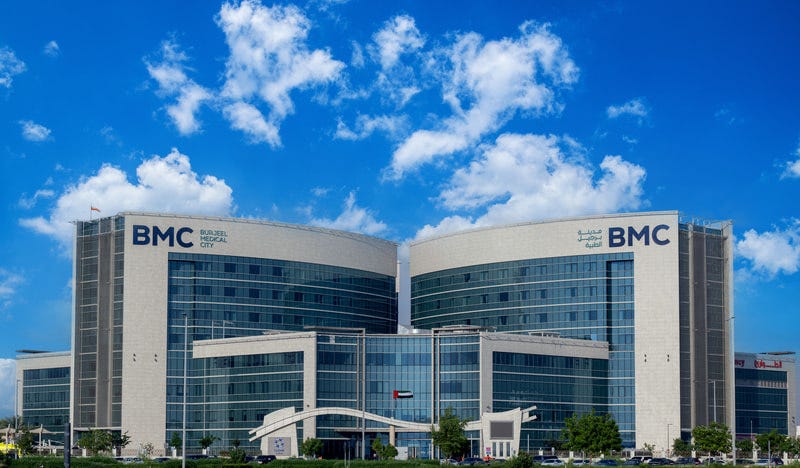
    (Photo: Burjeel Medical City, Abu Dhabi. Courtesy Burjeetl.) By Ignatius Chithelen May 30, 2026 Burjeel, an Abu Dhabi based for-profit company, operates 115 healthcare facilities, across the United Arab Emirates, Oman, and Saudi Arabia, part of the Gulf region. They include 20 hospitals, 39 medical centers, 30 physiotherapy and wellness centers, 15 pharmacies, and 11 other allied services, including Tajmeel cosmetology and dental centers. Burjeel’s facilities, which have 1,700 beds, employ more than 11,000, including nearly 1,800 doctors. Burjeel is pursuing organic revenue growth, without incurring major capital expenses, by admitting more patients It seeks to do this by raising the utilization of its bed capacity, from the current 67 percent to 80 to 85 percent. Also, over the next three years, Burjeel plans to set up two new hospitals in Dubai, four out-patient surgery centers, six medical centers, and two fertility clinics in the UAE. Earlier this month, Vayalil posted on Facebook, where he has 244,000 followers, “The encouragement and support of the UAE leadership always inspire us to think bigger, build for the future, and turn ambition into reality.” Ignatius Chithelen is the publisher of Global Indian Times and author of Six Degrees of Education and Passage from India to America. A Chartered Financial Analyst, he is manager of Banyan Tree Capital, New York. Neither he nor Banyan has any financial or other interests in any of the companies mentioned in this story. This is a public episode. If you would like to discuss this with other subscribers or get access to bonus episodes, visit www.globalindiantimes.com

  • May 23 · 13 min

    PGA Champion Aaron Rai's Father is Sikh, Wife Gaurika a Hindu and Sponsor Shabir Randeree a Muslim

    (Photo: Gaurika Bishnoi and Aaron Rai at their wedding, 2025. Courtesy Bishnoi Instagram.) March 23, 20264 By Ignatius Chithelen Rai’s PGA Championship win has boosted his popularity in the UK and the larger Indian market. So, he is likely being offered lucrative sponsorship deals by global sports and consumer brand companies. Also, if he chooses, Rai does not have to work hard on improving his golf game. With the PGA Championship win, he can play in the tournament for life. For the next five years, he also automatically qualifies for the other majors, Masters, US Open and The British Open; as well as for the PGA Tour. Will the fame and wealth distract Rai or will he win more tournaments, including majors? In 2020, Rai earned $1.4 million in prize money for winning the Scottish Open. He treated himself to a Mitsubishi Evo car, which then cost roughly $70,000, even though he could easily afford a more expensive, luxurious Rolls Royce or Mercedes Benz. Laughing, he explained his choice to a reporter of The Times, London: The Evos, made on a budget, had no flashy interiors, “they were just pure and focused. Those are the values I believe in.” Gaurika, a Hindu, and Rai married in 2025. In 2018, Gaurika chatted with Rai’s mother during his round at the Hero Indian Open, part of the DP World Tour. It was held at her home club, the DLF Golf Club, near Delhi. Rai’s mother asked her to wait and meet her son, she told Golfweek. After Rai’s PGA Championship win, a follower commented on an Instagram post by Gaurika, “the more he listens to you the better he plays.” Ignatius Chithelen is the publisher of Global Indian Times and author of Six Degrees of Education and Passage from India to America. A Chartered Financial Analyst, he is manager of Banyan Tree Capital, New York. This is a public episode. If you would like to discuss this with other subscribers or get access to bonus episodes, visit www.globalindiantimes.com

  • May 23 · 12 min

    Aaron Rai Wins PGA Championship After Overcoming Fear of Success withWife's Help

    May 23, 2026 Rai’s PGA Championship win has boosted his popularity in the UK and the larger Indian market. So, he is likely being offered lucrative sponsorship deals by global sports and consumer brand companies. Also, if he chooses, Rai does not have to work hard on improving his golf game. With the PGA Championship win, he can play in the tournament for life. For the next five years, he also automatically qualifies for the other majors, Masters, US Open and The British Open; as well as for the PGA Tour. Will the fame, attention and wealth distract Rai or will he win more tournaments, including majors? In 2020, Rai earned $1.4 million in prize money for winning the Scottish Open. He treated himself to a Mitsubishi Evo car, which then cost roughly $70,000, even though he could easily afford a more expensive, luxurious Rolls Royce or Mercedes Benz. Laughing, he explained his choice to a reporter of The Times, London: The Evos, made on a budget, had no flashy interiors, “they were just pure and focused. Those are the values I believe in.” (Photo: Gaurika Bishnoi and Aaron Rai at their wedding, 2025. Courtesy Bishnoi Instagram.) Thank you for listening to this Global Indian Times podcast. To receive free weekly podcasts, kindly subscribe if you are not already a subscriber. The volunteers who run Global Indian Times appreciate your passing along the link to the podcast to others who may have an interest. This is a public episode. If you would like to discuss this with other subscribers or get access to bonus episodes, visit www.globalindiantimes.com
  • May 21 · 14 min

    Only Five Percent of Students from India Find Jobs in the US After a MS Degree

    (Image: Courtesy Wikimedia Commons.) By Ignatius Chithelen. He is the publisher of Global Indian Times and author of Six Degrees of Education and Passage from India to America. A CFA, Chithelen is manager of Banyan Tree Capital, New York. May 21, 2026 Since the 2010s, most top students from India, including from the reputed Indian Institutes of Technology, avoid pursuing advanced degrees in the US since they have to borrow large sums to cover their costs. Currently, most Indians pursuing MS degrees in the US are from mid-or-low tier colleges in India, who ignore the burden of debt, believing they will find better career opportunities in the US than in India. They are influenced by the stream of stories on the success of Indian professionals in the US, widely covered by the media in India. Yes, many of the engineers and doctors, who migrated to the US in the 1970’s and 1980’s, achieved professional and financial success. But they were the top students in India, from the IITs and the best medical colleges. Most of them did not take on large debt to pursue advanced education in the US. More important, most found jobs in the US upon graduation. Expecting to repeat their success today is like driving a car by looking in the rear-view mirror. The current reality, as Krishna and his classmates have found, is that the prospects of students from India finding a job in the US, especially after earning a MS from a mid-or-low ranked university, is one in twenty; US job prospects are far lower for Indians with non-STEM MS degrees. The intense competition among college graduates for jobs in India is now occurring among Indian Master’s graduates in the US. I see Krishna at the cocktail reception after the conference ends. I wish him good luck in finding a job and paying off his debt. Ignatius Chithelen is the publisher of Global Indian Times and author of Six Degrees of Education and Passage from India to America. A CFA, he is manager of Banyan Tree Capital, New York. This is a public episode. If you would like to discuss this with other subscribers or get access to bonus episodes, visit www.globalindiantimes.com

  • May 2 · 16 min

    Can India's IPL Cricket Teams Keep Rising in Value

    (Photo: Manoj Badale, part owner of the Rajasthan Royals cricket team. Courtesy British Asian Trust.) By Cherian Samuel Most Indian cricket pundits predict valuations of Indian league teams will keep rising, with some forecasting they will exceed $5 billion by 2035. In contrast, a report from D&P Advisory, a valuation consultancy based in Bengaluru, says the Indian men’s league is “grappling with maturity and recalibration.” This is in part because the consolidation of TV platforms in India “has transformed the media rights ecosystem, altering the balance of competition and value creation.” Is there any significance, for the future valuation of Indian league cricket teams, when an investor like Manoj Badale, with a good track record, is selling his stake in the Rajasthan Royals? Cherian Samuel, a writer based in Washington DC, retired from the World Bank. He earned a PhD in Economics from the University of Maryland. This is a public episode. If you would like to discuss this with other subscribers or get access to bonus episodes, visit www.globalindiantimes.com
  • May 2 · 8 min

    Named in Epstein Files, Deepak Chopra's Professor Role to End at UC San Diego

    (Photo: Protest in Washington DC demanding release of all Jeffrey Epstein files. Courtesy: Creative Commons.) May 1, 2026 Chopra is mentioned 3,354 times in the Epstein files, according to the public database of millions of files released by the Justice Department. In a post on X/Twitter, Chopra states some of his email exchanges with Epstein “reflect poor judgement in tone…Any contact I had was limited and unrelated to abusive activity.” One reader responded on X/Twitter, “Mr Chopra fails to mention that his emails are dated after Mr Epstein had been tried and found guilty of inappropriate sexual conduct with minors.” Among the victims of Epstein was Rina Oh, an Indian student who lived briefly in Epstein’s mansion in Florida. “I was trapped, with no transportation, no money, and threats of physical harm. That fear kept me silent for decades,” Oh told India Today. She told NDTV, “it was very easy to manipulate me. I was already very damaged. Jeffrey (Epstein) saw that, and he took advantage of me.” This is a public episode. If you would like to discuss this with other subscribers or get access to bonus episodes, visit www.globalindiantimes.com

  • March 29 · 14 min

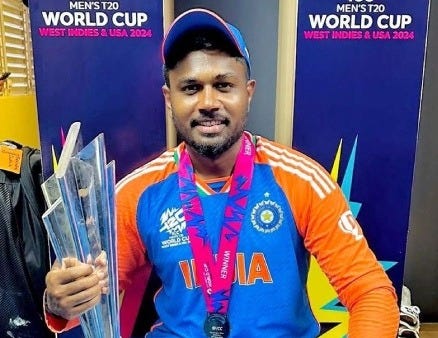
    After Years of Struggles, Sanju Samson Helps India Win the 2026 Cricket World Cup

    (Photo: Sanju Samson with the World Cup, 2026. Courtesy ICC.) This podcast discusses Sanju Samson’s success at the 2026 Cricket World Cup. It was due to his learning from the masters, persistence, and luck. By Cherian Samuel March 29, 2026 Speaking to a crowd of thousands, assembled at the stadium in Thiruvananthapuram this month, following India’s Cricket World Cup victory, Samson said, “We all have dreams. Our dreams should be big, the biggest dreams. I dreamed about being part of the Indian cricket team and also winning a World Cup. As we pursue our dreams there will be naysayers. There will be obstacles and opposition. We must move forward. We must respond not with words but through our actions.” (Sanju Samson and wife Charulatha Remesh holding the World Cup, 2026. Courtesy Sanju Samson social media.) This is a public episode. If you would like to discuss this with other subscribers or get access to bonus episodes, visit www.globalindiantimes.com
  • March 21 · 11 min

    Will Mira Nair, Mother of New York Mayor Zohran Mamdani, Explain her Ties to Ghislaine Maxwell, Jeffrey Epstein's Girlfriend.

    (Photo: Mira Nair, courtesy Wikipedia.) Mira Nair needs to answer several questions to clarify her ties with Ghislaine Maxwell and, if she cares, to explain her relationship to the victims of the convicted sex offender. They include: Why did Nair agree to Maxwell hosting a party for her film when it was known, especially in New York’s cultural world, that Maxwell was the girlfriend of convicted sex offender Epstein? Did Nair have any financial or other ties to Maxwell and Epstein? How long did Nair remain in contact with Maxwell? Till Maxwell’s conviction in 2022? Did Nair offer Maxwell anything in return for hosting the Amelia party? Was Nair also a client of Peggy Siegel, Epstein and Maxwell’s publicist? If so, for long? This is a public episode. If you would like to discuss this with other subscribers or get access to bonus episodes, visit www.globalindiantimes.com

  • March 15 · 12 min

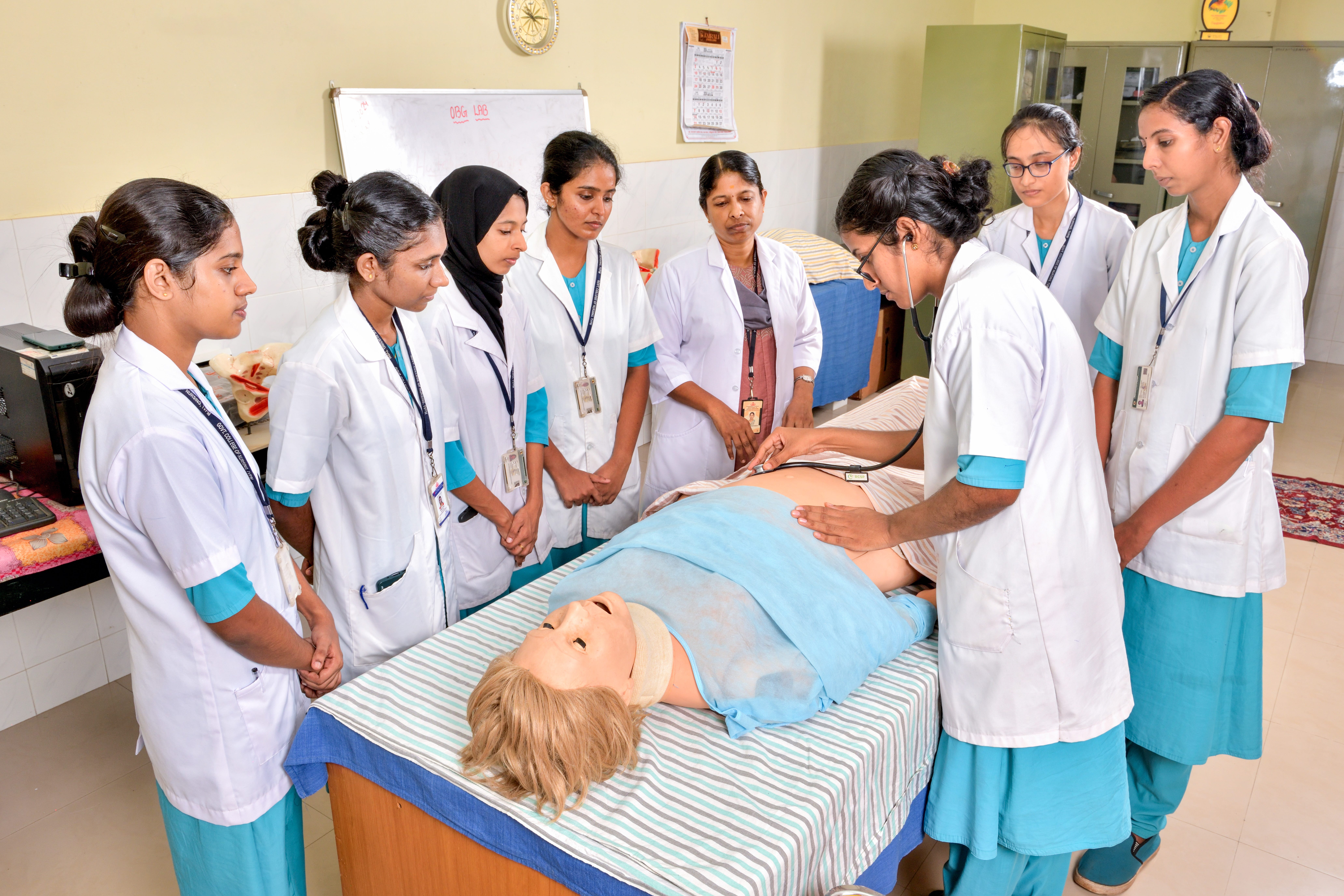
    Why Rising Foreign Demand for Nurses Benefits Keralite Women

    (Photo: a simulated training session at the Government College of Nursing, Thiruvananthapuram, Kerala; courtesy college.) Kerala’s nursing heritage dates back a century with the first nursing school, the Ernakulam Government School of Nursing, established in 1924 at the Ernakulam General Hospital. The school was founded by the Italian Sisters of Charity, following a request from the Maharaja of Cochin. The graduates of the school have played a major role in building the reputation of Keralite nurses around the World. Admissions to the school, which annually graduates about 40 students, is likely the most competitive among nursing colleges in India. The high social status of women nurses in Kerala is evident from their being much sought after brides, as also seen in matrimonial advertisements. In fact, there is a specific Malayalam word, kondupokum, used by parents in the matrimonial ads they place for their daughters who are nurses. The word literally means “will carry away.” In the matrimonial ads, it implies, “Our daughter has a prestigious, high-paying job abroad, and we need a groom who is willing to go with her and support that life.” This is a public episode. If you would like to discuss this with other subscribers or get access to bonus episodes, visit www.globalindiantimes.com

  • February 28 · 9 min

    Why is India Competing With Saudi Arabia in Refined Crude Oil Product Exports

    (Image: Indian Oil Corp Logo. Courtesy Wikipedia.) February 27, 2026 In about a decade or so, as crude oil prices begin a sustained decline, India faces an economic hit even though it ought to benefit as an importer of the commodity. Will the Government of India abandon plans to become a major exporter of refined products, where the country has no economic advantage? Story updated February 28, 2026 This is a public episode. If you would like to discuss this with other subscribers or get access to bonus episodes, visit www.globalindiantimes.com

  • February 21 · 18 min

    Inspiring Achievements of Keralite Women in Science and Technology

    By Sunil Mani Sunil Mani is a visiting professor, Centre for Development Studies, and Ahmedabad University, both in India. The views expressed are personal. February 21, 2026 The achievements of Edavaleth Kakkat Janaki Ammal, Anna Modayil Mani, Thayyoor K. Radha, and Tessy Thomas are inspiring young women in Kerala, as well as India, to pursue careers in science and technology. During World War II, Janaki Ammal lived in London when it was being bombed by German aircraft. In a 1940 letter to a friend at the University of Michigan, she writes, “Meanwhile we live in great danger - air raids day & night - There goes the siren- I must seek shelter. You cannot imagine the time London is having, but we are all cheerful and getting used to bombs of every description.” Ammal added, “Life isn’t worth it without a sense of danger.” This is a public episode. If you would like to discuss this with other subscribers or get access to bonus episodes, visit www.globalindiantimes.com