Skip to content
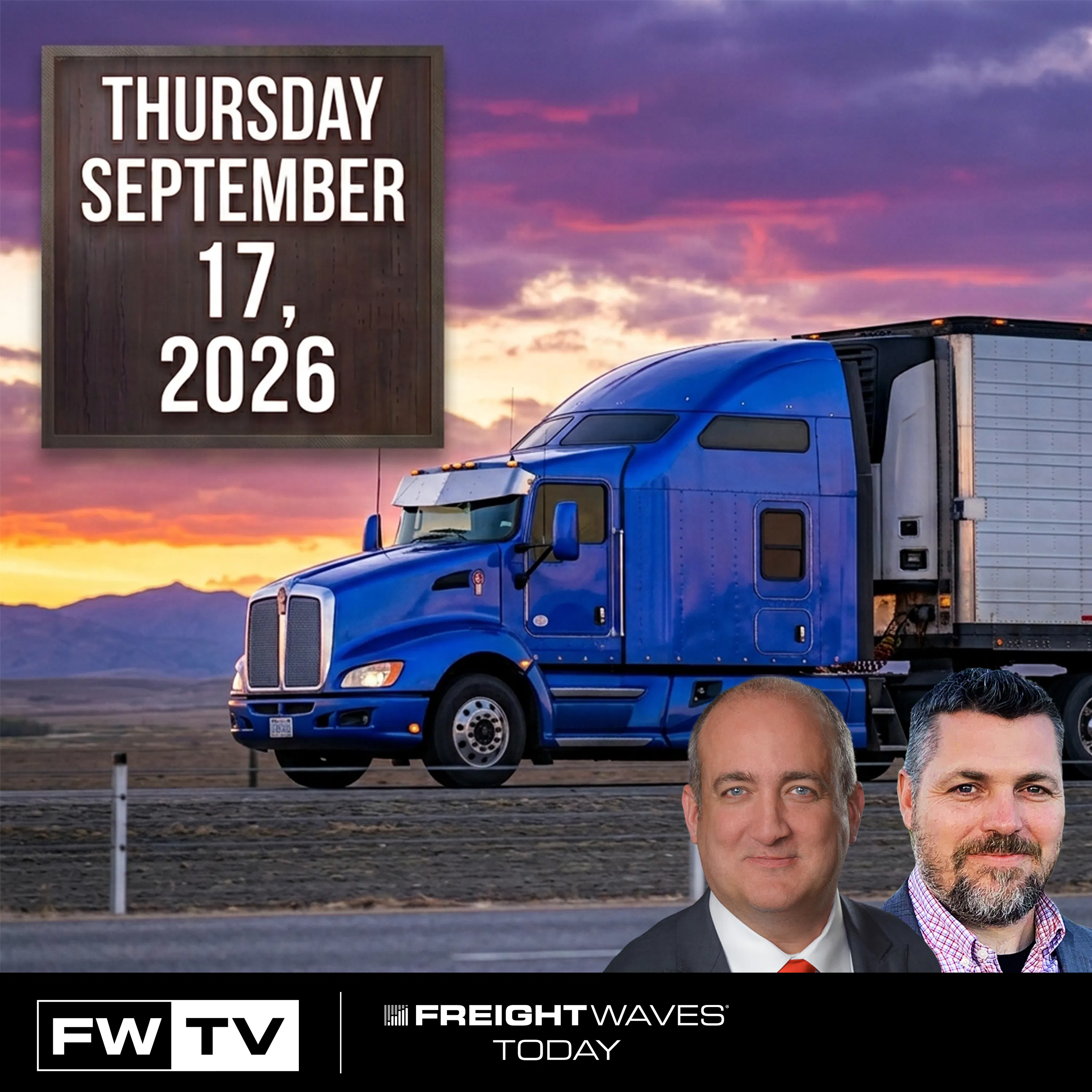
Artwork for FreightCasts
FreightCasts · Yesterday · 2 hr

FreightWaves Today | September 17

FreightWaves Today dives into the latest forces reshaping freight markets, from rising carrier costs and cross-border trade tensions to stronger-than-expected import volumes and signs of tightening truckload capacity. Hosts Julie Van de Kamp and Zach Strickland break down J.B. Hunt’s warning that higher diesel and driver costs are outpacing pricing gains, as well as the growing challenges around recruiting, retaining and developing qualified drivers. They also examine rising rail dwell at the Los Angeles–Long Beach port complex and what the divergence between rail and truck dwell times means for intermodal reliability. Peacock Tariff Consulting principal Kyle Peacock joins the show to discuss the breakdown in U.S.-Canada trade negotiations, new Canadian tariffs and product bans, and the ongoing U.S.-Mexico talks over USMCA and automotive content requirements. The conversation explores how tariff uncertainty is reshaping freight lanes, supply chains and long-term planning for shippers and carriers. In the SONAR market update, Zach looks at rising tender rejection rates following Labor Day and a sharp post-holiday surge in truckload volumes. The data points to broad-based increases in rejection rates across major freight markets, while refrigerated freight continues its seasonal influence on the national market. The show also features Mark McEntire, the new CEO of Emerge, who discusses his shipper-focused vision for the company, the shift from episodic to continuous procurement, the growing role of AI and data in freight procurement, and Emerge’s efforts to bring truckload, LTL, intermodal and other modes together on a single platform. Finally, FreightWaves writer Stuart Chirls joins the program to examine elevated U.S. container imports, including August’s exceptionally strong volumes at major ports such as Long Beach and Charleston. The discussion looks at the forces driving import demand—from consumer goods to data-center construction—and whether elevated volumes will persist into the fall. ⁠Follow the FreightWaves Today Podcast⁠ ⁠Other FreightWaves Shows⁠ Learn more about your ad choices. Visit megaphone.fm/adchoices

0:00-2:00:29

transcript

No transcript — this publisher did not publish one.

show notes

FreightWaves Today dives into the latest forces reshaping freight markets, from rising carrier costs and cross-border trade tensions to stronger-than-expected import volumes and signs of tightening truckload capacity.

Hosts Julie Van de Kamp and Zach Strickland break down J.B. Hunt’s warning that higher diesel and driver costs are outpacing pricing gains, as well as the growing challenges around recruiting, retaining and developing qualified drivers. They also examine rising rail dwell at the Los Angeles–Long Beach port complex and what the divergence between rail and truck dwell times means for intermodal reliability.

Peacock Tariff Consulting principal Kyle Peacock joins the show to discuss the breakdown in U.S.-Canada trade negotiations, new Canadian tariffs and product bans, and the ongoing U.S.-Mexico talks over USMCA and automotive content requirements. The conversation explores how tariff uncertainty is reshaping freight lanes, supply chains and long-term planning for shippers and carriers.

In the SONAR market update, Zach looks at rising tender rejection rates following Labor Day and a sharp post-holiday surge in truckload volumes. The data points to broad-based increases in rejection rates across major freight markets, while refrigerated freight continues its seasonal influence on the national market.

The show also features Mark McEntire, the new CEO of Emerge, who discusses his shipper-focused vision for the company, the shift from episodic to continuous procurement, the growing role of AI and data in freight procurement, and Emerge’s efforts to bring truckload, LTL, intermodal and other modes together on a single platform.

Finally, FreightWaves writer Stuart Chirls joins the program to examine elevated U.S. container imports, including August’s exceptionally strong volumes at major ports such as Long Beach and Charleston. The discussion looks at the forces driving import demand—from consumer goods to data-center construction—and whether elevated volumes will persist into the fall.

Follow the FreightWaves Today Podcast

Other FreightWaves Shows

Learn more about your ad choices. Visit megaphone.fm/adchoices

links3