Why French People Don't Eat Charcuterie Like Americans
transcript
show notes
The modern charcuterie board may be beautiful, but it isn't particularly French.
This week, Caroline and Emily unpack the world of French charcuterie, from saucisson and jambon to pâté, rillettes, and pâté croûte. They explain why cheese and charcuterie were traditionally served separately, how regional pork traditions shaped French cuisine, and why the Instagram charcuterie board would surprise many French diners.
Podcast Show Notes
- Why French people object to the term "charcuterie board"
- What charcuterie actually means
- France's major charcuterie traditions
- Jambon blanc, saucisson, and dry-cured ham
- The Three F's of identifying quality saucisson
- How French food culture values specialists and sourcing
- AOP, AOC, and IGP protections
- Basque, Auvergne, and Corsican charcuterie
- Why Americans are uncomfortable with pâté
- The history of pâté croûte
- Pâté vs terrine vs rillette
- Why cheese traditionally comes after the meal
- How wine bars helped create the modern cheese-and-charcuterie board
- The rise of the apéro dînatoire
Key Takeaways
- Traditional French charcuterie is much broader than cured meats alone.
- Cheese and charcuterie were historically served at different points in the meal.
- The modern mixed charcuterie-and-cheese board is relatively recent.
- Regional identity is central to French charcuterie culture.
- Pâté, terrine, rillette, and pâté croûte are distinct products.
- French food culture emphasizes sourcing and curation as much as cooking.
• • • • • • • • • •
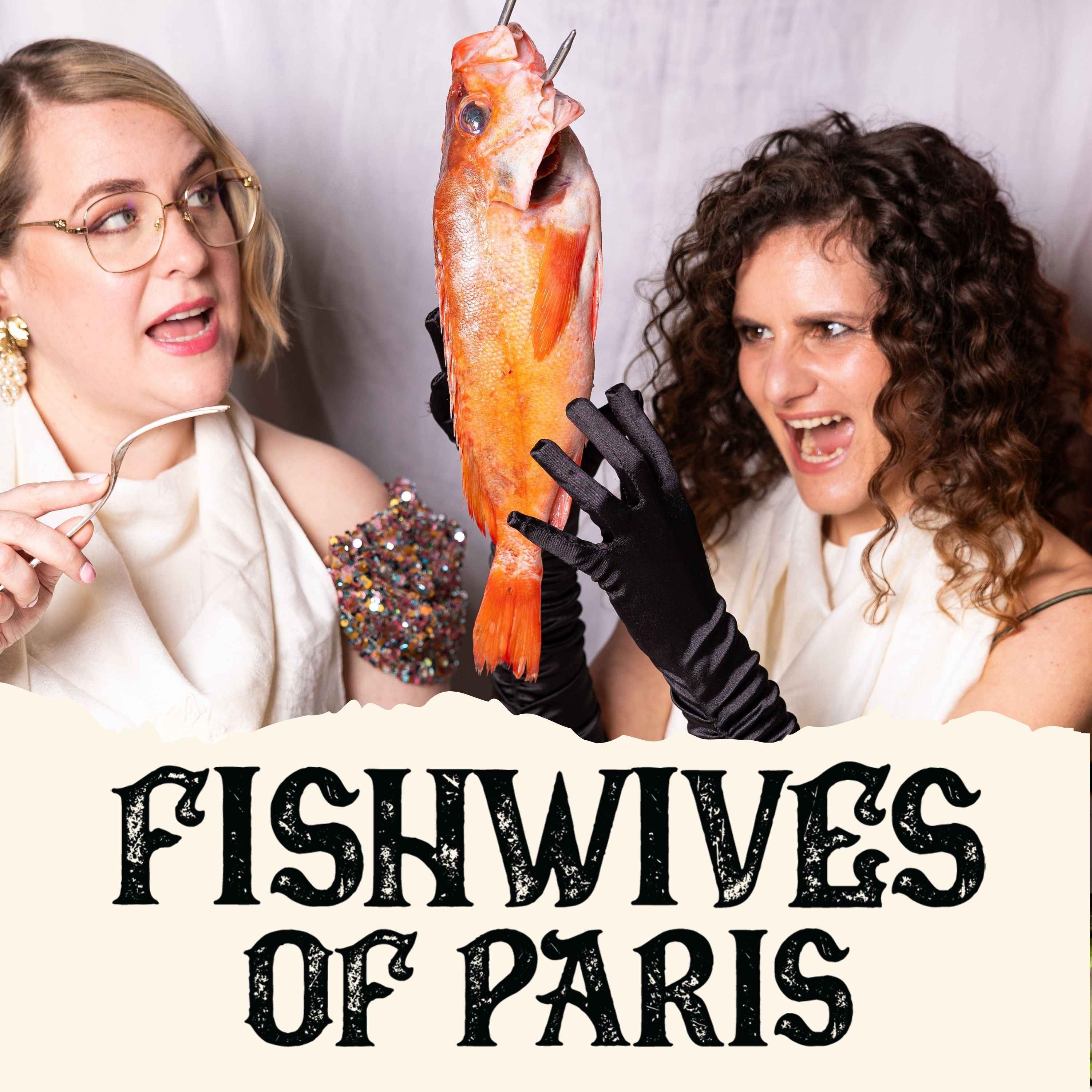
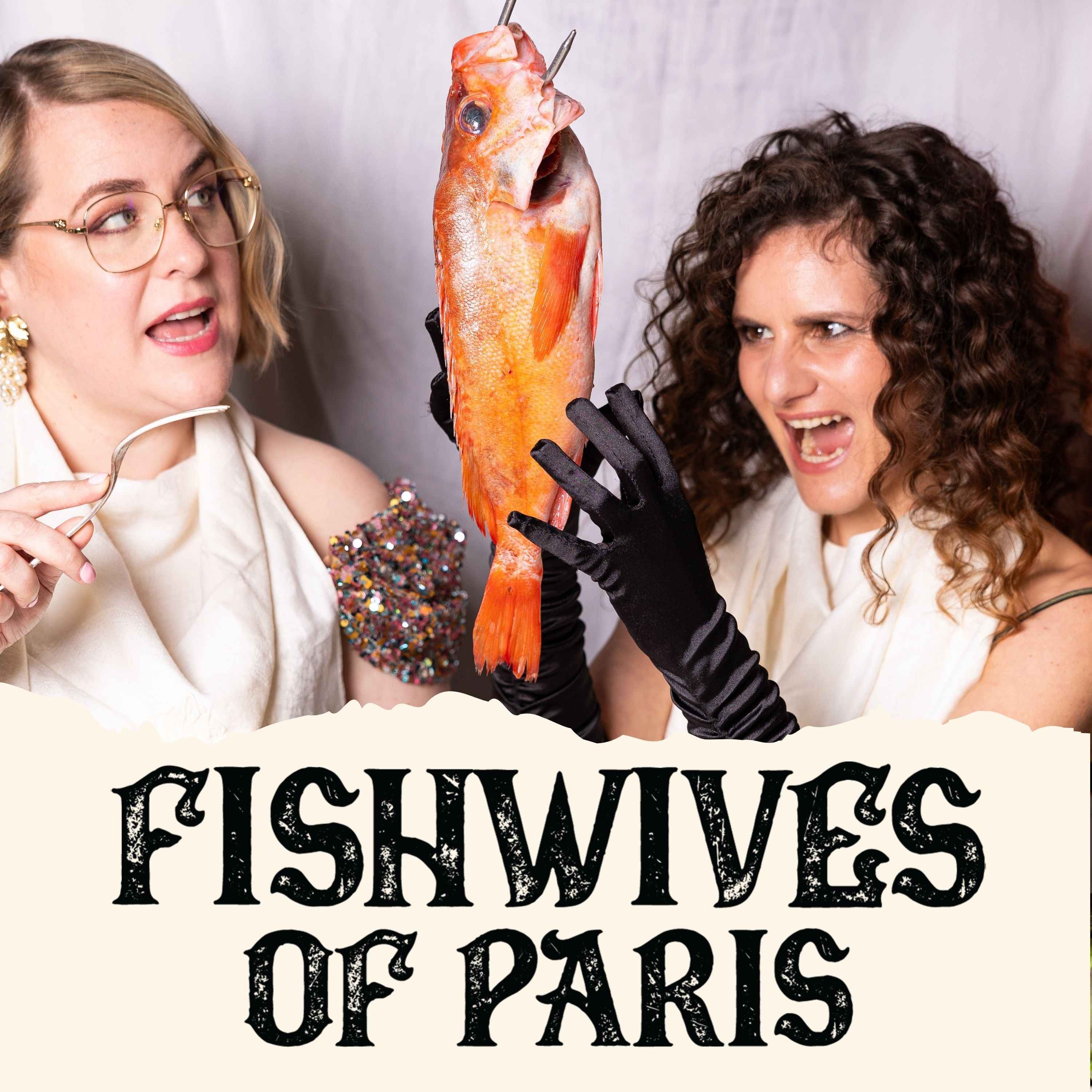
Fishwives of Paris is the podcast that dives into the surprising stories, myths, and realities behind French food, wine, and culture. Hosted by Emily Monaco and Caroline Fazeli.
Don’t forget to rate, review and subscribe to Fishwives of Paris!
You can watch the podcast in 4k on YouTube: https://www.youtube.com/@fishwivesofparis
Website: https://www.fishwivesofparis.com/
Instagram: https://instagram.com/fishwivesofparis