Skip to content
Artwork for Farms for Tomorrow
Farms for Tomorrow · Jul 12, 2025 · 53 min

s04e01 – Bill McDorman – Why We Should All Save Seeds

Why We Should All Save Seeds Episode 1: Bill McDorman – SeedSave.org PLAY FULL EPISODE A Call for Local Resilience Lifelong seed-saving advocate Bill McDorman discusses the centralization of the seed industry, its impact on biodiversity, and the loss of traditional seed-saving practices. He explains the historical role of farmers in breeding resilient crops and how corporate patents have restricted seed-saving. Bill advocates for local seed-saving, regional food systems, and grassroots movements to reclaim agricultural sovereignty and biodiversity. Part 1 Listen Who Owns Our Seeds? | Length: 2:48 The seed industry has become highly centralized, with a few corporations controlling most commercial seeds, limiting diversity and farmer autonomy. Part 2 Listen The Consequences of Seed Centralization | Length: 2:03 Industrial seed control has led to a dramatic loss of crop varieties, threatening global biodiversity and long-term agricultural resilience. Part 3 Listen 10,000 Years of Seed Selection | Length: 3:01 Humans domesticated wild plants over thousands of years through seed selection, creating diverse, resilient crops tailored to local environments. Part 4 Listen From Farmers’ Rights to Corporate Control | Length: 4:17 Legal changes, including patents and corporate mergers, transformed seeds from a shared resource into a privatized, profit-driven industry. Part 5 Listen How Patents Changed Agriculture | Length: 9:29 Supreme Court rulings enabled corporations to patent living organisms, accelerating the loss of farmers’ rights to save and breed seeds. Part 6 Listen Patents on Organic Seeds | Length: 7:41 Even organic seeds are now patented, preventing farmers from saving seeds, increasing costs, and undermining sustainability. Part 7 Listen Fewer Seeds, Bigger Risks | Length: 4:32 Corporate seed control prioritizes profit over biodiversity, limiting the adaptability of crops in the face of climate change. Part 8 Listen How Communities Can Take Back Agriculture | Length: 5:26 Rebuilding local food systems requires seed-saving networks, community engagement, and education to foster agricultural independence. Part 9 Listen Seed Saving – Where to Begin? | Length: 4:32 Farmers and gardeners alike should start with a crop they love, learning to grow, save, and adapt seeds to their environment. Part 10 Listen Debunking the Myths of Modern Seeds | Length: 5:15 Seed companies spread myths to discourage seed saving, but traditional methods remain effective, adaptable, and necessary. Part 11 Listen Rediscovering Einkorn Wheat – Why It Matters | Length: 3:04 McDorman highlights einkorn wheat as a resilient, nutrient-rich grain that has remained genetically pure for thousands of years. About Bill McDorman Bill McDorman, a lifelong seed saver and passionate advocate for seed sovereignty is dedicated to empowering people to save and share their own seeds. He has worked to preserve heirloom and open-pollinated seeds through education, activism, and community organizing. more More Information Transcript SeedSave.org Basic Seed Saving by Bill McDorman Philip Howard, PhD, Michigan State University (seed industry centralization drawing) Colin Khoury, PhD, Wageningen University & Research What is Happening to Agrobiodiversity? Seed Savers Exchange Gregor Mendel, “Father of Genetics” Bill Tracy, PhD, University of Wisconsin-Madison John Deere Repair Controversy Plant Patent Act of 1930 Plant Variety Protection Act of 1970 Ananda Chakrabarty, PhD, University of Calcutta 1980 Diamond v. Chakrabarty Patent Act of 1952 AIB: Anti-Infringement Bureau for Intellectual Property Rights on Plant Material SIPA: Seed Innovation and Protection Alliance Jack Kloppenburg, PhD, University of Wisconsin-Madison No Patents on Seeds Bill Mollison, “Father of Permaculture” Waltham Butternut Squash Waltham Experiment Station City of Waltham Purchases Waltham Field Station Nash’s Carrots John Navazio, PhD, Organic Seed Alliance Terry Ring, Gila River Farmer Flavr Savr Tomatoes Walter Goldstein, PhD, Mandaamin Institute Teosintes Einkorn Salanova lettuce The post s04e01 – Bill McDorman – Why We Should All Save Seeds appeared first on Farms For Tomorrow.
0:00-53:44

transcript

No transcript — this publisher did not publish one.

show notes

Why We Should All Save Seeds

Episode 1:
Bill McDorman –
SeedSave.org
PLAY FULL EPISODE

A Call for Local Resilience

Lifelong seed-saving advocate Bill McDorman discusses the centralization of the seed industry, its impact on biodiversity, and the loss of traditional seed-saving practices. He explains the historical role of farmers in breeding resilient crops and how corporate patents have restricted seed-saving. Bill advocates for local seed-saving, regional food systems, and grassroots movements to reclaim agricultural sovereignty and biodiversity.

Part 1 Listen

Who Owns Our Seeds? | Length: 2:48

The seed industry has become highly centralized, with a few corporations controlling most commercial seeds, limiting diversity and farmer autonomy.


Part 2 Listen

The Consequences of Seed Centralization | Length: 2:03

Industrial seed control has led to a dramatic loss of crop varieties, threatening global biodiversity and long-term agricultural resilience.

Part 3 Listen

10,000 Years of Seed Selection | Length: 3:01

Humans domesticated wild plants over thousands of years through seed selection, creating diverse, resilient crops tailored to local environments.


Part 4 Listen

From Farmers’ Rights to Corporate Control | Length: 4:17

Legal changes, including patents and corporate mergers, transformed seeds from a shared resource into a privatized, profit-driven industry.

Part 5 Listen

How Patents Changed Agriculture | Length: 9:29

Supreme Court rulings enabled corporations to patent living organisms, accelerating the loss of farmers’ rights to save and breed seeds.


Part 6 Listen

Patents on Organic Seeds | Length: 7:41

Even organic seeds are now patented, preventing farmers from saving seeds, increasing costs, and undermining sustainability.

Part 7 Listen

Fewer Seeds, Bigger Risks | Length: 4:32

Corporate seed control prioritizes profit over biodiversity, limiting the adaptability of crops in the face of climate change.


Part 8 Listen

How Communities Can Take Back Agriculture | Length: 5:26

Rebuilding local food systems requires seed-saving networks, community engagement, and education to foster agricultural independence.

Part 9 Listen

Seed Saving – Where to Begin? | Length: 4:32

Farmers and gardeners alike should start with a crop they love, learning to grow, save, and adapt seeds to their environment.


Part 10 Listen

Debunking the Myths of Modern Seeds | Length: 5:15

Seed companies spread myths to discourage seed saving, but traditional methods remain effective, adaptable, and necessary.

Part 11 Listen

Rediscovering Einkorn Wheat – Why It Matters | Length: 3:04

McDorman highlights einkorn wheat as a resilient, nutrient-rich grain that has remained genetically pure for thousands of years.


About Bill McDorman

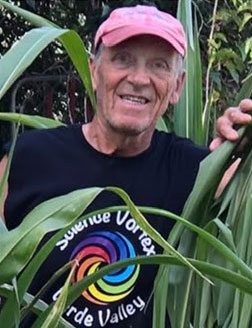
Bill McDorman, a lifelong seed saver and passionate advocate for seed sovereignty is dedicated to empowering people to save and share their own seeds. He has worked to preserve heirloom and open-pollinated seeds through education, activism, and community organizing. more

More Information

Transcript

SeedSave.org

Basic Seed Saving by Bill McDorman

Philip Howard, PhD, Michigan State University (seed industry centralization drawing)

Colin Khoury, PhD, Wageningen University & Research

What is Happening to Agrobiodiversity?

Seed Savers Exchange

Gregor Mendel, “Father of Genetics”

Bill Tracy, PhD, University of Wisconsin-Madison

John Deere Repair Controversy

Plant Patent Act of 1930

Plant Variety Protection Act of 1970

Ananda Chakrabarty, PhD, University of Calcutta

1980 Diamond v. Chakrabarty

Patent Act of 1952

AIB: Anti-Infringement Bureau for Intellectual Property Rights on Plant Material


SIPA: Seed Innovation and Protection Alliance

Jack Kloppenburg, PhD, University of Wisconsin-Madison

No Patents on Seeds

Bill Mollison, “Father of Permaculture”

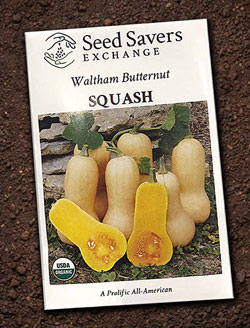
Waltham Butternut Squash

Waltham Experiment Station

City of Waltham Purchases Waltham Field Station

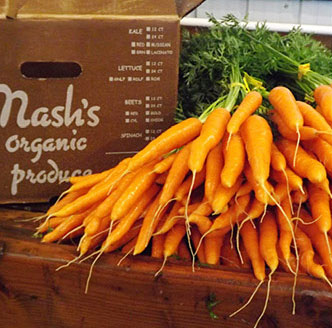
Nash’s Carrots

John Navazio, PhD, Organic Seed Alliance

Terry Ring, Gila River Farmer

Flavr Savr Tomatoes

Walter Goldstein, PhD, Mandaamin Institute

Teosintes

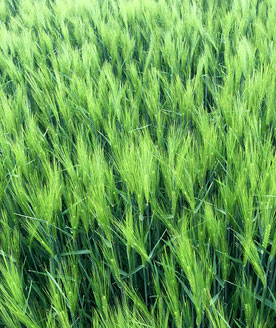
Einkorn

Salanova lettuce

The post s04e01 – Bill McDorman – Why We Should All Save Seeds appeared first on Farms For Tomorrow.

links34