Skip to content
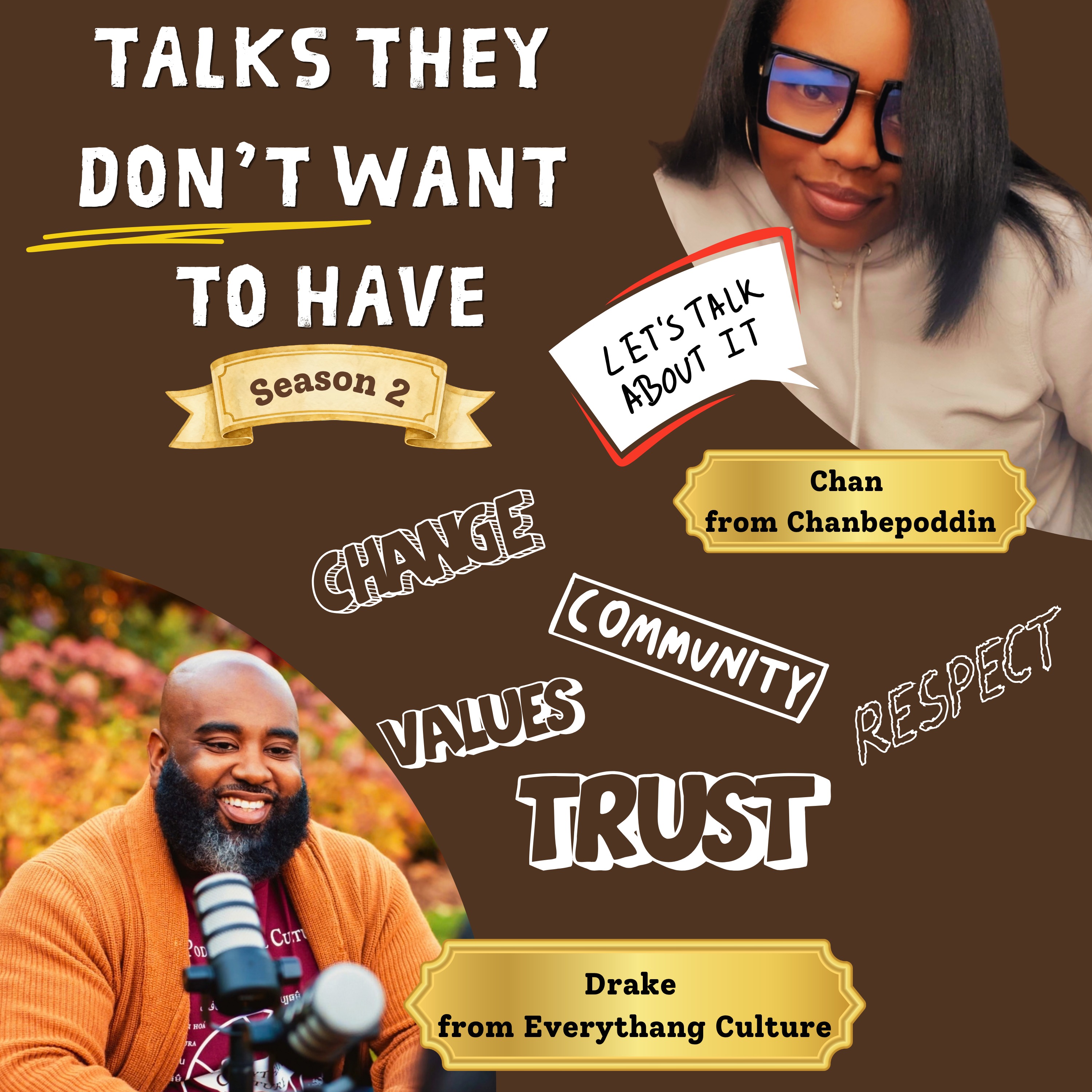
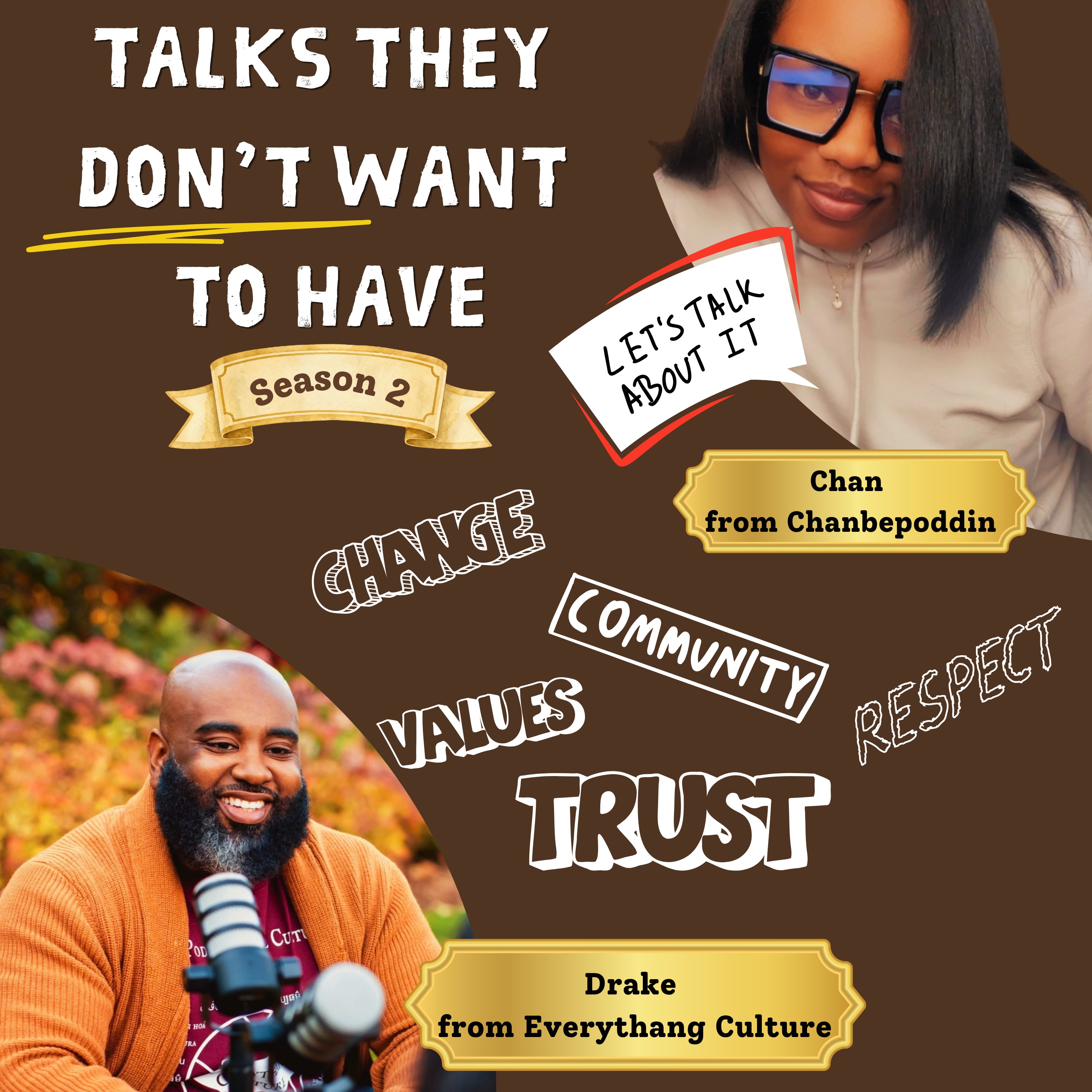
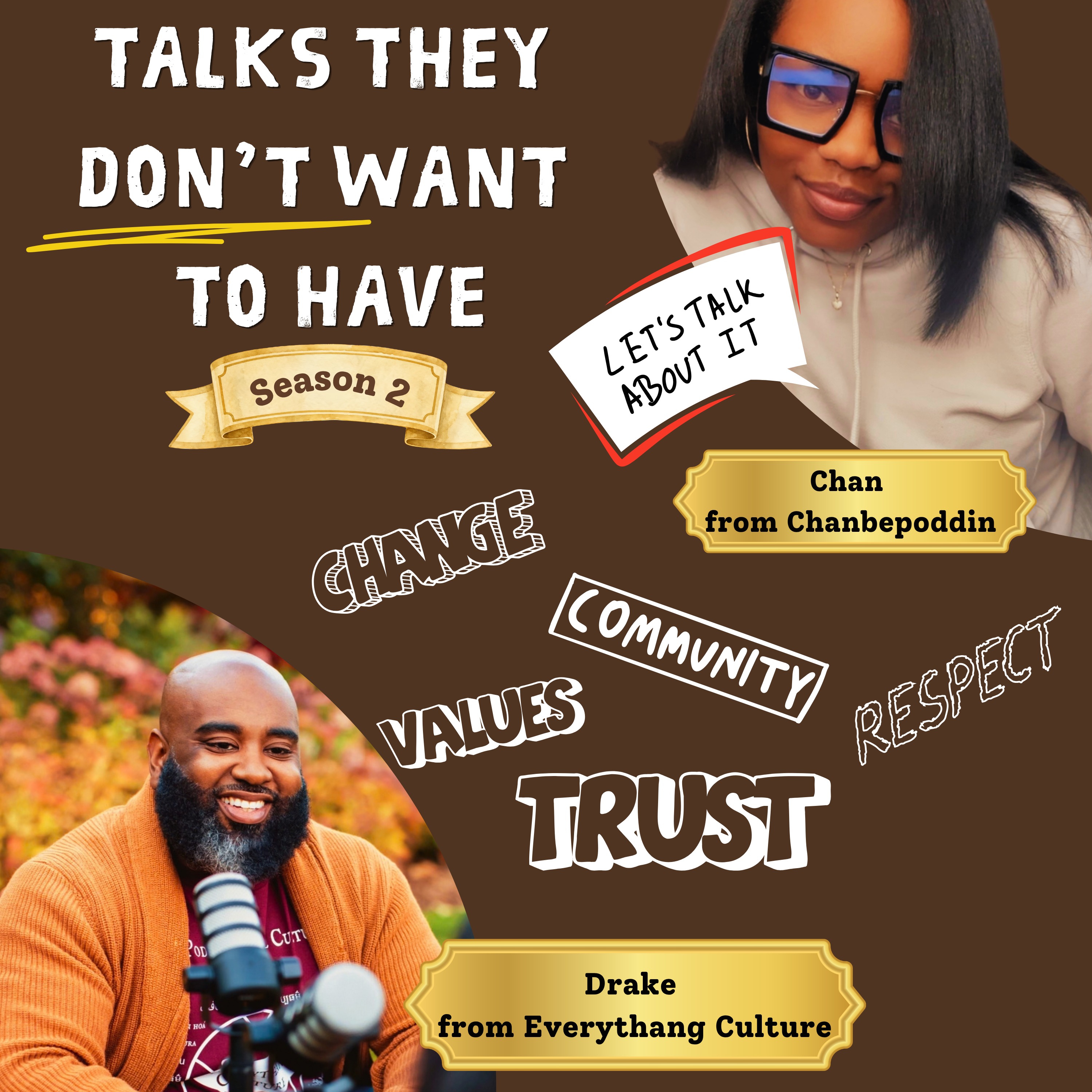
Artwork for Everythang Culture
Everythang Culture · Wednesday · 1 hr 4 min

READ - TTDWTH

We are back! ⁨@chanpods⁩ and I are back for season 2 of Talks They Don't Want to Have. This episode we discussed the importance of reading and the literacy crisis in the modern American society. A literacy crisis refers to a widespread decline in people’s ability to read, understand, and use written language effectively, a term most commonly used to describe the sharp drop in reading skills and comprehension among U.S. students and adults in recent years. Core definition of the literacy crisis The crisis is not limited to basic word recognition. It centers on the ability to process, interpret, and apply written information, which is foundational to learning, work, and full participation in society. Key statistics confirming the crisis •More than half of U.S. adults read below a sixth-grade level, with 21% classified as functionally illiterate, meaning they cannot understand critical everyday texts like prescription labels, job applications, or government forms. •National K-12 assessments show persistent declines in reading scores, with nearly 40% of fourth graders and roughly a third of eighth graders reading below basic proficiency, the highest share ever recorded. Common causes cited by researchers •Digital media and shortened attention spans: Constant exposure to short-form social media content reduces the stamina needed to engage with long, complex written material. •Underfunded education and systemic gaps: Many students fall through the cracks in K-3 foundational reading instruction, and secondary schools lack sufficient resources to support struggling readers. •Pandemic learning disruptions: School closures and remote learning gaps accelerated pre-existing declines in reading achievement. Why the crisis matters Reading is the foundation of all academic and professional learning. Students who struggle with literacy face barriers to mastering history, science, and math, while adults with low literacy face reduced economic mobility and limited ability to participate fully in civic life. Intro clip credit: ⁨@deffnotantt You can follow us on all platforms ⁨@everythangculturepodcast⁩

0:00-1:04:35

transcript

No transcript — this publisher did not publish one.

show notes

We are back!  ⁨@chanpods⁩  and I are back for season 2 of Talks They Don't Want to Have. This episode we discussed the importance of reading and the literacy crisis in the modern American society.


A literacy crisis refers to a widespread decline in people’s ability to read, understand, and use written language effectively, a term most commonly used to describe the sharp drop in reading skills and comprehension among U.S. students and adults in recent years.


Core definition of the literacy crisis


The crisis is not limited to basic word recognition. It centers on the ability to process, interpret, and apply written information, which is foundational to learning, work, and full participation in society.


Key statistics confirming the crisis


•More than half of U.S. adults read below a sixth-grade level, with 21% classified as functionally illiterate, meaning they cannot understand critical everyday texts like prescription labels, job applications, or government forms.

•National K-12 assessments show persistent declines in reading scores, with nearly 40% of fourth graders and roughly a third of eighth graders reading below basic proficiency, the highest share ever recorded.


Common causes cited by researchers


•Digital media and shortened attention spans: Constant exposure to short-form social media content reduces the stamina needed to engage with long, complex written material.

•Underfunded education and systemic gaps: Many students fall through the cracks in K-3 foundational reading instruction, and secondary schools lack sufficient resources to support struggling readers.

•Pandemic learning disruptions: School closures and remote learning gaps accelerated pre-existing declines in reading achievement.


Why the crisis matters


Reading is the foundation of all academic and professional learning. Students who struggle with literacy face barriers to mastering history, science, and math, while adults with low literacy face reduced economic mobility and limited ability to participate fully in civic life.


Intro clip credit:  ⁨@deffnotantt

You can follow us on all platforms  ⁨@everythangculturepodcast⁩ 

links3

more episodes

All episodes