Eatweeds Podcast: For People Who Love Plants · May 28 · 3 min
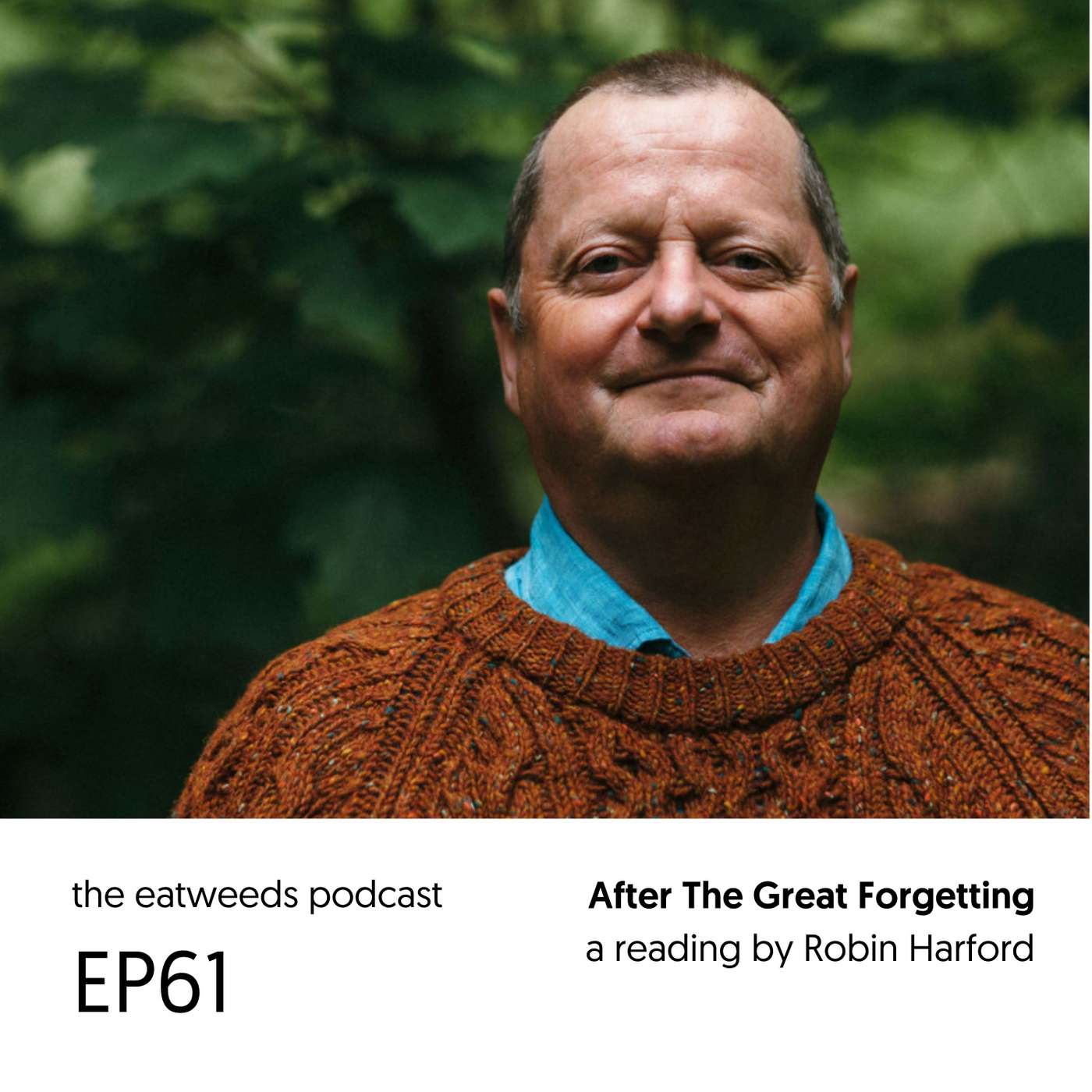
EP61: Robin Reads - After The Great Forgetting
0:00-3:12
transcript
show notes
In the 17th century, Descartes, Galileo, and Newton transformed a living world into mechanical clockwork.
Descartes drew the fatal line between mind and matter, rendering everything beyond the thinking self inert and available for measurement.
This lens birthed science and medicine, but cost us what Goethean scientist Craig Holdrege calls living thinking - thought that is responsive, relational, and shaped by what it encounters.
Goethe knew perception isn't passive: to truly see a plant, you must let it work on you. Through Domei's sustained attention, observer and observed dissolve into a meeting of subjects.
This Episode Is Brought To You By
Transcripts
Stay In Touch
Website | Youtube | Instagram | Facebook
Free Newsletters
Books
- Edible and Medicinal Wild Plants of Britain and Ireland
- Forage In Spring
- Forage In Summer
- Forage in Autumn
- The Eatweeds Cookbook
Courses
links16