Skip to content
Artwork for Documentary First: Conversations on Documentary Filmmaking
TV & FilmFilm InterviewsTV ReviewsSociety & CultureDocumentary

Documentary First: Conversations on Documentary Filmmaking

Christian Taylor | Documentary First

For people who make documentaries and people who love them. Discover how documentaries actually get made, paid for and seen with filmmaker Christian Taylor. Plus DocuView Deja View, where every guest recommends a documentary worth watching.

Two formats, one weekly feed. One week, a long-form conversation about a guest's journey, their projects and the lessons they learned the hard way, with honest questions when something doesn't add up. The next, The Deep Dive: Christian's short solo reflection on one idea from that conversation, and where it leads.

Guests have included Ken Burns, PBS American Masters creator Susan Lacy, Emmy and Peabody Award-winning editor Charles Olivier (HBO's The Jinx: Part Two) and Emmy-nominated director Nicholas Bruckman (Not Going Quietly). Christian directed the award-winning documentary The Girl Who Wore Freedom, distributed by Virgil Films, Swank and Canal+.

Topics include documentary films and documentary filmmaking: directing, producing, editing, funding, distribution, documentary storytelling, film festival strategy, archival footage and rights clearance, and entertainment law for filmmakers.

Nearly 300 conversations. Listen Notes top 3% worldwide. 4.8 on Apple Podcasts. Follow the show and leave a review.

Instagram: @documentaryfirst | Facebook: @documentaryfirst | X: @doc_first | TikTok: @documentaryfirst | YouTube: @DocumentaryFirst | LinkedIn: linkedin.com/company/35467664 | documentaryfirst.com

Play
  • 29 episodes
  • weekly
  • Avg 30 min
  • English

Support the show

Goes straight to the publisher. podnod takes nothing.

Counted on this page — what you have heard stays on this device, so it is not something the list can be paged by.
  • #278
    May 21 · 55 min· Video

    Adapt or Die: A Working Filmmaker on AI in 2026

    Adapt or die. What does that actually look like for a working filmmaker? Chicago documentary filmmaker Armin Korsos has a working filmmaker's answer to the question every documentarian is wrestling with right now. If you're not using AI, you will be losing work to people who do. In this conversation, Armin walks through how he turned 20 hours of pre-production paperwork into 30 minutes, how he uses AI image generation to send 40 pitches in the time it used to take to send 8, and why he believes the only currency that still matters in this industry is original ideas. In Episode 278, Christian sits down with Armin Korsos, founder of the Chicago production company Caymanite and co-founder of Filmmaker Friday Chicago, a film community event series that grew from 50 people at its first event to over 1,700 unique attendees in its first year. Born in the Cayman Islands to Hungarian parents, raised in the Chicago suburbs, and trained at Columbia College Chicago, Armin uses commercial production work to fund the documentary and narrative projects he cares about. In this episode, you'll learn: How Armin found a local approaching age 90 on Cayman Brac with no phone number, no email, and no address How a former Premier of the Cayman Islands recorded the narration for Brac in an airport parking lot Whether film school is still worth it in 2026, and what to ask yourself before going Why Armin says luck is preparation meeting opportunity, and what that has to do with documentary filmmaking Chapters 0:00 The "Adapt or Die" AI Warning for Filmmakers 1:11 Why Filmmaking Is a Lonely Process 2:35 Armin's Journey: Cayman Islands to Hungary to Chicago 6:00 Where Are the Cayman Islands? Grand Cayman vs Cayman Brac 7:46 Why the Artistic Ceiling Is Lower in Hungary 12:25 Is Film School Worth It in 2026? 18:38 How to Fund Passion Projects With Commercial Work 23:09 Automating Pre-Production Paperwork With AI 28:33 Nvidia CEO: Original Ideas Are the Only Currency Left 32:00 Why You Must Be the Creator to Own the IP 34:03 Brac: A 15-Minute Conservation Documentary 38:29 Finding a Subject With No Phone, No Email, No Address 43:19 Recording Narration With the Former Premier in a Parking Lot 46:33 Scaling a Film Community: 50 to 1,700 in a Year 50:26 DocuView Deja View: This Week's Recommendations Frequently Asked Questions How are working filmmakers actually using AI in 2026? Chicago filmmaker Armin Korsos uses AI to automate pre-production paperwork (location releases, talent releases, non-disclosure agreements, call sheets, invoicing) so the time saved can go to creative work that requires human attention. He also uses AI image generation for pitch decks, allowing him to send 40 pitches in the time it used to take to send 8. He spends 15 to 20 minutes every night learning new AI tools and updates. What did the CEO of Nvidia say about original ideas and AI? Jensen Huang, CEO of Nvidia, has argued that AI has equalized the playing field by removing the gatekeeping of technical knowledge. In Armin Korsos's words, paraphrasing Huang: the differentiator between who is successful and who is not in the future is who has the best original ideas. The technical skill barriers are falling. What remains scarce is the original creative input. Can AI own the intellectual property of work it generates? Armin Korsos cautions filmmakers that the creator of a work is the one who owns the intellectual property. As he puts it, you must be the creative input or Claude has the creative IP. AI cannot do the creative work for you if you want to own what you make. This is a working filmmaker's practical answer to a question that is still being litigated in courts. What is Brac about? Brac is a 15-minute conservation documentary directed by Armin Korsos and edited by Ethan Edmonds, shot over three trips to Cayman Brac, a small island of about 2,000 people in the Cayman chain. The film explores the intersection of land rights, land management, the decline of the native brown booby bird, and the future of the island. It features a local named Tennyson Scott, approaching age 90 and narration by James Ryan, former Premier of the Cayman Islands. What is Filmmaker Friday Chicago? Filmmaker Friday Chicago is a film community event series co-founded by Armin Korsos and Parker Foster. It hosts mixers and panel discussions at venues across Chicago, including the Chicago Cultural Center in partnership with the Chicago Film Commission. The first event drew 50 people. By the fourth event the room held over 200. In its first year the series hosted over 1,700 unique attendees, all free of charge, which Armin describes as unofficially the largest consistent film community event in Chicago. DocuView Deja View Picks Armin's pick: Game Hawker, directed by Josh Izenberg. A 25-minute conservation documentary sponsored by Patagonia and publicly available on YouTube. About birds. Christian's pick: The Billionaire, the Butler and the Boyfriend (2023, Netflix), directed by Baptiste Etchegaray and Maxime Bonnet, which brings a story recorded only on audio to life with blurred, security-camera-style reenactments. Sponsored by Virgil Films Entertainment Documentary First is sponsored by Virgil Films Entertainment. Visit https://virgilfilms.com to learn more about their work distributing documentary films. About Armin Korsos Armin Korsos is a Chicago-based documentary and commercial director, founder of the production company Caymanite, and co-founder of Filmmaker Friday Chicago. Born in the Cayman Islands to Hungarian parents and raised in the Chicago suburbs, Armin trained at Columbia College Chicago, where he graduated in 2020. His most recent film, Brac, is a 15-minute conservation documentary that finished post-production in January 2026 and is now in its festival run. Connect with Armin: Caymanite (production company): https://www.caymanite.us Instagram (personal): https://www.instagram.com/armincreates Instagram (Caymanite): https://www.instagram.com/_caymanite LinkedIn: https://www.linkedin.com/in/arminkorsos YouTube: https://www.youtube.com/@arminkorsos About Filmmaker Friday Chicago Filmmaker Friday also runs in New York City. To attend an upcoming event or learn more, visit https://www.filmmakerfridays.org or follow https://www.instagram.com/filmmakerfridaychicago. About Documentary First Documentary First is a weekly podcast about the people behind documentaries and how the work changed them. Host Christian Taylor, director of the award-winning The Girl Who Wore Freedom, talks with filmmakers, distributors, entertainment lawyers, actors and more, from Ken Burns and PBS American Masters creator Susan Lacy to first-timers, across nearly 300 conversations. Each week brings one of two formats: a long-form conversation with the people behind films for HBO, Netflix, PBS and independent film, or The Deep Dive, where Christian takes one insight from a recent conversation and follows it wherever it leads. Listen Notes ranks the show in the top 5% of all podcasts worldwide. New episodes every week. Resources Mentioned Brac (2026), directed by Armin Korsos, edited by Ethan Edmonds, narrated by James Ryan: https://vimeo.com/1151723297/b4692bf91b Columbia College Chicago: https://www.colum.edu Listen & Follow Listen on your favorite podcast app: https://podfollow.com/documentary-first YouTube: https://www.youtube.com/@documentaryfirst Support the show Rate us, share an episode, or get our free guides: https://documentaryfirst.com/pages/support Connect Documentary First on all platforms: https://linktr.ee/doc1st Christian Taylor on LinkedIn: https://linkedin.com/in/meetchristiantaylor

    • Transcript
    • Chapters
  • May 14 · 8 min· Video

    Why the Boring Work Is the Most Important Work

    What does a $1.5 billion AI lawsuit have in common with your unwritten will? In September 2025, Anthropic agreed to pay $1.5 billion to settle the largest copyright lawsuit in U.S. history. The reason was simple. They built first and cleared rights later. Documentary filmmakers have been making the same mistake for decades. And in this Deep Dive, host Christian Taylor argues that the lesson runs deeper than music licensing or AI training data. It is the same lesson Jesus taught in Luke 14, the same lesson surgeons learn from pre-op checklists, and the same lesson Christian is living through right now as the primary caregiver to her father with Alzheimer's disease. Plan ahead. Count the cost. Do the hard things first. In this Deep Dive on Documentary First Episode 277 with veteran ARC Producer Teddy Cannon, Christian unpacks the deeper meaning of Teddy's central argument: bring the unglamorous work in at the top of every project, or pay catastrophically downstream. Anchored in Luke 14:28 and Teddy's case study of a $50,000 to $70,000 Jackson 5 music clearance fee, this episode traces a single principle from filmmaking to surgery to aviation to the Anthropic AI copyright lawsuit and finally to estate planning and end-of-life care. In this episode, Christian explores: How a $50,000 to $70,000 Jackson 5 music clearance fee can sink an entire nine-episode film series Why every documentary needs Errors and Omissions Insurance and a Rights Bible before distribution What surgeons, pilots, and contractors have in common with filmmakers who skip pre-production planning What it is like to become the primary caregiver to a parent with Alzheimer's disease when no estate plan was ever written Why doing the boring planning work upfront is not unloving, and what the wise ones do that everyone else avoids Chapters: 0:00 The 2,000-Year-Old Lesson 0:15 Intro: Bringing Gold to the Surface 0:41 What Is an ARC Producer? 1:35 The Jackson 5 Sticker Shock 2:12 The "Boring Person" at the Top 3:04 From Surgeons to Pilots: Skipping the Checklist 3:42 AI Companies and the Billion Dollar Mistake 4:26 The Parable of the Tower 5:06 Counting the Cost 5:55 A Personal Deep Dive: Caregiving and Planning 7:20 Being the "Editor" of a Life 7:37 Final Thought: Look Anyway 8:09 Final Ask: One Share Frequently Asked Questions: What is an ARC Producer in filmmaking? An ARC Producer, short for Archival Rights and Clearance Producer, is the person on a film production team responsible for tracking down third-party footage, music, photographs, and documents, and securing the legal permissions to use them. ARC Producers manage licensing, clearance logs, and the Rights Bible that every film needs to secure Errors and Omissions Insurance and distribution. Historically, ARC Producers are brought in during post-production, but bringing them in during pre-production protects filmmakers from catastrophic licensing costs at the end of a project. Why should filmmakers bring an ARC Producer into pre-production? Bringing an ARC Producer into pre-production allows filmmakers to budget for rights and clearances before footage is shot or music is selected. This prevents the most expensive mistake in documentary filmmaking, which is locking a final cut around archival material or songs that turn out to cost tens of thousands of dollars to license. Pre-production clearance also strengthens storytelling by ensuring filmmakers know which materials are realistically available and affordable from the start. What can Anthropic's $1.5 billion AI copyright lawsuit teach filmmakers about clearance? In September 2025, Anthropic agreed to pay $1.5 billion to settle Bartz v. Anthropic, the largest copyright settlement in U.S. history. The case alleged Anthropic trained its AI on pirated books without permission. The lesson for filmmakers is identical to the one ARC Producers have been giving for decades. Building a product or film first and clearing rights later is more expensive than clearing rights upfront, no matter the scale of the company. What does Luke 14:28 say about counting the cost? In Luke 14, verses 28 through 30, Jesus tells a brief parable about a man who wants to build a tower. The parable asks whether the builder will first sit down and estimate the cost to see if he has enough money to complete it. The point is that laying a foundation you cannot afford to finish leaves the unfinished structure visible to everyone. The principle applies to filmmaking, estate planning, and any major project that requires resources to complete. What can caregivers and filmmakers learn from each other about planning ahead? Both filmmakers and family caregivers face the same trap. The unglamorous planning work, whether a music clearance memo, an estate plan, or a will, is easy to put off because it asks people to look at things they would rather not look at. Filmmakers avoid thinking about the end of a budget. Families avoid thinking about the end of a life. In both cases, the people who do the boring work upfront protect the people who come after them. About the Topic: Bartz v. Anthropic Bartz v. Anthropic is the class-action copyright lawsuit filed by authors Andrea Bartz, Charles Graeber, and Kirk Wallace Johnson against Anthropic AI for training its Claude language model on pirated books downloaded from Library Genesis and Pirate Library Mirror. The case settled in September 2025 for $1.5 billion, the largest copyright settlement in U.S. history. Teddy Cannon and Crux Entertainment Teddy Cannon is a veteran Archival Rights and Clearance Producer and the founder of Crux Entertainment, a production company specializing in documentary clearances. He is also building 3P Sync's ArcWorks, a software platform for managing rights and clearances across film productions. Teddy was the featured guest on Documentary First Episode 277, the source episode for this Deep Dive. About Documentary First Documentary First is a weekly podcast about the people behind documentaries and how the work changed them. Host Christian Taylor, director of the award-winning The Girl Who Wore Freedom, talks with filmmakers, distributors, entertainment lawyers, actors and more, from Ken Burns and PBS American Masters creator Susan Lacy to first-timers, across nearly 300 conversations. Each week brings one of two formats: a long-form conversation with the people behind films for HBO, Netflix, PBS and independent film, or The Deep Dive, where Christian takes one insight from a recent conversation and follows it wherever it leads. Listen Notes ranks the show in the top 5% of all podcasts worldwide. New episodes every week. Resources Mentioned Documentary First Episode 277 with Teddy Cannon: https://www.documentaryfirst.com/podcast Crux Entertainment (Teddy Cannon's company): https://www.cruxentertainmentinc.com 3P Sync and ArcWorks: https://3psync.com Bartz v. Anthropic settlement details (Authors Guild): https://authorsguild.org/advocacy/artificial-intelligence/what-authors-need-to-know-about-the-anthropic-settlement/ Archival Producers Alliance (APA): https://www.archivalproducers.org Luke 14:28 to 30 (Bible Gateway): https://www.biblegateway.com/passage/?search=Luke+14:28-30&version=NIV Listen and Follow YouTube: @DocumentaryFirst Wherever you get your podcasts: https://podfollow.com/documentary-first Support the show Rate us, share an episode, or get our free guides: https://documentaryfirst.com/pages/support Connet: Documentary First on all platforms: https://linktr.ee/doc1st Connect with Christian Taylor on LinkedIn: https://www.linkedin.com/in/meetchristiantaylor

    • Transcript
    • Chapters
  • #277
    May 7 · 25 min· Video

    Why Does One Documentary Clip Cost $70,000?

    What does the person who cleans up documentary licensing messes wish you had done before you shot a single frame? Teddy Cannon has spent 10 years in what he calls the link in the production line, standing between the filmmakers, the legal team and every vendor whose footage, photos or music ends up in a film. His job is to make sure every third-party asset in a documentary is cleared before it ever lands on the editor's palette. And more than half the time, he says, he is brought in to clean up a mess. In Episode 277, Christian Taylor sits down with Teddy, a veteran ARC Producer and the founder of Crux Entertainment, to talk about documentary licensing, fair use, and why the person who clears your footage belongs at the top of your project instead of the end. ARC is Teddy's name for a job the industry has quietly merged: the Archival Producer and the Clearance Producer in one role. Teddy walks through a case he sketched out for a client: a nine-episode, for-profit music learning series that had already locked its edit before anyone asked about rights. The first 30 seconds of Jackson 5 performance footage alone, he estimated, would cost $50,000 to $70,000 to license, and fair use would not protect a series like that. Christian admits she learned the same lesson the hard way, by leaving clearance until the end of a project herself. Teddy explains why a photo of a statue in France is not automatically free to use, how fair use really works for documentaries, and why your E&O insurance depends on a fair use attorney's letter. He explains why a veteran archival producer is worth hiring, with the story of the small museums near Redding, California that let someone come in and digitize their collections to set the tone of 1972, and names a project he is especially proud of, Kiss the Future. CHAPTERS 0:00 What Does an ARC Producer Do? 2:29 Who Owns the Footage in Your Film? 6:45 The $70,000 Jackson 5 Clip 9:21 How Does Fair Use Work? 12:13 What Does an ARC Producer Cost? 14:49 Finding Footage No One Has Seen 19:47 ArcWorks and Reaching Teddy 22:48 Yacht Rock and Kiss the Future FREQUENTLY ASKED QUESTIONS What is an ARC Producer in documentary filmmaking? ARC stands for Archival and Clearance Producer. Teddy Cannon explains that productions used to hire an archival producer to find footage and a separate clearance producer to secure the rights. Today the two jobs have melded into one. The ARC Producer finds the third-party footage, photos and music a film needs and makes sure every piece is cleared before it reaches the editor. Why is music licensing so expensive for a documentary? Music often carries several layers of rights at once. In Teddy Cannon's example, a performance clip of the Jackson 5 needed both the video and the audio licensed, and the music kept playing after the picture cut away. Music is also very difficult to use under fair use. Teddy estimated $50,000 to $70,000 for that one 30-second clip, before any producer or attorney fees. Can I use a photo of a statue or a painting in my documentary? Not automatically. A statue or other artwork is owned by somebody, and a photo of it in your film may need to be cleared. Teddy Cannon recommends having your clearance person in the pre-production meeting so the crew watches the frame, or sends a screen grab to be checked, instead of hunting down the owner of a painting months later in post. How does fair use work for documentary filmmakers? Fair use lets documentaries use copyrighted material when it serves a clear purpose in the story. Teddy Cannon's rule of thumb: if you are talking about a duck, there is a duck on screen. Your interview or narration has to be speaking to what the audience is seeing. You also need a fair use attorney, because E&O insurance requires the attorney's letter clearing the cut. How much does it cost to hire an ARC Producer? According to Teddy Cannon, very experienced ARC Producers ask around $3,500 a week, some veterans who simply want to work charge about $2,500 a week, and junior producers cost less. He recommends hiring someone senior who can spot an expensive problem immediately. Filmmakers can post jobs on Staff Me Up or look through the Archival Producers Alliance, then hire on a weekly rate. DOCUVIEW DÉJÀ VU PICKS Teddy's picks: Yacht Rock: A Dockumentary (HBO, 2024), a film full of archival footage whose archival producer received third billing: https://www.imdb.com/title/tt34280353/ Kiss the Future (2023), about U2 and the siege of Sarajevo, built on rare archival footage that Teddy says "literally makes the piece": https://www.imdb.com/title/tt17022868/ SPONSORED BY VIRGIL FILMS ENTERTAINMENT This episode is brought to you by Virgil Films Entertainment, distributor of Super Size Me and the Oscar-nominated Restrepo, with over 25 years of distribution experience. https://virgilfilms.com LISTEN AND FOLLOW Listen and subscribe wherever you get podcasts: https://pod.fo/e/413f3a Watch on YouTube: https://www.youtube.com/@documentaryfirst SUPPORT THE SHOW Rate us, share an episode, or get our free guides: https://documentaryfirst.com/pages/support CONNECT WITH DOCUMENTARY FIRST All platforms: https://linktr.ee/doc1st Christian Taylor on LinkedIn: https://www.linkedin.com/in/meetchristiantaylor ABOUT THE GUEST Teddy Cannon ARC Producer and Founder, Crux Entertainment Teddy Cannon is a veteran media producer who oversees legal rights and clearances, and a tech entrepreneur. He spent years as a segment producer on shows like World's Scariest, pulling together the material to tell each story, before moving into clearance work, where he has spent the last 10 years. He runs Crux Entertainment, and through his company 3P Sync he is building ArcWorks, software for tracking third-party assets from intake to deliverables. This is Teddy's second conversation on Documentary First, after Episode 244. Email: teddycannon@gmail.com LinkedIn: https://www.linkedin.com/in/teddy-cannon-52447314/ ABOUT CRUX ENTERTAINMENT AND 3P SYNC Crux Entertainment is Teddy Cannon's clearance and legal support company for documentary, scripted and other film and television projects. 3P Sync is building arcWorks, a workspace that helps archival and clearance teams track assets, rights, releases and budgets in one place instead of spreadsheets. Crux Entertainment: https://www.cruxentertainmentinc.com 3P Sync: https://www.3psync.com ABOUT DOCUMENTARY FIRST Documentary First is a weekly podcast about the people behind documentaries and how the work changed them. Host Christian Taylor, director of the award-winning The Girl Who Wore Freedom, talks with filmmakers, distributors, entertainment lawyers, actors and more, from Ken Burns and PBS American Masters creator Susan Lacy to first-timers, across nearly 300 conversations. Each week brings one of two formats: a long-form conversation with the people behind films for HBO, Netflix, PBS and independent film, or The Deep Dive, where Christian takes one insight from a recent conversation and follows it wherever it leads. Listen Notes ranks the show in the top 5% of all podcasts worldwide. New episodes every week. RESOURCES MENTIONED Archival Producers Alliance: https://www.archivalproducersalliance.com Staff Me Up: https://www.staffmeup.com Teddy Cannon on Documentary First, Episode 244: https://www.youtube.com/watch?v=6olEjky2eMk The Deep Dive on this episode, "Anthropic's $1.5B Mistake. Yours Could Cost More.": https://www.youtube.com/watch?v=KgeG33dBLzY

    • Transcript
    • Chapters
  • April 30 · 15 min· Video

    Could a Documentary Save Your Kid's Life?

    What if the documentaries no streaming platform will buy are the ones that could save your kid's life? Today's children may be the first generation in American history to live shorter lives than their parents. That's the central argument of The 100-Year Effect, a documentary I watched at the Julian Dubuque International Film Festival the same weekend I watched two other films that turned out to be telling me the same urgent story. In this Deep Dive on Documentary First Episode 276 with Robin Canfield, host Christian Taylor unpacks what three independent documentaries (The 100-Year Effect, Ali Eats America, and Déjà Vu) reveal about what corporations have done to our food, our farms, and our bodies. And she makes the case that purpose-driven documentaries are doing for our culture what investigative journalism has always done for our democracy. They shine a light into the dark places. They show us where we are sick. And right now, they are fighting for survival. Anchored in Robin Canfield's framework from his book Purpose Driven Documentaries: A Field Guide to Creating Impact, this episode features a C.S. Lewis sermon delivered in Oxford in June 1941, a Bourdain-style culinary road trip born in a hospital room at Walter Reed, and an argument for why what we choose to watch is now a civic act. In this episode, Christian explores: Why today's children may be the first generation in American history to live shorter lives than their parents What three independent documentaries have in common, and what they're trying to wake us up to Why investigative journalism and purpose-driven documentary serve the same civic function What C.S. Lewis preached in Oxford in June 1941, while bombs were falling on London What corporate consolidation has done to American small family farms over the last four decades What you can do, in less than five minutes, to help these films find an audience CHAPTERS: 0:00 The first generation to live shorter lives than their parents 1:45 Show open 1:58 Robin Canfield, Actuality Abroad, and the spine of this episode 3:31 Film 1. The 100-Year Effect: what corporations have done to our bodies 4:25 Film 2. Ali Eats America: a sick kid, a map, and a Bourdain-style road trip 9:22 Film 3. Déjà Vu: American small family farmers and the slow consolidation 10:39 Three films, one story 11:24 C.S. Lewis on mud pies and the holiday at the sea 12:37 Documentaries as the immune system of a free culture 14:15 What you can do, and why it matters 15:11 We are far too easily pleased Frequently Asked Questions: What is the central argument of The 100-Year Effect? The 100-Year Effect, directed by Bill Stuart, argues that today's children will be the first generation in American history to live shorter lives than their parents. The film features OHSU medical scientist Dr. Kent Thornburg, who traces this trend to corporate impacts on our food supply, prenatal nutrition, and environment over the last several decades. Six in ten American adults have a chronic disease, and the film argues this is not primarily a lifestyle problem. What is purpose-driven documentary filmmaking? Purpose-driven documentary is a term popularized by filmmaker Robin Canfield in his textbook Purpose Driven Documentaries: A Field Guide to Creating Impact. It refers to documentary work made primarily to create social, cultural, or civic impact rather than to maximize commercial return. Robin trains filmmakers through Actuality Abroad to tell the stories of changemakers, the people quietly doing good in places corporations and governments would rather not be seen. What is Ali Eats America about? Ali Eats America, directed by Greg Morris and Roush Niaghi, follows two-time teenage cancer survivor Ali Allouche as he travels across the United States visiting restaurants in 17 states. The project began in a pediatric ward at Walter Reed Military Medical Center, was inspired by Anthony Bourdain, and was funded through a GoFundMe campaign that Bourdain himself donated to. What documentary won Best Documentary at the 2026 Julian Dubuque International Film Festival? Déjà Vu, directed by Bedabrata Pain, won Best Documentary at the 2026 Julian Dubuque International Film Festival. The film traces the corporate consolidation of American small family farms over four decades, paralleled with the historic Indian farmers' protest movement. Why are purpose-driven documentaries struggling for distribution? Streaming platforms increasingly prioritize commercial returns and algorithmic engagement metrics, which favor entertainment-led content over investigative or impact-driven storytelling. Purpose-driven documentaries often address subjects that corporate sponsors and platforms find commercially uncomfortable, including chronic disease, food systems, agricultural consolidation, and the healthcare industry. Many of these films are now made on credit cards, GoFundMes, and personal savings. About the Three Films: The 100-Year Effect Website: 100yeareffect.com - https://100yeareffect.com Ali Eats America Website: alieatsamerica.com - https://www.alieatsamerica.com/ Déjà Vu Website: Déjà Vu - https://dejavu-the-movie.com/film-team/ About Documentary First: Documentary First is a weekly podcast about the people behind documentaries and how the work changed them. Host Christian Taylor, director of the award-winning The Girl Who Wore Freedom, talks with filmmakers, distributors, entertainment lawyers, actors and more, from Ken Burns and PBS American Masters creator Susan Lacy to first-timers, across nearly 300 conversations. Each week brings one of two formats: a long-form conversation with the people behind films for HBO, Netflix, PBS and independent film, or The Deep Dive, where Christian takes one insight from a recent conversation and follows it wherever it leads. Listen Notes ranks the show in the top 5% of all podcasts worldwide. New episodes every week. Resources Mentioned: - Purpose Driven Documentaries: A Field Guide to Creating Impact by Robin Canfield (Routledge, 2025) - "The Weight of Glory" by C.S. Lewis, sermon delivered at Oxford on June 8, 1941 - Anthony Bourdain, Parts Unknown (CNN, 2013 to 2018) - Actuality Abroad, the documentary study abroad program co-founded by Robin Canfield Listen & Follow: Listen and subscribe wherever you get podcasts: https://podfollow.com/documentary-first Watch on YouTube: https://www.youtube.com/@documentaryfirst Support the show: https://documentaryfirst.com/pages/support Connect: Documentary First on all platforms: https://linktr.ee/doc1st Connect with Christian Taylor on LinkedIn: https://linkedin.com/in/meetchristiantaylor

    • Transcript
    • Chapters
  • S6 · E276
    April 23 · 51 min· Video

    Ep. 276 I Robin Canfield on Teaching iPhone Documentary in 20 Countries

    Why do documentary subjects freeze for a professional camera - but open up to an iPhone? Robin Canfield shares why he films with iPhones, how he teaches documentary in twenty countries, and the communication skill he says every documentary filmmaker overlooks. Robin joins us from Saigon, Vietnam, during a four-week documentary program with international students. He shares why he switched from Canon cameras to phones, how his crews rebuild story structure at 1 AM using sticky notes on a wall, what happened the day a government minder followed him into a Hoi An coffee shop, and why he thinks communication is the skill every documentary filmmaker overlooks. In this episode, you'll learn: — Why documentary subjects freeze in front of professional cameras but open up around Phones — How Robin and his students have produced more than 200 short documentaries in 20+ countries — The paper-cut editing method Robin uses when the timeline on the computer isn’t telling the story — Why communication may matter more than any gear you buy — How to film ethically in countries where you're a guest, and what to do when the government is watching — Why Robin screens every film locally before leaving, so the people in the story can see it first — How Actuality Abroad started with a coffee cooperative story in Guatemala — How a journalism background becomes a foundation for documentary filmmaking — Why filmmakers can’t wait for someone to fund their work anymore — What Robin means when he says "everyone is a storyteller, and everyone could be a better one" Timestamps: 0:00 Introduction 1:11 Robin in Saigon — the Documentary Outreach program 2:52 Growing up with a camera — Dad’s darkroom 5:35 Journalism at Oregon State 7:31 Founding Actuality Abroad — the Guatemala test run 11:34 Writing Purpose Driven Documentaries 15:49 Why Robin switched from Canon cameras to iPhones 16:32 Why subjects freeze for cameras and relax around phones 17:04 Filmmaking is a craft you learn by doing 21:21 Everyone is a storyteller 24:42 Documentary filmmaking is problem solving 25:54 International production and visa logistics 29:32 The government watcher in a Vietnam coffee shop 34:50 The paper-cut editing method 39:13 Rights, Creative Commons, and protecting films 42:43 The Edinburgh tavern — being American abroad 45:06 Learning to crowdfund and ask for what you need 48:42 DocuView Deja Vu: The Pez Outlaw DocuView Deja Vu Pick: Robin Canfield: The Pez Outlaw (Netflix, 2022) This episode is supported by Virgil Films Entertainment. About the Guest: Robin Canfield is the co-founder and Director of Global Operations at Actuality Abroad, a media-centered study abroad program that has produced more than 200 short documentaries in 20+ countries. He trains his crews on iPhones with Tilta rigs, not traditional cinema cameras. He is the author of Purpose Driven Documentaries: A Field Guide to Creating Impact (Focal Press), a textbook for students and storytellers making social impact documentaries. He grew up around his father’s darkroom, studied journalism at Oregon State University, and has been a photographer and filmmaker most of his life. Based in Orlando, Florida. Some of Robin's Recent Works: “Los Maestros del Mañana” - Los Maestros del Mañana - July/August 2025, San Miguel de Allende, Mexico - Documentary Outreach (4 week program) “Welcome to La Perseverancia” - Welcome to La Perseverancia - May 2025, Bogota, Colombia - Field Study (custom program with 10 adult former-foster-care-youth from Chicago) “What Feeds Us” - What Feeds Us - January/February 2025, Bangkok, Thailand - Documentary Outreach (4 week program) “Anything is Possible” - Anything is Possible - July/August 2024, Tangier, Morocco - Documentary Outreach (4 week program) “Seeds for the Future” - Seeds for the Future - July, 2024, Uaxactún, Guatemala - Storytelling Expedition (2 week program in the Maya jungle in Guatemala) About Actuality Abroad: Actuality Abroad is a media-centered study abroad program that pairs filmmaking students with NGOs and social enterprises around the world. Since its founding, the program has produced over 200 short documentaries in more than 20 countries, including Guatemala, Colombia, Thailand, Indonesia, Mexico, Ecuador, and Vietnam. Students work in small crews, follow a full pre-production and editing curriculum, and screen their finished films locally before leaving each country. ***Interested in going on a trip with Actuality Abroad to Guatamala this July? Visit the Actuality Abroad website and hit the "Apply Now" button.*** Resources Mentioned: — Purpose Driven Documentaries: A Field Guide to Creating Impact by Robin Canfield (Focal Press) — The Pez Outlaw (Netflix, 2022) — The Cove (2009) — Poverty Inc. (2014) Listen & Follow: Apple Podcasts: tinyurl.com/DocFirstApple Spotify: tinyurl.com/DocFirstSpotify YouTube: tinyurl.com/DocFirstYouTube Amazon Music: tinyurl.com/DocFirstAmazon Support the show on Patreon: tinyurl.com/DocFirstPatreon Connect: Actuality Abroad: actualityabroad.com Actuality Abroad on Vimeo and YouTube — search "Actuality Abroad" Connect with Christian Taylor on LinkedIn: linkedin.com/in/meetchristiantaylor All Documentary First platforms: linktr.ee/doc1st

    • Transcript
  • April 16 · 12 min· Video

    They Wanted My Voice to Train AI - What Thoreau Knew About Living Deliberately in a Revolution: Deep Dive on Ep. 275

    Someone tried to harvest Christian's voice for AI training. The pitch was polished, the project sounded real. But when she responded with ten professional questions, the conversation ended. Permanently. In this Deep Dive on Episode 275, Christian connects that experience to her conversation with Erik and Christopher Ewers, the brothers behind the PBS documentary Henry David Thoreau. Chris Ewers argues that every technological revolution has felt like the end of the world — the Industrial Revolution, digital cameras, and now AI. Each time the tool became indispensable. Then Christian pulls in Thoreau himself — the man who railed against the railroad and then rode the train 70 times. He used the tool deliberately. In this episode, you’ll hear: The full story of the suspicious voice-over job offer and the ten questions that ended it. Why Christian’s VO business is declining while her filmmaking and podcasting are thriving. Chris Ewers’s case for why AI is the digital camera revolution all over again. Thoreau’s “cost of a thing” quote and why it hits differently in the age of AI. The contradiction of Thoreau and the train — and what “live deliberately” actually means now. Jeff Goldblum at the mic and George Clooney saying “tell me if I suck” — what AI will never replace. Timestamps: 0:00 What George Clooney Told the Directors 0:18 Show open 0:28 The Ethan Caldwell story 2:33 Where I stand with AI 3:49 The Ewers Brothers and the revolution that always comes 5:09 Clip: Chris Ewers on AI and the digital camera revolution 7:15 Thoreau, technology, and the train he swore he’d never ride 9:25 What “live deliberately” actually means 9:44 What Ethan Caldwell’s silence reveals 10:45 Goldblum, Clooney, and what machines can’t replicate 11:59 Closing Listen & Follow: Apple Podcasts: tinyurl.com/DocFirstApple Spotify: tinyurl.com/DocFirstSpotify YouTube: tinyurl.com/DocFirstYouTube Amazon Music: tinyurl.com/DocFirstAmazon Support the show on Patreon: tinyurl.com/DocFirstPatreon About the Guests (from DF Episode 275): Erik Ewers: Director, Editor. Ken Burns’s senior editor for 33+ years. Multiple Emmy winner. Based in New Hampshire. Christopher Loren Ewers: Director, DP. 20+ years behind the camera. Based in the NYC metro area. About Henry David Thoreau (PBS): A three-part, three-hour documentary. Executive produced by Ken Burns and Don Henley. Narrated by George Clooney. Voices by Jeff Goldblum (Thoreau), Ted Danson (Emerson), Meryl Streep, and Tate Donovan. Available now on PBS and PBS Documentaries on Amazon. Resources: Henry David Thoreau (PBS, 2026) | Walden by Henry David Thoreau (1854) Hear Part 1: Episode 274, “I Didn’t Know Myself: Erik & Chris Ewers on Ken Burns, PBS & Thoreau” Hear Part 2: Episode 275, "Erik & Chris Ewers on PBS Funding, AI & Directing Goldblum, Clooney & Streep" Connect: Ewers Brothers: ewersbrothers.com Erik Ewers: @melonhd | linkedin.com/in/erik-ewers-38122729 Chris Ewers: @christopher_loren_ewers_dp | linkedin.com/in/christopherewers Christian Taylor: @meetchristiantaylor I linkedin.com/in/meetchristiantaylor All platforms: linktr.ee/doc1st

    • Transcript
  • S6 · E275
    April 9 · 39 min· Video

    Ep. 275 I Erik & Chris Ewers on PBS Funding, AI & Directing Goldblum, Clooney & Streep

    Even with Ken Burns and Don Henley attached, funding a PBS documentary is brutal. So what hope do the rest of us have? Erik and Christopher Ewers get real about PBS funding, AI’s impact on filmmaking, and how they landed George Clooney, Jeff Goldblum, Ted Danson, Tate Donovan and Meryl Streep for their new PBS documentary Henry David Thoreau. In Part 2 of this conversation, the Ewers Brothers open up about the financial realities of documentary funding, even with Ken Burns and Don Henley attached, why Chris sees AI as the next revolution instead of the apocalypse, how broadcast is giving way to streaming, and the stories behind casting some of Hollywood’s biggest voices. This is Part 2 of a two-part conversation. In Part 2, you’ll learn: — Why having Ken Burns and Don Henley as executive producers doesn’t make funding easy and who actually made the Thoreau film possible — Chris’s case for why AI is the digital camera revolution all over again, not the death of filmmaking — The best professional advice Chris ever received and why it will never change — How Chris kept his mouth shut on a commercial set with Jeff Goldblum and how that silence led to Goldblum voicing Thoreau — The story of how Don Henley quietly recruited George Clooney as narrator and Clooney’s reaction when asked how long he’d known Henley — Ken Burns’s advice on directing Meryl Streep: “You don’t.” — How streaming is changing episode length and why “the director’s cut” isn't what it used to be. — Erik’s approach to pre-planning edit cuts for PBS broadcast time slots without sacrificing the story — Why Ken Burns treats his mentorship like tough love — and why Erik is grateful for it — One thing filmmakers need to know about getting a documentary on PBS Timestamps: 0:00 Introduction 1:21 Unpacking the Thoreauvian mindset 2:46 Thoreau’s prescience on consumerism 3:50 Erik on Thoreau’s “cost of life” quote and the iPhone 4:40 Thoreau and the birth of the Industrial Revolution 6:03 Christian’s advice: think from the end back 6:50 Chris on the state of the industry — Industrial Revolution to AI 10:20 Christian: as a voice actor, AI is a challenge 10:53 The best professional advice Chris ever received 11:36 Christian on the struggle to fund the next film 12:54 Money is always the biggest hurdle 13:15 How the Ewers Brothers fund PBS docs without federal money 14:49 Ken Burns’s two binders of rejection letters 15:07 The Movies That Made Us — encouragement for indie filmmakers 16:26 The reality: it’s hard for everybody 17:52 Erik on Ken Burns’s legacy projects and the privilege of the brand 20:58 Erik on earning the gift — Ken’s tough love mentorship 22:00 Broadcast vs. streaming — why episode length is changing 23:52 Erik’s editing strategy for PBS time slots 25:37 Celebrity voice talent — how they landed Jeff Goldblum 27:43 Don Henley’s connections — Ted Danson and Meryl Streep 29:09 The George Clooney reveal — “If Don Henley calls, you say yes” 30:43 What it’s like to direct celebrity voice talent 30:55 Jeff Goldblum in the booth — pure instinct 31:26 Ken Burns’s advice on directing Meryl Streep 31:52 George Clooney: “Tell me if I suck” 32:42 DocuVue Deja Vu — Erik’s picks and Chris’s all-time favorite DocuView DejaVu Picks: Erik Ewers: Crumb (1994), Hearts of Darkness: A Filmmaker’s Apocalypse (1991), Jiro Dreams of Sushi (2011), The Thin Blue Line (1988) Christopher Loren Ewers: Man on Wire (2008) Christian Taylor: Buy Now: The Shopping Conspiracy (Netflix, 2024) This episode is supported by Virgil Films Entertainment. About the Guests: Erik Ewers — Director, Editor. Ken Burns’s senior editor for 33+ years. Multiple Emmy winner. ACE Eddie Award winner (The Roosevelts, 2015). Based in New Hampshire. Christopher Loren Ewers — Director, DP. 20+ years behind the camera. Commercial clients include Apple, Coca-Cola, Tiffany & Co., Stella Artois, Volvo, Peter Millar. Based in the NYC metro area. About Henry David Thoreau (PBS): A three-part, three-hour documentary — the first full-length documentary biography of Thoreau. Executive produced by Ken Burns and Don Henley. Narrated by George Clooney. Voices by Jeff Goldblum (Thoreau), Ted Danson (Ralph Waldo Emerson), Meryl Streep (Lidian Emerson, Margaret Fuller, Mary Merrick Brooks, Maria Thoreau), and Tate Donovan (William Ellery Channing). Available now on PBS and PBS Documentaries on Amazon. Resources Mentioned: — Henry David Thoreau (PBS, 2026) — Buy Now: The Shopping Conspiracy (Netflix, 2024) — The Movies That Made Us (Netflix) — Walden; or, Life in the Woods by Henry David Thoreau (1854) Listen & Follow: Apple Podcasts: https://tinyurl.com/DocFirstApple Spotify: tinyurl.com/DocFirstSpotify YouTube: tinyurl.com/DocFirstYouTube Amazon Music: tinyurl.com/DocFirstAmazon Support the show on Patreon: tinyurl.com/DocFirstPatreon Connect: Ewers Brothers Productions: ewersbrothers.com Connect with Christian Taylor on LinkedIn: linkedin.com/in/meetchristiantaylor All Documentary First platforms: linktr.ee/doc1st

    • Transcript
  • April 2 · 15 min· Video

    Erik & Chris Ewers: Quiet Desperation—Competence vs Self-Knowledge: Deep Dive on Episode 274

    He edited nearly every Ken Burns film since The Civil War. He still didn't know who he was. Henry David Thoreau wrote that most people lead lives of “quiet desperation.” But what did he actually mean - and what does it look like inside a successful career? That’s the question Christian Taylor explores in this episode of Documentary First: The Deep Dive, after her conversation with Erik and Christopher Ewers—two brothers who just directed a three-part, three-hour PBS documentary on Thoreau. The film is narrated by George Clooney, with Jeff Goldblum voicing Thoreau, Ted Danson as Emerson, and Meryl Streep voicing several women in Thoreau’s life. It’s executive produced by Ken Burns and Don Henley. What struck Christian wasn’t the star-studded cast or the prestige credentials. It was a quiet confession from Erik - Ken Burns’s senior editor for 33 years - who admitted that despite decades of career confidence, he didn’t really know himself. He described himself as “lost and wayward.” And it was his own documentary about youth mental illness that finally woke him up. That led Christian back to Thoreau’s famous line and to a realization: Thoreau wasn’t describing unhappy people. He was describing people who don’t even know they’re suffering. People whose competence has become the hiding place. What You’ll Learn: Why competence can mask a total lack of self-knowledge - for decades What Thoreau actually meant by “quiet desperation” (it’s not what most people think) How Erik Ewers’s own documentary became the mirror that showed him himself The connection between Thoreau’s grief, Christian’s grief, and the impulse to strip life down to what’s real A practical challenge for filmmakers and creators: rest is where the seeing happens The Core Idea: Your craft can take you everywhere - except inward. The stories we tell have the power to tell us something back, but only if we’re paying attention. This episode explores what happens when the noise finally stops and we’re left standing on honest ground. Featured Guests: Erik Ewers – Director, Editor. Ken Burns’s senior editor for 33+ years. Multiple Emmy winner. ACE Eddie Award winner (The Roosevelts, 2015). Based in New Hampshire. Has worked on nearly every Burns film since The Civil War (1990). Co-director of Henry David Thoreau (PBS, 2026), Hiding in Plain Sight (2012) and The Mayo Clinic (2018) Christopher Loren Ewers – Director, DP. 20+ years behind the camera. World-class cinematographer. Has been shooting for Burns and Florentine Films since The Vietnam War. Commercial clients include Apple, Coca-Cola, Stella Artois, Volvo and Peter Millar. Based in the NYC metro area. Christopher Ewers Commercial Work About Henry David Thoreau (PBS): A three-part, three-hour documentary – the first full-length documentary biography of Thoreau. Executive produced by Ken Burns and Don Henley. Narrated by George Clooney. Voices by Jeff Goldblum (Thoreau), Ted Danson (Ralph Waldo Emerson), Meryl Streep, and Tate Donovan. Henry David Thoreau premied on PBS on March 30 and 31, 2026. Available now on PBS and wherever you stream PBS content. Henry David Thoreau Series Trailer Part 2 of the interview with Erik and Chris Ewers drops April 9 - covering PBS funding realities, AI and the industry, and how they landed Jeff Goldblum, George Clooney, Tate Donovan and Meryl Streep. Resources Mentioned: Henry David Thoreau (PBS, 2026) - available on PBS and PBS Documentaries on Amazon Hiding in Plain Sight: Youth Mental Illness (PBS, 2022) Walden; or, Life in the Woods by Henry David Thoreau (1854) About The Deep Dive: This companion podcast airs on alternate weeks from the main Documentary First podcast. Every other week, Christian takes one idea from a recent conversation and explores it more deeply - examining what it means, why it matters, and what to do about it. Hear the full interview: Listen to Episode 274 of Documentary First for Christian’s complete conversation with Erik and Christopher Ewers about the Thoreau documentary, working with Ken Burns, and the brother dynamic behind the filmmaking. If you’re enjoying the show, please subscribe and leave a review! For more in-depth discussions, early releases and extra content, support our Patreon: tinyurl.com/DocFirstPatreon Listen & Follow: Apple Podcasts: tinyurl.com/DocFirstApple Spotify: tinyurl.com/DocFirstSpotify YouTube: tinyurl.com/DocFirstYouTube Amazon Music: tinyurl.com/DocFirstAmazon

    • Transcript
  • S6 · E274
    March 26 · 52 min· Video

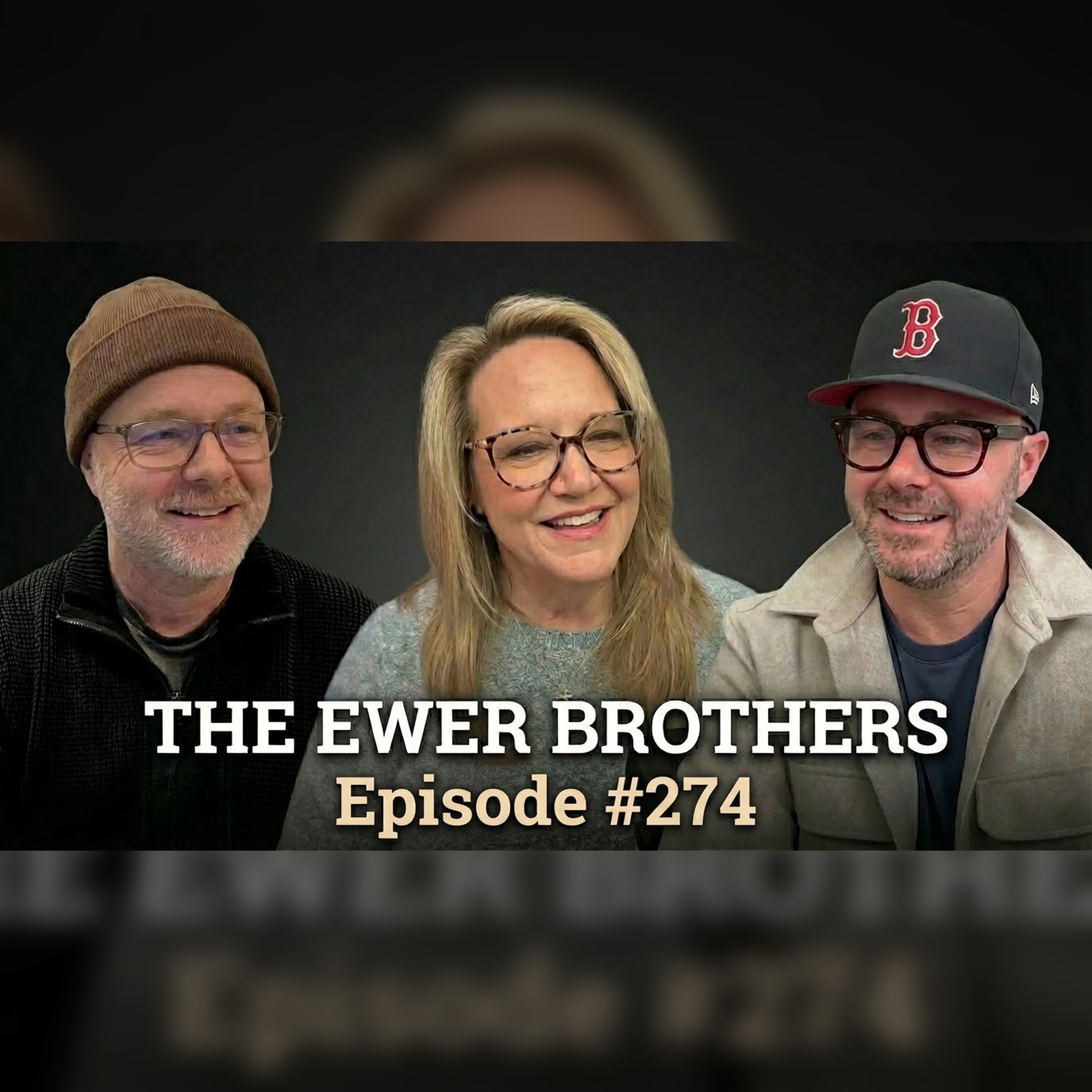
    Ep. 274 I I Didn't Know Myself - Erik & Chris Ewers on Ken Burns, PBS & Thoreau

    He's edited nearly every Ken Burns film ever made. But he couldn't edit himself. What does it take to build a filmmaking career inside Ken Burns's world — and what happens when the hardest part isn't the craft, but learning who you are? Erik and Christopher Ewers are brothers who co-direct for PBS under the Ken Burns banner. Erik has been Burns's senior editor for 33+ years. Chris is a DP who's shot for Apple, Coca-Cola, and Tiffany & Co. Their latest project: Henry David Thoreau, a three-part PBS documentary series executive produced by Ken Burns and Don Henley, narrated by George Clooney, with Jeff Goldblum voicing Thoreau, Ted Danson as Ralph Waldo Emerson, and Meryl Streep. Henry David Thoreau premieres on PBS March 30. This is Part 1 of a two-part conversation. In Part 1, you'll learn: — How Erik ended up working for Ken Burns through a real estate deal involving window treatments and carpets — How a 22-minute visitors center film became the doorway to a three-hour PBS series — What it's really like to co-direct a documentary with your brother (even Ken Burns couldn't do it with his) — How Chris balances high-end commercial work with documentary filmmaking to sustain a creative career — The challenge of filming Walden Pond with only two usable photographs of Thoreau — Why knowing yourself is the most important skill a filmmaker can develop — and Erik's deeply personal story about discovering that through his own film Part 2 drops April 9 — covering PBS funding realities, AI and the industry, and how they landed Jeff Goldblum, George Clooney, and Meryl Streep. This episode is supported by Virgil Films Entertainment. About the Guests: Erik Ewers — Director, Editor. Ken Burns's senior editor for 33+ years. Multiple Emmy winner. ACE Eddie Award winner (The Roosevelts, 2015). Based in New Hampshire. Christopher Loren Ewers — Director, DP. 20+ years behind the camera. Commercial clients include Apple, Coca-Cola, Tiffany & Co., Stella Artois, Volvo. Based in the NYC metro area. About Henry David Thoreau (PBS): A three-part, three-hour documentary — the first full-length documentary biography of Thoreau. Executive produced by Ken Burns and Don Henley. Narrated by George Clooney. Voices by Jeff Goldblum (Thoreau), Ted Danson (Ralph Waldo Emerson), Meryl Streep, and Tate Donovan. Henry David Thoreau premieres on PBS March 30. Available on PBS and wherever you stream PBS content. Christopher Ewers Commerical Work Henry David Throeau Series Trailer Listen & Follow: Apple Podcasts: https://tinyurl.com/DocFirstApple Spotify: tinyurl.com/DocFirstSpotify YouTube: tinyurl.com/DocFirstYouTube Amazon Music: tinyurl.com/DocFirstAmazon Connect: Ewers Brothers Productions Christian Taylor on X Christian Taylor on Instagram Christian Taylor on LinkedIn Documentary First on X Documentary First on Instagram Documentary First Productions Linktree

    • Transcript
Showing 21–29 of 29 episodes