Skip to content
Artwork for Decoder Ring
Decoder Ring · Today · 33 min

The Cabbage Patch Kids Riots (Encore)

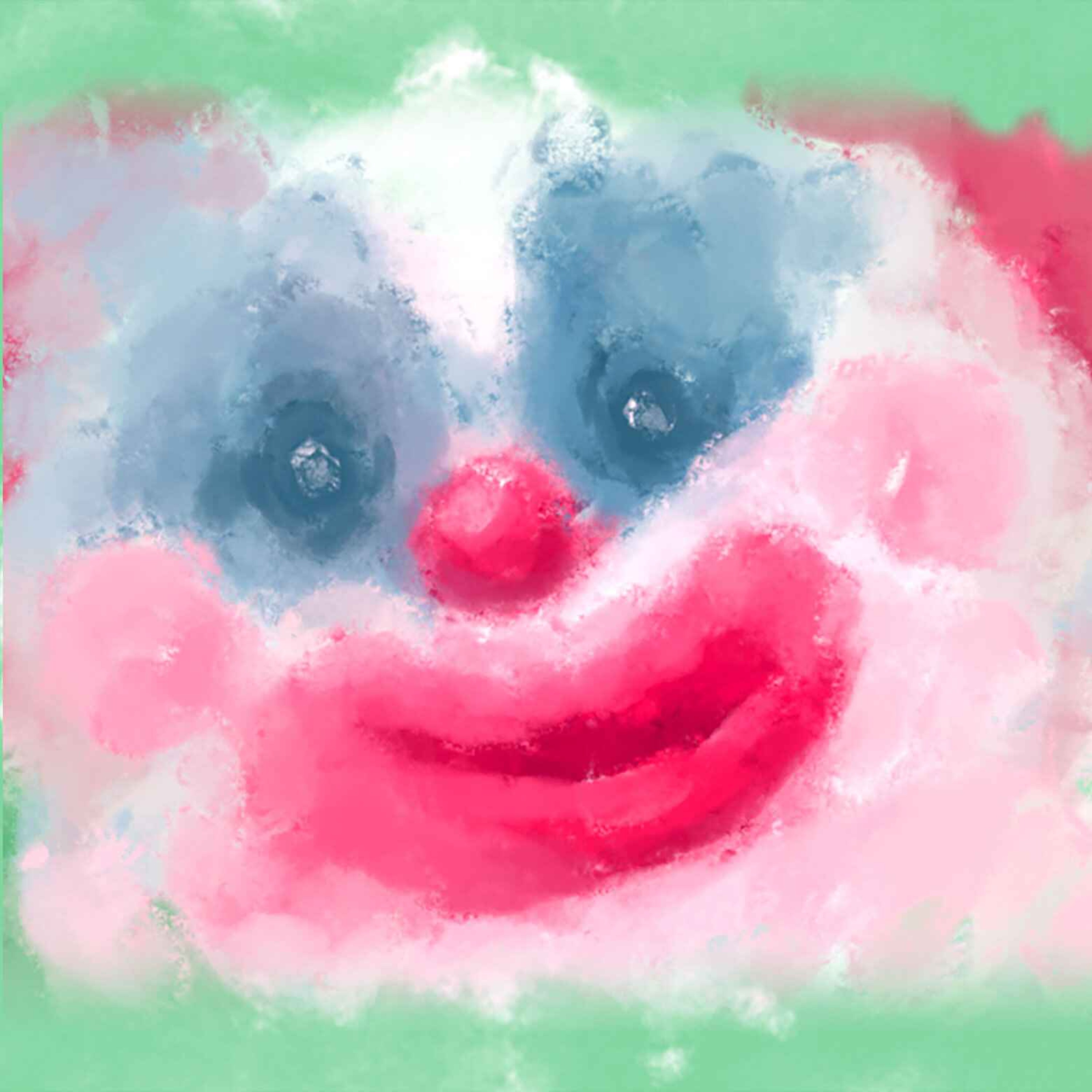
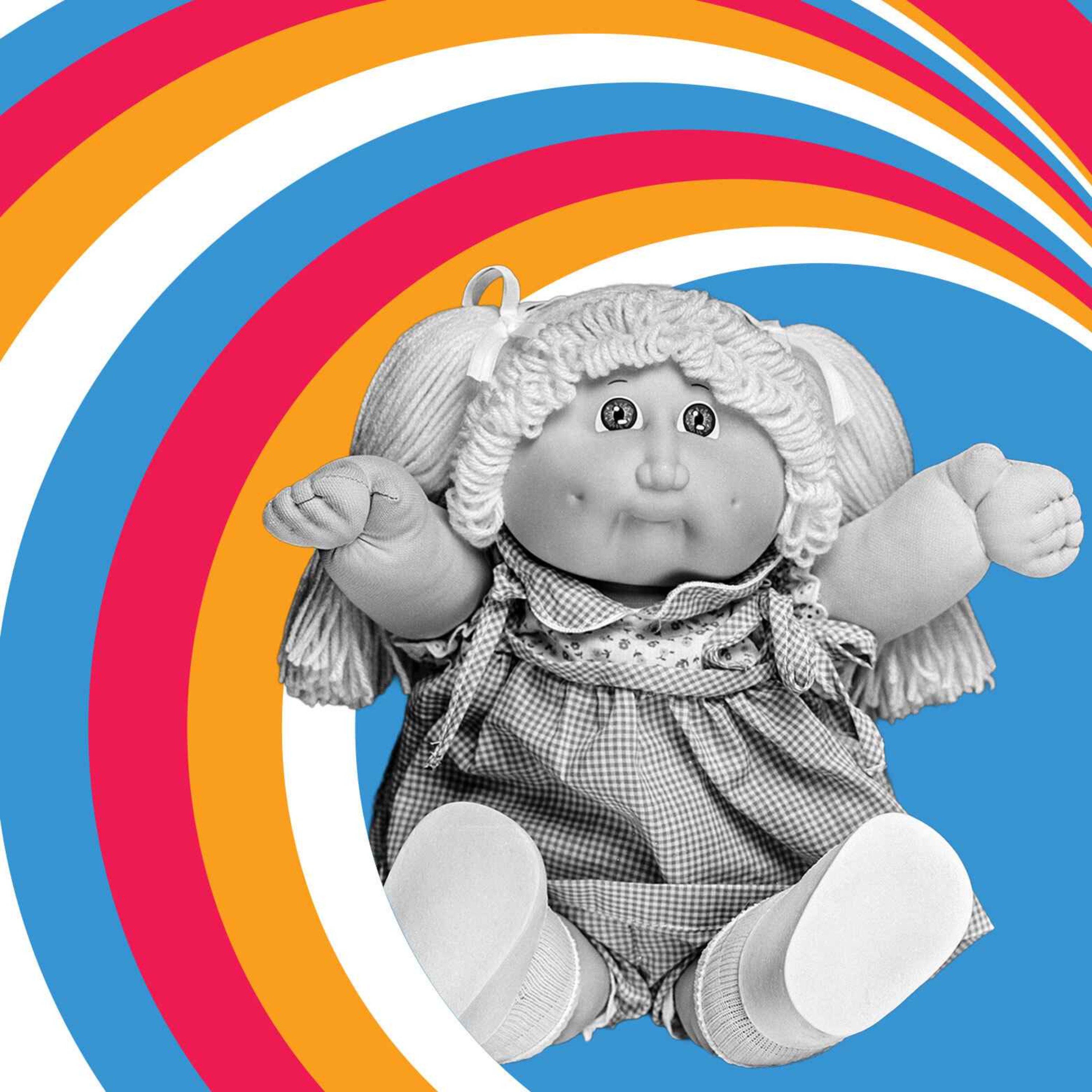
The Cabbage Patch Kids were released in 1983, and in the subsequent holiday season inspired a frenzy in stores and in the media. What was it about these wholesome dolls that inspired such bad adult behavior? In this episode, originally aired in 2020, we explore the trippy backstory of the Cabbage Patch Kids, and their even stranger true story. Created by an elusive figure named Xavier Roberts, with at least a lot of inspiration from a woman named Martha Nelson Thomas, the dolls emerged from a folk art tradition of homemade doll making. They began life as a high end art object but became a mass produced toy and totemic cultural artifact, today referenced as a progenitor of more recent toy crazes: Beanie Babies, Tickle Me Elmo, or LOL Dolls. How this happened has as much to do with art as it does commerce, from their slightly grotesque faces, to their butt tattoos, to each doll being truly unique. The Cabbage Patch Kids may seem like a throwback to a simpler era of toy design, but back in the 80s they were a herald for the future. Some of the voices you’ll hear in the episode include Cabbage Patch Kids riot victim Sarah Lindenfeld Hall; Mara Thomas, the daughter of Martha Nelson Thomas; former head of product development at Coleco, Al Kahn; Joshua Paul Dale, professor at Chuo University in Tokyo; and baby name expert Laura Wattenberg. This episode was written by Willa Paskin, and produced and edited by Benjamin Frisch. Research assistance by Cleo Levin. Decoder Ring is produced by Max Freedman, Alesandra Tejeda, and Evan Chung, our supervising producer. Merritt Jacob is Senior Technical Director. Thanks to Harry Rinker, Paul Ringel, Oliver Schlake, Jack Wheat, Emelie Gevalt, and June Thomas. If you have any cultural mysteries you want us to decode, email us at DecoderRing@slate.com or leave a message on our hotline at (347) 460-7281. Get more of Decoder Ring with Slate Plus! Join for exclusive bonus episodes of Decoder Ring and ad-free listening on all your favorite Slate podcasts. Subscribe from the Decoder Ring show page on Apple Podcasts or Spotify. Or, visit slate.com/decoderplus for access wherever you listen. Need to set up your Slate Plus feed? If you subscribed through Slate.com, check out our FAQ at slate.com/podcastfaqs for easy instructions. Members subscribed via Apple Podcasts get automatic access—no setup required. Hosted on Acast. See acast.com/privacy for more information.

0:00-33:00

transcript

No transcript — this publisher did not publish one.

show notes

The Cabbage Patch Kids were released in 1983, and in the subsequent holiday season inspired a frenzy in stores and in the media. What was it about these wholesome dolls that inspired such bad adult behavior? In this episode, originally aired in 2020, we explore the trippy backstory of the Cabbage Patch Kids, and their even stranger true story.

Created by an elusive figure named Xavier Roberts, with at least a lot of inspiration from a woman named Martha Nelson Thomas, the dolls emerged from a folk art tradition of homemade doll making. They began life as a high end art object but became a mass produced toy and totemic cultural artifact, today referenced as a progenitor of more recent toy crazes: Beanie Babies, Tickle Me Elmo, or LOL Dolls. How this happened has as much to do with art as it does commerce, from their slightly grotesque faces, to their butt tattoos, to each doll being truly unique. The Cabbage Patch Kids may seem like a throwback to a simpler era of toy design, but back in the 80s they were a herald for the future.

Some of the voices you’ll hear in the episode include Cabbage Patch Kids riot victim Sarah Lindenfeld Hall; Mara Thomas, the daughter of Martha Nelson Thomas; former head of product development at Coleco, Al Kahn; Joshua Paul Dale, professor at Chuo University in Tokyo; and baby name expert Laura Wattenberg.

This episode was written by Willa Paskin, and produced and edited by Benjamin Frisch. Research assistance by Cleo Levin. Decoder Ring is produced by Max Freedman, Alesandra Tejeda, and Evan Chung, our supervising producer. Merritt Jacob is Senior Technical Director.

Thanks to Harry Rinker, Paul Ringel, Oliver Schlake, Jack Wheat, Emelie Gevalt, and June Thomas.

If you have any cultural mysteries you want us to decode, email us at DecoderRing@slate.com or leave a message on our hotline at (347) 460-7281.

Get more of Decoder Ring with Slate Plus! Join for exclusive bonus episodes of Decoder Ring and ad-free listening on all your favorite Slate podcasts. Subscribe from the Decoder Ring show page on Apple Podcasts or Spotify. Or, visit slate.com/decoderplus for access wherever you listen.

Need to set up your Slate Plus feed? If you subscribed through Slate.com, check out our FAQ at slate.com/podcastfaqs for easy instructions. Members subscribed via Apple Podcasts get automatic access—no setup required.


Hosted on Acast. See acast.com/privacy for more information.
links8