AI Doesn't Plateau — It Compounds. Which Wall Falls Next?
transcript
show notes
The AI revolution won't plateau — it compounds, because AI is the first technology that improves the machine that makes technology. That shifts the real question from whether progress slows to which physical bottleneck gives way next. This episode ranks the three walls standing between here and the future — compute, power, and the physical world — and argues they fall in a knowable order, each one unlocking the next cascade behind it.
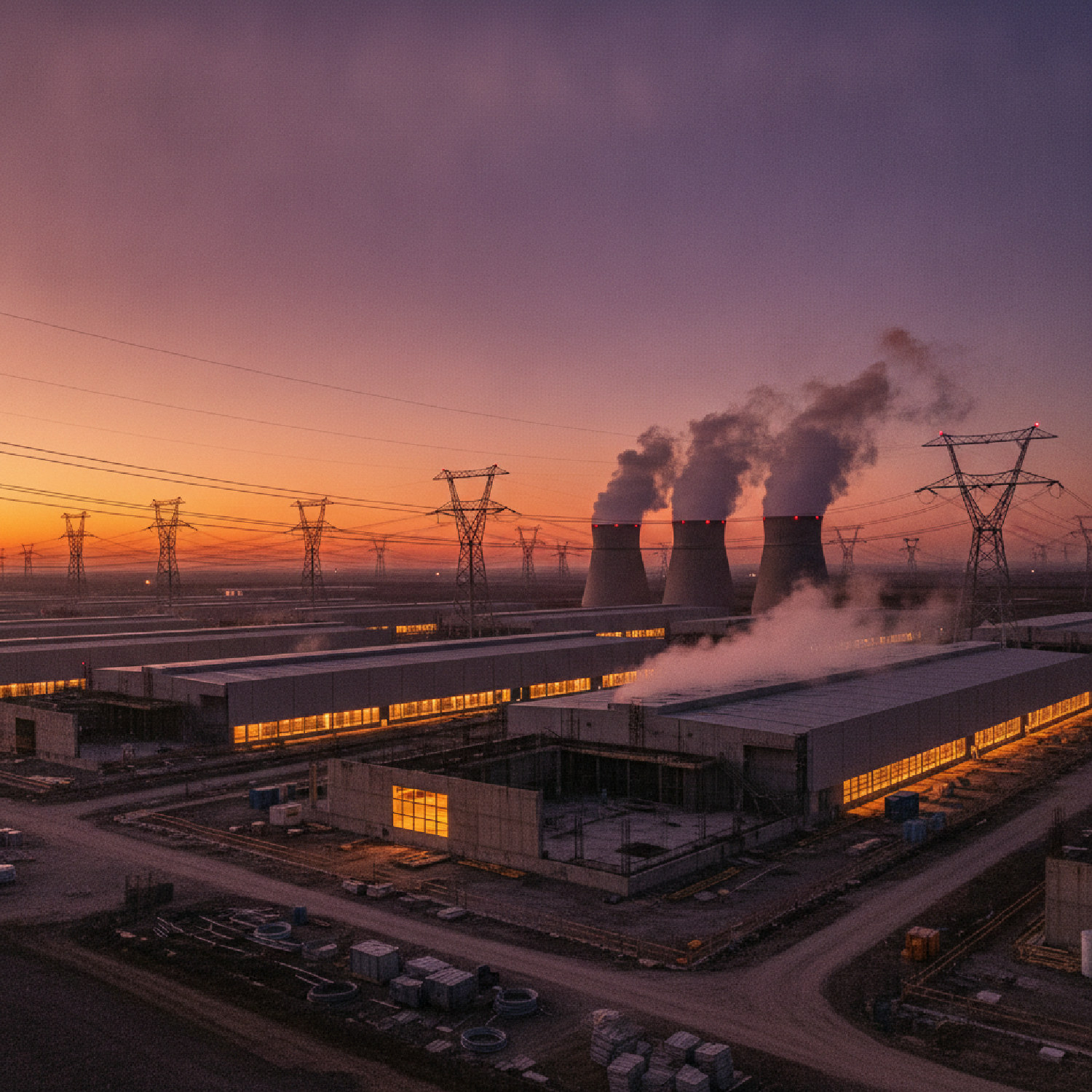
Compute is already giving way, and it has just been handed to AI itself to push. Power is the binding wall of the late 2020s, dated to fall through a nuclear-and-fusion build-out landing between 2027 and the early 2030s. Robotics is the last and highest wall, cracking now as the recipe that solved language gets pointed at atoms. Ride that ladder out and you reach a “compressed century” — decades of scientific progress arriving in years. It is a map drawn in pencil: the knowability horizon in AI is short, and everything past the present is a grounded projection, not a certainty.
I'm Dan. AI moves too fast to keep up with, so I built my own stack of AI tools to research, analyse, verify and illustrate the questions I can't stop thinking about — mostly to learn it myself, and I share what I find. AI-assisted, fact-checked, worth a second look.
Follow Dan's AI Intel in whatever app you're listening in — it's free, and a follow is the single biggest thing that helps a small independent show grow. One personal note: I've never been more captivated by anything than this moment in AI, and I make this show myself. If it's been worth your time, sending it to one person who'd enjoy it helps more than you'd think.